
 0
0

 English
 Español
Submit
Submit feedback
Do 5 Spoke Split Monoblock Forged Wheels Crack More Easily Under Impact Loads
2026-07-17
5 spoke split monoblock forged wheels are often marketed as a balance between structural rigidity and reduced weight. The split-spoke layout adds visual depth, while monoblock forging ensures a single-piece structure without weld joints. Despite this, pothole-related cracking still appears in real-world use, especially under aggressive road conditions.
The issue is not limited to manufacturing quality. It is closely tied to stress distribution behavior, spoke geometry, and how monoblock forged aluminum reacts under sudden impact energy.
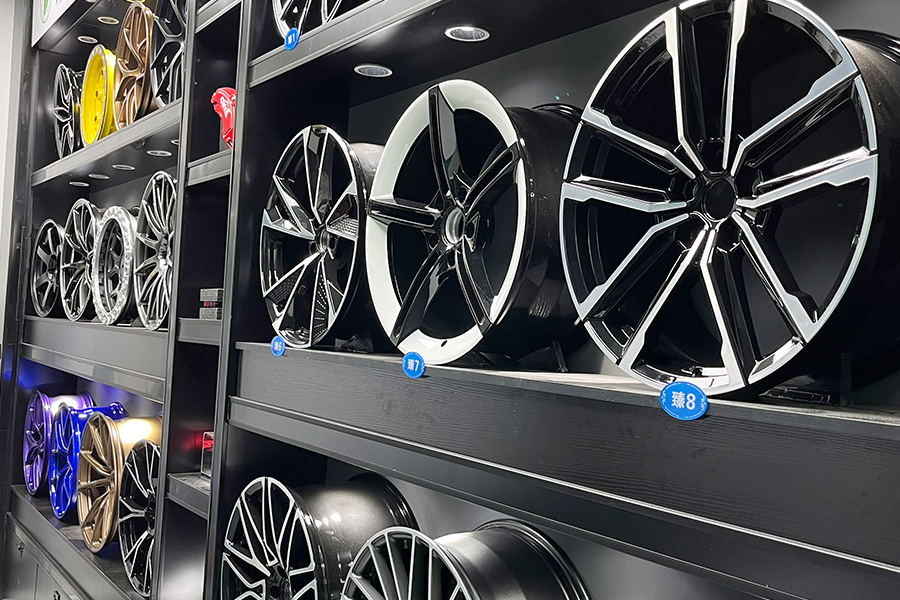
Split Spoke Geometry and Load Path Complexity
A split 5-spoke design modifies how forces travel from tire to hub. Instead of a single continuous spoke, load paths are visually and structurally divided into segments.
Key stress behavior changes:
- Dual load channels inside each spoke increase internal stress intersections
- Interrupted geometry creates localized stiffness variation along spoke length
- Transition edges between split sections become stress concentration zones
Under pothole impact, force does not distribute evenly. It travels through these segmented paths and converges at spoke roots near the hub flange.
Monoblock Forging and Structural Continuity
Monoblock forged wheels are manufactured from a single aluminum billet, compressed under high tonnage presses. This creates a dense grain structure with strong directional alignment.
Mechanical characteristics include:
- High tensile strength due to refined grain flow
- Reduced porosity compared with cast structures
- Continuous metal path without weld interruption
However, structural continuity also means energy transfer is extremely fast. Impact force from a pothole is not absorbed gradually; it is transmitted almost instantly to the hub and spoke junctions.
Why Cracks Still Appear on Forged Split Spoke Wheels
Even with advanced forging, fatigue mechanics remain active. Aluminum alloys do not possess infinite fatigue resistance. Repeated stress cycles gradually reduce structural integrity.
Observed failure mechanisms include:
- Microvoid formation under high-impact compression
- Slip band accumulation inside grain structure
- Crack nucleation at geometric discontinuities
Industry failure analysis shows that forged 6061 aluminum wheel hubs often develop fatigue cracks under multiaxial loading conditions, especially at spoke-to-hub transition regions where stress concentration peaks are highest.
Where Split 5 Spoke Wheels Tend to Fail
Crack locations are not random. They follow predictable stress concentration zones shaped by geometry and load flow.
- Inner spoke root where load converges into hub flange
- Split junction area where spoke geometry is interrupted
- Inner barrel lip exposed to direct pothole compression
- Valve hole region acting as structural discontinuity
Each zone combines reduced cross-section and repeated load cycling, making crack initiation more likely over time.
Passenger Car Modification Conditions Increase Stress Exposure
Modification setups often intensify wheel loading without immediately visible indicators. Lower profile tires and wider wheel setups change impact absorption behavior.
Common stress amplifiers:
- Reduced tire sidewall cushioning height
- Higher rim exposure to direct pothole edges
- Increased cornering load transfer during aggressive driving
Even moderate impacts become more severe because less energy is absorbed before reaching the wheel structure.
Impact Behavior During Pothole Strikes
A pothole impact is a rapid energy event combining vertical force and rebound vibration. Split spoke monoblock wheels respond in a highly directional manner.
Force transmission pattern:
- Outer rim edge absorbs initial shock compression
- Split spokes redirect energy toward hub center
- Stress waves reflect at geometric transitions
Because split spokes contain multiple edges and relief cuts, energy does not flow in a perfectly smooth path. Each interruption becomes a potential stress amplifier.
Hub Interface and Stress Convergence Effect
The wheel hub acts as the final load collection point. All spoke forces terminate at this central zone.
Key stress factors:
- Radial load convergence increases localized stress density
- Torque from acceleration and braking adds cyclic variation
- Micro-defects amplify under repeated load cycling
Once cracks begin near the hub interface, propagation speed increases due to continuous rotational loading.
Why Damage Appears Suddenly on Inspection
Many drivers only discover cracks during cleaning or tire replacement, creating the impression of sudden failure. Actual damage progression is gradual.
Typical progression pattern:
- Microscopic crack initiation at stress concentration points
- Slow propagation along grain boundaries under cyclic load
- Final visible opening after a higher impact event
This behavior aligns with fatigue failure characteristics observed in forged aluminum alloy wheel systems under multiaxial stress conditions .
Design Trade-off Between Style and Structural Margin
Split spoke monoblock forged wheels achieve strong visual depth and reduced mass, but geometry introduces inherent trade-offs.
Key engineering balance points:
- Material removal improves weight reduction but reduces local cross-section
- Aesthetic segmentation increases stress concentration zones
- Rigid forged structure transmits impact energy faster than ductile alternatives
Damage risk does not mean poor manufacturing. It reflects how geometry and real-world road energy interact over time.
Closing Perspective
5 spoke split monoblock forged wheels remain a strong choice for performance-oriented passenger vehicles. Their strength advantage comes from a dense forged aluminum structure and continuous grain flow. Still, pothole environments introduce irregular, high-energy impacts that exceed normal design assumptions.
Cracking behavior is shaped by stress concentration at split spoke junctions, hub interfaces, and barrel edges rather than overall material weakness. Understanding these patterns helps explain why even advanced forged wheels can still develop cracks under demanding road conditions.
recommend products
-
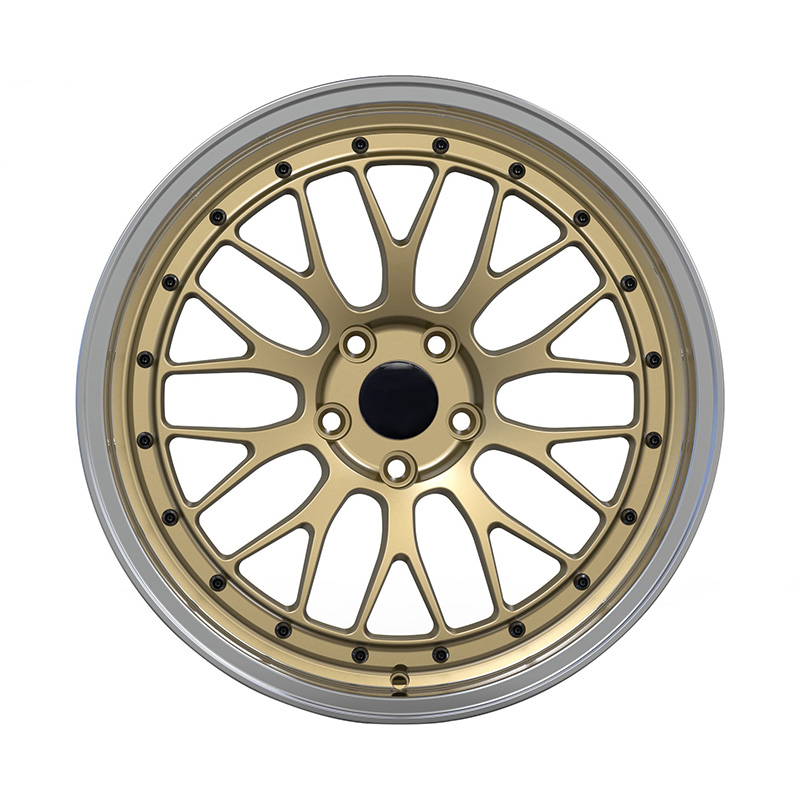


Zhenlun Multi Spokes Split Monoblock Forged Wheels Bronze With Silver Lip Edge
-
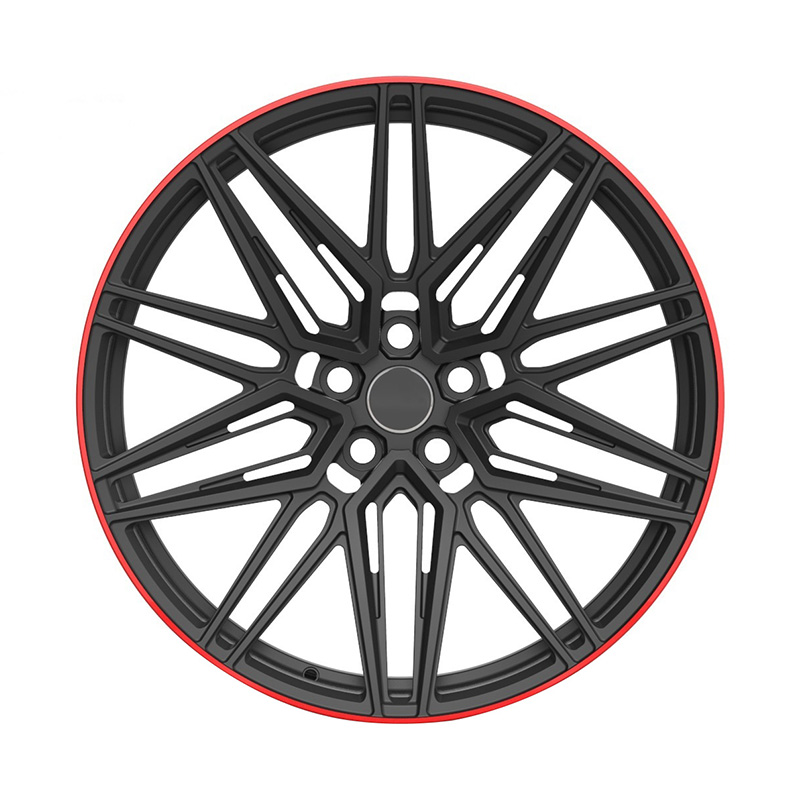
Zhenlun Matt Black With Red Lip Monoblock Forged Wheels
-
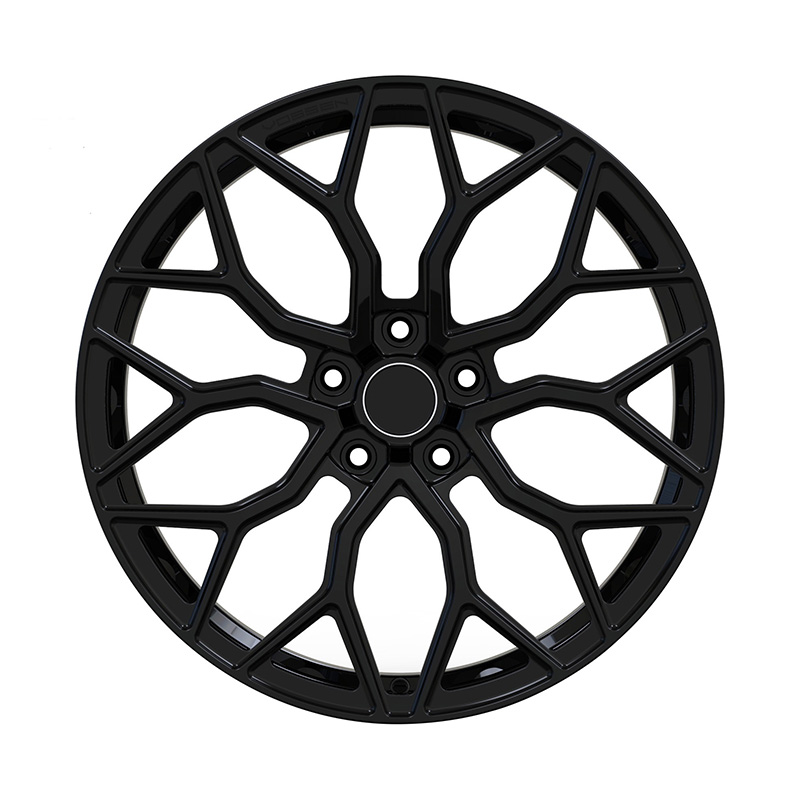
Zhenlun Gloss Black Monoblock Forged Wheels Gloss Black For Sports Car
-
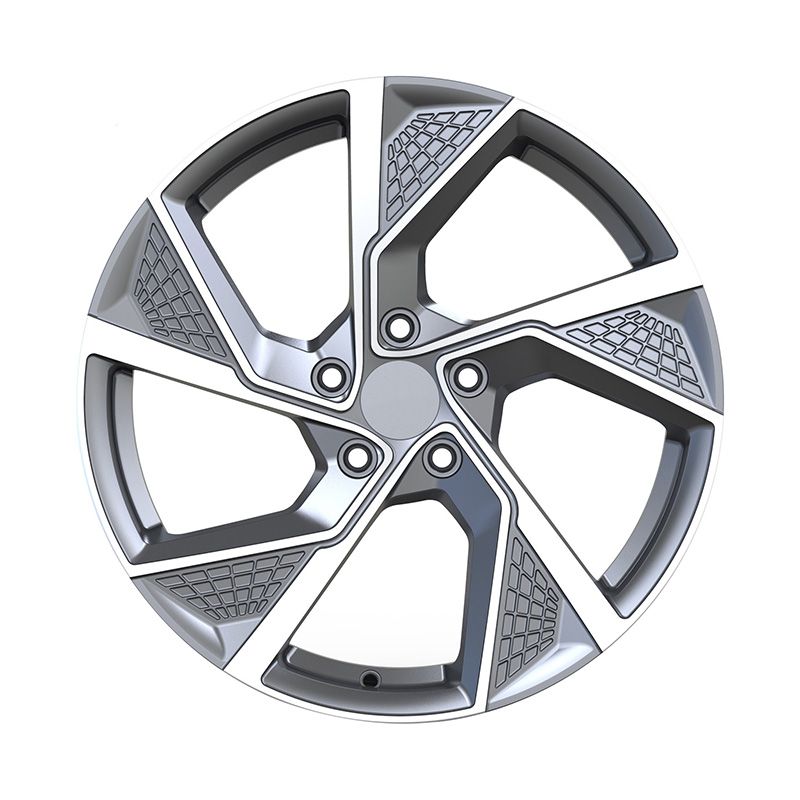
Zhenlun Monoblock Forged Wheels Lightgrey With Machined Face
-
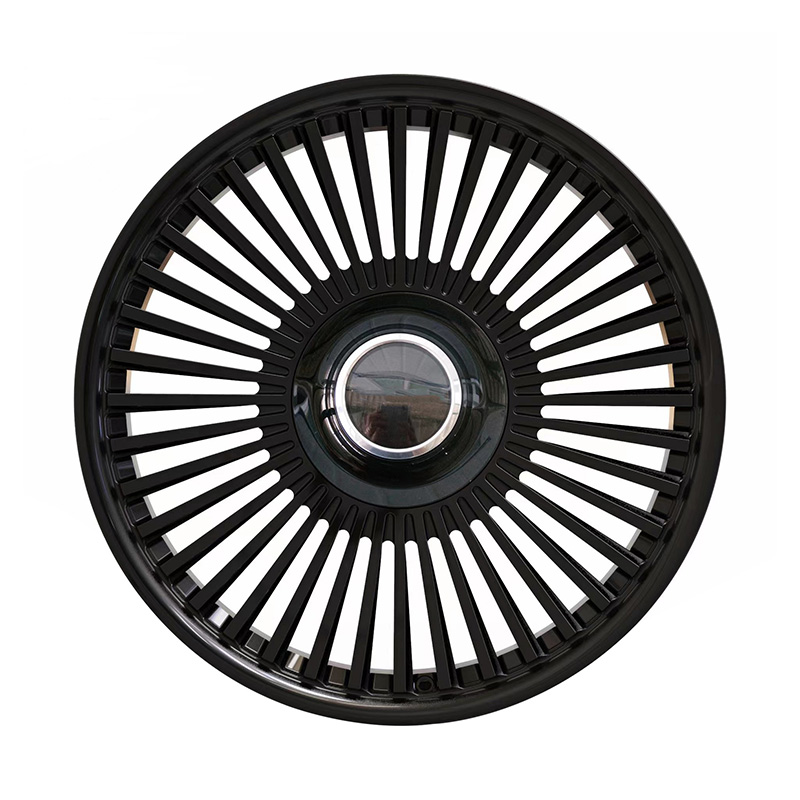
Zhenlun Monoblock Forged Wheels Gloss Black Dense Multi Spoke



Wechat QR code
IAN

JNZL

CONTACT Us
Mobile Site
Copyright© Taizhou Zhenlun Technology Co., Ltd. All Rights Reserved
