
 0
0

 English
 Español
Submit
Submit feedback
Why Is 6061-T6 Aluminum Alloy Wheels Suitable For Vehicle Modification?
2026-02-06
6061-T6 aluminum wheels are widely used in modified vehicles because they offer a balance of strength, weight savings, and cost-effectiveness. The 6061-T6 alloy is known for its good mechanical properties, including high tensile strength and corrosion resistance, which make it suitable for wheel applications. When applied to modified vehicles, these wheels can impact performance, appearance, and overall driving experience.
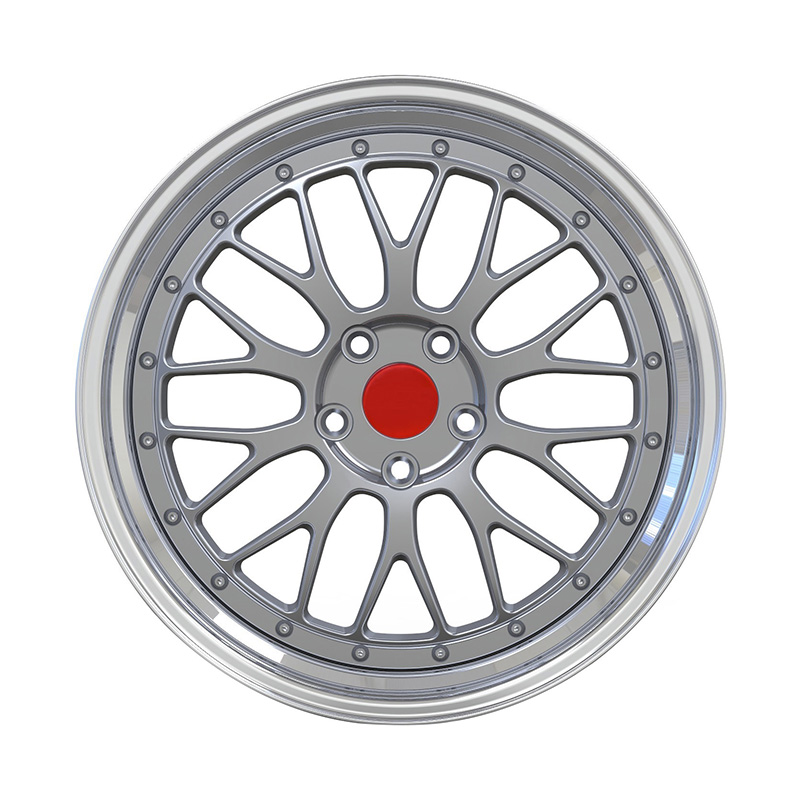
Performance Enhancements from 6061-T6 Wheels
Modified vehicles often pursue improved performance, and 6061-T6 aluminum wheels can contribute to several measurable benefits. Aluminum wheels reduce unsprung mass, which improves suspension response and handling. This can result in more precise steering feedback and better stability during cornering. For vehicles that are tuned for higher power output, lighter wheels can also improve acceleration and braking performance by reducing rotational inertia.
Aluminum has better thermal conductivity than steel, which helps dissipate heat generated by brakes. This can be particularly beneficial for modified vehicles that undergo frequent high-speed driving or track use, where brake temperatures can rise quickly. Better heat dissipation helps maintain braking performance and reduces the risk of brake fade.
6061-T6 wheels also allow for more precise wheel design, including larger brake clearance and optimized spoke geometry. This can support the installation of larger brake kits and enhance overall vehicle dynamics. However, the performance gains depend on the wheel design, size, and vehicle setup, and should be considered alongside tire selection and suspension tuning.
Visual Styling Changes with 6061-T6 Wheels
In modified vehicles, wheels are often one of the visible upgrades, and 6061-T6 aluminum wheels offer a wide range of design possibilities. The alloy can be cast, forged, or flow-formed into various spoke patterns, concave profiles, and finishes. Common finishes include machined, painted, polished, and anodized surfaces. These visual options allow vehicle owners to create a customized look that matches the vehicle’s overall styling theme.
For example, a sporty modification may use multi-spoke or split-spoke wheel designs with a matte or glossy finish to convey a performance-oriented appearance. A luxury-oriented build may favor larger diameter wheels with polished faces and subtle spoke designs. Wheel size also affects visual proportions; larger wheels can give a more aggressive stance, while smaller wheels may maintain a more understated look.
Wheel design also affects the vehicle’s stance and tire fitment. Modified vehicles often use wider wheels and lower-profile tires to achieve a more aggressive posture. This can enhance the visual appeal but requires careful consideration of suspension setup and wheel offset to avoid rubbing or handling issues.
Safety and Durability Considerations for Modified Vehicles
When modifying vehicles with 6061-T6 aluminum wheels, safety and durability are important considerations. 6061-T6 is a heat-treated alloy with good strength, but the wheel manufacturing method (cast vs. forged) significantly affects its mechanical performance. Forged wheels generally offer higher strength and fatigue resistance due to the forging process aligning the metal grain structure. Cast wheels can be more affordable but may be more susceptible to cracking or deformation under extreme loads.
Modified vehicles may experience higher stresses due to increased power, lowered suspension, or larger tire sizes. These factors can increase the load on wheels during cornering, acceleration, and braking. Therefore, it is important to choose wheels that meet or exceed the vehicle’s load rating and are designed for the intended use.
Corrosion resistance is another factor. 6061-T6 aluminum has good resistance to corrosion, but protective finishes and regular maintenance help prevent surface oxidation, especially in regions with road salt or coastal environments. Proper tire mounting and balancing also contribute to wheel longevity and reduce vibration issues that can affect handling and comfort.
Fitment and Compatibility for Modified Vehicles
Fitment is a key factor when selecting 6061-T6 wheels for modified vehicles. Wheels must match the vehicle’s bolt pattern, center bore, offset, and load rating. The table below summarizes common fitment considerations:
|
Fitment Factor |
Why It Matters |
Modified Vehicle Impact |
|
Bolt Pattern |
Ensures wheel attaches correctly |
Incorrect pattern prevents installation |
|
Center Bore |
Ensures proper centering |
Needs hub-centric rings if oversized |
|
Offset |
Determines wheel position |
Affects clearance and stance |
|
Wheel Width |
Determines tire size range |
Wider wheels can improve grip but may rub |
|
Load Rating |
Supports vehicle weight |
Must handle added performance stresses |
|
Brake Clearance |
Fits larger brake kits |
Essential for upgraded braking systems |
Proper fitment also affects handling and safety. Incorrect offset or wheel width can cause tire rubbing, increased wear, and altered suspension geometry. Modified vehicles often require adjustments such as roll fenders, lowered suspension, or wheel spacers to achieve the desired fitment. It is advisable to consult wheel fitment guides and professional installers to ensure compatibility and maintain safe driving performance.
recommend products
-
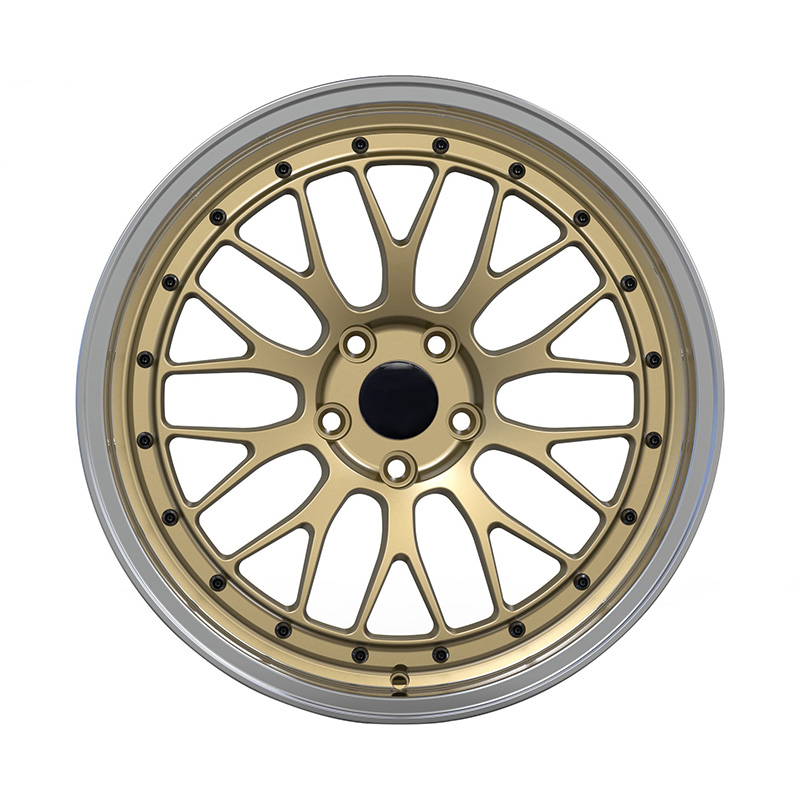


Zhenlun Multi Spokes Split Monoblock Forged Wheels Bronze With Silver Lip Edge
-
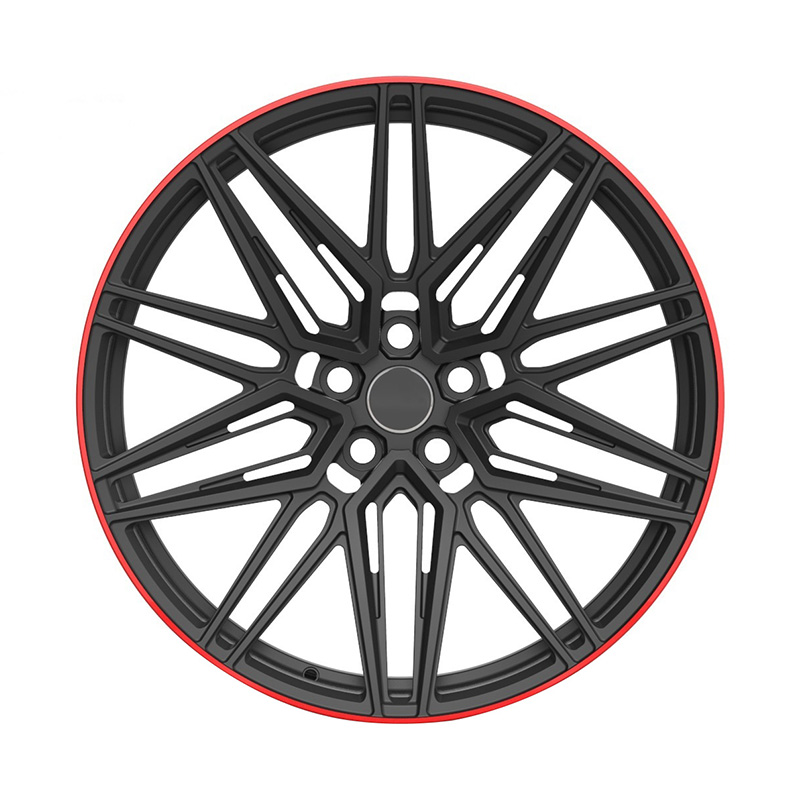
Zhenlun Matt Black With Red Lip Monoblock Forged Wheels
-
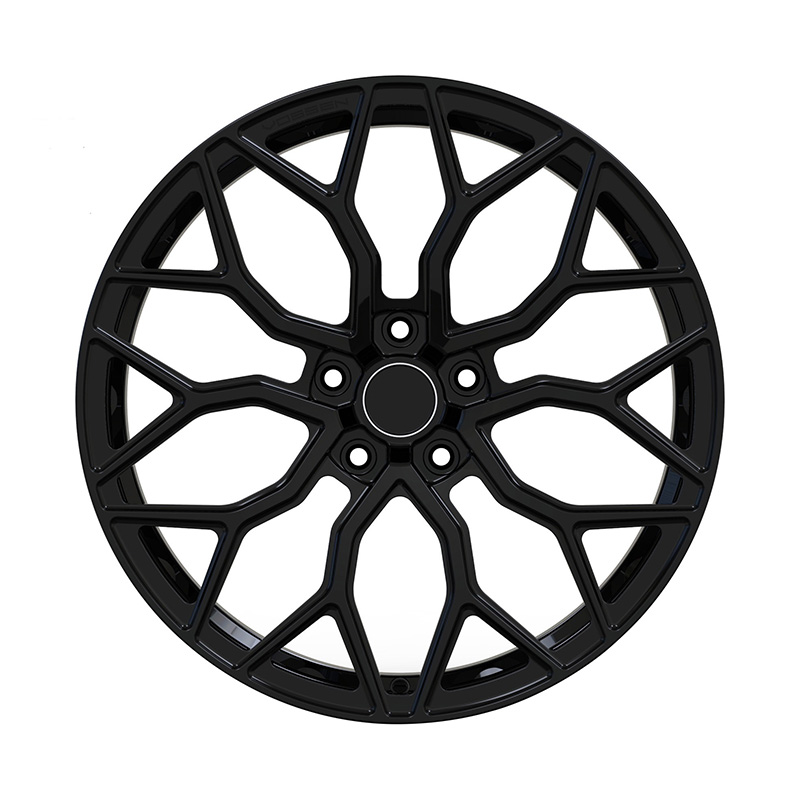
Zhenlun Gloss Black Monoblock Forged Wheels Gloss Black For Sports Car
-
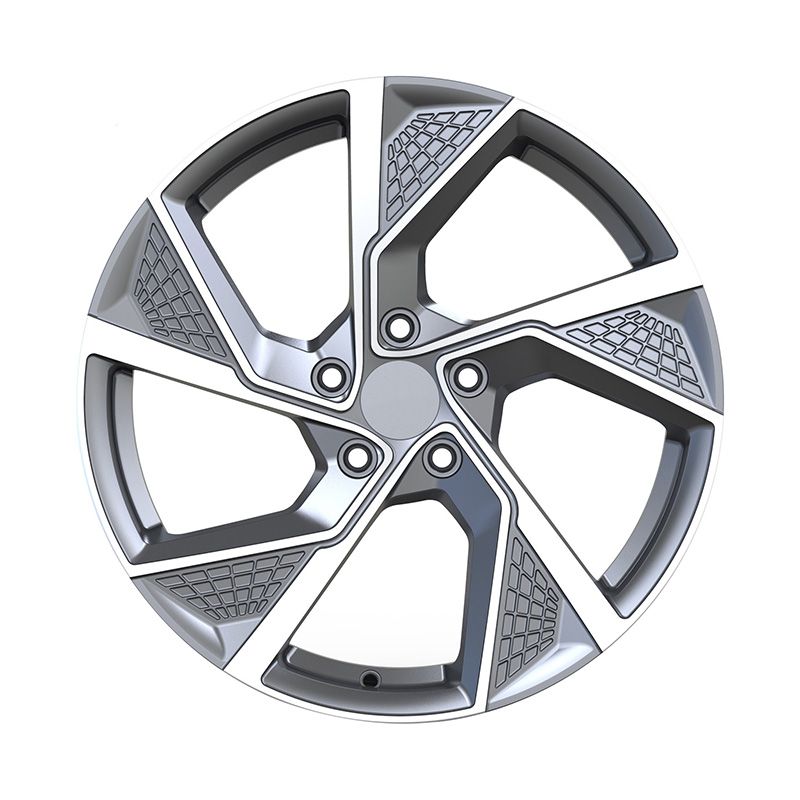
Zhenlun Monoblock Forged Wheels Lightgrey With Machined Face
-
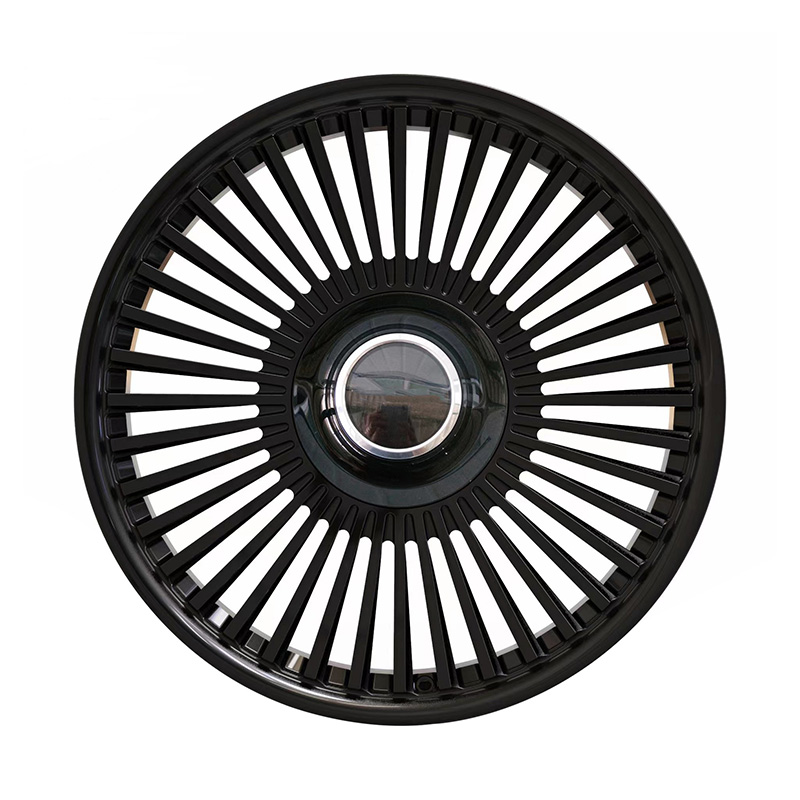
Zhenlun Monoblock Forged Wheels Gloss Black Dense Multi Spoke



Wechat QR code
IAN

JNZL

CONTACT Us
Mobile Site
Copyright© Taizhou Zhenlun Technology Co., Ltd. All Rights Reserved
