
 0
0

 English
 Español
Submit
Submit feedback
Aluminum Alloy Wheel Fitment Checks Every Sedan Owner Needs
2026-04-24
A lot of sedan owners don't really plan to replace wheels at the beginning. It usually starts with something small. The car feels slightly different on the road, or the look no longer feels as fresh as it used to. Then the research begins, and that's when things get a bit more complicated than expected. Fitment terms, material discussions, and references like Aluminum Alloy Wheel Factory show up quickly, but they don't always make the decision easier. In practice, what matters is not the amount of information available, but whether the wheel actually fits the car properly and works safely once installed.
What Is an Aluminum Alloy Wheel and Why Is It Used?
An Aluminum Alloy Wheel is a wheel made from aluminum combined with other elements to improve strength while keeping weight relatively low. Compared to traditional steel wheels, it behaves differently once installed on a vehicle, especially in everyday driving.
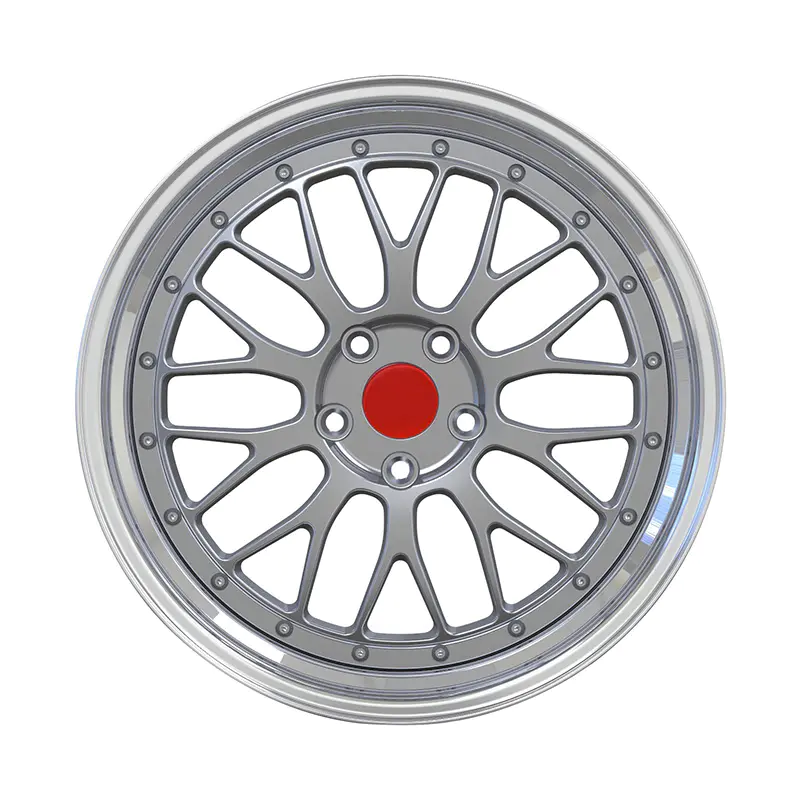
It is commonly used on sedans because it changes how the car responds without requiring any structural modification.
Key points:
- Lower weight compared to steel wheels
- Helps reduce load on suspension components
- Supports better heat release during braking
- Compatible with many modern sedan configurations
The appeal is not just technical. Drivers often notice that the car feels a bit more responsive, especially in steering and braking situations.
Why Do Sedan Owners Consider Changing Wheels?
Wheel replacement is rarely about one single reason. It's usually a mix of comfort, appearance, and driving feel.
Some common reasons include:
- Steering feels slightly more responsive after upgrade
- The car looks more balanced or updated visually
- Braking feels more consistent in repeated use
- Daily driving feels a bit smoother overall
These changes are not dramatic, but they become noticeable over time, especially for drivers who use their car frequently.
What Should Be Checked Before Buying Wheels?
Confusion often starts at this point. Wheels may appear similar, but technical differences determine whether they are suitable for the vehicle.
Wheel Size
Size is more than just diameter. It affects how the whole setup behaves.
- Diameter must stay within vehicle range
- Width affects tire contact with the road
- An incorrect size can result in rubbing or imbalance.
- Even small changes can affect driving stability
Bolt Pattern
This is one of the strictest requirements.
- Must match the hub exactly
- No flexibility for adjustment
- Incorrect pattern prevents installation
- Sometimes overlooked by new buyers
Offset
Offset decides how the wheel sits on the car.
- Influences wheel position inside the wheel arch
- Affects steering feel and turning behavior
- Incorrect values may create clearance issues
- Can slightly change driving balance
Load capacity
This is not about performance, but safety.
- Must support full vehicle weight
- Important for passengers and luggage conditions
- Low rating can cause deformation over time
- Often ignored until problems appear
What Happens When These Details Are Ignored?
Problems are not always readily apparent, which is why they can be missed initially.
Common situations include:
- Small vibration at certain speeds
- Tires wearing unevenly over time
- Braking feeling less stable than expected
- Fitment problems during installation
- Extra stress on suspension parts
None of these usually appear on day one, but they develop gradually if the setup is not correct.
Does Material Quality Really Matter?
Even when wheels look almost identical, internal structure can be quite different. That difference shows up after some use, not always immediately.
Things that matter include:
- How evenly the material is formed
- Surface protection and finishing quality
- Balance during rotation
- Resistance under repeated road impact
A wheel that looks fine at installation may still behave differently depending on how it was made.
Which Deserves More Emphasis: Design or Function?
People often notice the design initially. That's normal. But once the wheel is on the car, function becomes more important than expected.
- Design changes the visual impression
- Structure affects driving behavior
- Lighter wheels may improve response
- Complex designs may require more maintenance
A balanced choice usually works better than focusing on only one side.
Common Mistakes People Make When Choosing Wheels
There are a few patterns that show up repeatedly when people choose wheels without experience.
- Picking size based only on appearance
- Ignoring bolt pattern requirements
- Not checking load rating carefully
- Overlooking offset differences
- Assuming all wheels are interchangeable
- Focusing too much on design details
Many of these issues arise from making a hasty decision, not from a lack of effort.
Why Installation and Aftercare Still Matter
Even with the right wheel, installation and maintenance affect how everything performs.
- Proper installation helps avoid vibration
- Balancing keeps driving stable
- Alignment supports even tire wear
- Regular cleaning helps maintain surface condition
- Occasional checks help catch early issues
These steps are not complicated, but they make a noticeable difference over time.
Final Considerations Before Choosing Wheels
Choosing wheels is less about picking something that looks good and more about making sure everything matches the car properly. Size, offset, bolt pattern, and load capacity all work together, and missing one detail can change how the vehicle behaves on the road. Once these points are clear, the decision becomes more straightforward. Many sedan owners find it helpful to confirm technical details with someone who understands wheel structure in practice rather than only theory. In real applications, suppliers like Taizhou Zhenlun Technology Co., Ltd. often help bridge that gap, turning technical specifications into something that can actually match the vehicle without guesswork.
recommend products
-
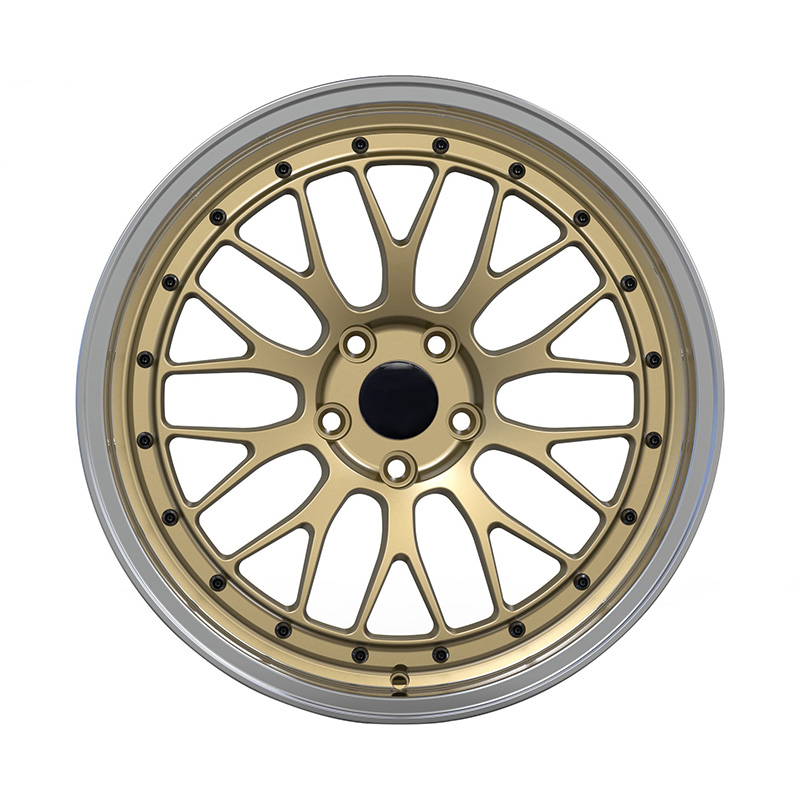


Zhenlun Multi Spokes Split Monoblock Forged Wheels Bronze With Silver Lip Edge
-
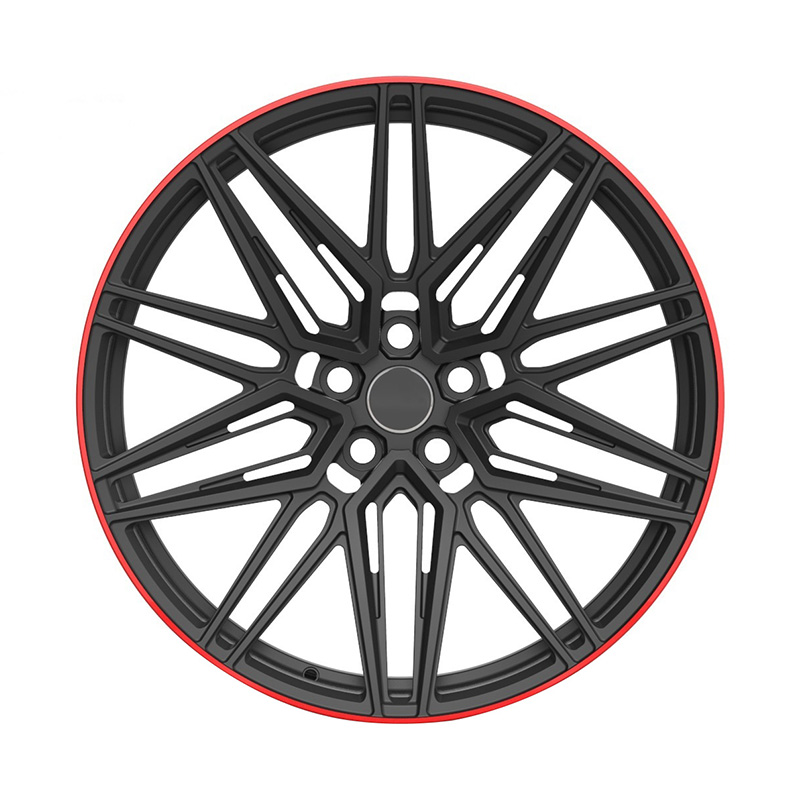
Zhenlun Matt Black With Red Lip Monoblock Forged Wheels
-
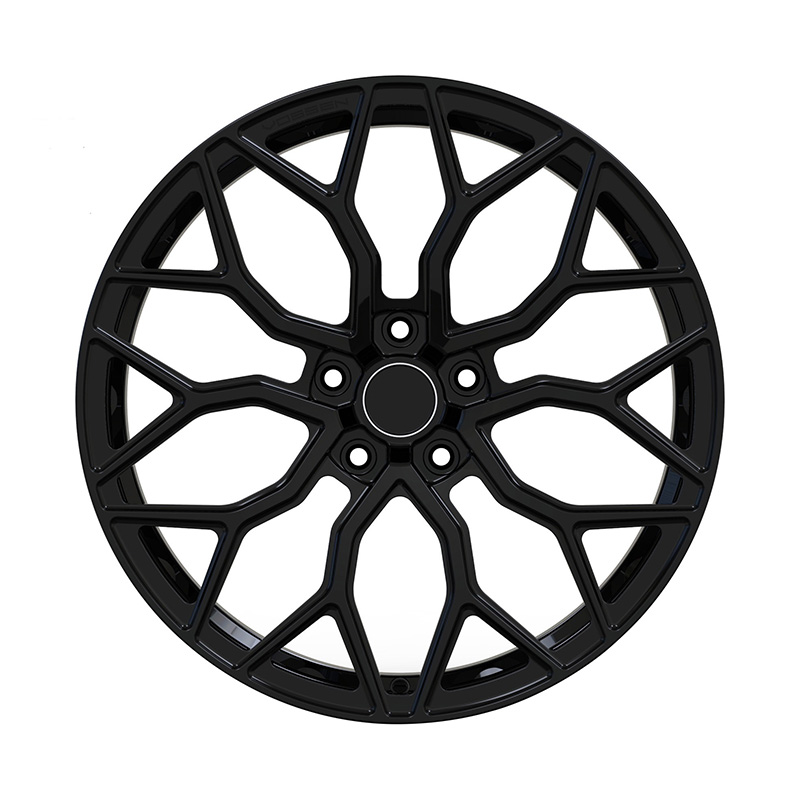
Zhenlun Gloss Black Monoblock Forged Wheels Gloss Black For Sports Car
-
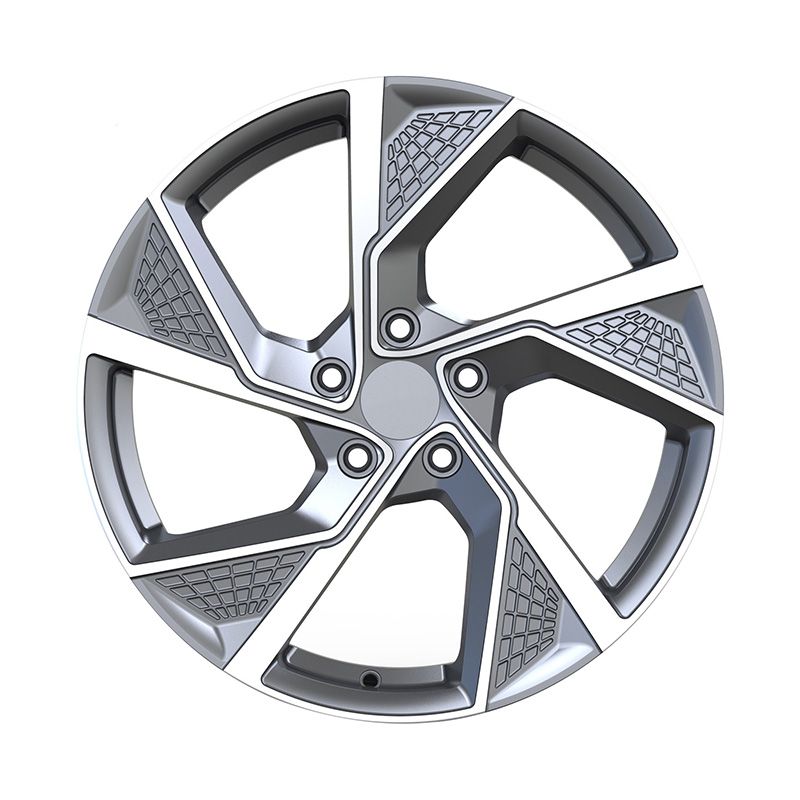
Zhenlun Monoblock Forged Wheels Lightgrey With Machined Face
-
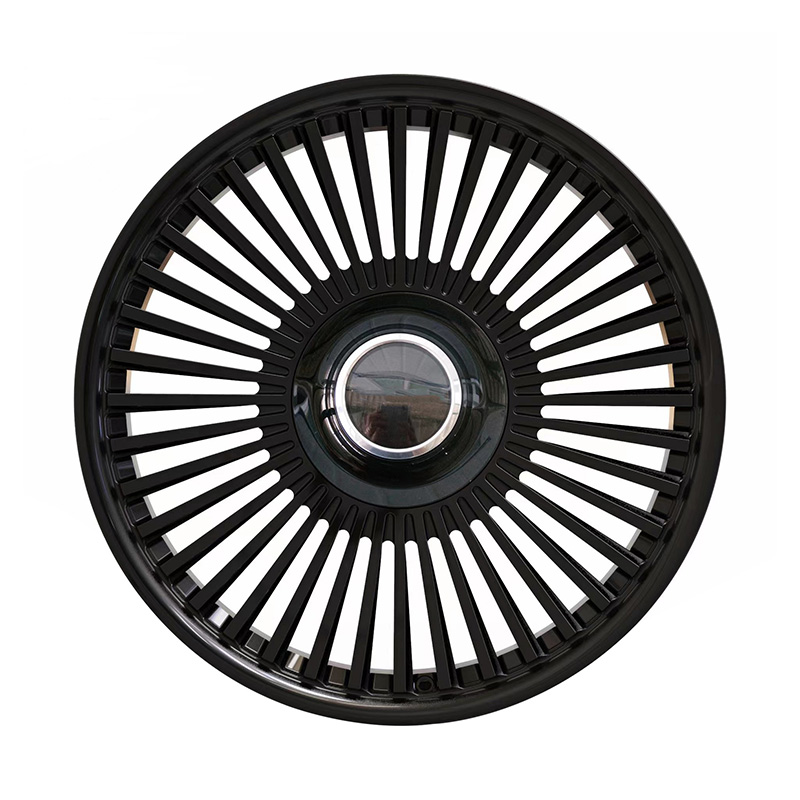
Zhenlun Monoblock Forged Wheels Gloss Black Dense Multi Spoke



Wechat QR code
IAN

JNZL

CONTACT Us
Mobile Site
Copyright© Taizhou Zhenlun Technology Co., Ltd. All Rights Reserved
