
 0
0

 English
 Español
Submit
Submit feedback
Why Deep Concave Wheels Need Deep Cleaning for Shine?
2026-04-17
Walk any serious car show and you'll notice the wheels before almost anything else. Among the options that consistently pull attention, Deep Concave Wheels occupy a category of their own. The profile is unmistakable — and so are the maintenance headaches that come with it. This guide breaks down what actually defines a deep concave wheel, why the design creates a cleaning problem that most standard approaches can't solve, and when a thorough clean needs to happen to keep the finish in shape.
What Are Deep Concave Wheels?
The defining feature is the bowl. On a deep concave wheel, the face curves inward sharply — the spokes and center section sit well behind the outer lip, creating a pronounced dish when you look at the wheel straight-on.
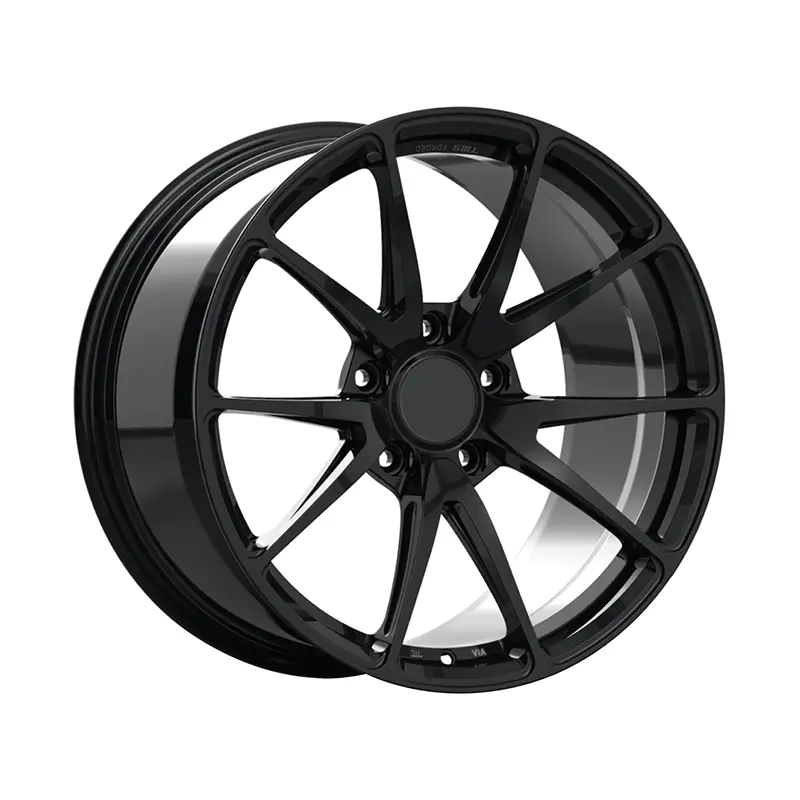
It's a geometry thing. The further the hub mounting surface recedes relative to the outer rim lip, the deeper the concave reads. What separates "deep" from standard concave is the degree of that recession — not a subtle curve, but a dramatic one that creates visible shadow inside the wheel at almost any angle.
The result is three-dimensional in a way a flat-faced wheel simply isn't. Spoke lines converge toward a recessed vanishing point. The lip catches light while the center sits in shadow. At speed or at rest, the wheel reads differently depending on where you're standing.
Key Structural Characteristics
- Extended outer lip — projects outward, making the center face appear even further recessed
- Recessed center section — spokes originate from a plane set well back from the lip plane
- Wider overall width — achieving real depth usually requires more width to make the geometry work
- Diverse spoke layouts — multi-spoke, split-spoke, and mesh all appear across this category
Where Deep Concave Wheels Sit in the Market
Concave isn't a single point — it's a spectrum. Shallow dish, moderate concave, deep concave. The deeper end draws a specific kind of customer: someone building for fitment, stance, or show. These aren't casual shoppers.
Deep Concave Wheels typically show up in:
- Flush and stretched fitment builds — tight clearances, tire stretched over the rim
- Wide-body setups — where the track is pushed out and the wheel needs to fill the arch
- Show cars and track-day builds — visual impact weighted alongside or above outright performance
- Monoblock and multi-piece construction — both formats exist here, each with distinct manufacturing considerations
Anyone supplying into the aftermarket needs to understand this context. Customers buying deep concave aren't comparing on price alone — finish quality, fitment accuracy, and construction integrity matter more in this segment than almost anywhere else in the wheel market.
The Cleaning Problem Nobody Mentions at Point of Sale
Here's what doesn't come up enough: Deep Concave Wheels are genuinely difficult to clean. The same geometry that makes them look remarkable is the reason brake dust, grime, and iron particles collect inside the bowl and stay there.
Why the Shape Works Against You
A flat-faced wheel is straightforward to wash — water hits the surface, contamination runs off. A deep concave bowl catches everything that travels through the spokes:
- Brake dust — settles into the recessed face after every braking event, sticks fast on polished or painted finishes
- Road grime and tar — fine particles work through spoke gaps and pile up in areas a standard wash mitt never touches
- Mineral deposits — water pools in the bowl, evaporates, leaves white residue; hard-water areas make this worse
- Iron particles — shed by rotors and pads during braking, these embed in the surface and start oxidizing if left alone
A hose and a mitt won't cut it. Without the right tools and technique, you're moving surface contamination around — not pulling out what's bonded inside the bowl.
When to Deep Clean — and Why Timing Matters
Most wheel owners either clean too rarely or assume a regular car wash covers it. Neither holds up well with deep concave designs.
Routine Cleaning
After every wash, the concave bowl needs real attention — not just a rinse. Contamination left to sit bonds progressively harder to whatever surface it lands on. A polished face that looks fine after a quick rinse may have a layer of embedded brake dust that only becomes visible once it's too late to remove without abrasives.
When Something Specific Triggers It
Certain situations mean a deep clean can't wait:
- After track use or hard driving — brake temps spike, dust output jumps significantly in a short window
- After rain or salted roads — salt needs to come off metal surfaces fast; leaving it accelerates damage
- Before sealing or coating — applying protection over contamination traps it underneath. Clean first, always
- When orange speckling appears — that's iron. Chemical treatment, not scrubbing
- Before storage — contamination sitting on a surface for weeks bonds in ways normal cleaning can't reverse
Cold Weather and Road Salt
In regions that salt roads through winter, two deep cleans matter most: one going in to clear what's built up, and one coming out to deal with whatever accumulated underneath. Salt sitting in a concave bowl through freeze-thaw cycles is one of the faster routes to surface damage on bare metal lips and machined faces.
How to Actually Deep Clean Concave Rims
Step 1 — Rinse Before Anything Else
Wheel cleaner on a dry, dusty surface causes abrasion. Rinse thoroughly — pressure washer or strong hose flow — working the stream into the concave bowl from several angles to shift loose debris before any product goes on.
Step 2 — Choose a Cleaner That Matches the Finish
Painted, polished, chrome, and powder-coated surfaces don't respond the same way to acidic or alkaline wheel cleaners. Use something formulated for the specific finish and let it dwell. That dwell time is doing chemical work before scrubbing starts.
Step 3 — Use Three Brushes, Not One
Standard wash brushes don't reach deep concave geometry. You need:
- Long-handled barrel brush — gets through spoke gaps into the concave face and around the back of the center section
- Spoke detail brush — narrow enough to work individual spoke surfaces without scratching
- Lip brush — handles inner and outer rim lip, where brake dust packs into grooves
Work from the inner barrel outward — don't drag loosened contamination back over areas you've already cleaned.
Step 4 — Iron Remover Where Needed
Orange or brown speckling means bonded iron. A dedicated iron-dissolving product reacts chemically with iron particles and breaks them free. Watch for the color change — it shows you what's actually there.
Step 5 — Rinse Completely, Then Dry Fast
Water spots form quickly on polished and chrome finishes. After the final rinse, use compressed air to push water out of the concave bowl and spoke recesses before the towel comes out. Water you can't see leaves marks you will.
Step 6 — Seal the Surface
A sealant, ceramic coating, or quality wax on a clean surface extends the gap until the next deep clean — and cuts down how hard brake dust bonds to the finish going forward. On Deep Concave Wheels with machined or polished faces, this step is protective maintenance, not a finishing touch.
Finish Types and What They Mean for Cleaning
| Finish | What to Know | Cleaning Approach |
|---|---|---|
| Painted / Powder-coated | Durable day-to-day, reasonably forgiving | pH-neutral cleaners; avoid harsh acids |
| Polished aluminum | Shows contamination fast, striking when clean | Non-abrasive only; dry immediately |
| Chrome plated | Reacts badly to acidic products | Gentle cleaners, no acid contact |
| Machined face | Bare aluminum — oxidizes without protection | Seal regularly; clean before coating |
| Two-tone / multi-finish | Different zones need different handling | Match product to each surface type |
For wholesalers and distributors, finish type shapes more than aesthetics — it determines what maintenance guidance needs to go out alongside the product at retail.
What to Evaluate When Sourcing Deep Concave Wheels
A few things separate a wheel that holds up in the field from one that generates returns:
- Construction method — monoblock cast, flow-formed, and multi-piece forged carry different strength and weight implications; know what you're selling
- Finish durability — powder coat adhesion, polishing consistency, and chrome integrity all affect how the wheel handles repeated cleaning over time
- Offset and width range — deep concave profiles need specific offset configurations; limited fitment options narrow your market considerably
- Load rating documentation — non-negotiable for any wheel going into retail or distribution
- Transit packaging — the outer lip is the damage point on a deep concave wheel; packaging that actually protects it cuts down the returns conversation
Work with a Manufacturer Who Understands the Category
Deep Concave Wheels aren't forgiving to source carelessly — precision in the offset, consistency in the finish, reliability in the structural integrity all show up quickly after the sale. Zhenlun designs and produces aftermarket alloy wheels across concave profiles, spoke layouts, and finish types, with OEM and ODM capability for custom specs and branding. Reach out to Taizhou Zhenlun Technology Co., Ltd. for catalogs, samples, or pricing on deep concave wheel formats — and put together a range that holds up to what enthusiast customers actually expect.
recommend products
-
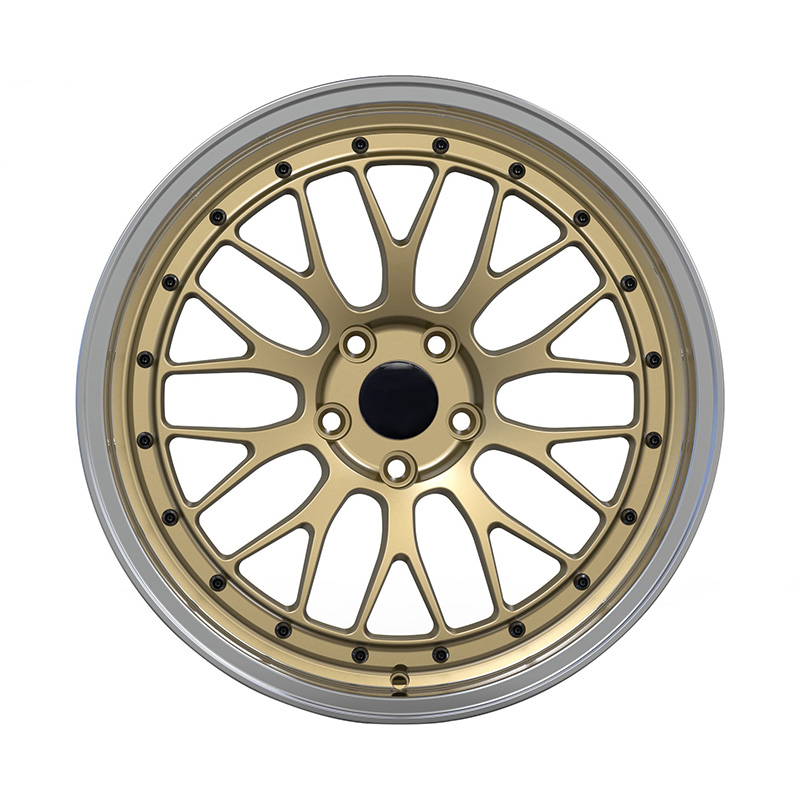


Zhenlun Multi Spokes Split Monoblock Forged Wheels Bronze With Silver Lip Edge
-
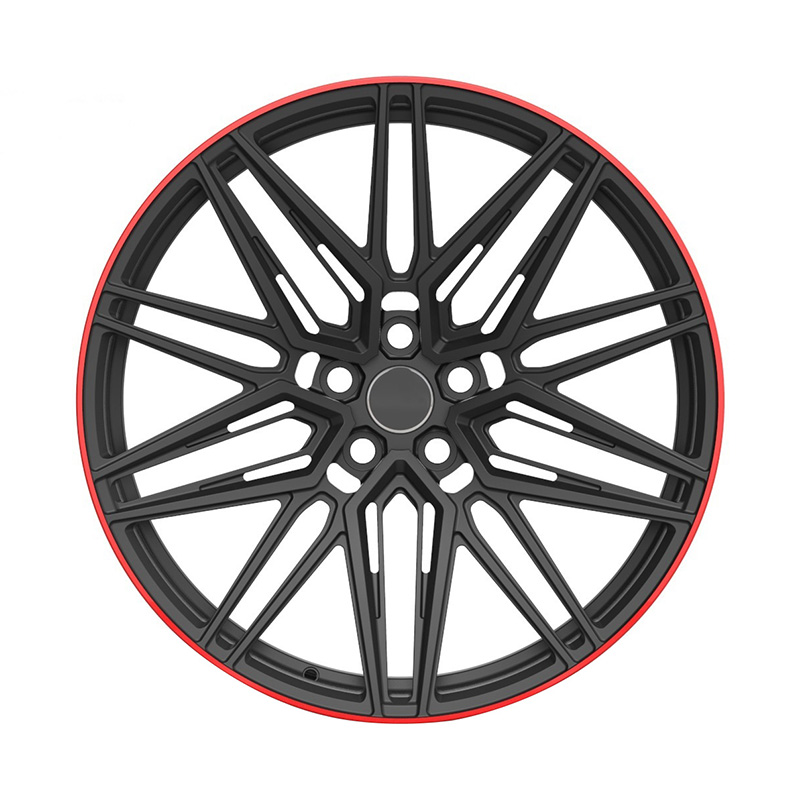
Zhenlun Matt Black With Red Lip Monoblock Forged Wheels
-
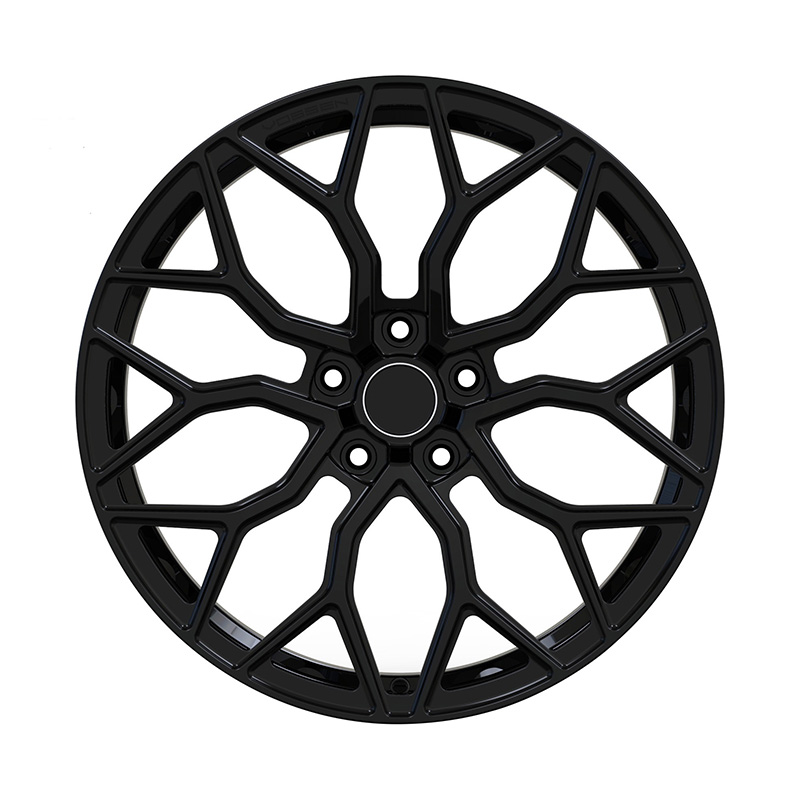
Zhenlun Gloss Black Monoblock Forged Wheels Gloss Black For Sports Car
-
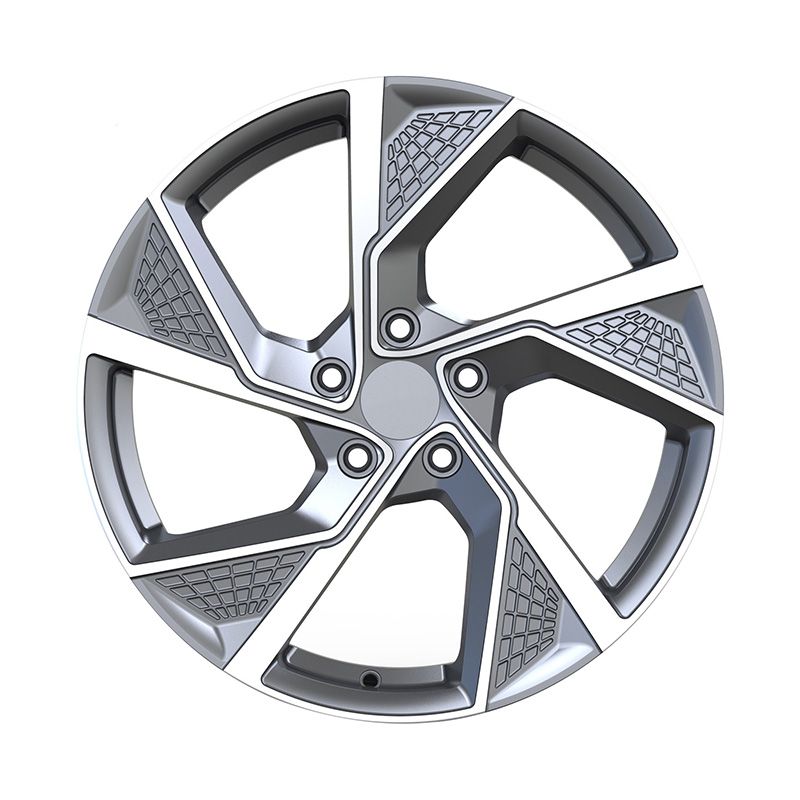
Zhenlun Monoblock Forged Wheels Lightgrey With Machined Face
-
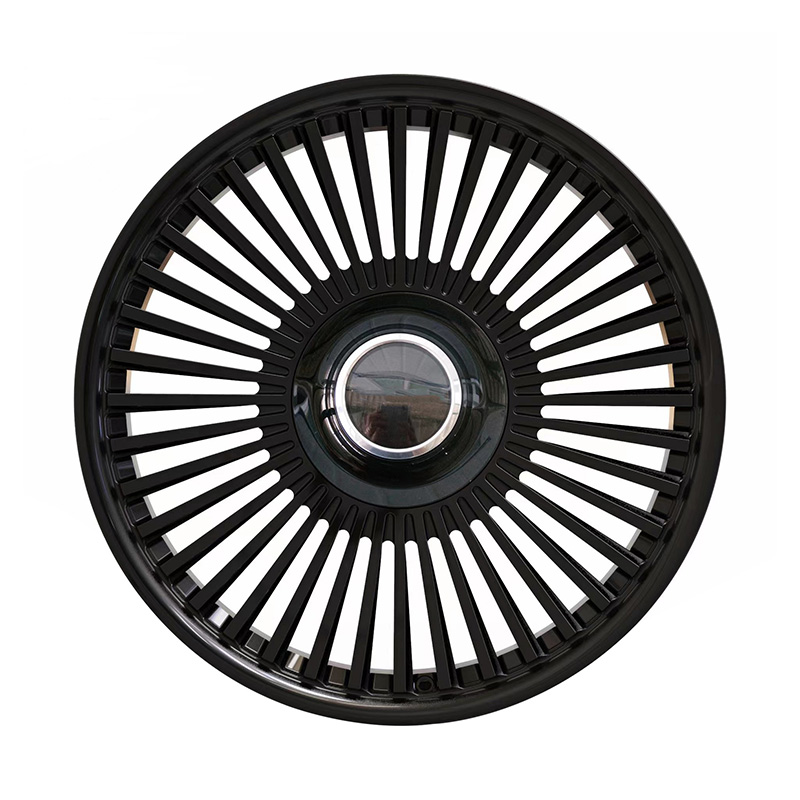
Zhenlun Monoblock Forged Wheels Gloss Black Dense Multi Spoke



Wechat QR code
IAN

JNZL

CONTACT Us
Mobile Site
Copyright© Taizhou Zhenlun Technology Co., Ltd. All Rights Reserved
