
 0
0

 English
 Español
Submit
Submit feedback
An Overview of Deep Concave Wheels in the Aftermarket
2026-04-10
These wheels are commonly used in custom vehicle builds, sports cars, and high-performance vehicles. Their design allows for a more aggressive stance and improved handling by reducing the overall weight and increasing the wheel's structural integrity.
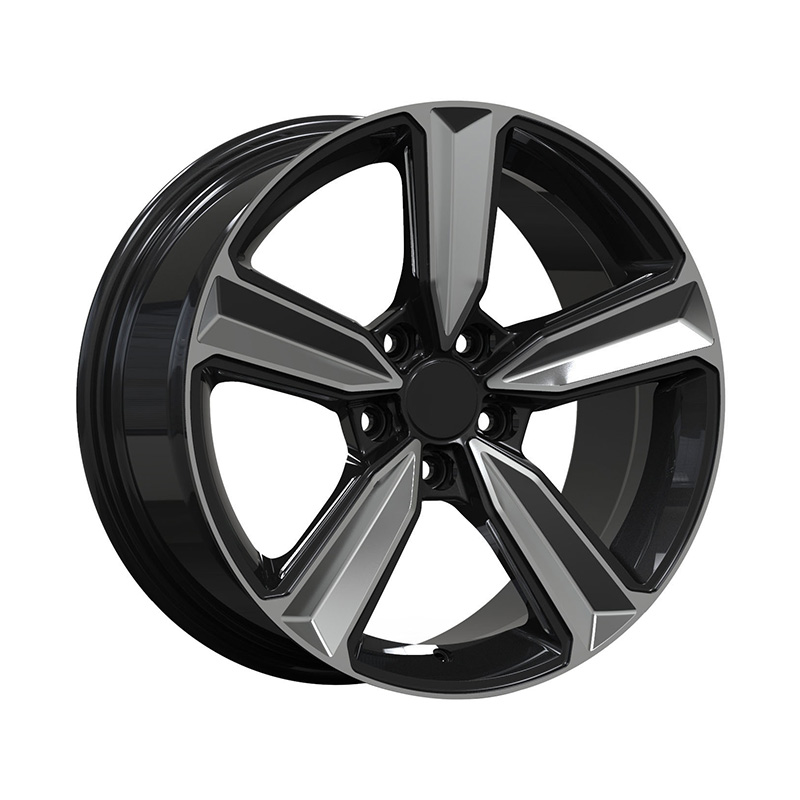
Types of Deep Concave Wheels Commonly Used in the Aftermarket
Deep concave wheels are characterized by their inward curve, which can vary depending on the design and purpose of the wheel. The amount of concavity can significantly influence both the appearance and functionality of the wheel. Below are the most commonly used types of deep concave wheels in the aftermarket:
3-Piece Wheels
These wheels are made up of three separate components: the barrel, the center, and the rim. The parts are bolted together, allowing for more customization in terms of design, size, and concavity. These wheels are particularly popular in the luxury and high-performance vehicle markets.
Monoblock Wheels
Monoblock wheels are made from a single piece of material, which reduces weight and enhances strength. They are commonly used in the sports car and racing industries. Deep concave monoblock wheels offer an aggressive look without sacrificing the structural integrity of the wheel.
Flow-Formed Wheels
Flow-forming is a manufacturing process that involves stretching the wheel's rim under high pressure to improve strength and reduce weight. Flow-formed deep concave wheels are known for their lightweight properties while still providing the necessary strength for performance-oriented applications.
Cast Aluminum Wheels
Cast wheels are the most common in the aftermarket and are often found in more budget-friendly options. Deep concave cast wheels provide an aesthetic appeal and are suitable for a variety of vehicle types, from sedans to sports cars.
How Cost-Effective Are Deep Concave Wheels?
When evaluating the cost-effectiveness of deep concave wheels, several factors need to be considered, including the cost of materials, manufacturing processes, and the benefits gained from mold design optimization and automated production techniques.
Mold Design Optimization
One of the primary factors that influences the cost of deep concave wheels is the mold design process. For deep concave wheels, manufacturers typically require custom molds that can accommodate the complex geometry of the wheel. Optimizing the mold design can lead to significant cost savings in production by reducing material waste and improving the overall efficiency of the manufacturing process. With a well-optimized mold, the number of steps required to produce a wheel is minimized, lowering labor costs and reducing the time needed to create the final product.
For example, advanced design software allows manufacturers to simulate the molding process, reducing trial-and-error adjustments during production. This improves accuracy and decreases the chances of defects, leading to fewer reworks and overall cost savings.
Automated Production
Automated production processes have become a key component of producing cost-effective deep concave wheels. Automation helps streamline the manufacturing process by reducing the need for manual labor and speeding up production times. Robots and automated machines can perform precise tasks such as wheel casting, painting, and finishing, all of which contribute to a reduction in labor costs and a more consistent final product.
Recent Technological Innovations in Deep Concave Wheels
Recent technological innovations have contributed to the improvement in both the performance and aesthetic qualities of deep concave wheels. These advancements have made deep concave wheels more appealing to car enthusiasts and have led to better quality and affordability.
Advanced Flow-Forming Technology
Flow-forming technology has been refined to create deeper concavities without compromising wheel strength. This innovation allows for the production of lightweight yet strong wheels that can withstand high performance and racing conditions. By using this technology, manufacturers can produce wheels with more aggressive concave profiles while maintaining structural integrity.
Improved Aluminum Alloys
Advances in the development of aluminum alloys have made it possible to produce deep concave wheels that are both lightweight and highly durable. These alloys offer better resistance to corrosion, stress, and impact, leading to longer-lasting wheels with better performance.
Computer-Aided Design (CAD) and Simulation
The use of CAD and simulation tools has become more sophisticated in wheel design. Manufacturers can now simulate the entire production process, from molding to finishing, which helps optimize the design for both aesthetics and performance. These tools allow manufacturers to create complex wheel shapes more efficiently, which is particularly important in deep concave wheel designs.
Customized Finishing Techniques
Advances in finishing techniques, including anodizing and powder coating, have allowed for more customization options in deep concave wheels. These finishes not only improve the appearance of the wheels but also increase their resistance to corrosion and wear.
recommend products
-
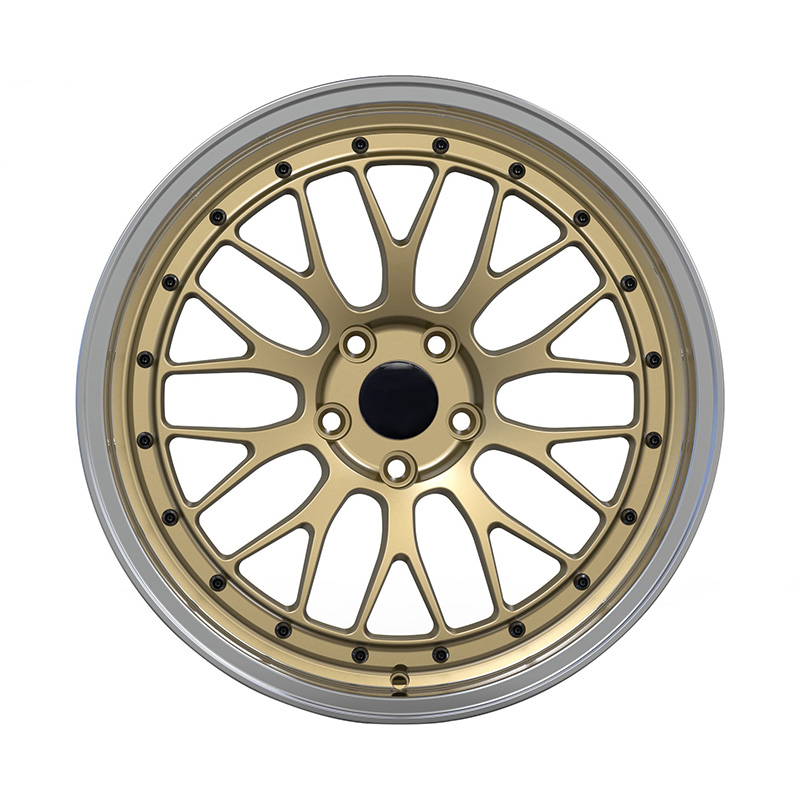


Zhenlun Multi Spokes Split Monoblock Forged Wheels Bronze With Silver Lip Edge
-
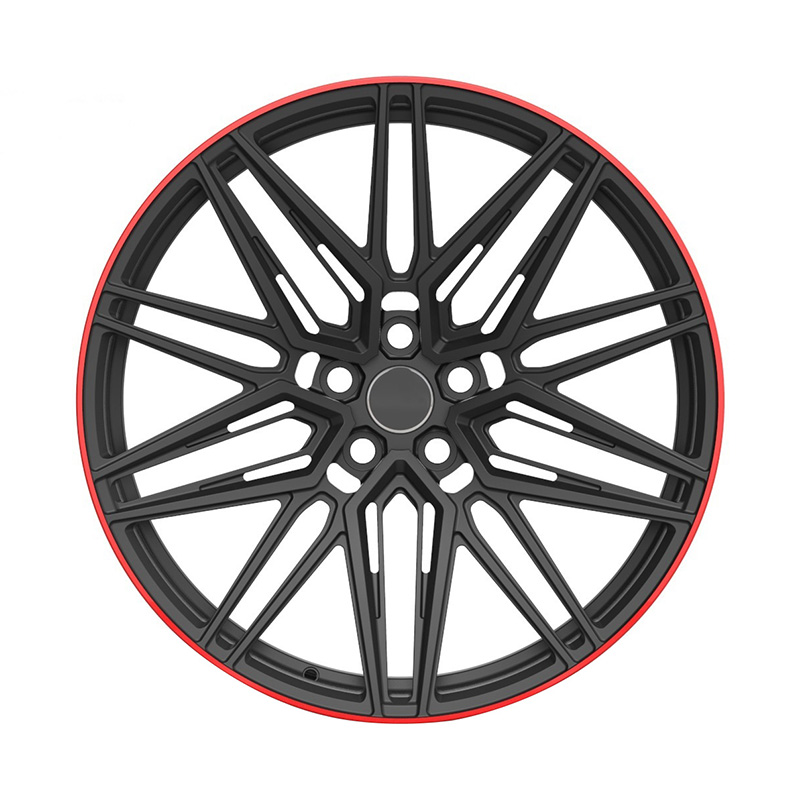
Zhenlun Matt Black With Red Lip Monoblock Forged Wheels
-
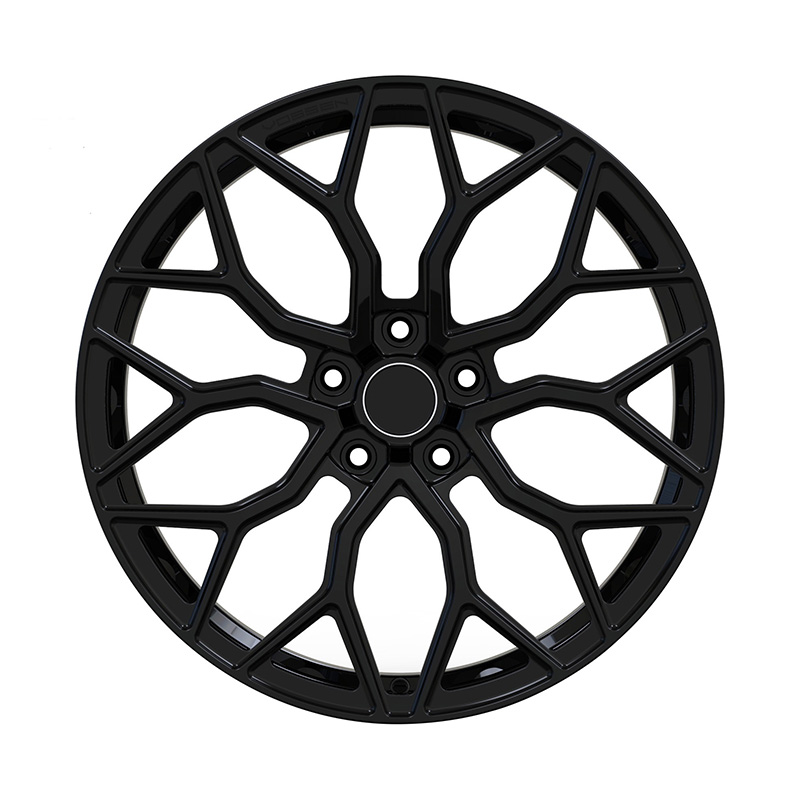
Zhenlun Gloss Black Monoblock Forged Wheels Gloss Black For Sports Car
-
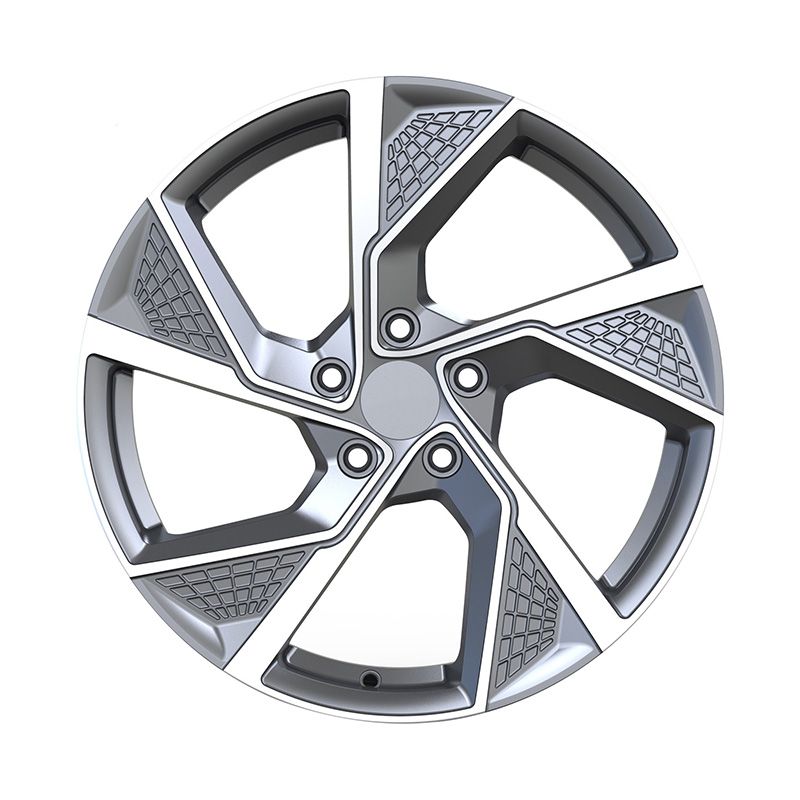
Zhenlun Monoblock Forged Wheels Lightgrey With Machined Face
-
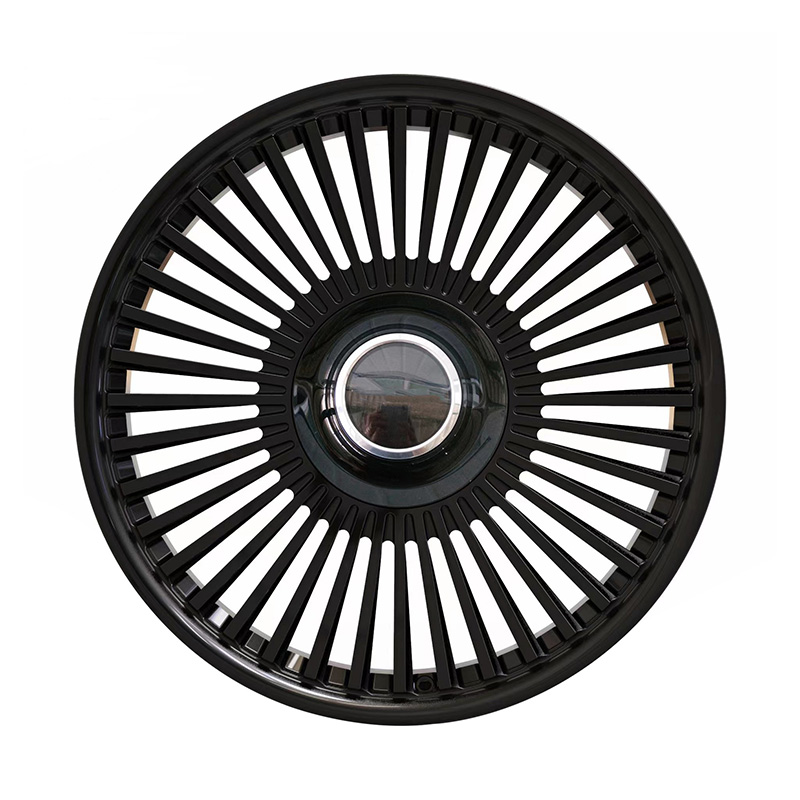
Zhenlun Monoblock Forged Wheels Gloss Black Dense Multi Spoke



Wechat QR code
IAN

JNZL

CONTACT Us
Mobile Site
Copyright© Taizhou Zhenlun Technology Co., Ltd. All Rights Reserved
