
 0
0

 English
 Español
Submit
Submit feedback
Why Choose Custom Forged Wheels and Their Customization Options
2026-04-03
Advantages of Custom Forged Wheels
Forged wheels are manufactured through a process that reshapes solid metal billets under extreme pressure. This process aligns the grain structure of the metal, increasing its strength compared with cast or pressed wheels. The resulting wheel is able to withstand higher loads and impacts, making it suitable for both high-performance driving and off-road applications.
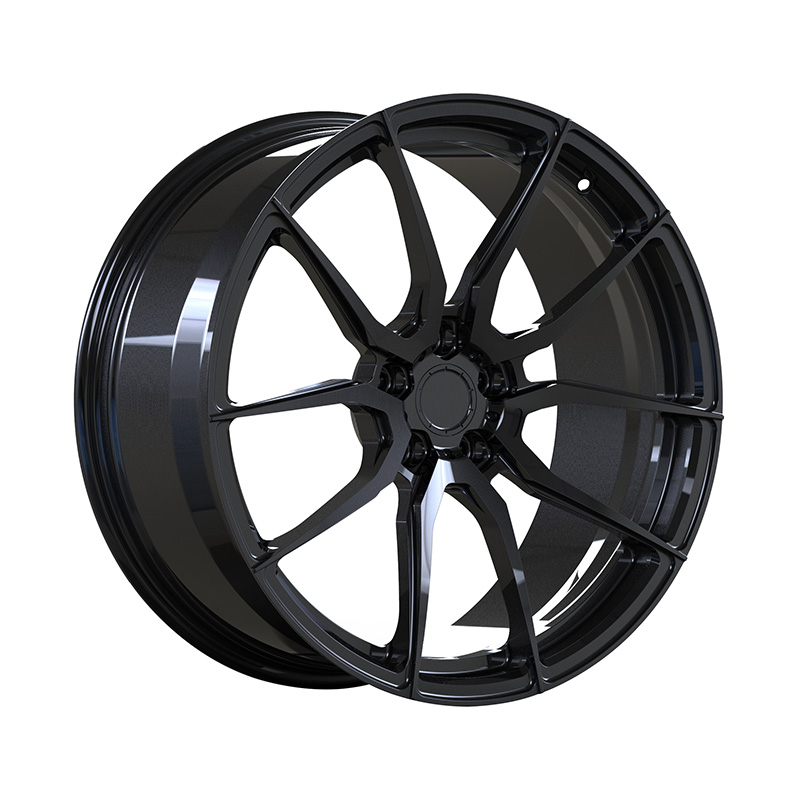
Reduced weight improves vehicle handling, braking performance, and acceleration, while also lowering unsprung mass, which benefits suspension response and ride quality.
Custom forged wheels also allow for precise engineering. Manufacturers can design wheels to match specific vehicle dimensions, bolt patterns, and offset requirements. This ensures proper fitment, tire compatibility, and optimal performance characteristics. Additionally, forged wheels can handle high-performance tires that may generate extra stress under extreme driving conditions.
Durability is another consideration. Forged wheels are less prone to cracking or bending under impact than cast wheels, making them a preferred choice for drivers who regularly encounter challenging road conditions. Regular inspection and maintenance of forged wheels can further extend their lifespan.
Common Customization Options for Forged Wheels
Size
Diameter: Forged wheels can be manufactured in a wide range of diameters to suit different vehicles, from compact cars to large SUVs and trucks. Larger diameters may be chosen for visual appeal or to accommodate low-profile performance tires.
Width: Wheel width is also customizable to optimize handling, tire contact patch, and fitment. Wider wheels improve traction and cornering stability, while narrower wheels may be more appropriate for lighter vehicles or specific off-road applications.
Design
Spoke Styles: Customers can choose from various spoke configurations, including multi-spoke, split-spoke, mesh, or concave designs. The choice of spoke design can affect wheel strength, weight distribution, and visual appearance.
Rim Styles: Rim depth, lip size, and contour can be adjusted to suit performance requirements or aesthetic preferences. Deep-dish designs, for instance, may be favored for show vehicles or classic car restorations.
Overall Design: Forged wheels can be fully customized in terms of hub shape, spoke curvature, and overall geometry to match the vehicle's intended use and personal style preferences.
Surface Finishes
Painting: Forged wheels can be painted in a wide array of colors to match vehicle bodywork or create a contrasting accent.
Polishing: Polished surfaces enhance reflective properties and provide a high-end appearance.
Protective Coatings: Clear coats, powder coatings, or anodized finishes help protect the wheel from corrosion, road debris, and environmental exposure while maintaining aesthetic appeal.
Other surface options include custom two-tone finishes, machined faces, or combination finishes that blend polished and painted areas for unique visual effects.
Considerations When Choosing Custom Forged Wheels
Selecting custom forged wheels involves evaluating both performance and visual objectives. Vehicle type, intended use, and tire selection are critical factors. For high-speed driving or racing, lightweight forged wheels with optimized spoke design and width are ideal. For off-road use, forged wheels with reinforced construction and protective finishes are preferred. Aesthetics, including size, spoke pattern, and finish, should also align with personal preferences and the vehicle's overall appearance.
Additionally, installation and alignment must be performed carefully to ensure proper function. Proper bolt torque, wheel balancing, and tire mounting are necessary to maximize performance and longevity.
recommend products
-
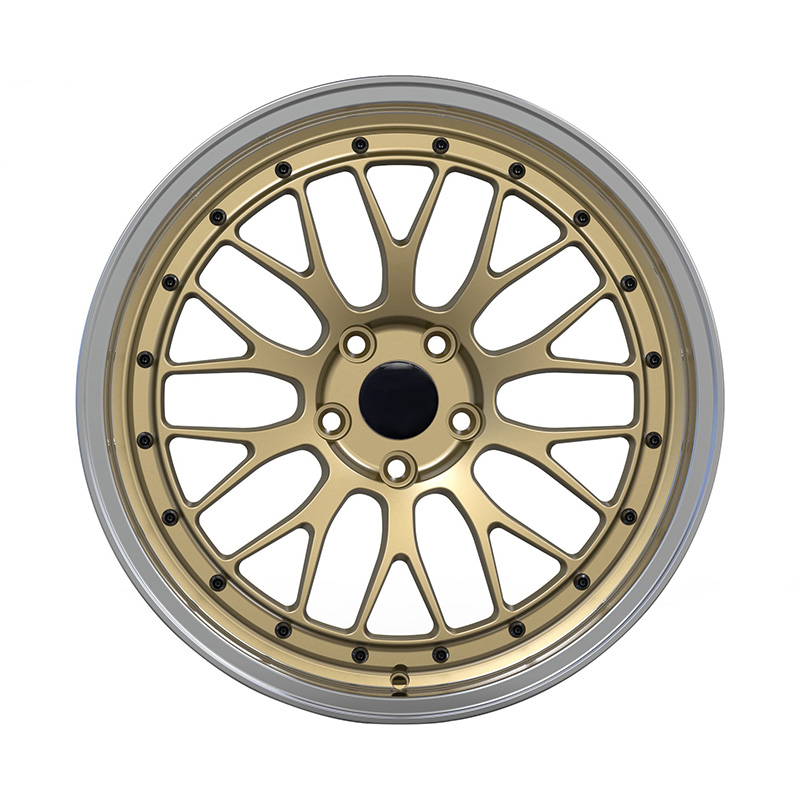


Zhenlun Multi Spokes Split Monoblock Forged Wheels Bronze With Silver Lip Edge
-
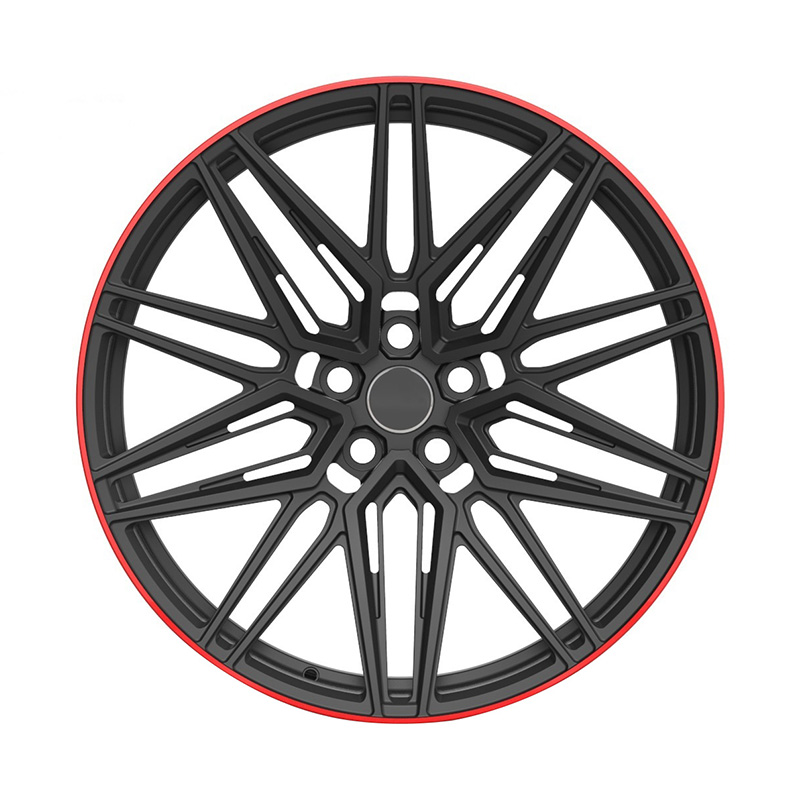
Zhenlun Matt Black With Red Lip Monoblock Forged Wheels
-
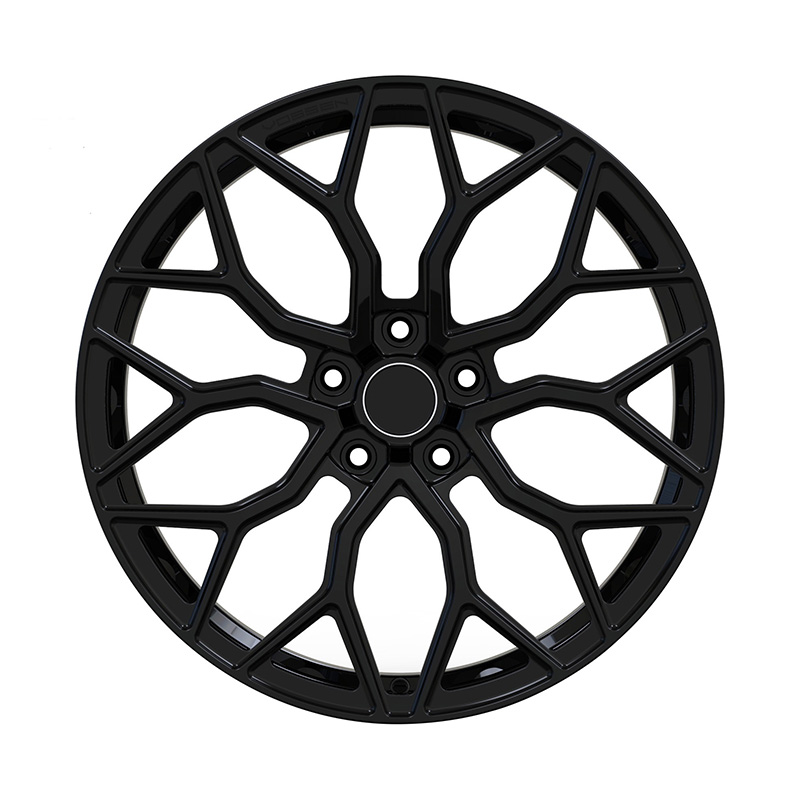
Zhenlun Gloss Black Monoblock Forged Wheels Gloss Black For Sports Car
-
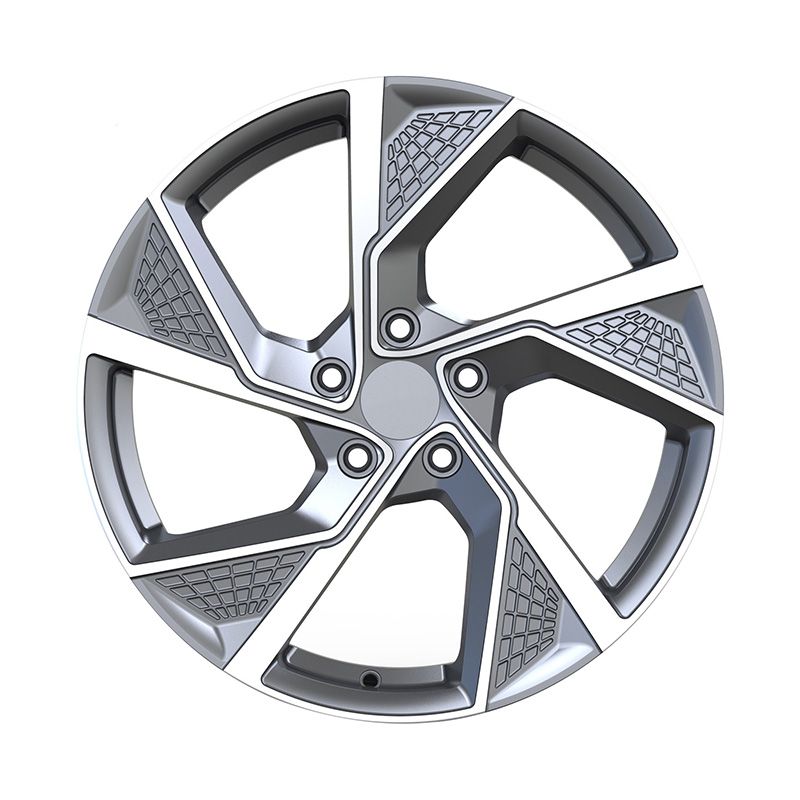
Zhenlun Monoblock Forged Wheels Lightgrey With Machined Face
-
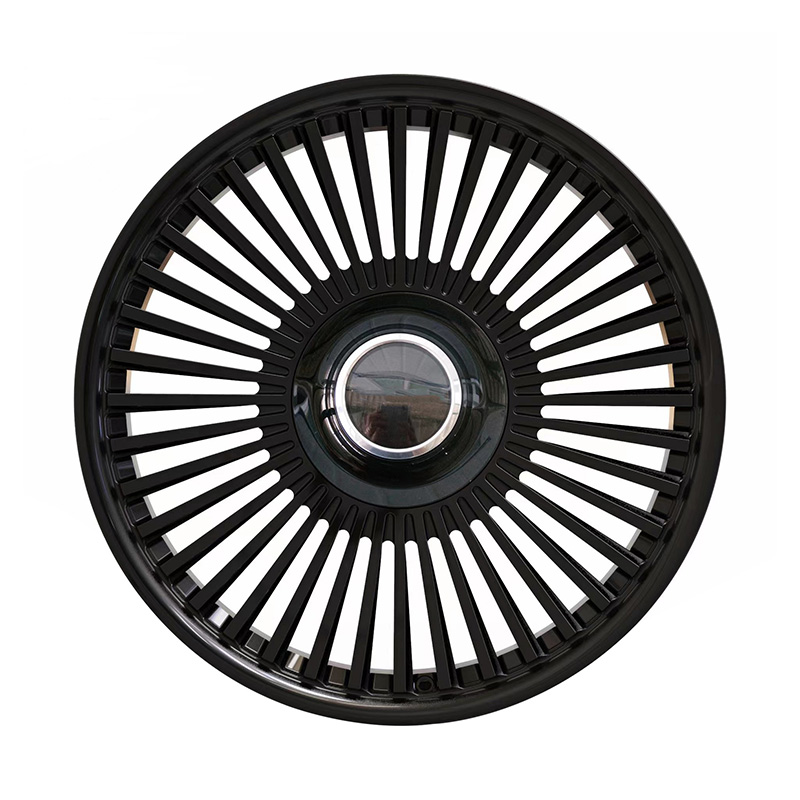
Zhenlun Monoblock Forged Wheels Gloss Black Dense Multi Spoke



Wechat QR code
IAN

JNZL

CONTACT Us
Mobile Site
Copyright© Taizhou Zhenlun Technology Co., Ltd. All Rights Reserved
