
 0
0

 English
 Español
Submit
Submit feedback
The Forged Choice: About Aluminum Alloy Forged Wheels
2026-03-25
1. Why are forged wheels significantly more expensive than cast wheels?
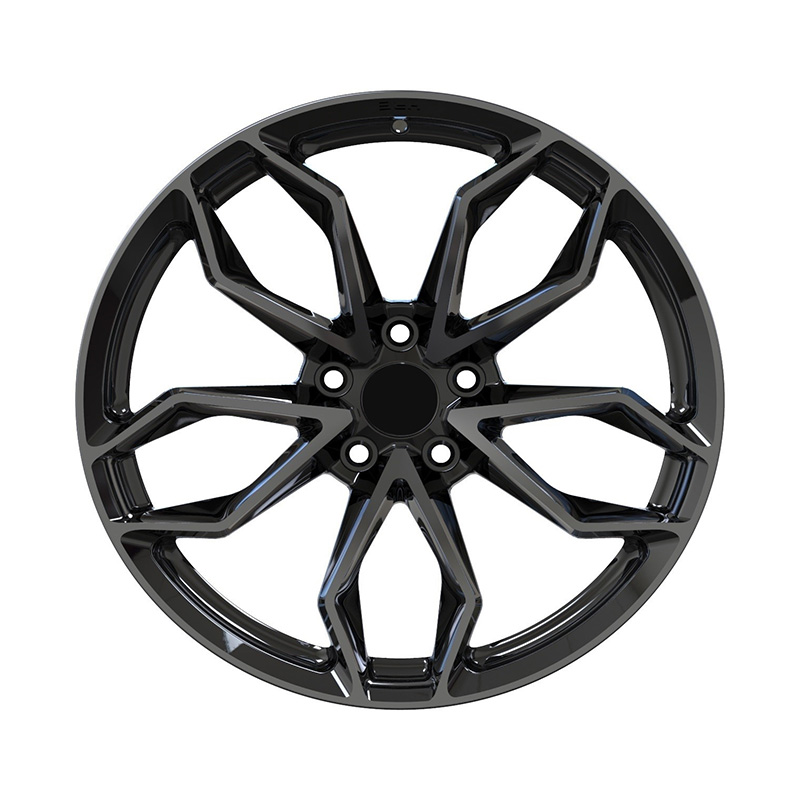
The cost difference between forged and cast wheels is substantial, and it is directly attributable to the differences in manufacturing processes, materials, and the time involved in production.
- Manufacturing Process and Tooling: Cast wheels are produced by melting aluminum and pouring it into a mold. The molds themselves are relatively inexpensive, and once set up, the process can produce a wheel very quickly. Forging, on the other hand, begins with a solid piece of aluminum alloy called a billet. This billet is heated and then subjected to immense pressure—thousands of tons of force—in a forging press to shape it into a rough wheel form. The forging dies are extremely expensive to produce and have a limited lifespan. After forging, the wheel undergoes extensive CNC machining to achieve its final design, precise bolt pattern, and proper offset. This machining process removes a significant amount of material and can take hours per wheel, adding considerable labor and machine time costs.
- Material Scrap and Yield: The casting process generates some scrap, but the net shape is closer to the final product. The forging and machining process starts with a heavy billet and machines away everything that is not part of the final wheel. This results in a significant amount of material being removed as scrap swarf. While the scrap aluminum is recycled, the cost of the original billet and the energy used to machine it away is still incurred.
- Research and Development: Forged wheels are often engineered for specific performance targets, such as maximum strength with minimum weight. This engineering effort, including finite element analysis and physical testing, adds to the overall cost, particularly for reputable brands that certify their wheels for safety and performance standards.
2. Do forged wheels improve the performance of a vehicle, or are they purely aesthetic?
While forged wheels are often chosen for their visual appeal, they do offer measurable performance advantages over cast wheels of similar design. These benefits stem from the fundamental properties of the material and the manufacturing process.
- Weight Reduction and Unsprung Mass: The primary performance benefit of forged wheels is their potential for significant weight reduction. Because the forged aluminum is stronger and more durable than cast aluminum, less material can be used to achieve the same load-bearing capacity. A forged wheel is typically lighter than a cast wheel of the same size and strength. This reduction in unsprung weight—the mass of components not supported by the suspension—has a direct effect on handling. Lighter wheels allow the suspension to react more quickly to road irregularities, keeping the tire in better contact with the pavement. This can result in improved grip and a more responsive feel.
- Reduced Rotational Inertia: A lighter wheel also reduces rotational inertia. Less energy is required to spin the wheel up to speed, which can result in slightly quicker acceleration. Similarly, less energy is needed to slow the rotation, which can improve braking response. This effect is most noticeable during rapid changes in speed, such as in spirited driving or on a race track.
- Strength and Impact Resistance: The forging process aligns the grain structure of the metal, creating a wheel that is denser and more resistant to fatigue and impact. A forged wheel subjected to a severe pothole or curb impact is more likely to resist bending or cracking than a cast wheel under the same conditions. This strength provides an added margin of safety, particularly for vehicles driven aggressively or on rough roads.
- Aesthetic and Design Freedom: The extensive CNC machining used in forged wheel production allows for complex spoke designs, deep lip profiles, and intricate details that are difficult or impossible to achieve with casting alone. This allows for a high degree of customization and a unique look that is often a primary motivation for the purchase.
3. Are forged wheels suitable for daily driving on regular roads, or are they only for track use?
There is a common misconception that forged wheels are delicate, high-strung components only suitable for smooth race tracks. In reality, forged wheels are entirely suitable for daily driving, and for many users, they offer advantages over cast wheels in this context.
- Durability in Real-World Conditions: As noted, the forging process produces a wheel with high strength and resistance to deformation. This makes them well-suited to the hazards of everyday driving, including potholes, railroad tracks, and rough pavement. A quality forged wheel from a reputable manufacturer is designed to withstand the demands of public roads.
- Ride Comfort Considerations: The ride comfort of any wheel and tire combination is primarily determined by the tire sidewall height. A forged wheel with a very large diameter and an extremely low-profile tire will ride more firmly, regardless of whether it is forged or cast. However, for a given size and tire profile, the forged wheel's lower weight does not negatively impact ride quality. In some cases, the reduced unsprung mass can actually allow the suspension to work more effectively, potentially improving the absorption of small bumps.
- Maintenance for Daily Use: Forged wheels require the same basic maintenance as any other high-quality wheel. Regular cleaning to remove brake dust and road grime is recommended to protect the finish, whether it is painted, clear-coated, or polished. Clear-coated forged wheels are generally as easy to maintain as any other wheel. Polished bare aluminum wheels require more frequent care, including polishing to prevent oxidation, but this is a function of the finish, not the forging process itself.
- Suitability for Different Climates: Forged aluminum wheels are generally corrosion-resistant, but they are not immune to the effects of road salt and harsh winter conditions. Many owners who drive their vehicles year-round in snowy climates choose to use their forged wheels only in warmer months, switching to a separate set of wheels with winter tires. However, if properly maintained and protected with a suitable sealant or coating, forged wheels can be used year-round.
4. How do I choose the right size and offset for forged wheels on my car?
Selecting the correct size and offset is critical for ensuring proper fitment, safety, and achieving the desired look. This process involves understanding the vehicle's specifications and how changes in wheel geometry affect clearance and handling.
- Diameter and Width: The diameter (e.g., 18-inch, 19-inch, 20-inch) and width (e.g., 8.5 inches, 9.5 inches) are the primary size specifications. A larger diameter allows for larger brake calipers and a lower-profile tire, which can improve steering response. A wider wheel allows for a wider tire, increasing the contact patch and potential grip. However, increasing these dimensions too much can lead to clearance issues with the fenders or suspension components.
- Offset: Offset is the distance from the wheel's mounting surface to its centerline, measured in millimeters. It determines how far the wheel tucks in toward the suspension or sticks out toward the fender. A positive offset means the mounting surface is toward the front (street side) of the wheel, pushing the wheel inward. A negative offset means the mounting surface is toward the back of the wheel, pushing the wheel outward. Choosing the correct offset is essential to prevent the tire from rubbing on the inside against the strut or on the outside against the fender edge.
- Bolt Pattern and Center Bore: The bolt pattern (e.g., 5x114.3) must match the vehicle's hubs exactly. The center bore is the diameter of the hole in the center of the wheel that fits over the vehicle's hub. Ideally, the wheel should be hub-centric, meaning it fits snugly on the hub to center it. If the wheel's center bore is larger than the hub, hub-centric rings are required to take up the space.
- Research and Fitment Guides: The most reliable approach to choosing the right size is to research what others have successfully fitted to the same vehicle model. Online forums, fitment galleries, and guidance from knowledgeable wheel sellers are invaluable resources. Many reputable forged wheel manufacturers offer custom sizing, allowing the wheel to be built to the exact specifications required for a particular vehicle and desired tire size, ensuring optimal fitment and performance.
recommend products
-
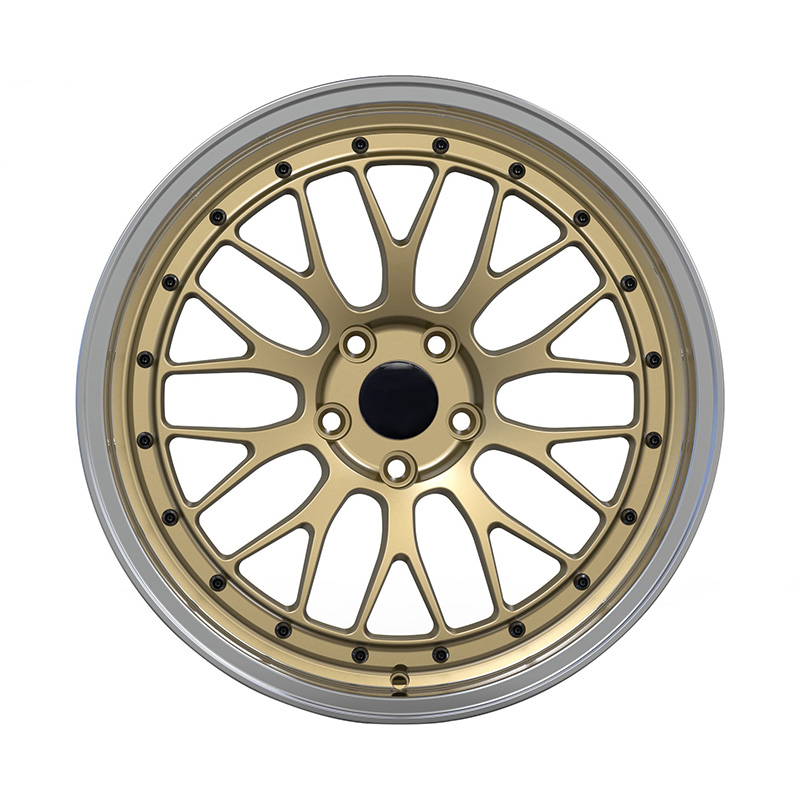


Zhenlun Multi Spokes Split Monoblock Forged Wheels Bronze With Silver Lip Edge
-
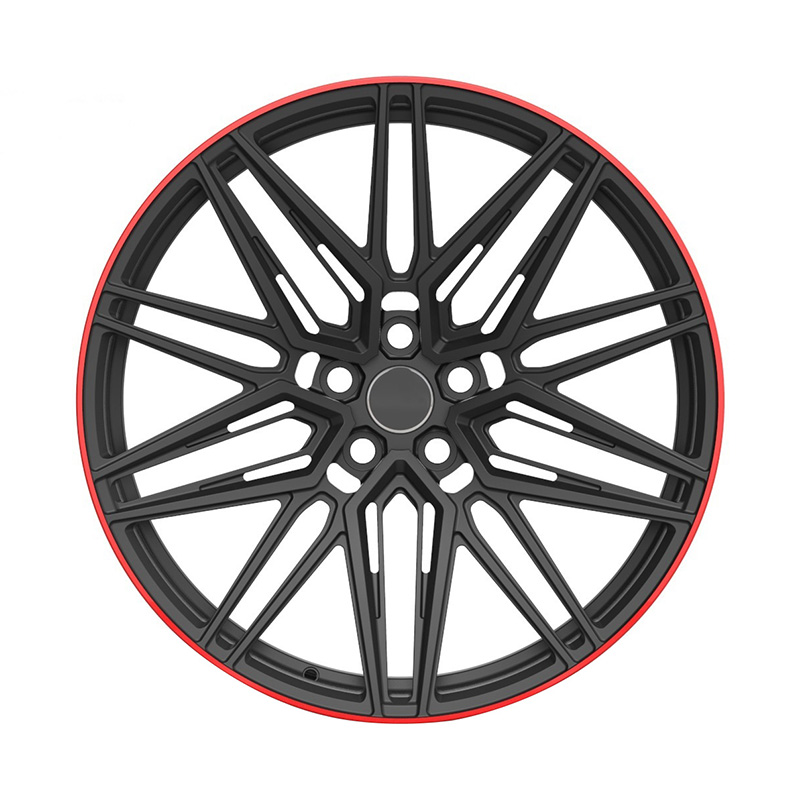
Zhenlun Matt Black With Red Lip Monoblock Forged Wheels
-
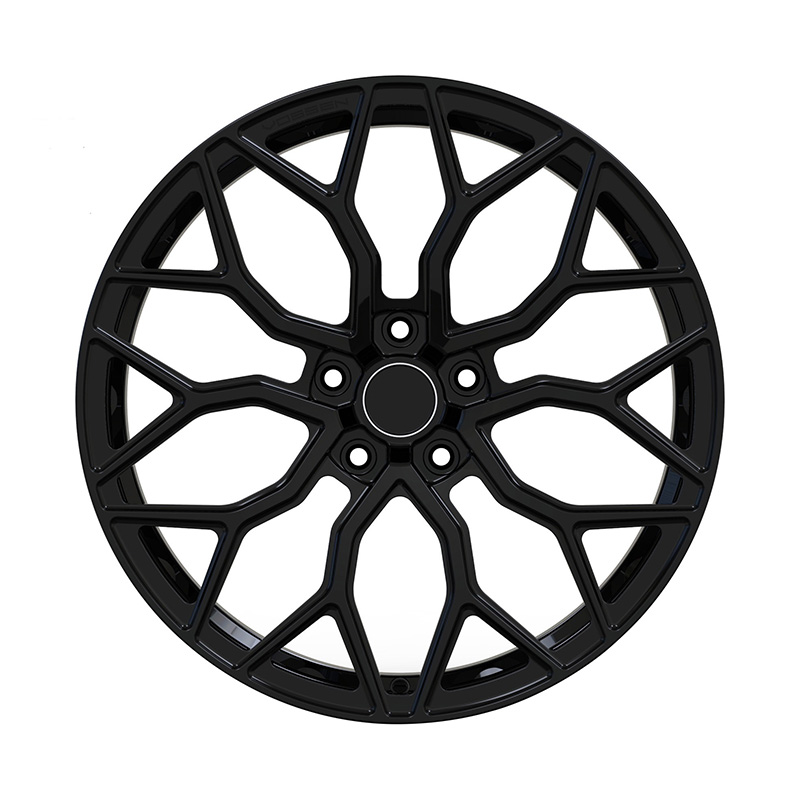
Zhenlun Gloss Black Monoblock Forged Wheels Gloss Black For Sports Car
-
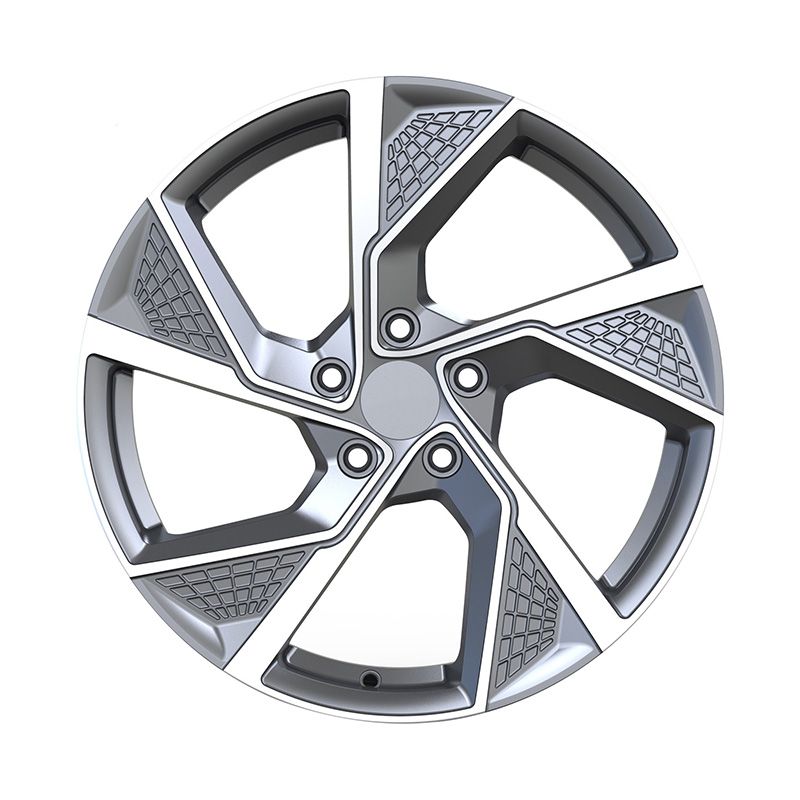
Zhenlun Monoblock Forged Wheels Lightgrey With Machined Face
-
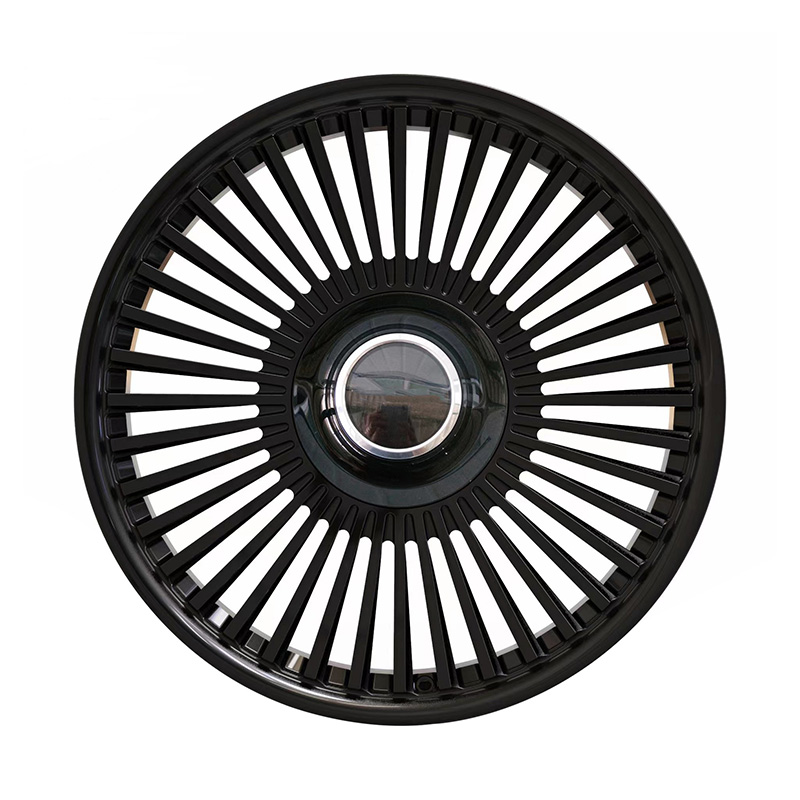
Zhenlun Monoblock Forged Wheels Gloss Black Dense Multi Spoke



Wechat QR code
IAN

JNZL

CONTACT Us
Mobile Site
Copyright© Taizhou Zhenlun Technology Co., Ltd. All Rights Reserved
