
 0
0

 English
 Español
Submit
Submit feedback
The Forged Advantage: Understanding Wheel Upgrades in Vehicle Modification
2026-03-20
Material Quality and Strength
The superiority of forged wheels in terms of material properties is directly attributable to the manufacturing process. Forging does not simply shape metal; it transforms its internal grain structure in a way that enhances its mechanical capabilities.
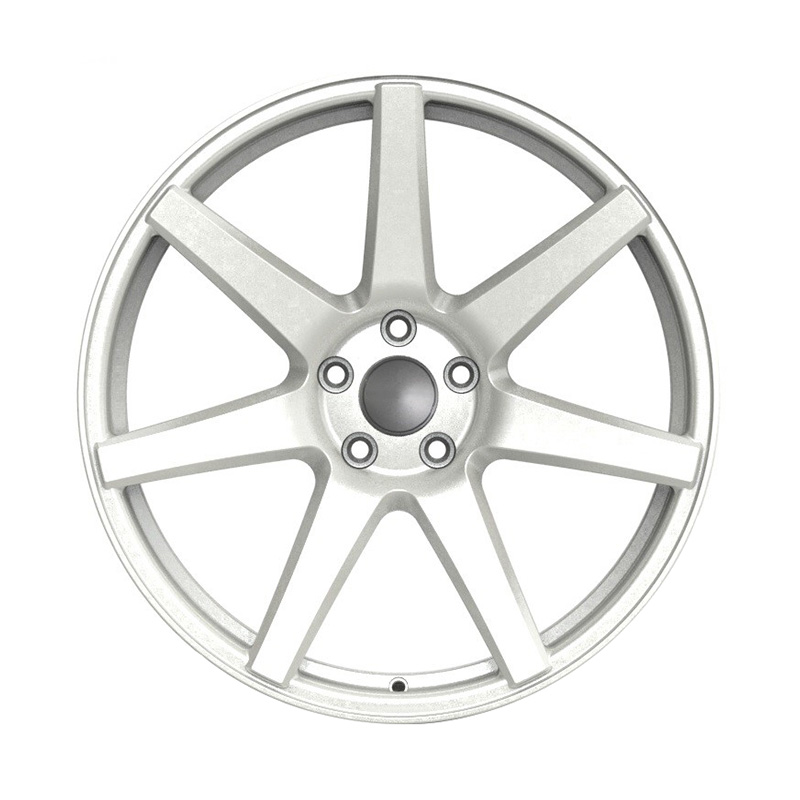
The Metallurgical Difference Between Forged and Cast Wheels
When a wheel is cast, molten metal is poured into a mold and allowed to cool and solidify. As it cools, the metal forms a grain structure that is random and can include microscopic porosity—tiny pockets of trapped gas or areas of shrinkage. These irregularities can act as stress concentrators, points from which cracks may initiate under load. The casting process can also result in a less uniform distribution of alloying elements throughout the material.
The forging process begins with a solid, wrought piece of aluminum alloy. This billet is heated and then subjected to enormous compressive force from a press or hammer. This force deforms the metal, causing the internal grain structure to flow and realign to follow the contour of the wheel. This grain flow is similar to the way wood grain follows the shape of a tree branch. The result is a wheel with a continuous, unbroken grain structure that follows the lines of stress the wheel will encounter during use. Furthermore, the high pressure eliminates any internal porosity, creating a fully dense material. This forged structure is inherently stronger and more fatigue-resistant than a cast structure of the same alloy.
Weight Reduction and Resistance to Deformation
The enhanced strength of a forged wheel provides a significant design advantage: less material can be used to achieve the same, or greater, load-bearing capacity. Because the forged material is stronger, engineers can design wheels with thinner spokes and thinner rim sections while still meeting or exceeding safety standards. This directly translates to a reduction in weight. A forged wheel of a given size and load rating is typically lighter than its cast equivalent.
This weight reduction has practical performance implications. Unsprung weight—the mass of components not supported by the suspension, such as wheels, tires, and brakes—has a pronounced effect on a vehicle's handling. Reducing unsprung weight allows the suspension to respond more quickly to road irregularities, improving tire contact with the pavement. Lighter wheels also require less energy to accelerate and decelerate, which can slightly improve both acceleration and braking response. The resistance to deformation is also enhanced by the forging process. The refined grain structure and lack of porosity mean the wheel material can withstand higher impacts without bending or cracking. A forged wheel subjected to a severe pothole impact is more likely to resist deformation than a cast wheel, which might bend or crack under the same force.
Wheel Size and Fit Considerations
Selecting the correct size and ensuring proper fitment are critical steps in any wheel upgrade. The physical dimensions of the wheel affect not only the vehicle's appearance but also its ride quality, handling, and safety. The following table outlines common wheel size upgrades and their typical effects on vehicle characteristics.
|
Aspect |
Standard/OEM Size Upgrade |
Aggressive Size Upgrade (Larger Diameter/Wider) |
|
Ride Comfort |
Generally similar to OEM if overall tire diameter is maintained. Sidewall height is reduced slightly, but comfort remains acceptable for daily driving. |
Decreases noticeably. Larger wheels require lower-profile tires with shorter sidewalls, which transmit more road imperfections to the suspension and cabin. |
|
Handling and Cornering |
Improves. Wider tires provide a larger contact patch, increasing grip. Stiffer sidewalls reduce sidewall flex during cornering, improving response. |
Improves significantly in dry conditions, up to a point. Very wide, low-profile tires can make the steering feel heavier and may be more susceptible to tramlining (following grooves in the road). |
|
Acceleration and Braking |
Minimal change, though lighter forged wheels can offer a slight improvement in acceleration and braking response due to reduced rotational mass. |
Can be negatively affected if the wheel and tire assembly is significantly heavier than stock. Larger diameter also affects effective gearing slightly. |
|
Gap Issues (Fender to Tire) |
Properly chosen offsets and tire sizes maintain factory clearance. No gap issues if specifications are followed. |
Risk of tire rubbing against fender liners, suspension components, or the fender edge, especially during turns or compression. Fender rolling or pulling may be required. |
|
Speedometer Accuracy |
Remains accurate if the overall tire diameter is kept within 1-2% of the original specification. |
Becomes inaccurate if overall tire diameter changes significantly. The speedometer will read either too high or too low. |
The Importance of Proper Fit for Safety and Function
Beyond the performance characteristics listed above, proper fitment is a non-negotiable safety requirement. A wheel that does not fit correctly can lead to serious issues. The offset of the wheel—the distance from its mounting surface to its centerline—determines how far the wheel sits inward or outward. An incorrect offset can place undue stress on wheel bearings and suspension components. It can also cause the tire to contact the brake caliper, strut housing, or fender, leading to component damage or sudden tire failure.
The bolt pattern, which is the number of lug nuts and the diameter of the circle they form, must match the vehicle's hub exactly. Using a wheel with an incorrect bolt pattern, even with adapters, introduces a potential failure point. The center bore of the wheel, the hole that fits over the vehicle's hub, should ideally be hub-centric, meaning it fits snugly around the hub to center the wheel correctly. Wheels with a larger center bore require centering rings to take up the space; without them, the wheel is centered only by the lug nuts, which can lead to vibration and uneven loading.
The load rating of the wheel must be sufficient for the vehicle's weight. Forged wheels are typically load-rated for demanding applications, but it is still essential to verify that the specific wheel model is rated for the gross vehicle weight rating (GVWR) of the vehicle, particularly for trucks and SUVs used for towing or carrying heavy loads. Ignoring these fitment parameters in pursuit of a particular aesthetic can compromise the vehicle's safety and the longevity of its components. A properly executed forged wheel upgrade, however, combines the material advantages of strength and lightness with correct sizing to enhance both the appearance and the dynamic capabilities of the vehicle.
recommend products
-
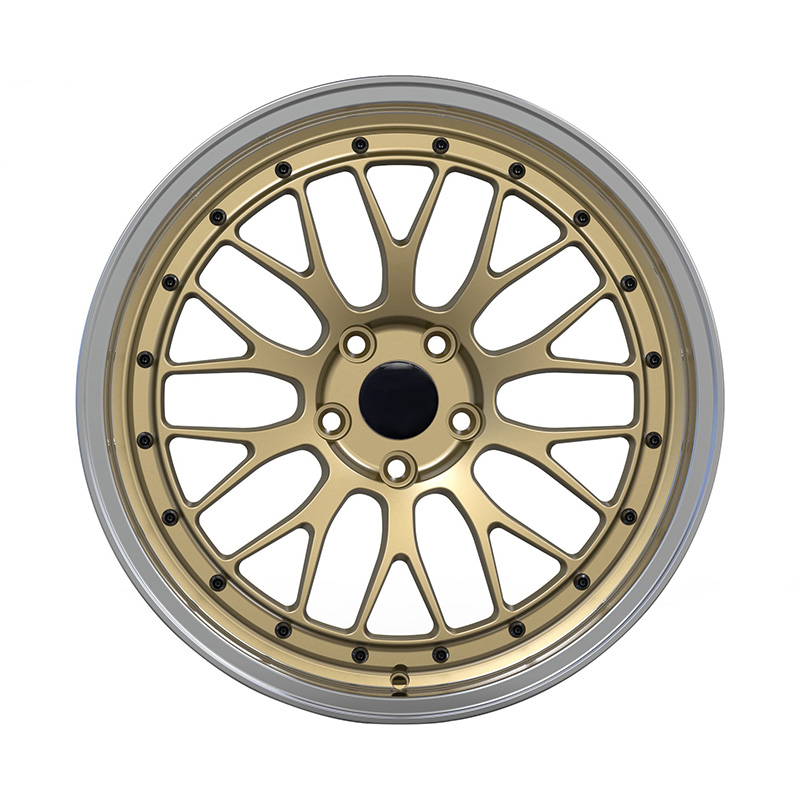


Zhenlun Multi Spokes Split Monoblock Forged Wheels Bronze With Silver Lip Edge
-
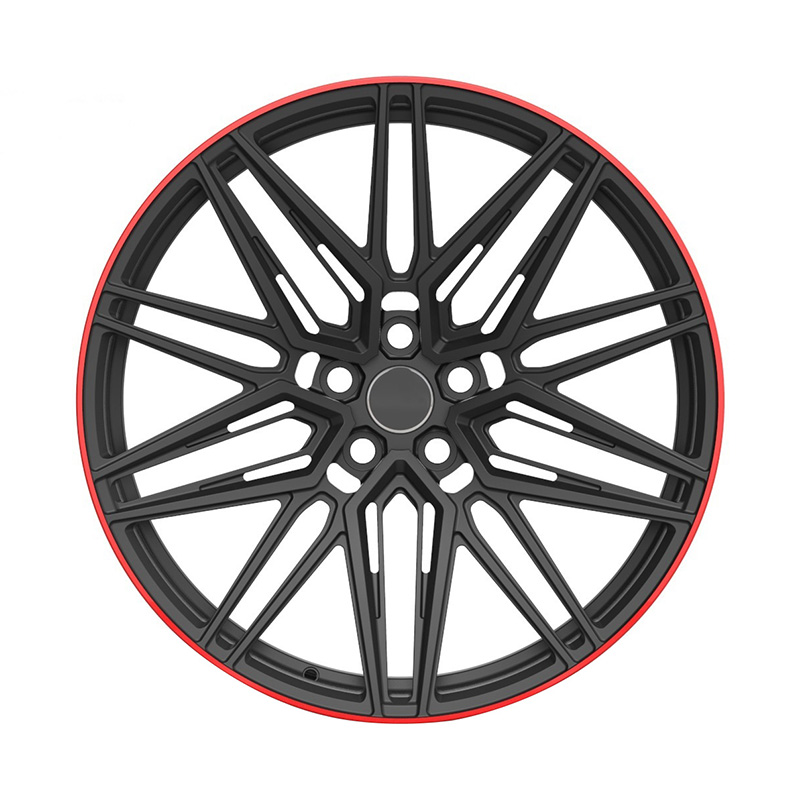
Zhenlun Matt Black With Red Lip Monoblock Forged Wheels
-
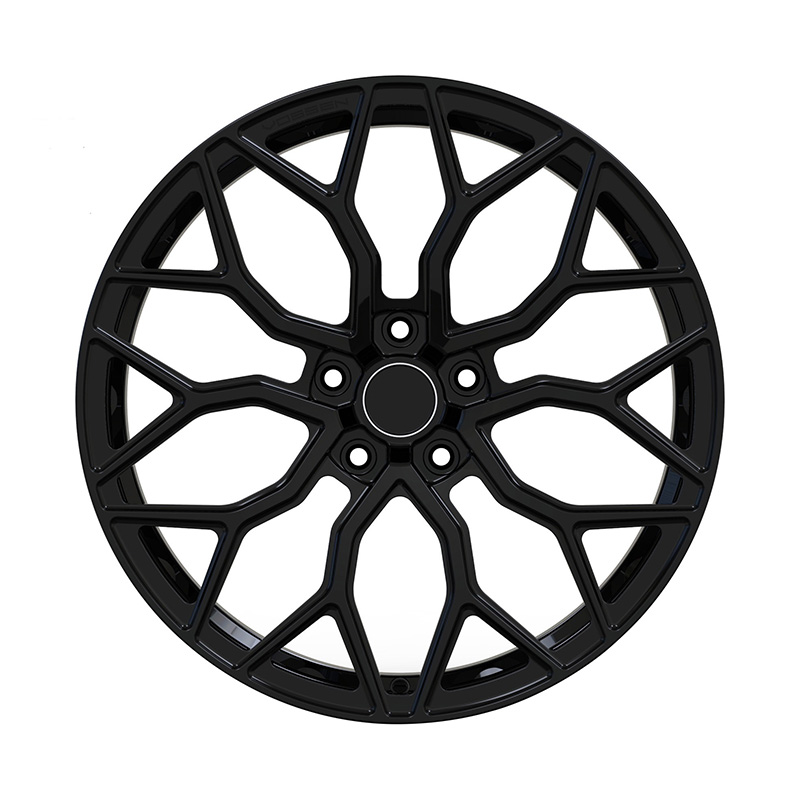
Zhenlun Gloss Black Monoblock Forged Wheels Gloss Black For Sports Car
-
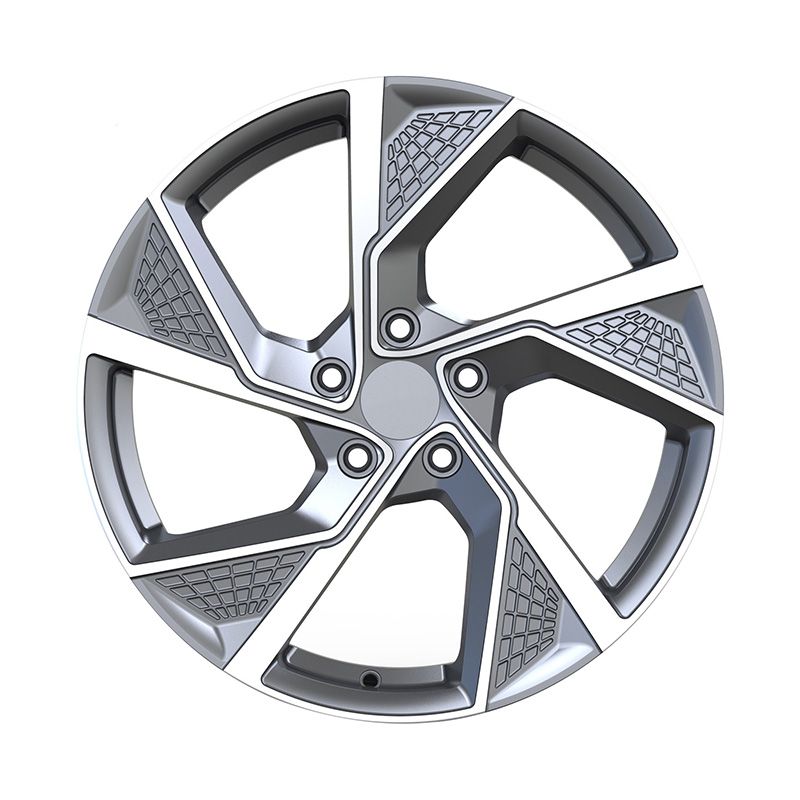
Zhenlun Monoblock Forged Wheels Lightgrey With Machined Face
-
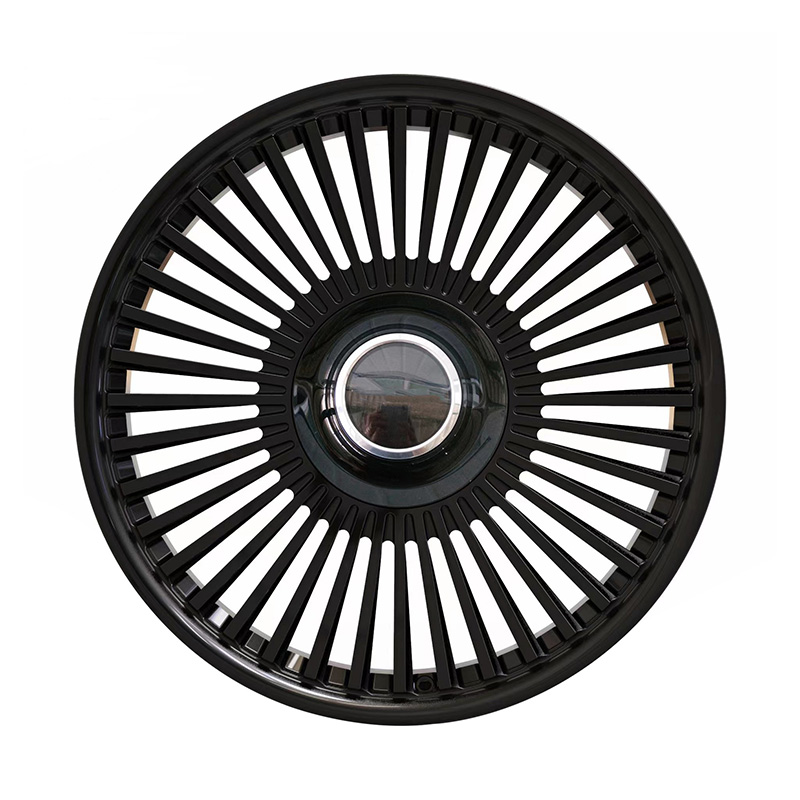
Zhenlun Monoblock Forged Wheels Gloss Black Dense Multi Spoke



Wechat QR code
IAN

JNZL

CONTACT Us
Mobile Site
Copyright© Taizhou Zhenlun Technology Co., Ltd. All Rights Reserved
