
 0
0

 English
 Español
Submit
Submit feedback
Aluminum Alloy Forged Rims—Car Modification
2026-03-13
What Are Aluminum Alloy Forged Rims and How Are They Made?
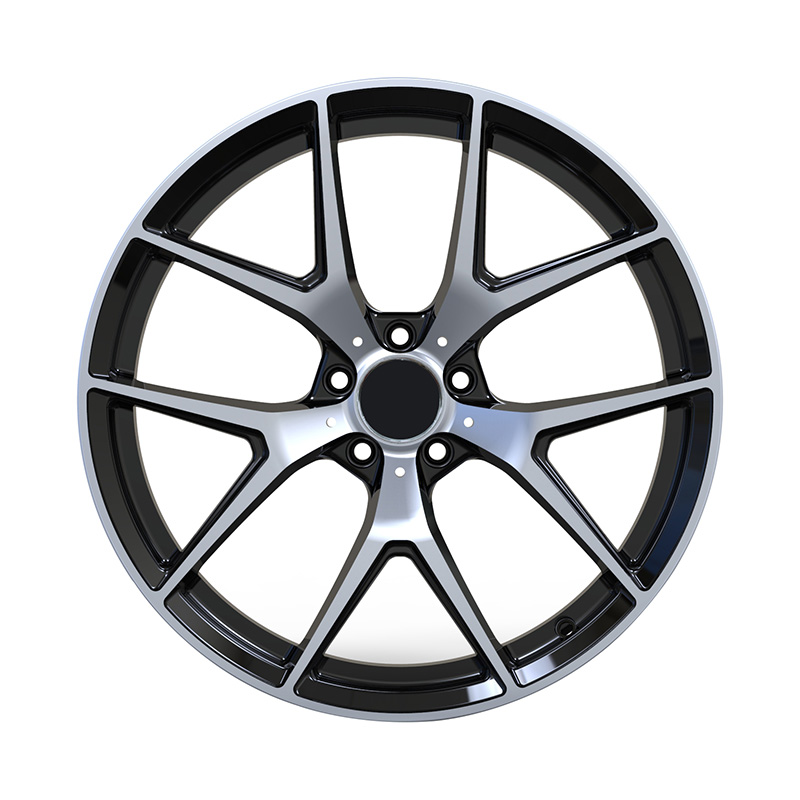
Forging Process
Material Selection: The process begins with high-quality aluminum alloy billets, which are preheated to a specific temperature for optimal malleability.
Compression: These billets are then compressed in a forging press, which applies immense pressure to shape the material into the desired wheel form. This results in a wheel with improved structural integrity and reduced chances of defects such as air pockets.
Machining and Finishing: After the forging process, the wheels undergo CNC (computer numerical control) machining to achieve precise dimensions and smooth surfaces. Additional steps like polishing, painting, or applying finishes are done based on the design requirements.
This manufacturing process creates wheels that are not only strong and lightweight but also have the potential for highly customized designs.
What Are the Advantages of Using Aluminum Alloy Forged Rims in Car Modification?
Aluminum alloy forged rims offer several advantages that make them a popular choice for car modification. These include:
Weight Reduction: Forged wheels are lighter than cast wheels due to their denser structure. This reduction in weight reduces the unsprung mass, which enhances vehicle handling, acceleration, and braking efficiency. Lower weight also reduces the overall load on suspension systems, contributing to a smoother ride.
Improved Strength: The forging process results in a denser, stronger material. Forged rims are less likely to bend or crack under stress, making them ideal for high-performance driving or racing. They also have better fatigue resistance compared to cast rims.
Enhanced Durability: Forged wheels are known for their durability, making them more resistant to impact damage. This makes them a solid option for both regular driving and challenging road conditions, as they can withstand harsher environments, including potholes, curbs, and off-road terrains.
Customizability: One of the major benefits of forged aluminum alloy rims is the wide range of customization options available. From spoke designs to finishes, vehicle owners can tailor the appearance of their rims to match the specific look they desire for their car.
What Are the Key Considerations When Choosing Aluminum Alloy Forged Rims for Car Modification?
When selecting forged aluminum rims for car modification, there are several important factors to consider.
1. Vehicle Compatibility
Fitment: Before purchasing forged rims, ensure they are the correct size for the vehicle's make and model. The diameter, width, and offset must align with the vehicle's specifications for proper fitment.
Load Capacity: Ensure the wheels can support the weight of the vehicle, including any additional modifications, such as heavier suspension components or aftermarket parts.
2. Performance Goals
Track vs. Street Use: If the vehicle is used for track racing or high-performance driving, forged wheels with specific designs for lightweight strength and rigidity may be required. On the other hand, for daily driving, wheels that prioritize comfort, durability, and aesthetic appeal may be sufficient.
Tire Compatibility: Different wheel sizes can affect tire choice. It's essential to choose a rim that works well with the intended tire, both in terms of size and performance characteristics.
3. Design Preferences
Spoke Style: The style of the spokes can significantly impact the appearance of the car. Options range from multi-spoke, mesh, concave, or split designs. Each design has its pros and cons in terms of strength and visual appeal.
Finish and Coating: Forged rims come in various finishes, including polished, matte, anodized, or painted. The choice of finish can affect both the aesthetics and the wheel's resistance to corrosion and wear.
recommend products
-
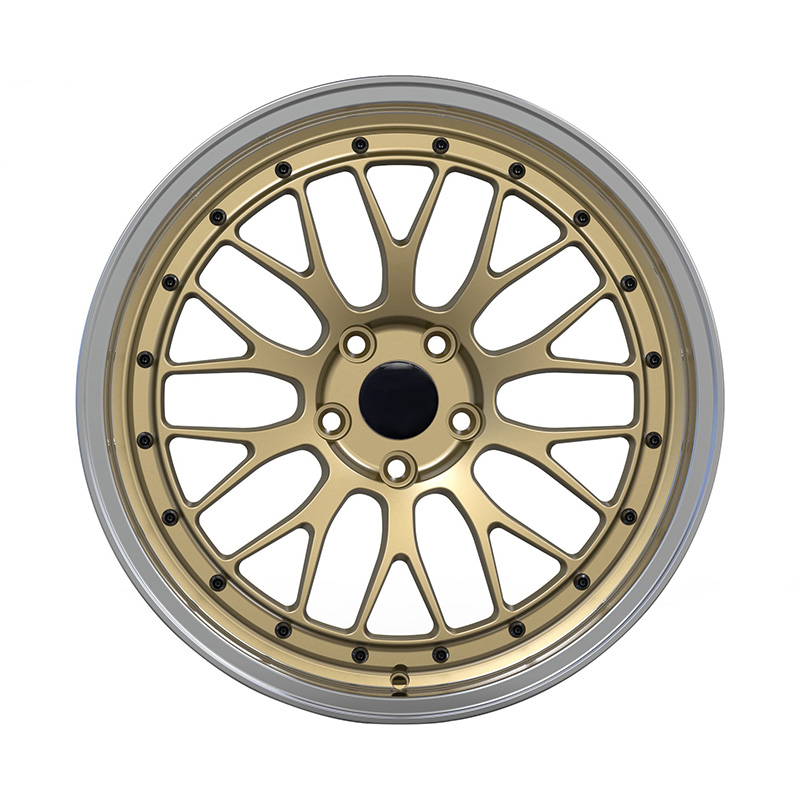


Zhenlun Multi Spokes Split Monoblock Forged Wheels Bronze With Silver Lip Edge
-
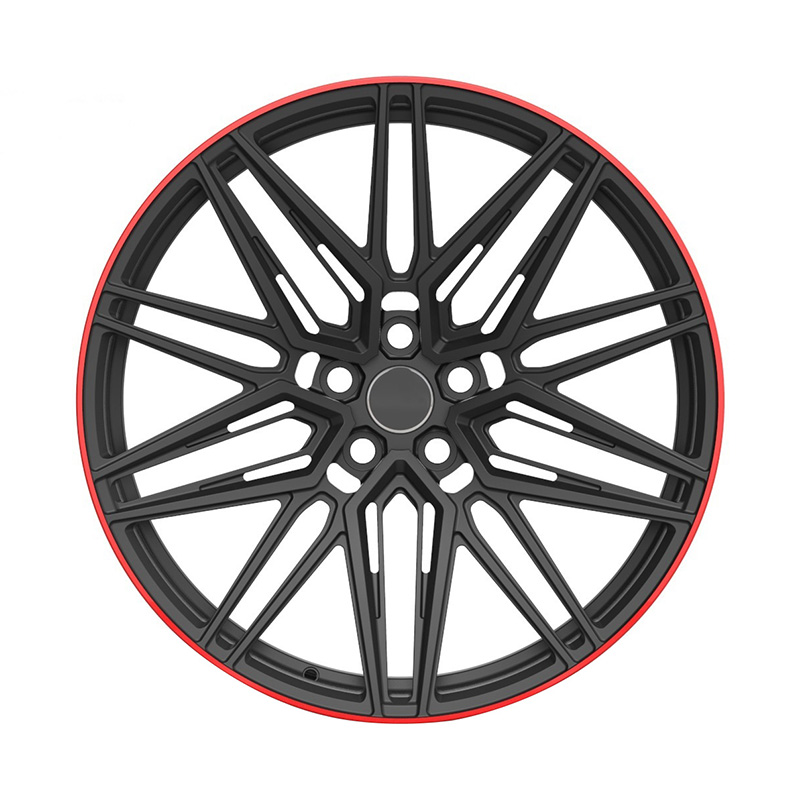
Zhenlun Matt Black With Red Lip Monoblock Forged Wheels
-
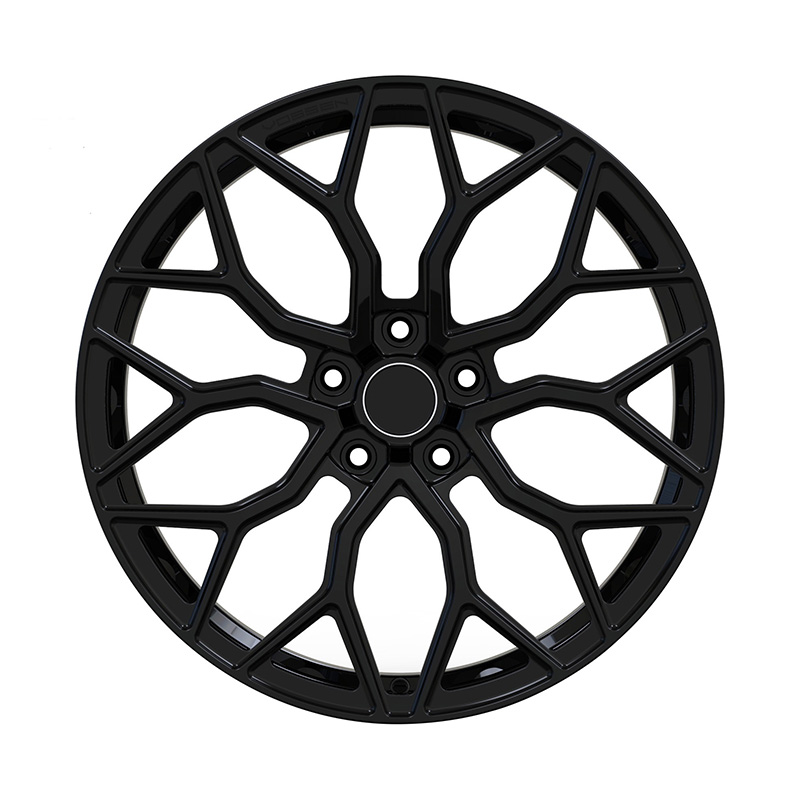
Zhenlun Gloss Black Monoblock Forged Wheels Gloss Black For Sports Car
-
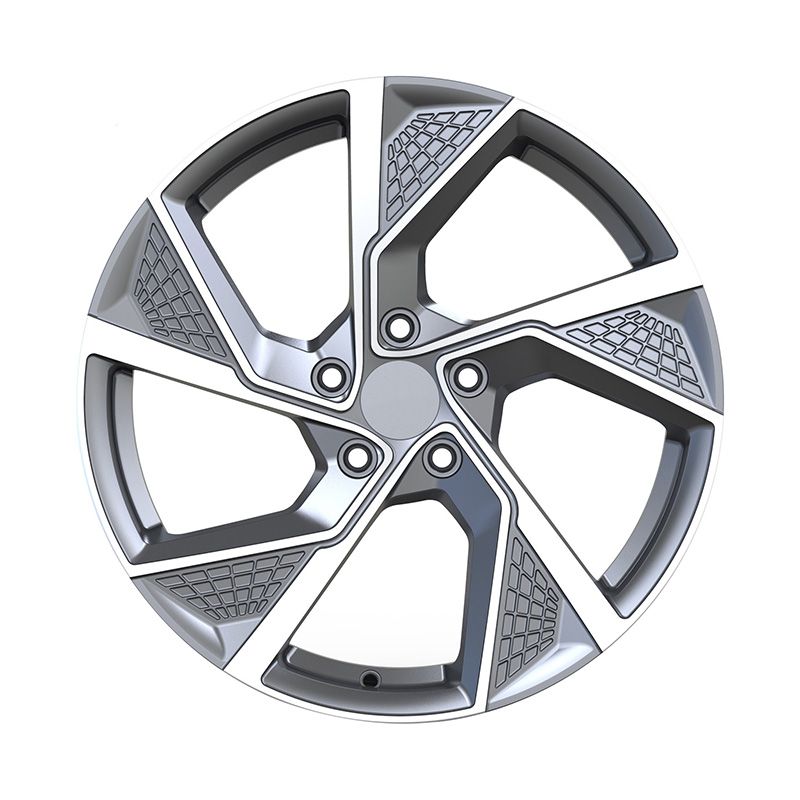
Zhenlun Monoblock Forged Wheels Lightgrey With Machined Face
-
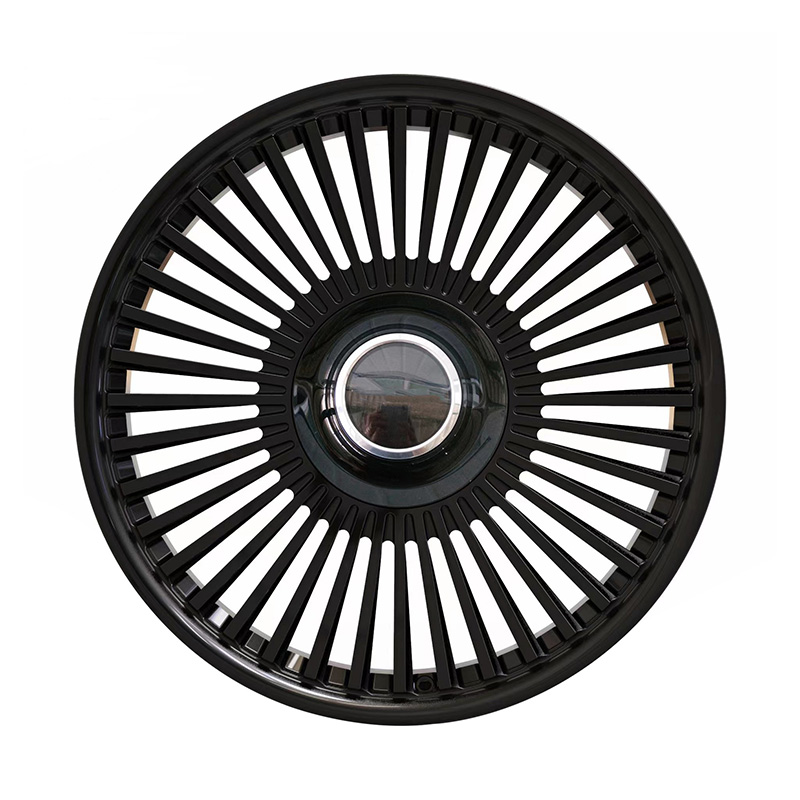
Zhenlun Monoblock Forged Wheels Gloss Black Dense Multi Spoke



Wechat QR code
IAN

JNZL

CONTACT Us
Mobile Site
Copyright© Taizhou Zhenlun Technology Co., Ltd. All Rights Reserved
