
 0
0

 English
 Español
Submit
Submit feedback
What Are the Trends of Off Road Wheels in Vehicle Modification Culture?
2026-03-06
Off road wheels have become a central component of vehicle modification culture. Their purpose extends beyond purely functional use to encompass aesthetics, performance, and lifestyle identity. Trends in off road wheels reflect changes in terrain demands, manufacturing technologies, and community preferences.

Increased Demand for Purpose Built Wheels
Terrain Specific Designs
Off road wheels are now tailored for distinct terrain conditions such as mud, rock, sand, and trail use. Wheels intended for rock crawling often feature reinforced bead locks to secure tires at low pressure, while desert focused wheels emphasize lightweight strength to support high speed travel.
Enhanced Load Capacity
Modification culture increasingly emphasizes the ability to carry heavy gear—such as recovery equipment, camping supplies, and vehicle armor—which influences wheel choice. Wheels with higher load ratings and offset options help maintain stability when additional weight is applied.
Material Selection
Traditional steel wheels remain relevant for durability, while forged aluminum and multi piece wheels provide a balance between strength and weight reduction. The choice of material reflects a driver’s intended use and performance priorities.
Aesthetic Customization and Finishes
Color and Texture Options
Wheels with multiple finish options—such as matte black, bead blasted, or two tone color schemes—are increasingly popular. Finishes contribute to a vehicle’s visual theme, whether utilitarian, aggressive, or refined.
Machining and Detailing
CNC machined accents, laser etched logos, and custom center caps are features that inject personalization into wheel design. These details allow owners to distinguish their vehicles visually without altering core performance characteristics.
Size and Offset Variation
Larger wheel diameters paired with aggressive offset ratios can alter the stance of an off road vehicle. While larger diameters may slightly increase rotational mass, they accommodate wider tires and provide enhanced surface contact area. Offset selection affects scrub radius, track width, and fender interaction.
Integration with Tire Technology
Tire Wheel Matching
Wheels are chosen in conjunction with tire type, tread pattern, and sidewall construction. For example, beadlock compatible wheels are matched with tires that permit low pressure for improved traction on soft terrain.
Run Flat and Air Down Systems
The development of run flat beads and automated air down systems has influenced wheel design considerations. Vehicles equipped for long distance overlanding may integrate wheels that support tire pressure management systems without compromising bead retention.
Tire Clearance and Suspension Coordination
Modified suspension systems with lift kits or long travel setups require careful wheel selection to prevent interference with control arms, brake lines, or wheel wells. Wheel backspacing and offset are critical factors in achieving proper clearance and handling.
Durability and Maintenance Features
Beadlock Technology
Beadlock wheels mechanically clamp the tire bead to the wheel, improving traction in low pressure applications. These wheels are commonly featured in technical rock crawling or heavy mud environments.
Corrosion Resistance
Off road use exposes wheels to water, mud, salt, and abrasive debris. Protective coatings such as powder coating or clear coats help resist corrosion, though long term exposure still requires periodic maintenance.
Modular and Repairable Designs
Multi piece wheels permit replacement of damaged components, such as the lip or outer ring, without replacing the entire wheel assembly. This trend supports long term ownership where exposure to impact and debris is frequent.
Lifestyle and Cultural Influences
Overlanding and Expedition Trends
The rise of overlanding and extended off grid expeditions has influenced wheel trends. Heavy duty wheels capable of supporting roof racks, recovery gear, and auxiliary load systems are preferred for long distance travel.
Community Led Custom Builds
Off road communities share build specifications, part selections, and terrain reports that influence wheel trends. Photo and video documentation of builds on social platforms regularly highlight wheel choices as a key visual and functional element.
Event and Competition Standards
Off road races, trail rides, and rock crawling events often have wheel specification guidelines for safety and performance. These standards shape what manufacturers produce and what builders adopt for competition or recreational use.
Technology and Manufacturing Developments
Advanced Materials and Processes
The use of finite element analysis (FEA) and computer aided design (CAD) enables manufacturers to optimize wheel strength and weight distribution. These technologies support the production of wheels that meet specific performance criteria without unnecessary material mass.
Quality Standards and Testing
Wheels are often tested to meet load, impact, and fatigue standards, such as those defined by SAE and JWL certification regimes. Adherence to these standards ensures that wheels can withstand operational stresses encountered in off road conditions.
Supply Chain and Customization Services
Increasingly, manufacturers offer custom wheel configurations based on order specifications. This trend supports specialized builds where precise offsets, bolt patterns, and finishes are required.
recommend products
-
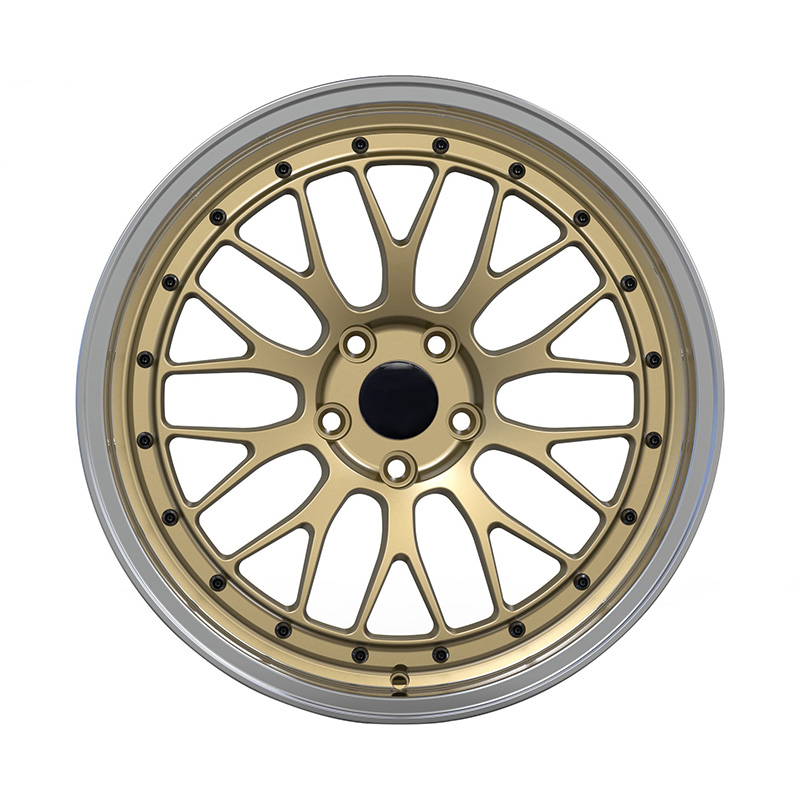


Zhenlun Multi Spokes Split Monoblock Forged Wheels Bronze With Silver Lip Edge
-
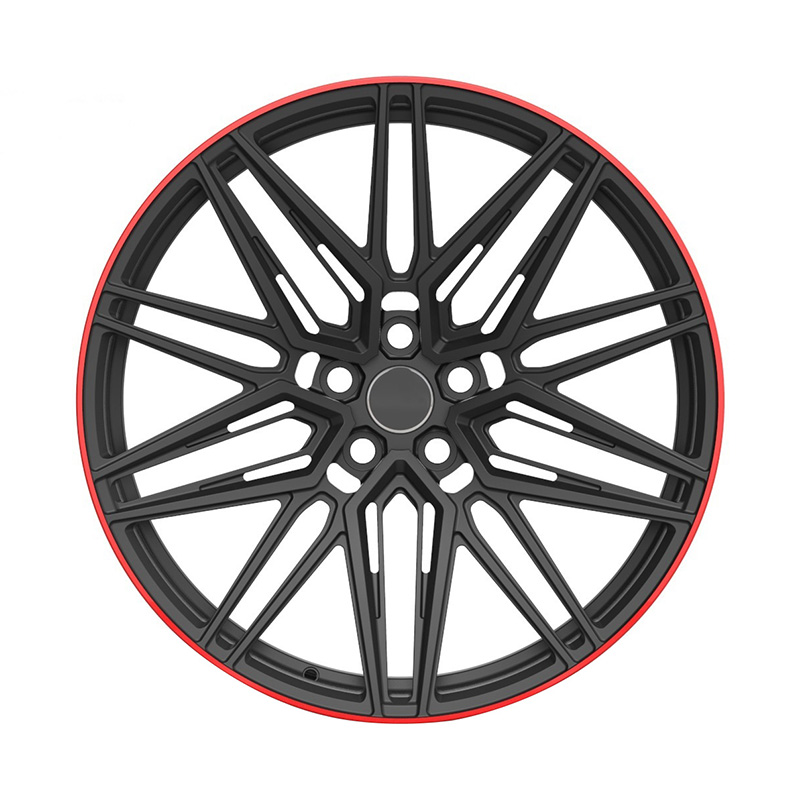
Zhenlun Matt Black With Red Lip Monoblock Forged Wheels
-
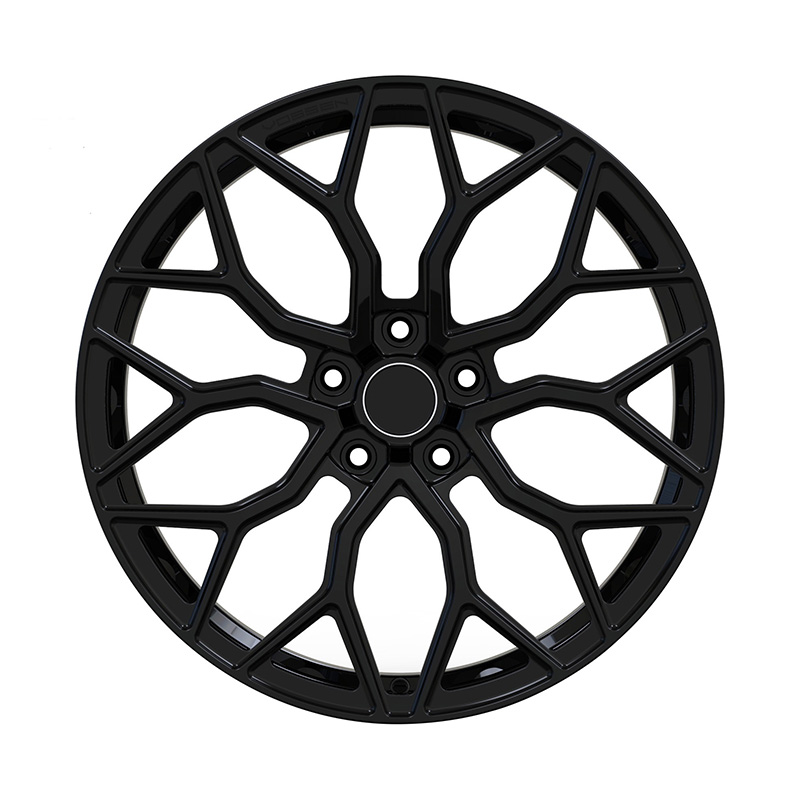
Zhenlun Gloss Black Monoblock Forged Wheels Gloss Black For Sports Car
-
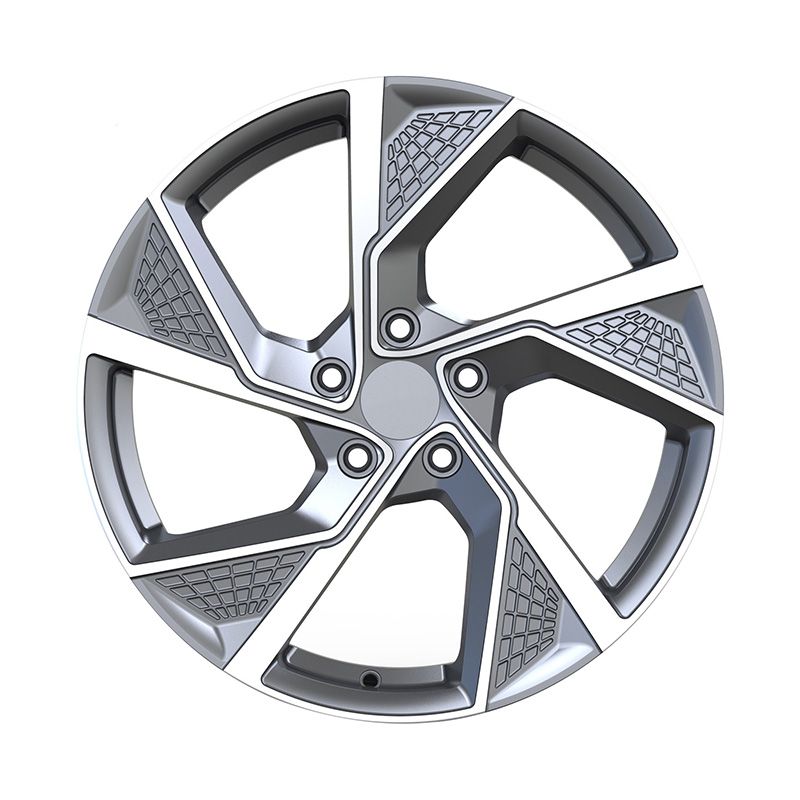
Zhenlun Monoblock Forged Wheels Lightgrey With Machined Face
-
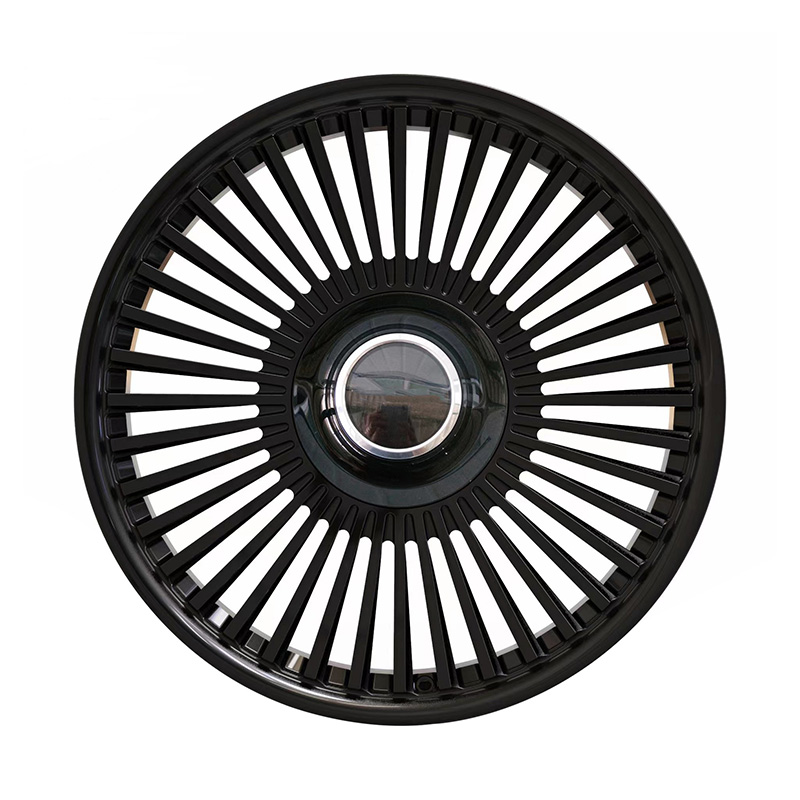
Zhenlun Monoblock Forged Wheels Gloss Black Dense Multi Spoke



Wechat QR code
IAN

JNZL

CONTACT Us
Mobile Site
Copyright© Taizhou Zhenlun Technology Co., Ltd. All Rights Reserved
