
 0
0

 English
 Español
Submit
Submit feedback
The Evolution of Deep Concave Wheels in Car Culture
2026-02-25
Their journey reflects broader shifts in manufacturing technology, suspension trends, and the aesthetic priorities of enthusiasts. From a niche, custom-built statement to a widely accessible design motif, the performance and perception of deep concave wheels have evolved in tandem with the culture itself, balancing aggressive styling with increasing technical sophistication.
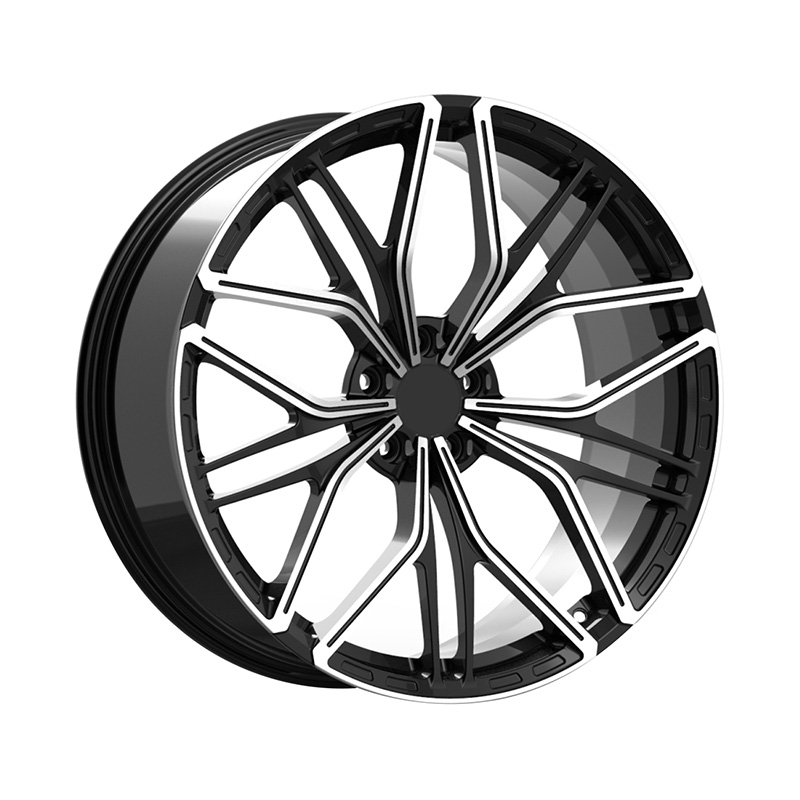
From Stance to Performance: A Technical Progression
The performance narrative of deep concave wheels is not about a single change, but a series of adaptations across design, materials, and application.
1. The Era of Custom Offsets and Stance: Initially, achieving a deep concave look was primarily a pursuit of the "stance" scene, focused on achieving a flush, low-to-the-ground profile. This often involved ordering custom three-piece wheels with extremely low (or negative) offsets and wide barrels. Performance was a secondary consideration; the goal was visual impact, often at the expense of increased stress on wheel bearings and scrubbing on the fenders during suspension travel. The "performance change" here was largely cultural, cementing the concave look as a symbol of aggressive customization.
2. Advancements in Manufacturing and Strength: As demand grew, wheel manufacturers responded. The widespread adoption of low-pressure casting (LPC) and, more importantly, rotary forging (or flow-forming) allowed for the production of monoblock (one-piece) wheels with deep concavity at a lower cost and weight than fully forged custom pieces. This was a key performance shift: it made concave designs stronger and lighter for their size, moving them from purely aesthetic pieces to viable options for spirited street driving. The improved structural integrity reduced concerns about bends or cracks.
3. Integration with Modern Suspension and Brake Kits: The rise of advanced air suspension systems and wide-body kits functionally enabled deeper concavity. Precise height control prevented fender contact, while wider fenders accommodated the necessary wheel width and low offset. Concurrently, wheel manufacturers began designing concavity profiles specifically to clear large, modern performance brake calipers—a previous limitation. This integration marked a turning point where deep concave wheels could coexist with serious performance modifications.
4. The Data-Driven Refinement: Today, the evolution is guided by computer-aided design (CAD) and finite element analysis (FEA). Engineers can precisely model stress points in a concave design, optimizing spoke geometry and material thickness to maintain strength while achieving the desired visual depth and minimizing weight. This scientific approach represents the current performance pinnacle, ensuring reliability under dynamic loads.
Material and Functional Adaptations
Material Innovation and Weight Management
The shift from heavy, multi-piece steel constructions to lightweight aluminum alloys was foundational. The use of grades such as A356 aluminum for casting and 6061-T6 for forging enabled the complex shapes with deep concavity without prohibitive mass. This directly improved vehicle dynamics by reducing unsprung weight, benefiting acceleration, braking, and handling—a critical performance gain over earlier iterations.
The manufacturing process itself became a performance differentiator. While gravity casting sufficed for early styles, the tensile strength and density of rotary-forged and fully forged monolock wheels became essential for deeper, more aggressive concavities on heavier or more powerful cars, ensuring the wheel could handle torsional and impact forces.
Evolving Design for Real-World Function
Early deep-concave designs sometimes prioritized form over function, with spoke geometries that could impede brake cooling or collect debris. Contemporary designs are more considered, often incorporating curved spokes that channel airflow toward brake rotors and designs that are easier to clean, acknowledging the wheel's role in the vehicle's thermal and maintenance systems.
The market has effectively been segmented. One branch continues the legacy of extreme concavity for show-oriented builds, often using custom offsets. The other, larger branch offers "aggressive fitment" wheels with significant yet engineered concavity, standardized offsets that fit common performance platforms, and certifications (such as JWL/VIA) for safety. This bifurcation allows enthusiasts to choose a wheel based on their specific performance and visual goals.
|
Performance Aspect |
Earlier Deep Concave Wheels |
Modern Deep Concave Wheels |
Result |
|
Weight |
Heavier due to casting |
Lighter with forging/flow forming |
Better handling |
|
Strength |
Variable |
Higher strength and fatigue resistance |
More reliable under load |
|
Fitment |
Limited sizes |
Expanded offsets and sizes |
Better compatibility |
|
Brake Cooling |
Limited airflow |
More open spoke designs |
Improved heat dissipation |
|
Aesthetic Impact |
Moderate |
More aggressive and deep |
Stronger visual appeal |
recommend products
-
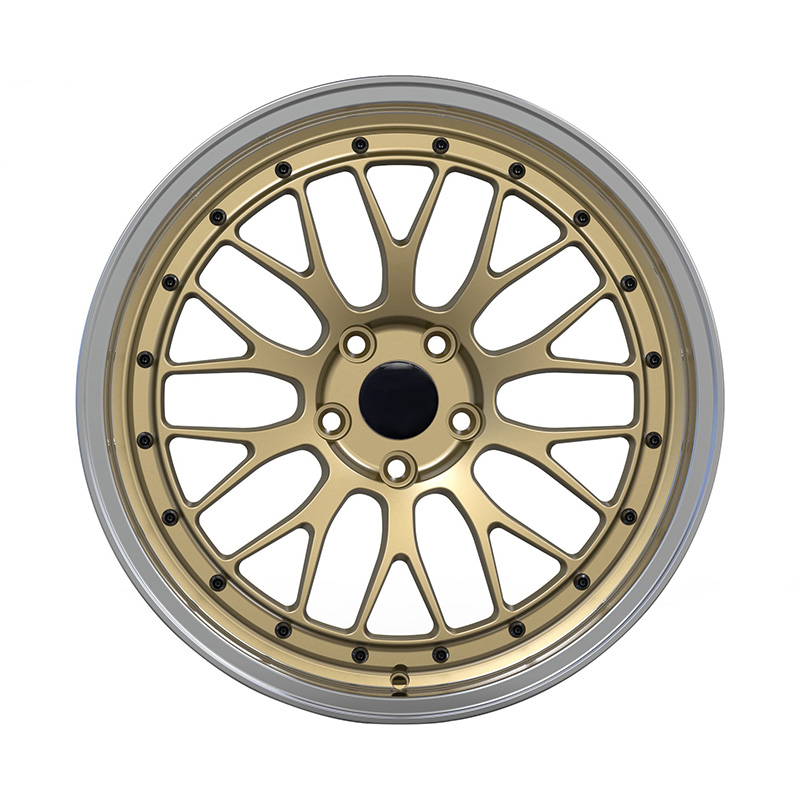


Zhenlun Multi Spokes Split Monoblock Forged Wheels Bronze With Silver Lip Edge
-
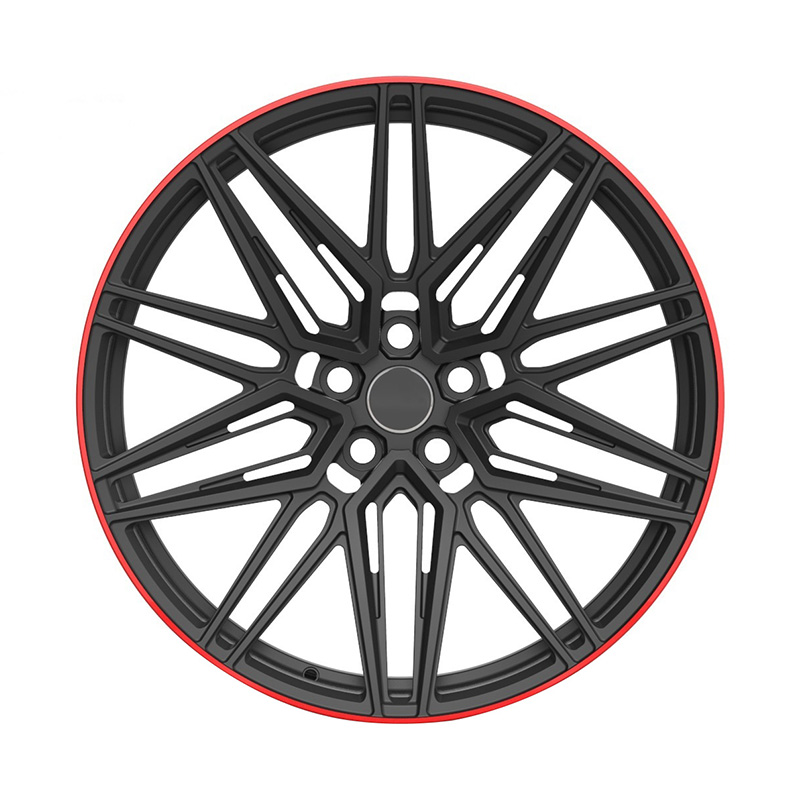
Zhenlun Matt Black With Red Lip Monoblock Forged Wheels
-
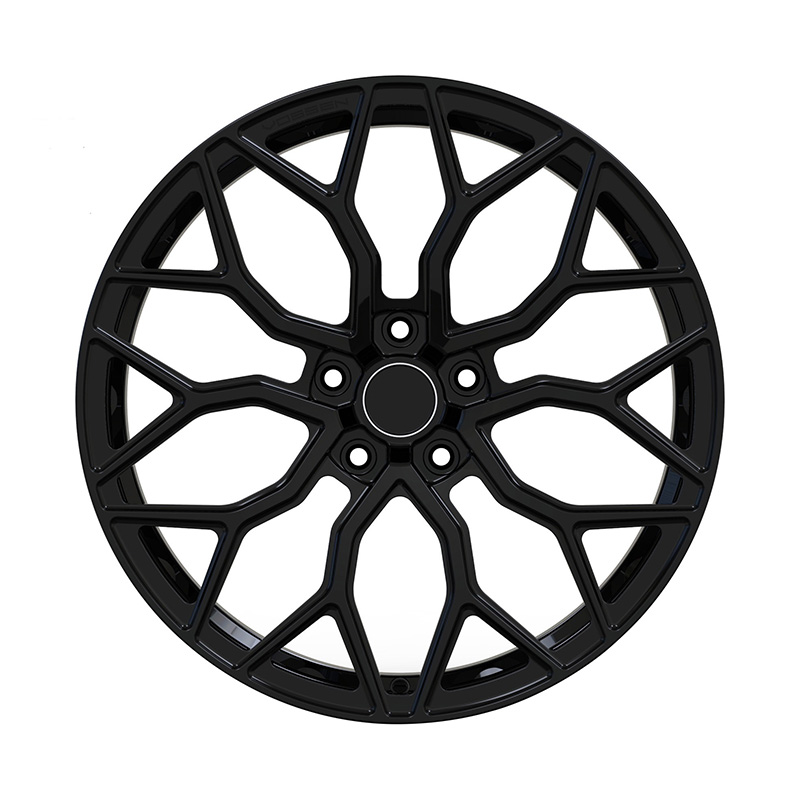
Zhenlun Gloss Black Monoblock Forged Wheels Gloss Black For Sports Car
-
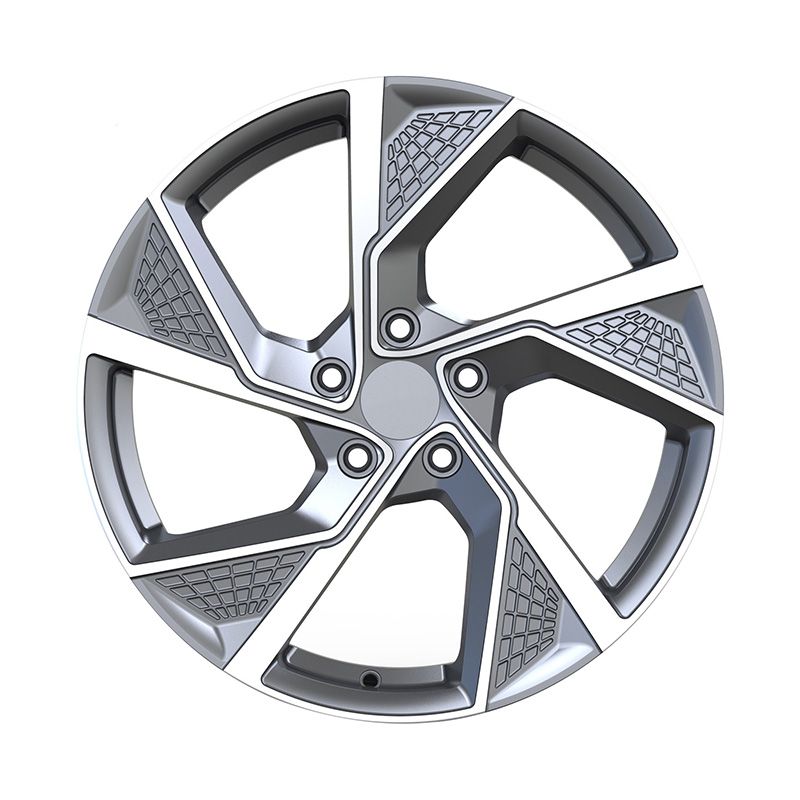
Zhenlun Monoblock Forged Wheels Lightgrey With Machined Face
-
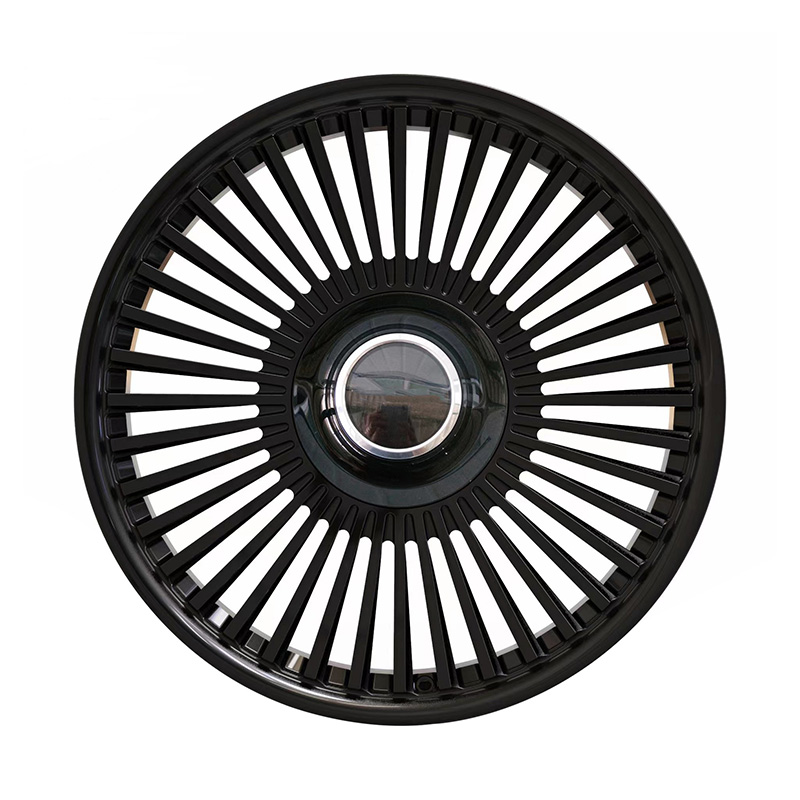
Zhenlun Monoblock Forged Wheels Gloss Black Dense Multi Spoke



Wechat QR code
IAN

JNZL

CONTACT Us
Mobile Site
Copyright© Taizhou Zhenlun Technology Co., Ltd. All Rights Reserved
