
 0
0

 English
 Español
Submit
Submit feedback
Monoblock Forged Wheels and Vehicle Modification
2026-02-20
The Significance of Monoblock Forged Wheels
A monoblock forged wheel is not simply a "custom rim." It is the product of an intensive manufacturing process where a solid block of aerospace-grade aluminum (like 6061-T6) is heated and then forced into a rough shape by a massive hydraulic press—often exerting thousands of tons of pressure. This forging process aligns and compresses the metal's grain structure, resulting in a component that is exceptionally strong and dense. This fundamental characteristic yields several advantages critical for modified vehicles.
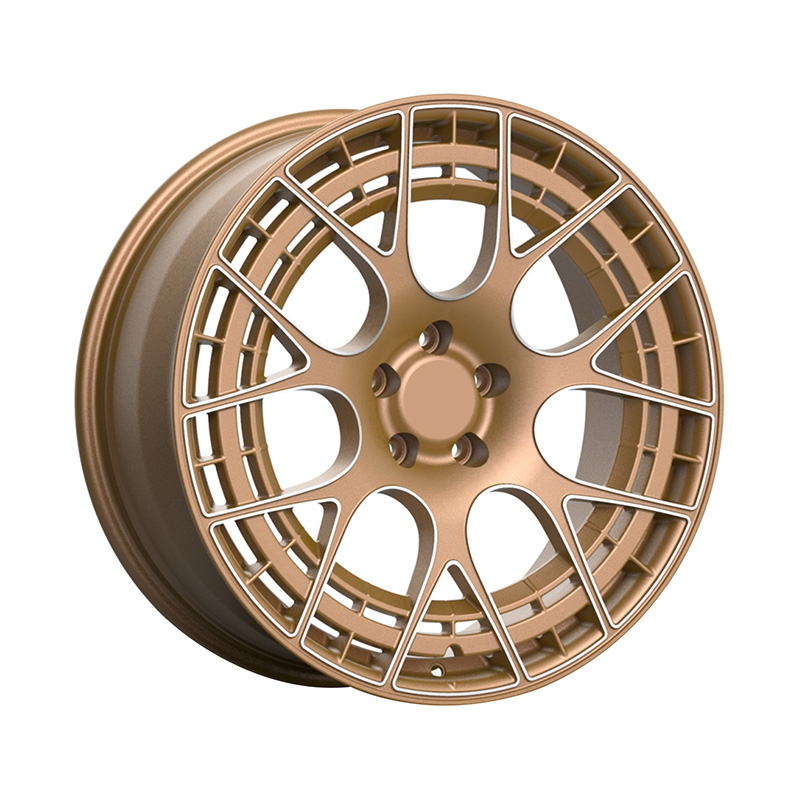
Because the material is so strong, less of it is needed to achieve the required structural integrity. A forged wheel can be significantly lighter than a comparable cast or even flow-formed wheel. Reducing unsprung weight—the mass not supported by the suspension—leads to tangible improvements in acceleration, braking, and most notably, handling. The suspension reacts more quickly to road imperfections, improving tire contact and feedback.
The nature of forging allows for more aggressive and intricate designs with thinner, stronger spokes. This is not just for visual drama; it often provides necessary clearance for oversized performance brake calipers, a common upgrade on modified cars. Furthermore, the inherent material integrity offers superior dubility and resistance to impact, making forged wheels a prudent choice for vehicles driven hard or on imperfect roads. For the serious modifier, they represent a functional upgrade that enhances both the vehicle's capabilities and its visual stance.
Beyond looks, what are the real performance benefits of lighter wheels?
Reducing wheel weight is one of the most effective performance modifications. The benefits are multifaceted:
Improved Acceleration and Braking: Lighter wheels have lower rotational inertia, meaning the engine and brakes spend less energy spinning them up or slowing them down. This leads to slightly quicker acceleration and shorter stopping distances.
Enhanced Handling and Ride Quality: With less unsprung mass, the suspension can keep the tire in contact with the road surface more effectively over bumps and during cornering. This improves grip, stability, and can even lead to a more compliant ride.
Reduced Stress on Components: Less mass means less force transmitted through the hubs, bearings, and suspension components during impacts, potentially contributing to longer service life.
How important is proper wheel fitment, and what do offset, width, and backspacing mean?
Proper fitment is critical for safety, performance, and vehicle integrity. Incorrect fitment can cause rubbing, damage suspension components, and affect handling.
Width: The distance between the inner and outer rim lips, determining tire width.
Offset: The distance from the wheel's mounting surface to its centerline. A lower (or more negative) offset pushes the wheel outward, while a higher (positive) offset tucks it inward.
Backspacing: The distance from the mounting surface to the inner edge of the rim. Together, these measurements ensure the wheel and tire package clears the brake calipers, suspension, and inner fender liner without interfering.
Are monoblock forged wheels worth the significant cost increase over other types?
This depends on the vehicle's use case and the owner's priorities. For a daily-driven car with mild performance goals, a high-quality flow-formed wheel may be sufficient. However, for track-focused vehicles, high-performance sports cars, or builds where minimizing unsprung weight and maximizing strength are paramount, the investment in monoblock forging is often justified. The combination of weight savings, strength, and design potential is unmatched by other manufacturing methods.
What is the next logical step after upgrading wheels and tires?
Wheels and tires form the critical interface between the car and the road. Once optimized, the next steps often focus on leveraging that improved grip. Common subsequent modifications include:
Suspension Upgrades: Coilovers or performance springs/shocks to improve cornering response and reduce body roll.
Brake Upgrades: High-performance pads, stainless steel lines, and slotted rotors to match the increased potential of the tire and wheel package.
Alignment Adjustment: A performance-oriented alignment (more negative camber, optimized toe settings) to maximize tire contact during cornering.
recommend products
-
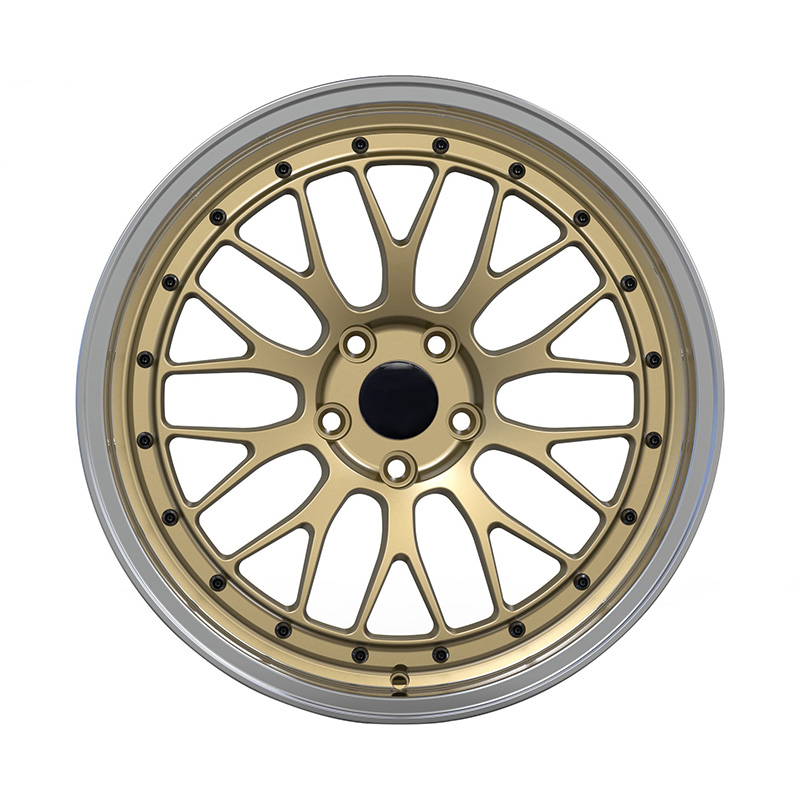


Zhenlun Multi Spokes Split Monoblock Forged Wheels Bronze With Silver Lip Edge
-
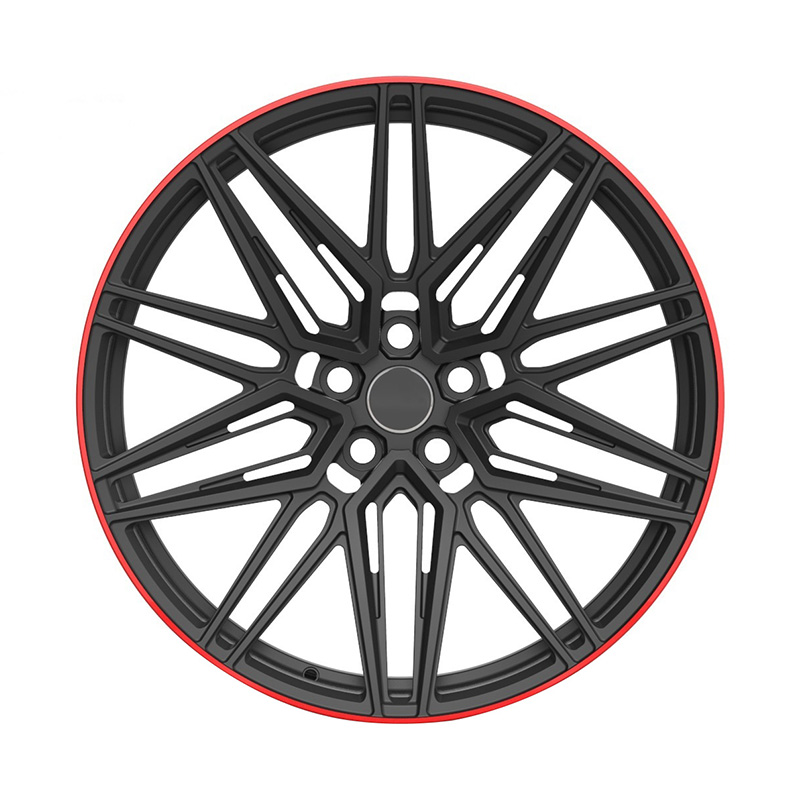
Zhenlun Matt Black With Red Lip Monoblock Forged Wheels
-
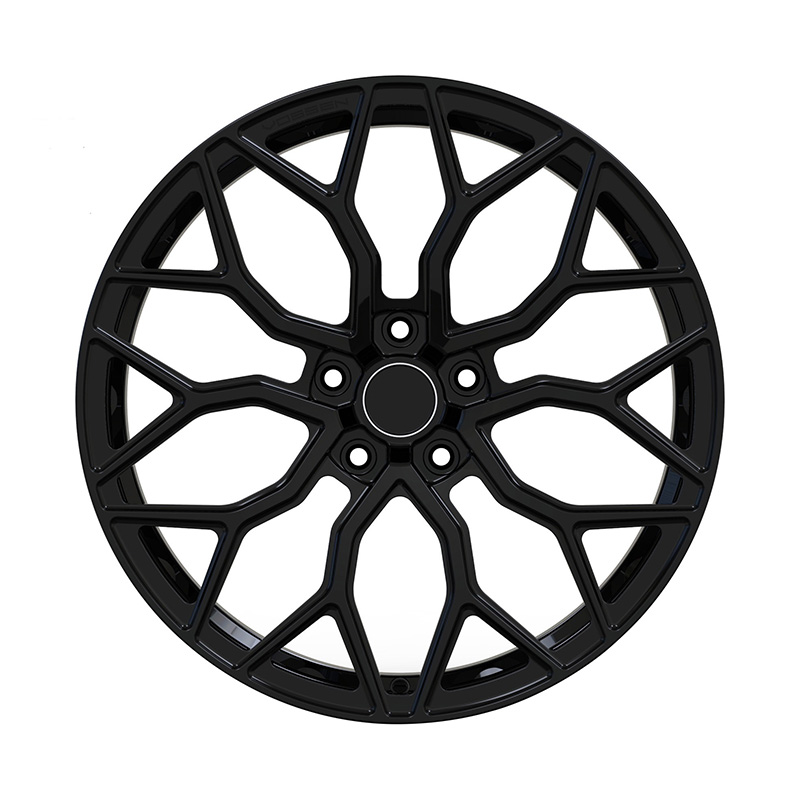
Zhenlun Gloss Black Monoblock Forged Wheels Gloss Black For Sports Car
-
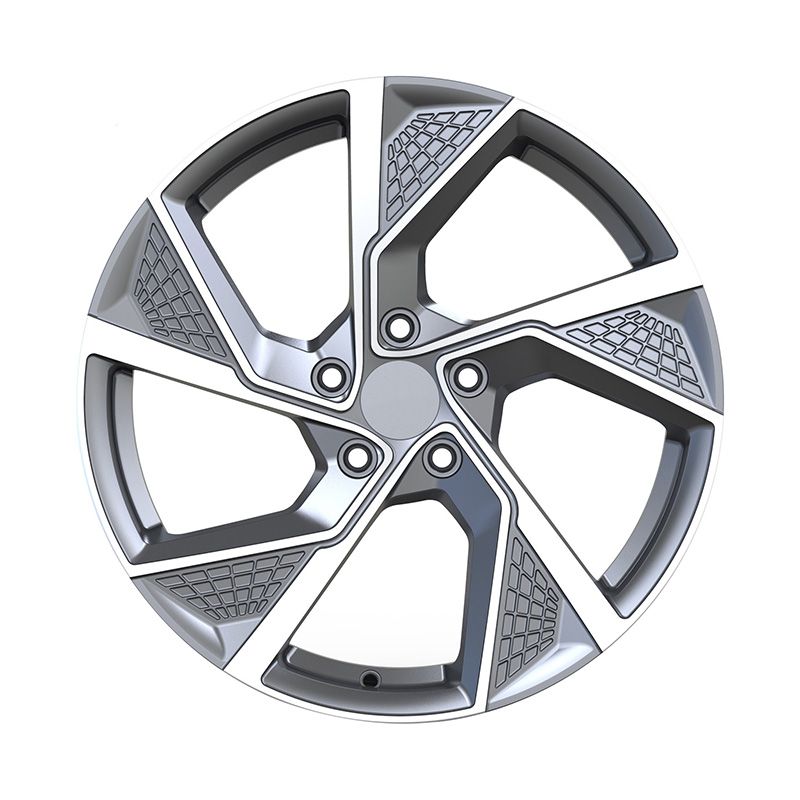
Zhenlun Monoblock Forged Wheels Lightgrey With Machined Face
-
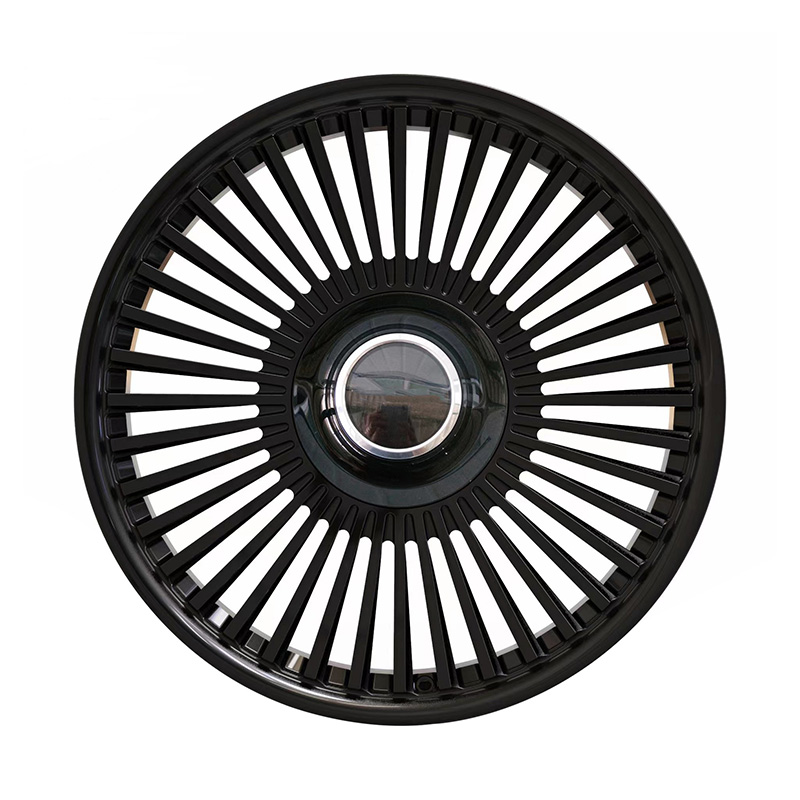
Zhenlun Monoblock Forged Wheels Gloss Black Dense Multi Spoke



Wechat QR code
IAN

JNZL

CONTACT Us
Mobile Site
Copyright© Taizhou Zhenlun Technology Co., Ltd. All Rights Reserved
