
 0
0

 English
 Español
Submit
Submit feedback
The Forged Connection: Custom Wheels and Vehicle Modification
2026-02-13
Custom forged wheels exist because vehicle modification demands solutions that address unique combinations of performance needs, aesthetic vision, and technical fitment, making them a necessary option for serious enthusiasts and professionals alike.
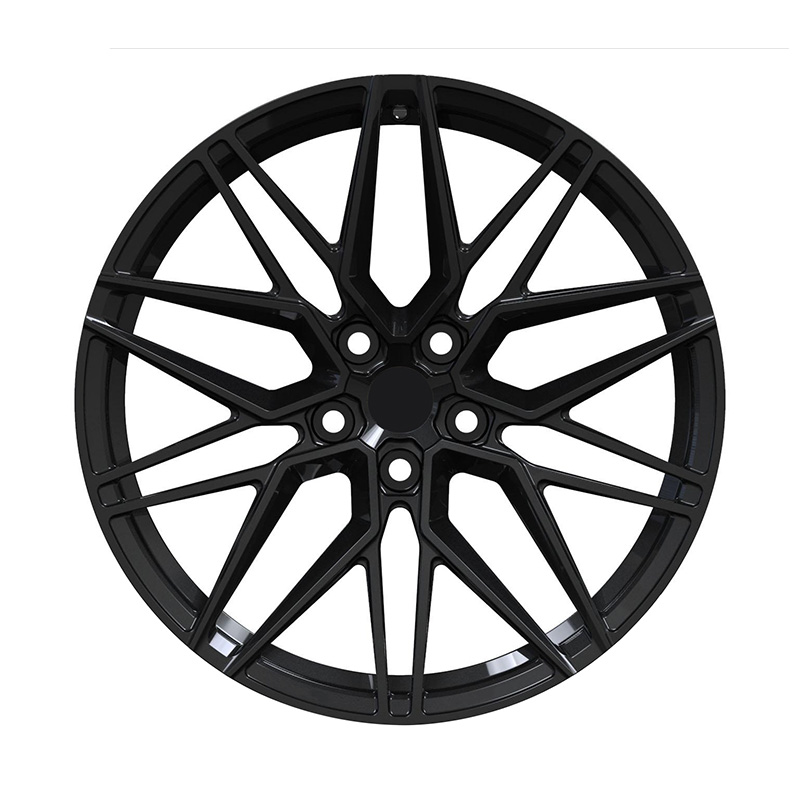
The Relationship Between Custom Forged Wheels and Vehicle Modification
The integration of custom forged wheels into a modification project is driven by a series of interconnected factors that highlight their unique role.
Performance Optimization: Modifications aimed at increasing power, improving handling, or reducing lap times create new demands on every component. The unsprung weight of a wheel—the mass not supported by the suspension—is critical. Heavier wheels increase inertia, hampering acceleration, braking, and the suspension's ability to maintain tire contact with the road. Forged wheels offer the highest strength-to-weight ratio available, directly translating to more responsive handling, reduced braking distances, and improved acceleration. This makes them a necessary performance upgrade, not just a cosmetic one.
Aesthetic Uniqueness and Personalization: Vehicle modification is, at its core, an expression of individuality. While cast wheels offer variety, they are produced in large batches. Custom forging allows an owner to dictate every visual detail: spoke design, lip depth, finish, and even hidden hardware. This level of personalization ensures the vehicle becomes a one-of-a-kind statement, fulfilling a primary goal of modification that mass-produced parts cannot.
Technical Fitment and Clearance: Aggressive modification often involves installing wider tires, larger brake calipers (like multi-piston performance kits), or altering suspension geometry. Standard wheel offsets and barrel designs may not accommodate these changes. A custom forged wheel can be engineered with exact specifications for width, offset, and barrel profile to clear oversized brakes and tuck neatly into modified fenders, enabling other performance modifications to function as intended.
Durability and Safety Under Stressed Conditions: Modified vehicles, especially those used for competitive motorsport or frequent high-performance driving, subject their components to extreme stresses. The forging process creates a monolithic metal structure free of porosity, making the wheel exceptionally strong and resistant to impact and fatigue failure. For a modified vehicle operating beyond factory parameters, these inherent strengths and reliability are not luxuries but safety-critical necessities.
Why Custom Options Are Necessary for Vehicle Modification
The necessity of custom options, exemplified by forged wheels, stems from the inherent limitations of mass production and the specific, often conflicting, goals of a modification project.
The Specificity of Need: No mass-produced wheel manufacturer can anticipate the infinite combination of bolt pattern, diameter, width, offset, centerbore, and design desired by the global modification community. A vehicle with a wide-body kit, air suspension, and a big brake kit has a set of requirements that simply may not exist in a catalog. Custom fabrication is the only way to achieve a perfect, functional fit.
The Interdependence of Modifications: Vehicle modification is systemic. Changing one component affects others. A custom wheel is often the crucial linchpin that allows other modifications—brakes, suspension, bodywork—to work together harmoniously. It is the enabling component that unlocks the full potential of a coordinated build.
The Pursuit of Maximum Performance: In competitive arenas, the difference between first and second place can be minuscule. Off-the-shelf parts represent a compromise. A custom forged wheel can be engineered to shave off every possible gram of weight in non-critical areas while reinforcing high-stress points, a level of optimization essential for peak motorsport performance that standard wheels do not offer.
Solving Unique Challenges: Restorations of classic cars, fitting modern performance hardware onto vintage platforms, or adapting vehicles for specialized functions (like filming or rally) present unique engineering puzzles. Custom options provide tailored solutions to these one-off challenges, preserving a vehicle's usability or historical integrity in a way that universal parts cannot.
recommend products
-
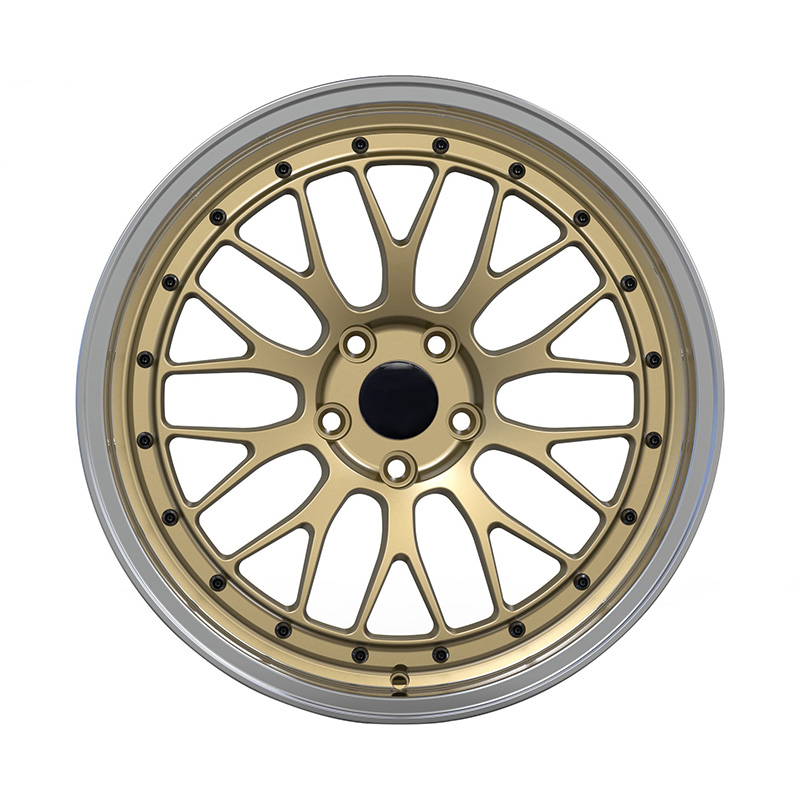


Zhenlun Multi Spokes Split Monoblock Forged Wheels Bronze With Silver Lip Edge
-
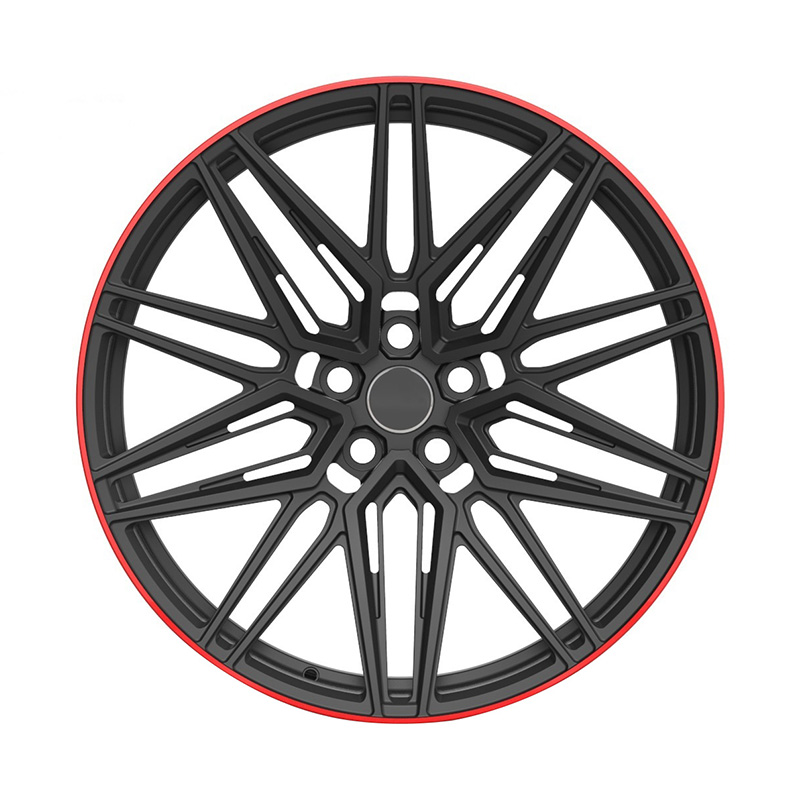
Zhenlun Matt Black With Red Lip Monoblock Forged Wheels
-
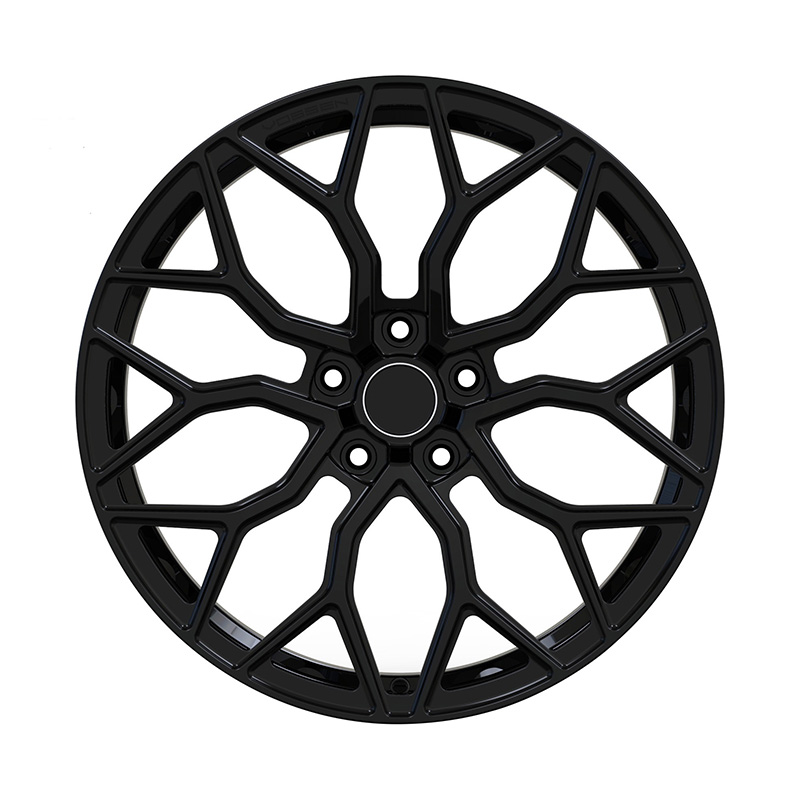
Zhenlun Gloss Black Monoblock Forged Wheels Gloss Black For Sports Car
-
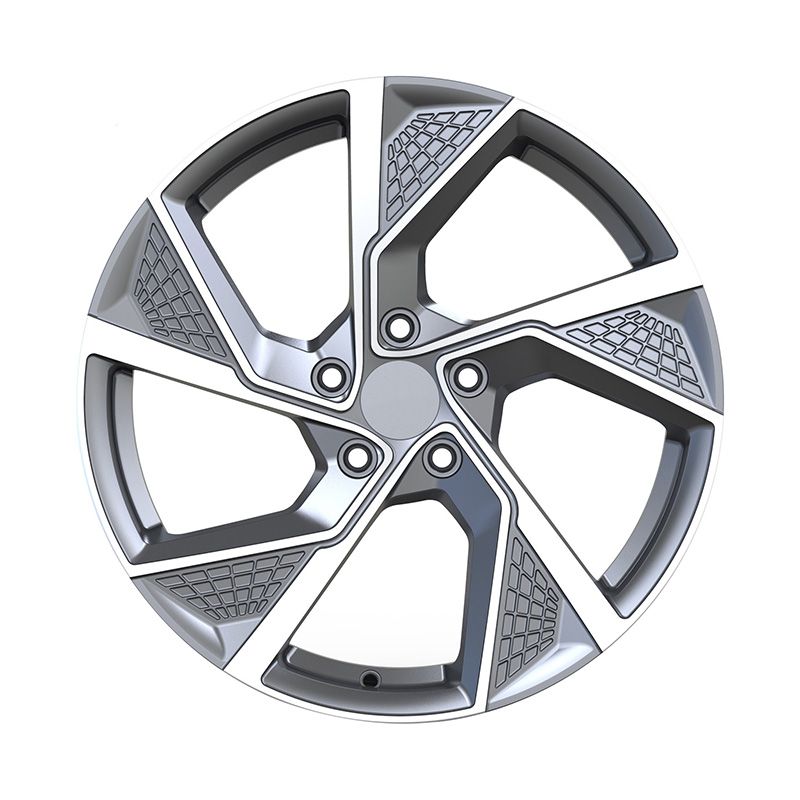
Zhenlun Monoblock Forged Wheels Lightgrey With Machined Face
-
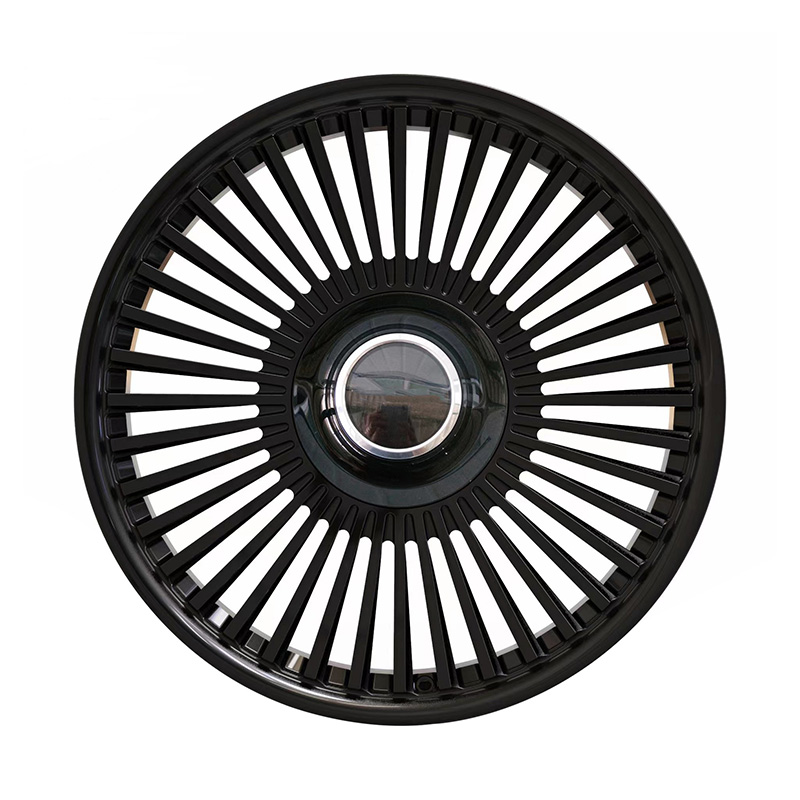
Zhenlun Monoblock Forged Wheels Gloss Black Dense Multi Spoke



Wechat QR code
IAN

JNZL

CONTACT Us
Mobile Site
Copyright© Taizhou Zhenlun Technology Co., Ltd. All Rights Reserved
