
 0
0

 English
 Español
Submit
Submit feedback
Are 2 Piece Off Road Wheels Suitable for Your Target Terrain
2026-10-09
Rocky trails, loose sand, muddy tracks, and uneven gravel roads place different demands on wheel construction. A wheel configuration designed for one driving environment may not deliver the same results in another. At Zhenlun, we help customers evaluate wheel structures, fitment requirements, load capacity, and manufacturing specifications before placing an order. Our goal is to match wheel designs with real application needs rather than relying on appearance alone.
2 piece off road wheels are worth considering for projects that require a specific combination of structural design, styling, and vehicle compatibility. However, their suitability depends on the wheel's engineering, assembly quality, intended load, and operating conditions. Understanding these factors gives distributors, vehicle builders, and aftermarket brands a clearer basis for purchasing decisions.
1. Understand How a Two-Piece Wheel Is Constructed
A two-piece wheel generally consists of a center section and an outer barrel assembled into a complete wheel. Depending on the design, the components may be joined through welding, mechanical fastening, or another engineered connection method. The exact structure varies by manufacturer and product specification.
Key Structural Considerations
- Center section: The center carries the mounting interface and transfers forces between the hub and the wheel structure.
- Outer barrel: This component supports the tire and contributes to the wheel's width, profile, and overall dimensional configuration.
- Connection area: The joint between the sections requires suitable engineering, manufacturing accuracy, and quality inspection.
- Surface finish: Different finishes can support distinct visual requirements, although coating quality and resistance to abrasion should also be assessed.
A two-piece structure may provide flexibility in wheel design and component configuration. Nevertheless, the number of components alone does not establish load capacity or durability. At Zhenlun, we recommend evaluating the complete wheel assembly and its documented specifications before making a sourcing decision.
2. Match Wheel Characteristics to the Target Terrain
Terrain affects the forces acting on a wheel, tire pressure requirements, ground contact, and the likelihood of impact damage. Buyers should describe the intended operating environment clearly so that wheel specifications can be assessed against actual usage.
Rocky Trails and Technical Crawling
Rock crawling exposes wheels to sharp edges, uneven contact, and concentrated impact forces. Side loads can also increase as a vehicle climbs across rocks or moves through off-camber sections.
- Check the rated load capacity against the vehicle's axle loads and planned equipment.
- Review the strength and inspection requirements of the center-to-barrel connection.
- Confirm brake clearance, wheel offset, and tire dimensions before approving the configuration.
- Assess whether a true beadlock system is necessary for the intended tire-pressure range.
A two-piece wheel is not automatically suitable for severe rock crawling. The complete design must be rated and validated for the expected impact and loading conditions.
Sand Dunes and Desert Routes
Sand driving often involves lower tire pressures to increase the tire's contact area. This changes the demands on the tire bead and wheel assembly. A conventional wheel, a beadlock-capable design, and a true beadlock wheel do not provide the same level of bead retention.
- Identify the intended tire pressure and verify that the wheel and tire combination supports the planned operating conditions.
- Distinguish a functional beadlock system from a decorative ring that only imitates its appearance.
- Review the additional mass and inspection requirements associated with the chosen assembly.
Actual safe tire pressure depends on the specific tire, wheel, vehicle, and manufacturer's instructions. Buyers should not assume that a two-piece structure alone permits operation at reduced pressure.
Mud, Gravel, and Mixed-Terrain Driving
Mixed-terrain vehicles may travel between paved roads, gravel tracks, muddy paths, and occasional rocky sections. In these applications, buyers need to balance load capacity, fitment, road-use requirements, and the intended level of off-road exposure.
- Confirm that the wheel is approved for the vehicle's intended road and off-road use.
- Review the finish's resistance to stone chips, moisture, and cleaning chemicals.
- Check that the selected width and offset support the required tire size without unwanted interference.
3. Compare Technical Specifications Before Ordering
Wheel appearance and construction type provide only part of the purchasing picture. A specification review helps determine whether a proposed design matches the vehicle and its operating conditions. The following table outlines the information we recommend confirming with our team before production approval.
| Specification | What Buyers Should Verify | Why It Matters |
| Wheel diameter | Application-compatible diameter, such as 17 or 18 inches where supported | Influences brake clearance and tire selection |
| Wheel width | Specified width and compatible tire range | Affects tire mounting and overall fitment |
| Bolt pattern (PCD) | Exact number of mounting holes and pitch-circle diameter | Ensures compatibility with the hub mounting interface |
| Offset (ET) | Required offset in millimeters | Influences wheel position, suspension clearance, and track width |
| Center bore | Diameter matched to the hub or an approved fitment solution | Supports correct wheel centering |
| Load rating | Documented capacity per wheel and applicable test information | Helps establish suitability for the vehicle's load demands |
| Assembly method | Connection design, joining process, and inspection criteria | Helps assess structural integrity and production consistency |
| Finish | Coating type, color, texture, and inspection requirements | Supports appearance consistency and surface protection |
The dimensions above are examples of common purchasing considerations, not confirmed specifications for every Zhenlun model. Final values should be established through the selected product drawing, application details, and approved technical documentation.
4. Two-Piece or One-Piece Construction: Which Fits the Project?
Both construction types can serve off-road applications, provided the wheel is engineered and validated for the intended use. Buyers should compare practical requirements rather than assume that either structure is suitable for every vehicle.
| Evaluation Factor | Two-Piece Design | One-Piece Design |
| Design configuration | Separate center and barrel components may allow specific construction options | Integrated structure with a unified wheel body |
| Joint requirements | Connection method and joint inspection are important evaluation points | No center-to-barrel joint, although other manufacturing checks remain necessary |
| Customization | Depends on component design and available manufacturing processes | Depends on forging, casting, machining, and design capabilities |
| Service considerations | Any repair or component replacement must follow manufacturer approval | Repair options depend on damage, material, and manufacturer guidance |
| Purchasing decision | Suitable where the design and validated specifications meet the application | Suitable where its integrated construction and specifications meet the application |
Component separation should not be interpreted as permission to dismantle or repair a wheel without authorization. Structural repairs, welding, and changes to assembled components can affect safety and should follow the manufacturer's approved procedures.
5. Evaluate Manufacturing Quality and Supplier Documentation
For importers, wholesalers, and aftermarket brands, consistent manufacturing quality matters alongside wheel design. A product that meets the required dimensions but lacks adequate inspection records may create difficulties during incoming quality control or vehicle installation.
Questions to Discuss With Zhenlun
- Material and process: Ask about the specified alloy, manufacturing route, heat treatment where applicable, and relevant material documentation.
- Dimensional inspection: Confirm how PCD, center bore, width, offset, and other critical dimensions are checked.
- Structural validation: Request applicable load, fatigue, impact, or other test documentation for the proposed wheel.
- Joint inspection: For two-piece designs, clarify the assembly process and the inspection criteria used for the connection.
- Order consistency: Establish requirements for finish samples, packaging, product identification, and batch records.
Certification and road-use requirements vary across markets. Buyers should specify the destination country and intended application so the relevant documentation can be reviewed before an order is finalized. Zhenlun can discuss the available product information and project requirements with customers during the quotation and specification-confirmation stages.
6. Calculate the Total Purchasing Cost
Unit price is only one part of the cost of sourcing off-road wheels. Different construction methods, finishes, packaging requirements, and inspection arrangements can change the overall project budget.
Cost Items Worth Reviewing
- Wheel manufacturing and any application-specific engineering work.
- Custom dimensions, surface treatments, colors, and branding requirements.
- Sample development, inspection, and any agreed testing expenses.
- Protective packaging, export packing, and transportation.
- Import duties, taxes, and other destination-market charges.
For an accurate quotation, provide the target wheel size, quantity, vehicle application, finish, bolt pattern, offset, center bore, load requirement, and delivery destination. This information helps our team assess the requested configuration and identify details that require confirmation before production.
7. A Practical Checklist Before Placing an Order
At Zhenlun, we encourage buyers to complete a structured specification review before approving an off-road wheel project. The following checklist can help procurement teams organize the required information.
- Define the primary terrain and expected vehicle operating conditions.
- Confirm vehicle weight, axle loads, tire dimensions, and wheel load requirements.
- Approve the diameter, width, PCD, offset, and center bore.
- Determine whether a conventional wheel or functional beadlock design is required.
- Review assembly details, quality inspection procedures, and available test records.
- Confirm finish, branding, packaging, applicable compliance requirements, and quotation terms.
- Obtain written approval of the final drawing and product specifications before production.
Make Your Wheel Specification Fit the Application
Two-piece wheel construction can offer useful design options for off-road vehicle projects, but the correct choice depends on more than the number of components. Terrain, vehicle load, tire requirements, mounting dimensions, assembly integrity, and market regulations all influence the final decision.
At Zhenlun, we work with customers to clarify these requirements and review the specifications associated with their wheel projects. Whether you are sourcing products for a distribution program, an aftermarket brand, or a specialized vehicle build, sharing detailed application information helps establish a clearer basis for product evaluation and quotation.
recommend products
-
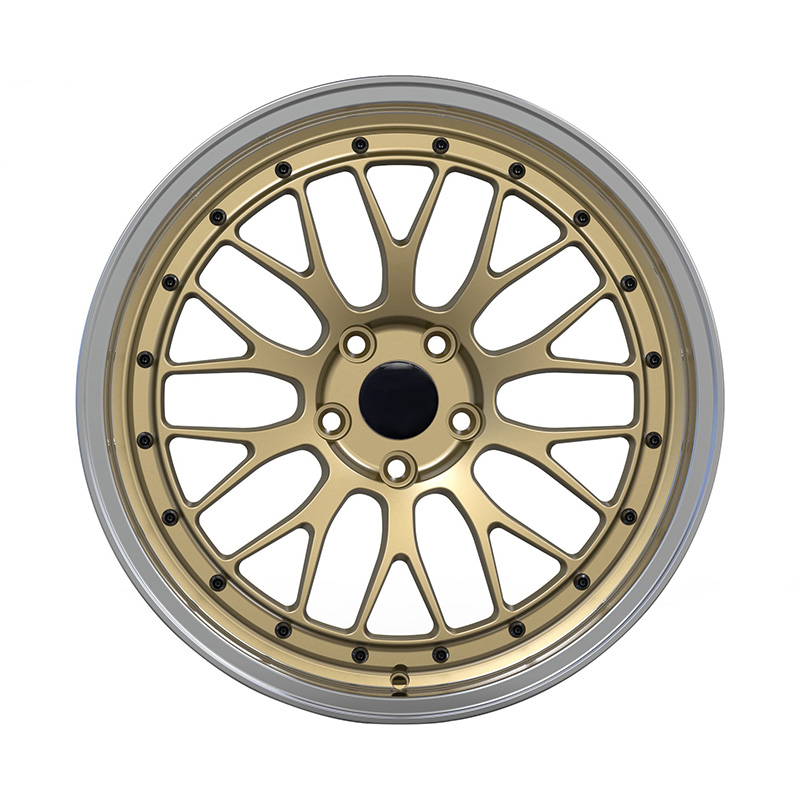


Zhenlun Multi Spokes Split Monoblock Forged Wheels Bronze With Silver Lip Edge
-
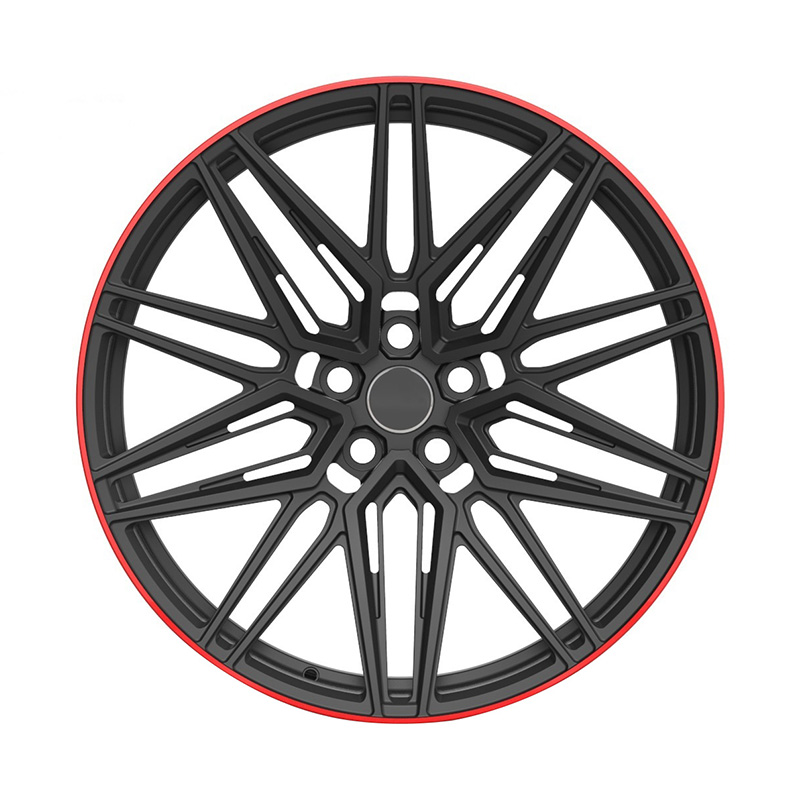
Zhenlun Matt Black With Red Lip Monoblock Forged Wheels
-
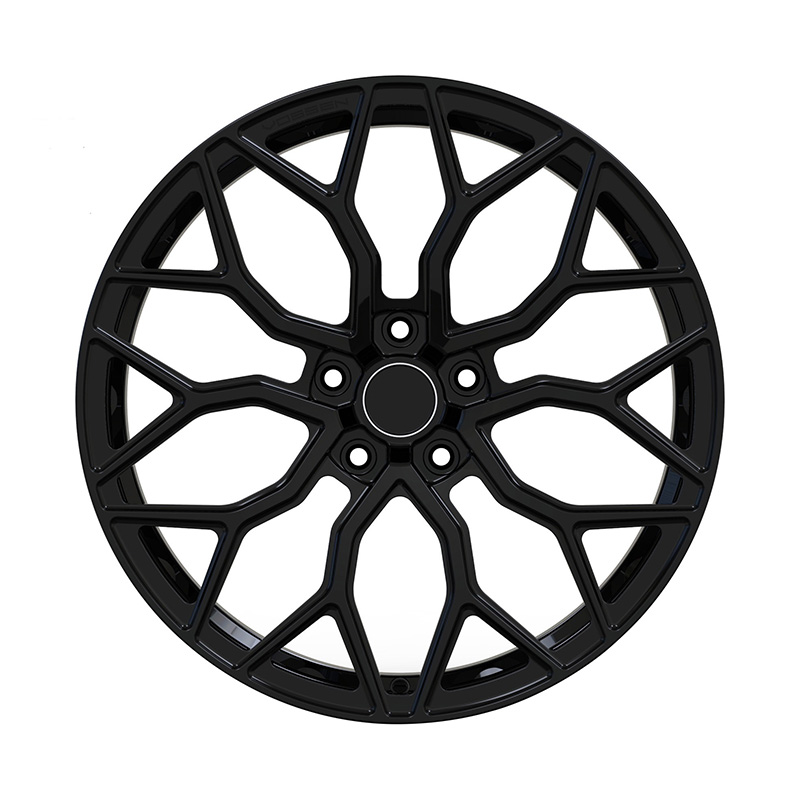
Zhenlun Gloss Black Monoblock Forged Wheels Gloss Black For Sports Car
-
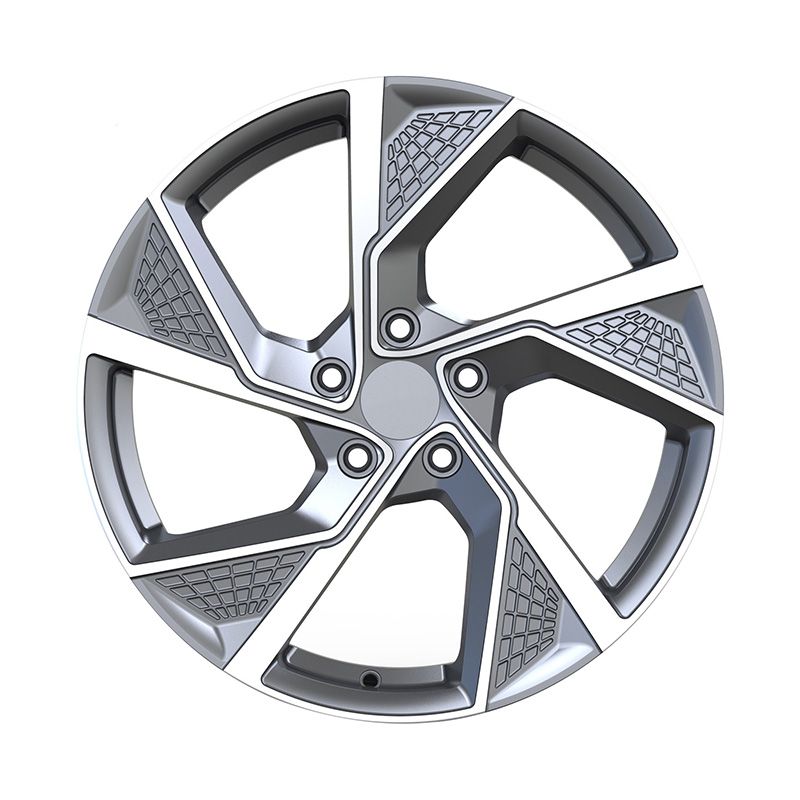
Zhenlun Monoblock Forged Wheels Lightgrey With Machined Face
-
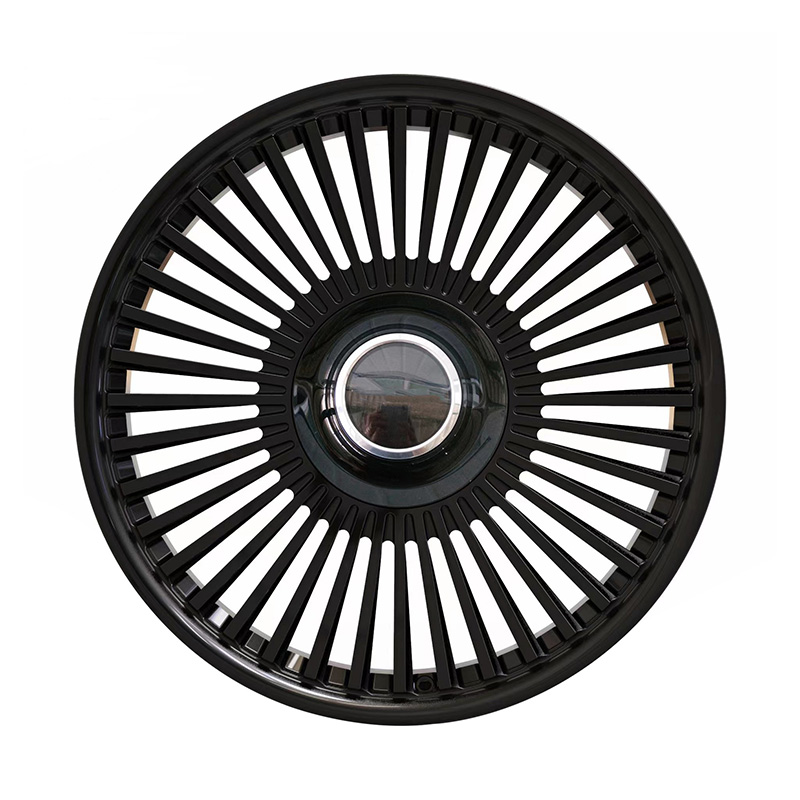
Zhenlun Monoblock Forged Wheels Gloss Black Dense Multi Spoke



Wechat QR code
IAN

JNZL

CONTACT Us
Mobile Site
Copyright© Taizhou Zhenlun Technology Co., Ltd. All Rights Reserved
