
 0
0

 English
 Español
Submit
Submit feedback
6061-T6 Wheels: Does Alloy Temper Matter
2026-10-02
Wheel buyers often see terms such as “6061,” “T6,” and “forged” together on product specifications. They may look like three descriptions of the same thing, but each refers to a different part of the manufacturing story.
6061 identifies the aluminum alloy, while T6 identifies its heat-treated condition. Forging describes how the material is formed. A 6061-T6 Forged Aluminum Alloy Wheel therefore combines an alloy specification, a temper condition, and a forming process rather than relying on a single material label. T6 specifically refers to solution heat treatment followed by artificial aging.
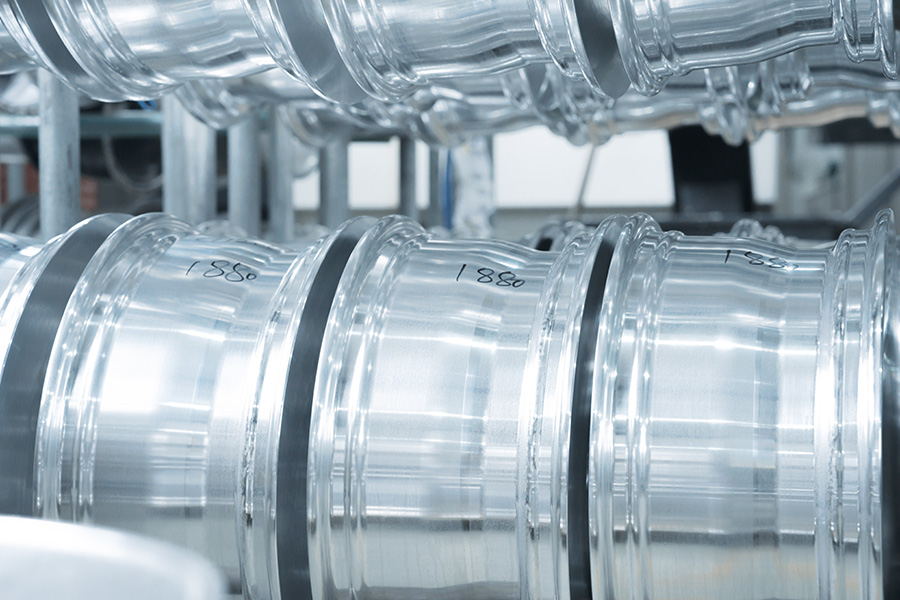
What Does 6061 Tell You?
6061 belongs to the 6000-series aluminum alloys and uses magnesium and silicon as important alloying elements. This composition makes the material responsive to precipitation hardening, which allows its mechanical properties to be changed through controlled heat treatment.
- 6061: Identifies the alloy chemistry.
- T: Indicates a thermally treated condition.
- 6: Specifies solution heat treatment followed by artificial aging.
- Forged: Describes the forming method used to produce the wheel structure.
This distinction is important because two wheels can use the same nominal alloy while having different mechanical properties due to their temper or manufacturing history.
6061 and T6 Are Not the Same Specification
| Term | What It Describes | Why It Matters for Wheels |
| 6061 | Aluminum alloy composition | Defines the material family |
| T6 | Heat-treated temper | Influences strength and hardness |
| Forged | Forming process | Creates the wheel's structural shape |
| CNC Machined | Final machining process | Controls dimensions, pockets, spokes, and mounting areas |
Why Does the T6 Temper Matter?
T6 is not simply an extra letter added to the product name. It represents a controlled thermal treatment that changes the internal structure of the alloy.
The general sequence contains three stages:
- Solution treatment: The forged aluminum is heated so alloying elements enter solid solution.
- Quenching: Rapid cooling retains the dissolved elements in the aluminum structure.
- Artificial aging: Controlled reheating allows fine strengthening precipitates to form.
For 6061, the strengthening process is associated with the formation of fine magnesium-silicon precipitates. Research on forged 6061 automotive wheels found that T6 treatment, together with forging-related grain changes and metal flow, contributes to improved mechanical characteristics.
How Does Heat Treatment Connect With Forging?
Forging and heat treatment perform different jobs. Forging shapes the aluminum under high pressure, while subsequent thermal processing establishes the desired temper.
Research examining 6061 automotive wheels found that hot forging affects grain structure and metal flow, while T6 treatment promotes precipitation that contributes to the resulting mechanical properties.
This means the phrase 6061-T6 Forged Aluminum Alloy Wheel carries more information than “forged aluminum wheel.” It describes both the material condition and the manufacturing route used to create the finished component.
A Simplified Production Sequence
6061 billet → hot forging → solution treatment → quenching → artificial aging → CNC machining → finishing → inspection
Actual production sequences can vary according to wheel architecture and process design, but the relationship between forging and heat treatment remains important. Some manufacturing references place T6 treatment after forging and before final CNC machining.
Does T6 Mean the Wheel Is Automatically Strong?
Not by itself. Temper is an important part of the specification, but wheel performance depends on the complete engineering package.
- Wheel diameter and width
- Spoke geometry and section thickness
- Forging design and material flow
- Heat-treatment control
- CNC machining dimensions
- Load rating and fatigue requirements
- Hub, bolt pattern, and mounting geometry
A properly identified alloy and temper provide useful information, but they do not replace the wheel's engineering specifications or testing data.
Strength Is Not the Only Consideration
Heat treatment involves trade-offs between strength, hardness, ductility, and manufacturing behavior. The T6 condition is widely used because it provides a useful combination of mechanical properties for heat-treatable aluminum alloys.
Published engineering references report typical 6061-T6 tensile and yield values in ranges around 290–310 MPa and 240–270 MPa respectively, although the actual values depend on product form, specification, and test conditions.
| Property to Review | Why It Matters |
| Tensile Strength | Indicates resistance to tensile loading |
| Yield Strength | Relates to resistance against permanent deformation |
| Hardness | Provides an indication of material condition |
| Ductility | Helps describe deformation behavior before fracture |
| Fatigue Performance | Important for components exposed to repeated loading |
Can the Temper Affect Wheel Design?
Yes, because material properties influence how designers approach spoke thickness, pockets, rim sections, and weight distribution. A forged wheel is usually machined extensively after forming, so the relationship between material condition and final geometry matters.
Thin spokes and deep CNC pockets may remove substantial material from the original forging. The final wheel therefore needs to retain sufficient structural section in critical areas around the hub, spokes, and rim.
This is particularly relevant to lightweight performance-oriented wheel designs, where designers may want to remove material without compromising the required load and fatigue characteristics.
Why the Same Diameter Can Have Different Specifications
Two 20-inch forged wheels can have very different designs even though both use 6061-T6 aluminum. Spoke count, wheel width, offset, center bore, load rating, and machining strategy can all change the final product.
That is why a material label should be viewed alongside the complete wheel specification rather than treated as a standalone performance guarantee.
What Should Buyers Check on a Spec Sheet?
- Alloy: Confirm whether the wheel uses 6061 aluminum.
- Temper: Check whether the specified condition is T6.
- Wheel construction: Distinguish forged construction from cast or flow-formed processes.
- Load rating: Compare the rated capacity with the intended vehicle application.
- Dimensions: Review diameter, width, offset, PCD, and center bore.
- Testing: Look for relevant structural, fatigue, or impact test information.
6061-T6 Is a Specification, Not a Marketing Shortcut
The meaning of 6061-T6 Forged Aluminum Alloy Wheel becomes clearer once the three parts are separated. 6061 identifies the alloy, T6 describes its heat-treated condition, and forging explains how the wheel blank is formed.
For wheel buyers and distributors, this distinction makes technical comparison easier. Rather than focusing only on diameter, spoke appearance, or the word “forged,” the specification can be evaluated through alloy, temper, construction, dimensions, load rating, and test information.
A forged wheel starts with its shape, but its material condition helps define what that shape can reliably do.
recommend products
-
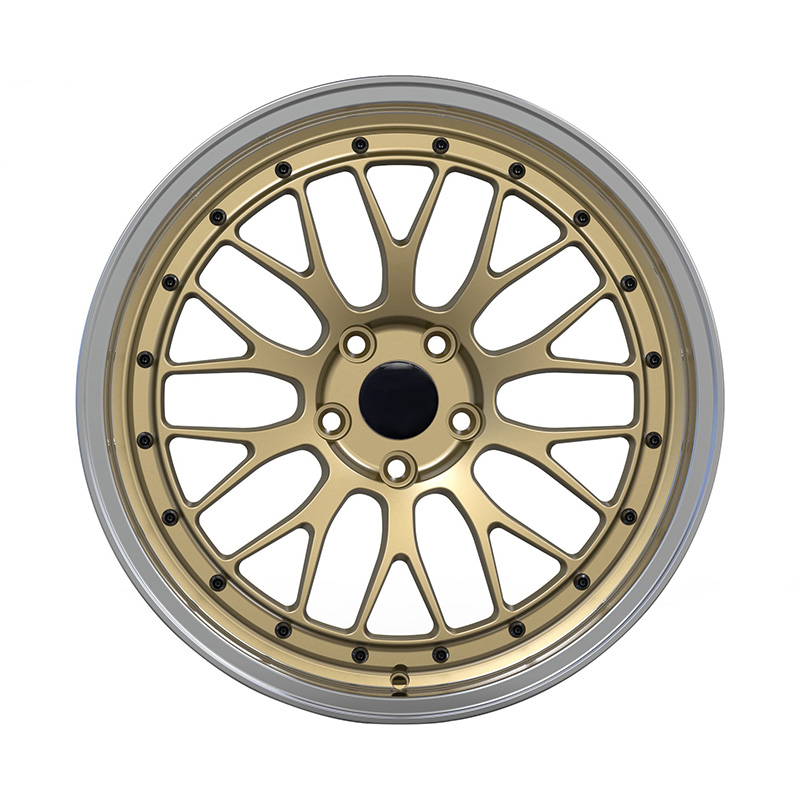


Zhenlun Multi Spokes Split Monoblock Forged Wheels Bronze With Silver Lip Edge
-
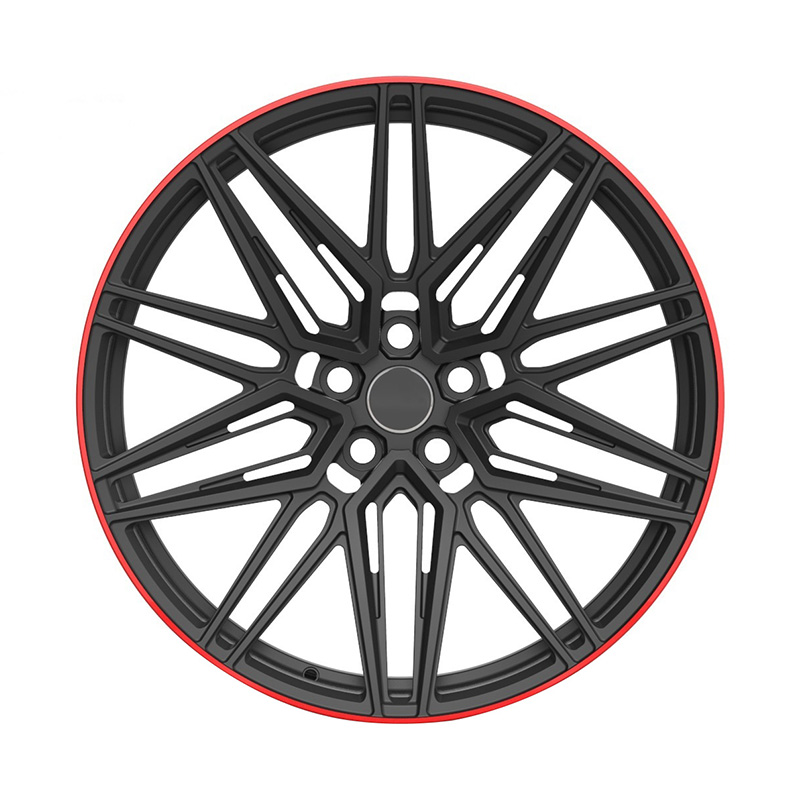
Zhenlun Matt Black With Red Lip Monoblock Forged Wheels
-
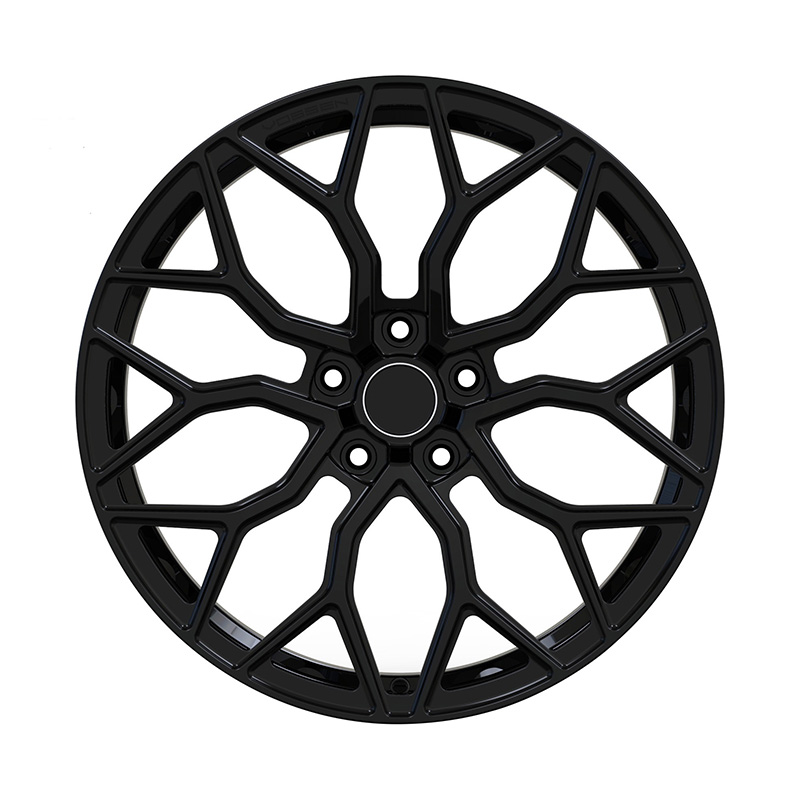
Zhenlun Gloss Black Monoblock Forged Wheels Gloss Black For Sports Car
-
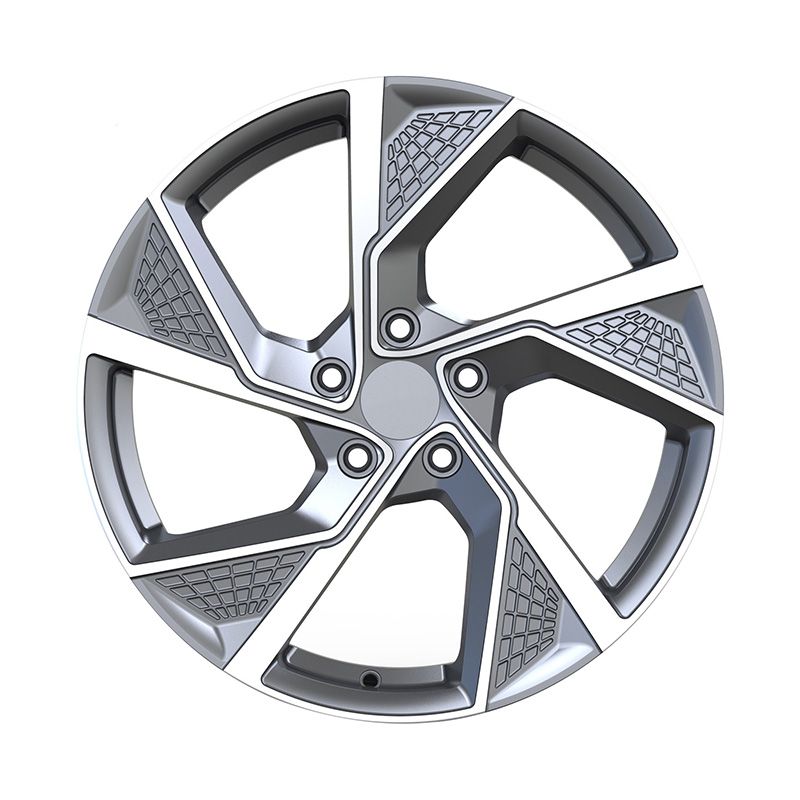
Zhenlun Monoblock Forged Wheels Lightgrey With Machined Face
-
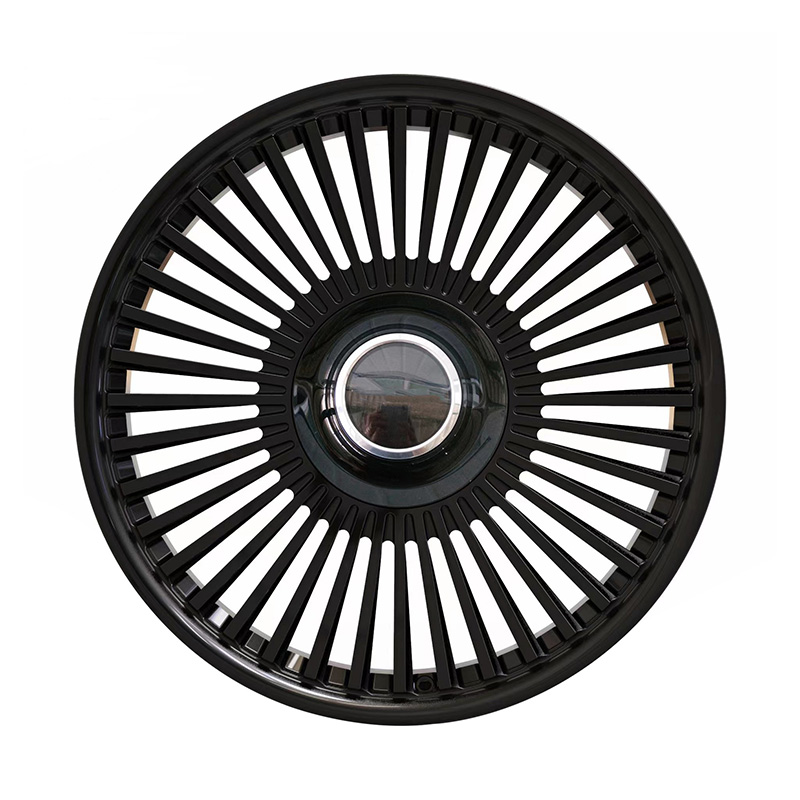
Zhenlun Monoblock Forged Wheels Gloss Black Dense Multi Spoke



Wechat QR code
IAN

JNZL

CONTACT Us
Mobile Site
Copyright© Taizhou Zhenlun Technology Co., Ltd. All Rights Reserved
