
 0
0

 English
 Español
Submit
Submit feedback
Classic Looks Meet Modern Forged Multi-Spoke Design
2026-09-25
Classic cars have a visual language that is difficult to reproduce with a modern wheel. Thin spokes, balanced symmetry, polished lips, and period-inspired center details can instantly change the character of a vehicle. Yet today's enthusiasts often want that appearance without giving up modern wheel dimensions, brake clearance, or forged construction.
That combination has created renewed interest in Forged Multi-Spoke Vintage Wheels. Rather than copying an old wheel without modification, modern designs reinterpret familiar spoke patterns with updated materials, dimensions, and machining methods. Current vintage-inspired forged collections already use 6061-T6 aluminum and offer classic styling with modern fitment options.
Why Do Multi-Spoke Designs Still Look Relevant?
Multi-spoke wheels have existed across several automotive eras, but their visual appeal comes from proportion rather than age alone. A carefully spaced spoke pattern can make a wheel appear larger while keeping the center visually balanced.
- Spoke count: Five, six, ten, and other configurations create different visual rhythms.
- Spoke thickness: Slim spokes produce a lighter visual impression, while broader sections create a stronger classic appearance.
- Spacing: Larger openings expose more of the brake assembly and change the perceived density of the wheel.
- Spoke termination: Spokes reaching toward the outer rim can visually increase wheel diameter.
Current wheel trends continue to include multi-spoke and split-spoke layouts, with 18-inch-and-larger diameters remaining common across modern applications.
Vintage Does Not Have to Mean Small
Many classic vehicles originally used relatively small steel wheels or wheel covers. Modern forged interpretations can retain the visual language while increasing diameter to accommodate contemporary tires and brake systems.
| Classic Element | Modern Interpretation | Design Benefit |
|---|---|---|
| Thin radial spokes | CNC-machined forged spokes | Cleaner and more precise surface definition |
| Polished outer edge | Machined or polished forged lip | Stronger contrast around the wheel perimeter |
| Period center design | Re-engineered center cap | Preserves recognizable styling details |
| Small original diameter | 17–22+ inch modern sizing | Supports contemporary tire and brake packages |
Forging Changes the Way Vintage Designs Can Be Rebuilt
Traditional vintage wheels were often based on stamped steel, cast aluminum, or decorative wheel-cover construction. A modern forged wheel can approach the same visual theme from a different engineering direction.
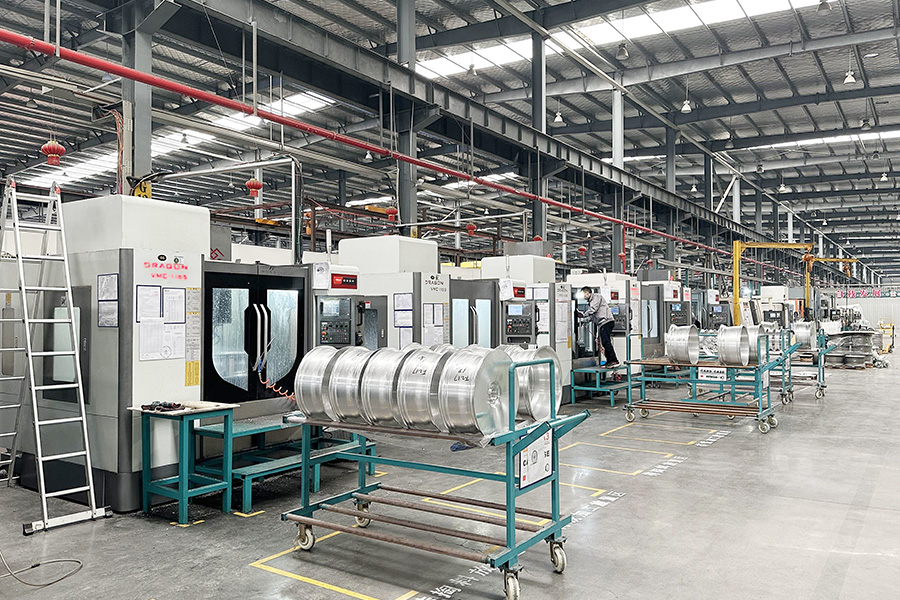
Current vintage forged products demonstrate this transition clearly. Some designs are CNC-machined from forged 6061-T6 aluminum and offered as monoblock wheels, while other configurations use multi-piece construction for applications requiring a deeper lip.
This gives designers more freedom to recreate small visual details without simply reproducing the manufacturing limitations of an older wheel.
6061-T6 Adds a Modern Material Platform
6061-T6 aluminum is widely used in forged wheel construction because it provides a workable combination of strength, machinability, and relatively low density. A forged blank can then be CNC-machined to create detailed spoke transitions, pockets, center sections, and decorative surfaces.
The result is especially useful for vintage-inspired products because classic designs often depend on precise surface contours. A turbine-style center, recessed spoke pocket, or stepped transition can be reproduced with much greater dimensional control through modern CNC machining.
Modern Brakes Create a New Design Challenge
Classic styling does not remove modern mechanical requirements. Many restomod and upgraded vehicles use larger disc brakes than their original factory configuration.
- Spoke curvature needs to provide sufficient caliper clearance.
- Inner barrel dimensions must accommodate the brake assembly.
- Center bore and mounting specifications need to match the vehicle hub.
- Wheel diameter needs to support the intended tire and brake combination.
Some modern vintage-inspired forged wheels specifically incorporate brake-clearance considerations while retaining historical styling cues. The 65/66 SS design, for example, combines a period-inspired turbine center with modern brake ventilation and contemporary fitment options.
Can More Spokes Make a Vintage Wheel Look Too Modern?
Spoke count needs to be controlled carefully. Adding more spokes does not automatically make a design more sophisticated. Dense patterns can move the visual character toward contemporary motorsport or luxury styling, while fewer, clearly defined spokes may retain a stronger historical identity.
The relationship between spoke width and open space matters just as much as the actual number of spokes. A ten-spoke arrangement with generous gaps can appear surprisingly clean, while a five-spoke wheel with excessive machining can look highly modern.
Current forged designs demonstrate both approaches. Multi-spoke products can use thin angular sections and large open windows to expose brake components, while classic collections often use more restrained spoke geometry to preserve their period character.
Finish Can Change the Era of the Same Wheel
A single spoke design can communicate very different moods through its surface treatment. Mirror polish can emphasize a traditional show-car appearance, while brushed aluminum gives the same geometry a more contemporary interpretation.
- Mirror polish: Emphasizes traditional chrome-like visual character.
- Brushed finish: Adds a restrained modern appearance.
- Satin finish: Reduces visual glare while retaining surface definition.
- Two-tone treatment: Separates the center, spokes, and rim visually.
Modern vintage-wheel programs already offer combinations such as polished, brushed, painted, satin, and two-tone finishes, allowing a classic pattern to move toward either restoration-style or restomod styling.
Restomods Are Expanding the Role of Vintage Wheels
The rise of restomod builds has changed the purpose of a vintage-inspired wheel. A restored classic may prioritize historical accuracy, while a restomod can combine an original-looking body with modern suspension, brakes, tires, and wheel dimensions.
That creates room for Forged Multi-Spoke Vintage Wheels to serve two audiences at once. The exterior can reference a particular automotive era, while the underlying wheel is engineered around today's vehicle requirements.
| Build Type | Typical Wheel Direction | Styling Priority |
| Concours-style restoration | Period-correct dimensions | Historical appearance |
| Restomod | Larger forged diameter | Classic design with modern hardware |
| Pro-touring build | Performance-oriented multi-spoke | Brake clearance and contemporary stance |
| Modern classic | Vintage-inspired custom fitment | Retro character with updated proportions |
Classic Styling Is Becoming a Design Starting Point
The appeal of vintage wheels is no longer limited to restoring an old appearance exactly as it once was. Designers can take a familiar spoke arrangement, adjust its proportions, machine it from forged 6061-T6 aluminum, and adapt the fitment for a modern vehicle.
That approach explains why classic multi-spoke themes continue to appear in contemporary forged-wheel collections. The design language may come from another automotive era, but the engineering behind it does not have to stay there.
The new interpretation of vintage wheels is not simply about looking backward. It is about using a classic visual idea as the foundation for a wheel designed around today's cars.
recommend products
-
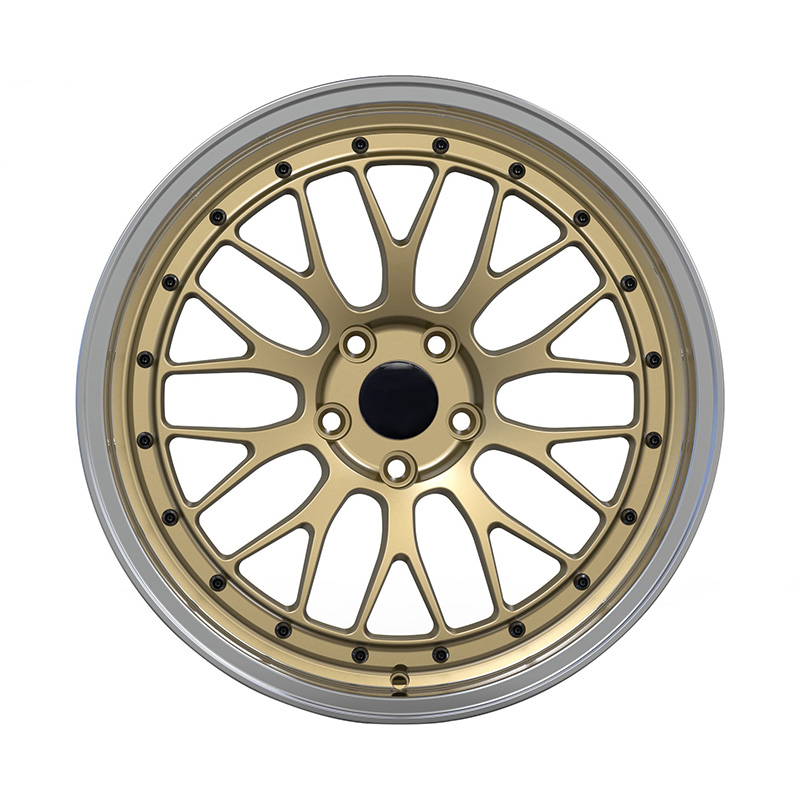


Zhenlun Multi Spokes Split Monoblock Forged Wheels Bronze With Silver Lip Edge
-
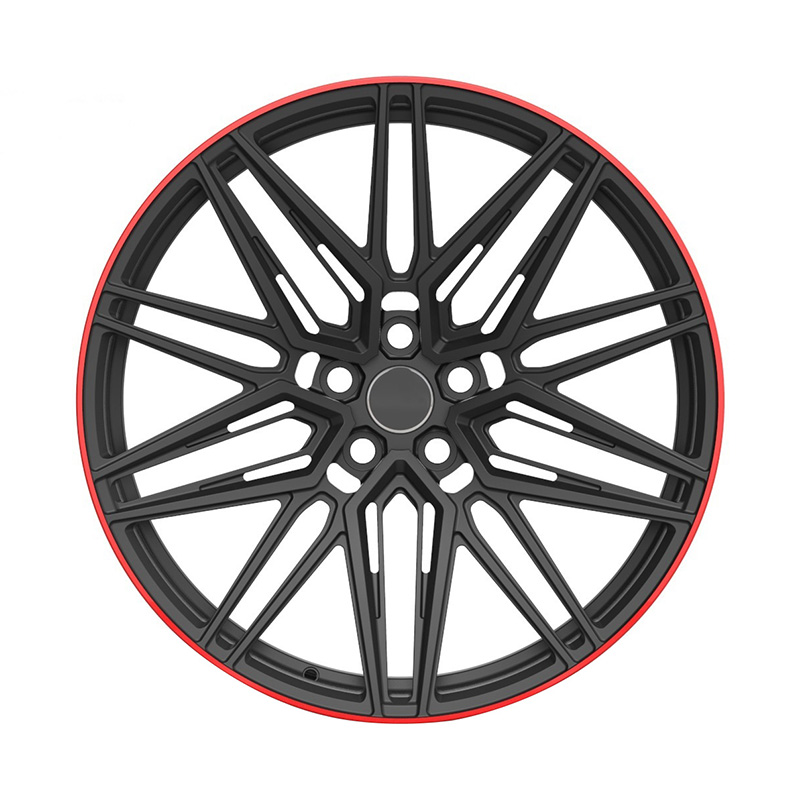
Zhenlun Matt Black With Red Lip Monoblock Forged Wheels
-
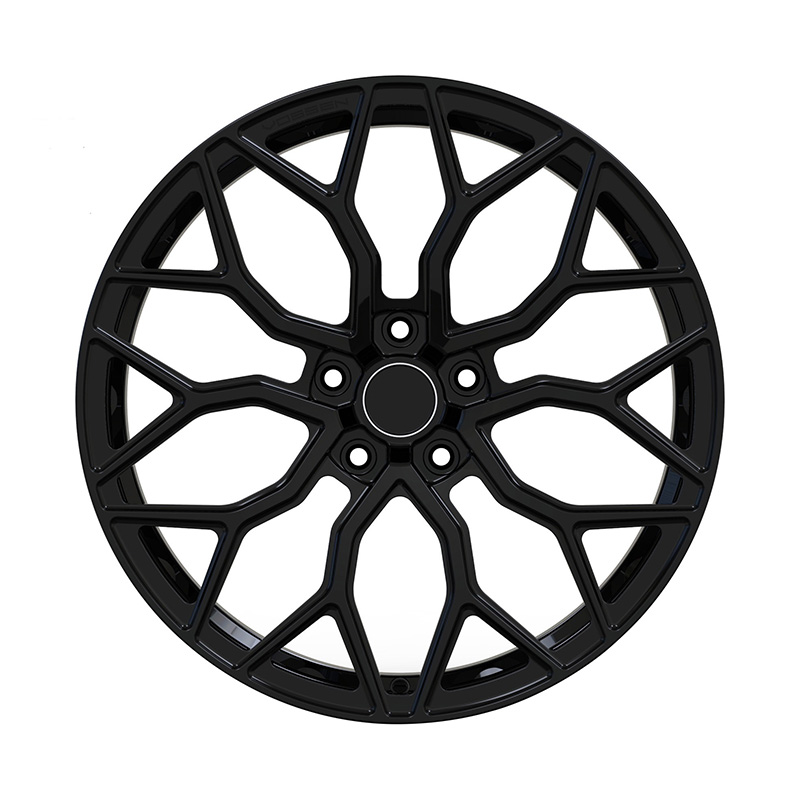
Zhenlun Gloss Black Monoblock Forged Wheels Gloss Black For Sports Car
-
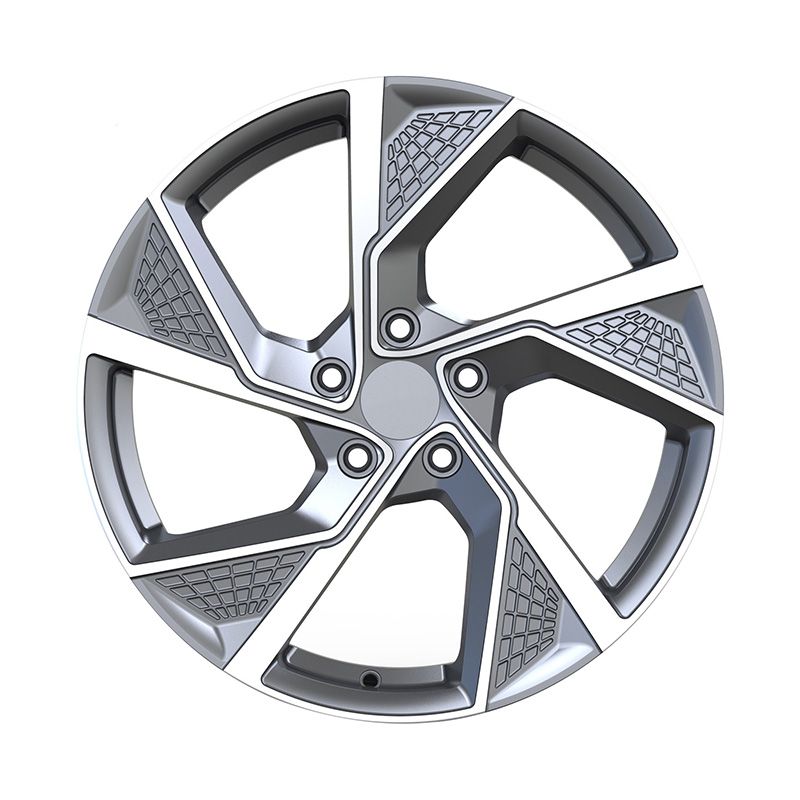
Zhenlun Monoblock Forged Wheels Lightgrey With Machined Face
-
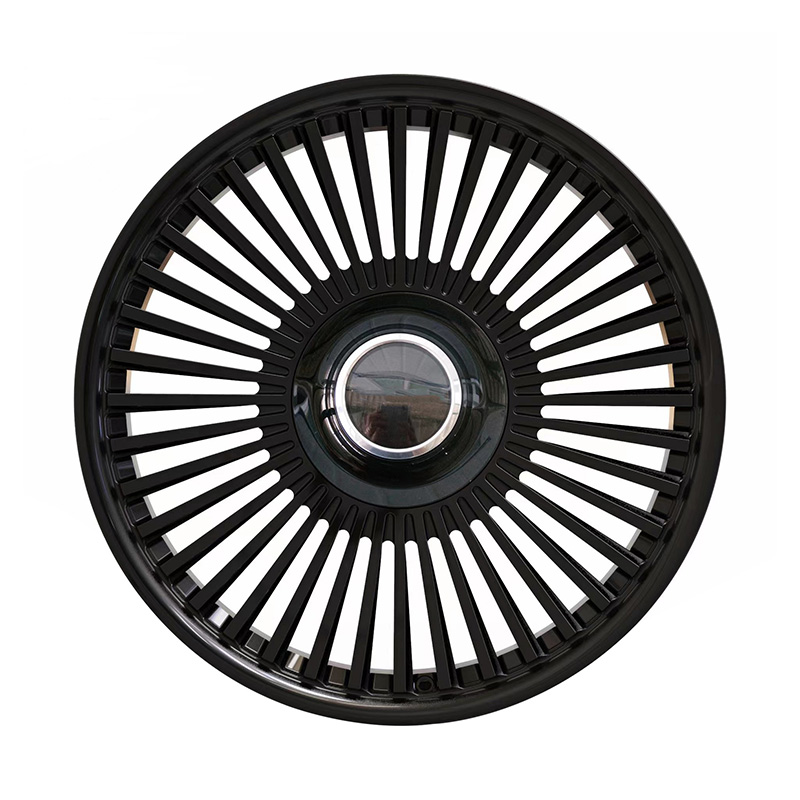
Zhenlun Monoblock Forged Wheels Gloss Black Dense Multi Spoke



Wechat QR code
IAN

JNZL

CONTACT Us
Mobile Site
Copyright© Taizhou Zhenlun Technology Co., Ltd. All Rights Reserved
