
 0
0

 English
 Español
Submit
Submit feedback
2-Piece Deep Dish Wheels Open Up New Fitment Ideas
2026-09-18
Deep dish wheels have a visual character that is difficult to reproduce with a conventional one-piece design. The broad outer lip, recessed center, and strong rim-to-spoke contrast can completely change the proportions of a vehicle. Yet the appearance of a deep dish is closely connected with wheel width, offset, barrel construction, and available clearance.
A 2 Piece Deep Dish Forged Wheel offers an interesting solution because its forged center and separate barrel give designers more control over the relationship between the wheel face and outer rim. Current 2-piece forged wheel programs commonly support custom widths, offsets, lip profiles, and vehicle-specific fitment.
What Creates the Deep Dish Profile?
The deep dish effect does not come simply from increasing wheel diameter. It develops from the position of the spoke face relative to the outer rim. Width and offset are particularly important variables.
- Wheel width: A wider barrel can create more physical room for an outer lip.
- Offset: A lower ET can position the wheel face farther inward and increase visible dish.
- Barrel design: The separate barrel provides another dimension for controlling the outer rim structure.
- Spoke position: A more recessed face changes the visual relationship between spokes and lip.
Current deep-dish wheel references describe the relationship in similar terms: greater width combined with a suitable lower offset can produce a deeper visible lip, although brake and body clearance still establish the practical limit.
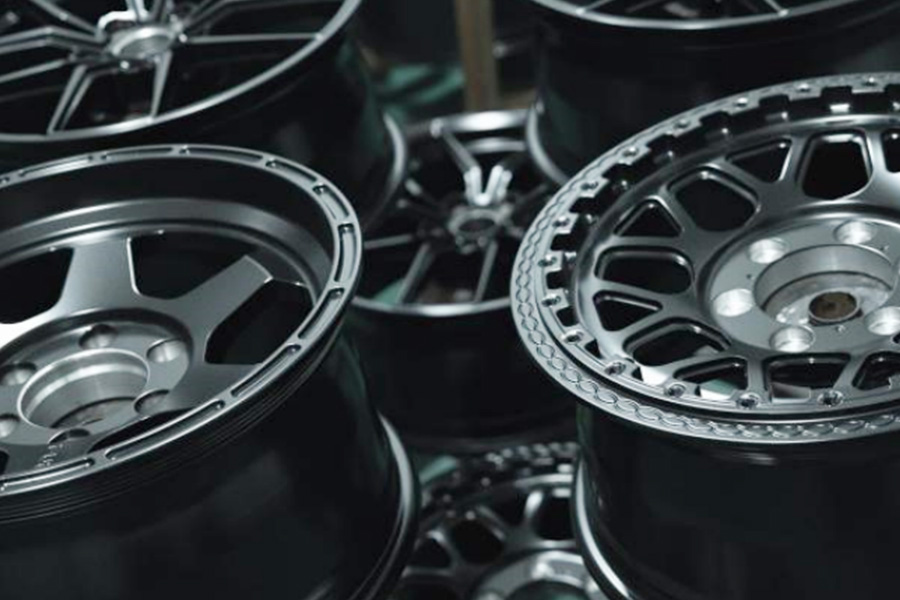
Diameter Alone Does Not Decide Lip Depth
Consider two wheels that are both 20 inches in diameter. A 20×8.5J configuration and a 20×11J configuration can have very different visual profiles. The wider wheel provides more space for a pronounced lip, while the offset determines where the wheel sits relative to the vehicle.
This is why a 20-inch wheel does not automatically have a deep dish appearance. The complete specification needs to be considered as a package.
Why Does 2-Piece Construction Add More Options?
A 2-piece wheel generally combines a forged center with a separate barrel. This architecture creates a clear division between the wheel face and rim section, making it particularly suitable for builds that prioritize lip depth or a distinct center-and-lip appearance.
| Design Element | Possible Direction | Visual Result |
| Forged Center | Different spoke patterns and face profiles | Changes the character of the wheel face |
| Outer Barrel | Different lip dimensions and profiles | Creates stronger deep-dish definition |
| Offset | Vehicle-specific ET specification | Changes stance and face position |
| Finish Separation | Different center, lip, and barrel finishes | Creates greater visual contrast |
Some current 2-piece forged ranges support diameters around 16–24 inches, with widths configured according to the intended application. Other deep-dish forged products extend beyond this range, demonstrating how broad the customization envelope can become.
Fitment Can Become a Design Tool
Fitment is usually discussed as a technical requirement, but with deep dish wheels it also becomes part of the styling process. The chosen PCD, center bore, width, and offset determine how the wheel occupies the wheel arch.
- A wider rear wheel can create a stronger lip effect on staggered vehicles.
- Different front and rear offsets can maintain appropriate clearance while preserving a cohesive appearance.
- Custom center bore specifications can match different vehicle hubs.
- Brake clearance needs to be checked before the final face position is established.
Current custom 2-piece products are offered with vehicle-specific PCD, offset, center bore, and brake-clearance considerations rather than treating every wheel as a universal specification.
Staggered Fitment Creates Another Possibility
Sports cars and performance-oriented builds can use different wheel widths at the front and rear. A setup such as 19×9J at the front and 19×11J at the rear can create noticeably different lip proportions while retaining the same wheel diameter.
The exact dimensions need to match the vehicle, tire, suspension, and brake package. The point is that a 2-piece construction provides a useful platform for treating front and rear fitment as separate engineering problems rather than forcing identical dimensions across all four corners.
Deep Dish Does Not Mean Unlimited Lip Depth
There is a physical limit to how far the wheel face can move inward. A deeper lip can push the spokes closer to the brake assembly, while increasing wheel width may bring the outer edge closer to the fender.
Current deep-dish specifications show this trade-off clearly. One forged 6061-T6 deep-dish wheel range lists widths from 8J to 13J and offsets from -44 to +70, but the manufacturer still treats brake clearance and vehicle fitment as part of the specification.
| Target | Useful Specification to Review |
| Deeper outer lip | Wheel width + offset + barrel profile |
| Large brake package | Spoke profile + caliper clearance |
| Flush stance | Offset + tire width + fender space |
| Staggered setup | Front/rear width and ET combinations |
| Custom appearance | Center, lip, barrel, and hardware finishes |
Finish Separation Adds Another Layer
The physical construction of a 2-piece wheel also creates opportunities for visual separation. A polished outer lip paired with a darker forged center can emphasize the depth of the barrel. Brushed, satin, gloss, or two-tone treatments can produce completely different impressions without changing the basic wheel dimensions.
Current 2-piece forged wheel programs offer combinations such as polished lips, contrasting centers, brushed surfaces, and two-tone finishes.
This makes the wheel suitable for very different vehicle themes, ranging from classic restorations and restomods to modern performance cars and wide-body builds.
Is a 2-Piece Deep Dish Wheel Right for Every Build?
Not necessarily. A deep-dish profile works particularly well when the vehicle has enough room for the intended width and offset. Wide-body cars, classic vehicles, restomods, luxury sedans, and stance-oriented builds can provide more opportunities for a pronounced outer lip.
Vehicles with limited fender room or large brake packages may require a shallower lip or a different spoke architecture. The useful approach is to establish the vehicle's actual dimensions before deciding how much dish the wheel should have.
Fitment First, Deep Dish Second
A 2 Piece Deep Dish Forged Wheel gives designers more room to explore wheel width, lip depth, offset, finishes, and face profiles. Its value is not simply the ability to create a larger outer lip. The separate center and barrel allow the wheel specification to be developed around the vehicle rather than forcing the vehicle to accept a fixed wheel configuration.
For buyers comparing deep-dish products, the useful specification list goes beyond diameter. PCD, center bore, width, ET, barrel profile, brake clearance, tire size, and load rating should all be reviewed together.
The result is a more practical way to approach deep-dish styling: build the fitment around the car, then let the lip become part of the design.
recommend products
-
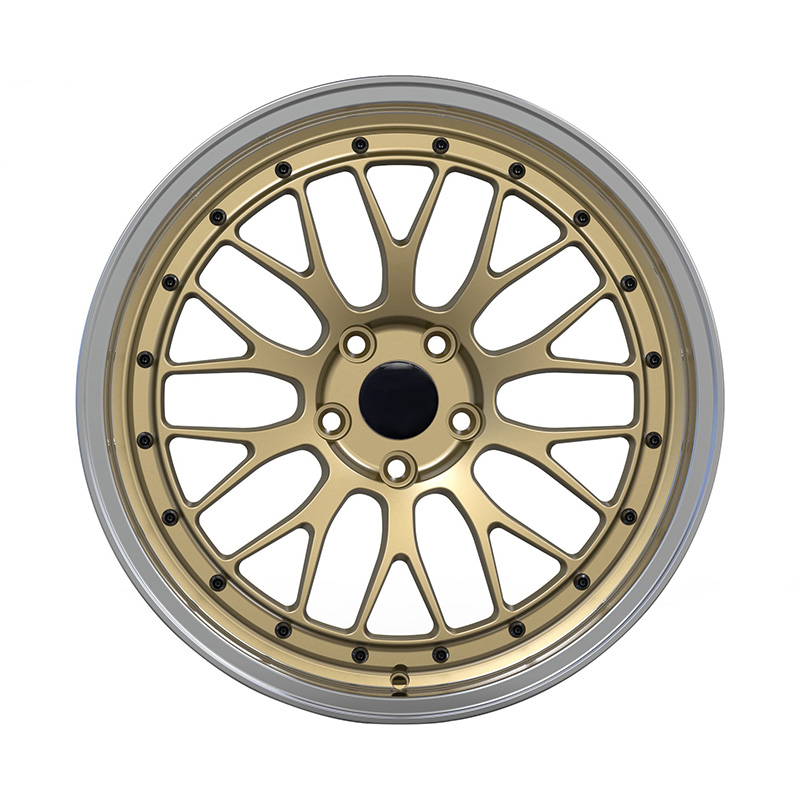


Zhenlun Multi Spokes Split Monoblock Forged Wheels Bronze With Silver Lip Edge
-
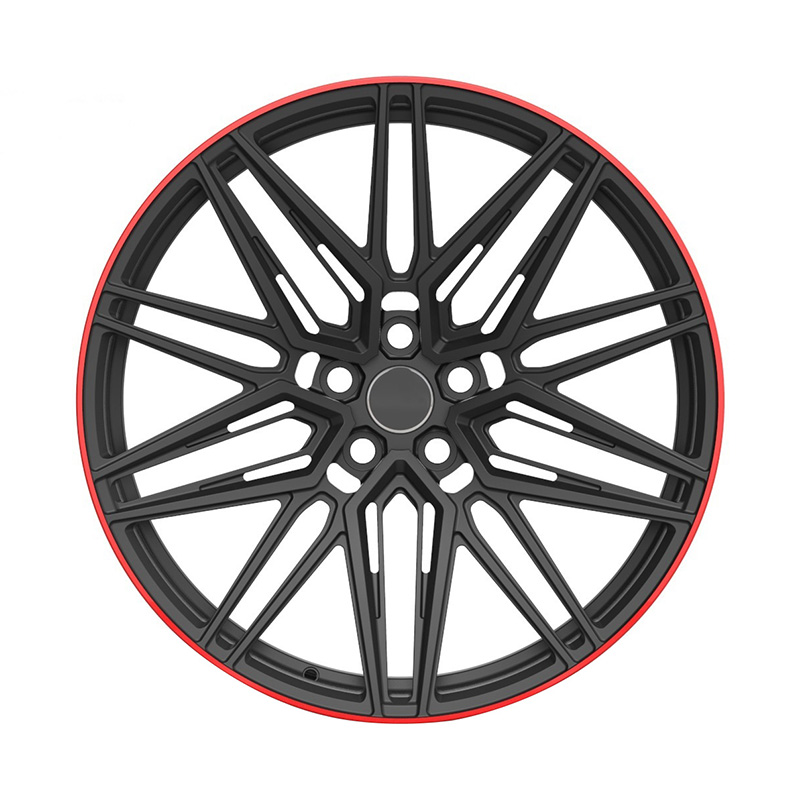
Zhenlun Matt Black With Red Lip Monoblock Forged Wheels
-
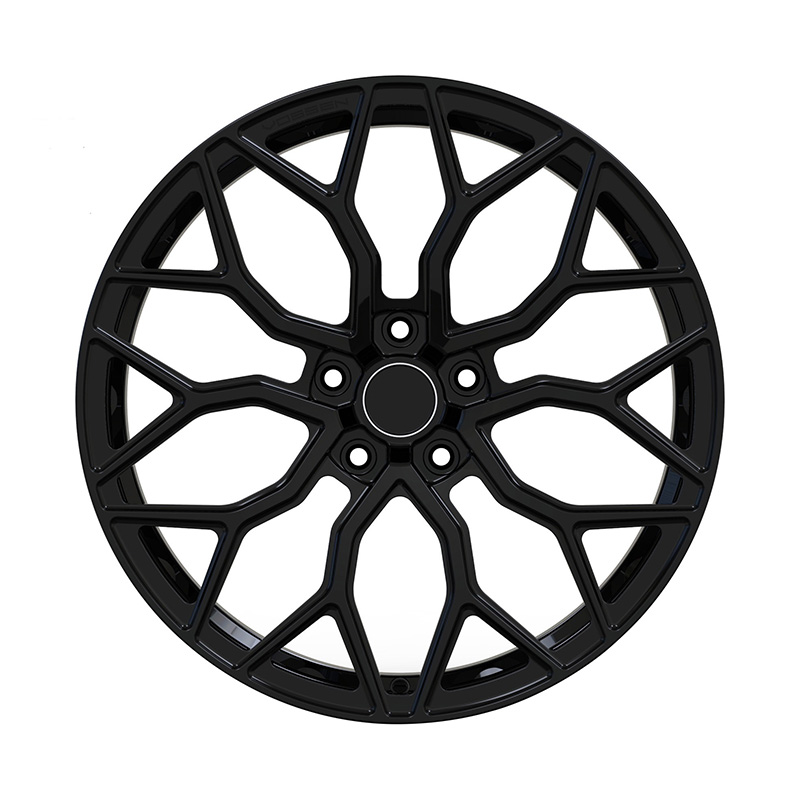
Zhenlun Gloss Black Monoblock Forged Wheels Gloss Black For Sports Car
-
Zhenlun Monoblock Forged Wheels Lightgrey With Machined Face
-
Zhenlun Monoblock Forged Wheels Gloss Black Dense Multi Spoke



Wechat QR code
IAN

JNZL

CONTACT Us
Mobile Site
Copyright© Taizhou Zhenlun Technology Co., Ltd. All Rights Reserved
