
 0
0

 English
 Español
Submit
Submit feedback
Chrome Beadlock Wheels: Style or Real Off-Road Function
2026-09-11
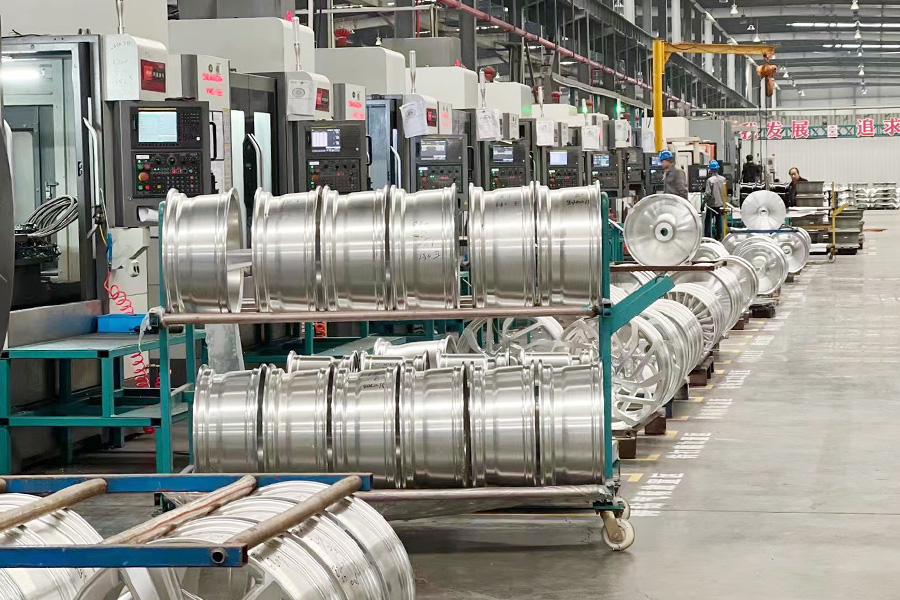
Chrome wheels have traditionally been associated with visual impact, while beadlock wheels are closely connected with serious off-road driving. Combining these two ideas creates an interesting product category: Chrome Beadlock Forged Wheels.
The question is whether a chrome-style beadlock wheel is simply designed to attract attention or whether it can provide genuine tire-retention benefits on difficult terrain. The answer depends largely on the construction. A true beadlock uses a bolted outer ring to mechanically clamp the tire bead against the wheel, while a simulated beadlock ring is mainly decorative.
Chrome Changes the Look, Not the Beadlock Function
A polished or chrome finish can give an off-road vehicle a very different character. Instead of the common matte black or bronze appearance, reflective surfaces create a stronger contrast against large all-terrain tires and darker bodywork.
Yet the finish itself does not determine whether a wheel is a functional beadlock.
- Chrome or polished finish: Primarily influences appearance and surface presentation.
- Beadlock ring: Determines whether the tire bead receives mechanical clamping.
- Forged construction: Provides the structural foundation for demanding wheel applications.
- Hardware: Connects the ring to the wheel and contributes to the clamping assembly.
True Beadlock vs. Simulated Beadlock
This distinction matters more than the finish. A true beadlock physically secures the tire bead with an external ring. A simulated version can use decorative bolts or a molded ring to reproduce the same appearance, but the tire remains seated through conventional rim geometry and air pressure.
| Feature | True Beadlock | Simulated Beadlock |
| Outer Ring | Functional clamping component | Primarily decorative |
| Tire Retention | Mechanical bead clamping | Conventional tire seating |
| Low-Pressure Use | Designed for specialized off-road applications | Does not provide mechanical bead retention |
| Visual Style | Can use aggressive beadlock styling | Replicates beadlock appearance |
Why Low Tire Pressure Changes Everything
Off-road drivers sometimes reduce tire pressure to increase the tire footprint on sand, rocks, mud, or other soft terrain. As pressure decreases, the force holding the tire bead against the rim also falls. A mechanical beadlock can help keep the tire seated under conditions where conventional air pressure provides less retention.
This makes the beadlock ring more than a styling element. Some current forged designs use a forged 6061-T6 aluminum ring specifically to clamp the tire bead, with examples using multiple high-strength bolts around the circumference.
A Typical Product Specification
Actual specifications vary according to diameter, width, vehicle application, and manufacturer. Current forged beadlock products demonstrate how detailed the hardware package can become. One example uses a 17×9-inch wheel with a forged 6061-T6 ring, while another 17-inch platform uses 24 Grade 8 steel bolts with a 3/8"-16 thread and 1.25-inch bolt length.
- Wheel diameter: commonly 17 inches and above for truck and SUV applications
- Material: forged 6061-T6 aluminum is used in various wheel and ring designs
- Ring: external bolted beadlock ring for true bead retention
- Hardware: Grade 8 steel or other application-specific fasteners
- Fitment: bolt pattern, offset, center bore, and backspacing require vehicle-specific matching
Can Chrome Work on a Serious Off-Road Wheel?
It can, but the finish should not be confused with the wheel's mechanical capability. Chrome or polished surfaces can create a distinctive appearance for trucks, SUVs, and custom builds, while the underlying forged structure and beadlock system handle the functional requirements.
Some current off-road forged wheel ranges offer chrome alongside finishes such as polished silver, gunmetal, bronze, and matte black. This shows that reflective finishes are not limited to show-oriented wheel designs.
Still, buyers should examine the complete product specification rather than judging a wheel by its exterior appearance. A visually aggressive ring does not automatically mean that the wheel is a true beadlock.
Fitment Matters More Than the Finish
A chrome beadlock wheel can look impressive on a display vehicle yet still be unsuitable for a particular truck. Bolt pattern, offset, center bore, backspacing, brake clearance, and tire dimensions all need to match the application. Manufacturers commonly provide these specifications because wheel fitment cannot be determined from diameter alone.
- Check the vehicle's bolt pattern before ordering.
- Compare offset and backspacing with the intended tire setup.
- Confirm brake-caliper and suspension clearance.
- Verify the wheel's load rating against the vehicle and driving conditions.
- Determine whether the ring is functional or cosmetic.
Street Use Raises a Separate Question
True beadlock wheels are generally associated with specialized off-road applications, and many manufacturers identify them as off-road products. Road-use requirements can vary by location, so buyers should check applicable regulations rather than assuming that a functional beadlock is automatically suitable for public-road use.
This creates two distinct product directions. A simulated beadlock may suit drivers who mainly want the rugged appearance, while a true beadlock is intended for applications where mechanical tire retention at reduced pressure is part of the driving requirement.
Style and Function Can Coexist
Chrome Beadlock Forged Wheels do not have to be purely cosmetic. Their appearance can come from the chrome or polished finish, while the actual off-road function comes from the wheel structure, beadlock ring, fasteners, and tire-seating design.
The key is understanding what is behind the visual details. A reflective finish may attract attention, but a properly engineered beadlock system determines whether the wheel offers genuine bead retention. For buyers comparing products, the useful question is therefore not simply whether the wheel looks like a beadlock, but whether the ring actually performs the job.
Chrome brings the style; the beadlock construction determines the function.
recommend products
-
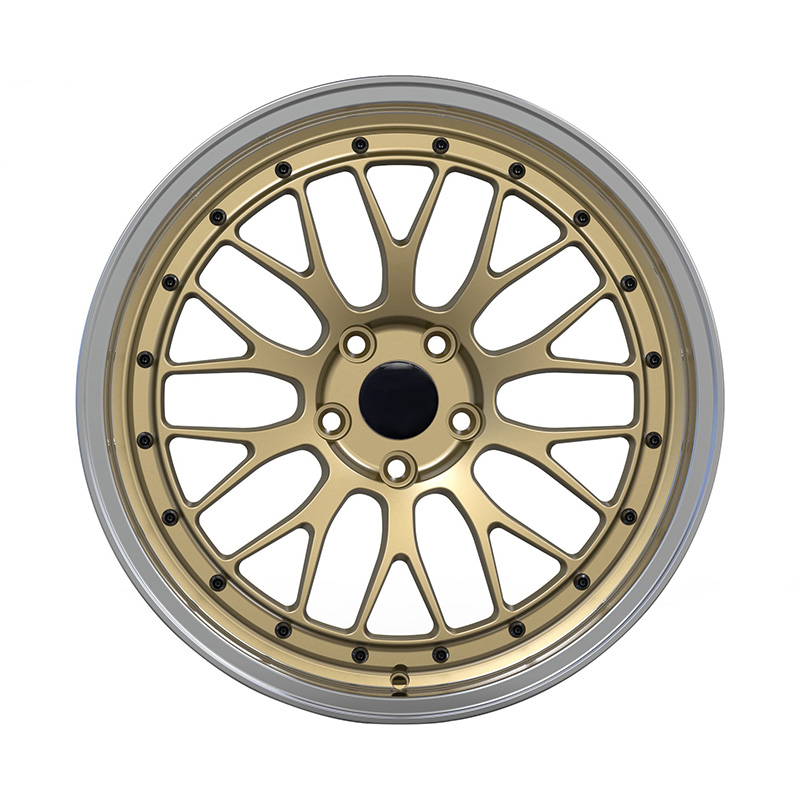


Zhenlun Multi Spokes Split Monoblock Forged Wheels Bronze With Silver Lip Edge
-
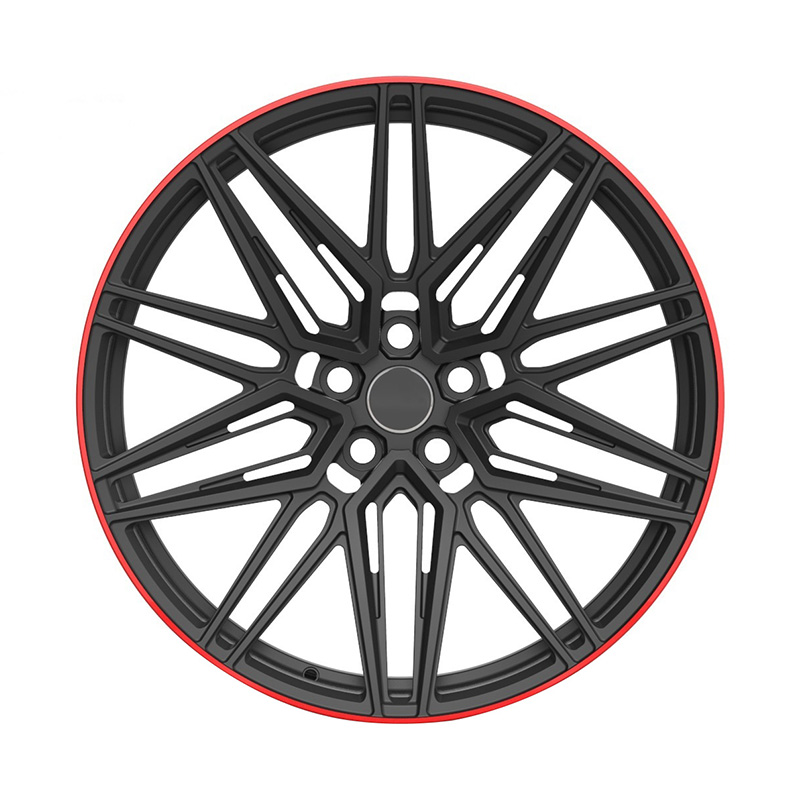
Zhenlun Matt Black With Red Lip Monoblock Forged Wheels
-
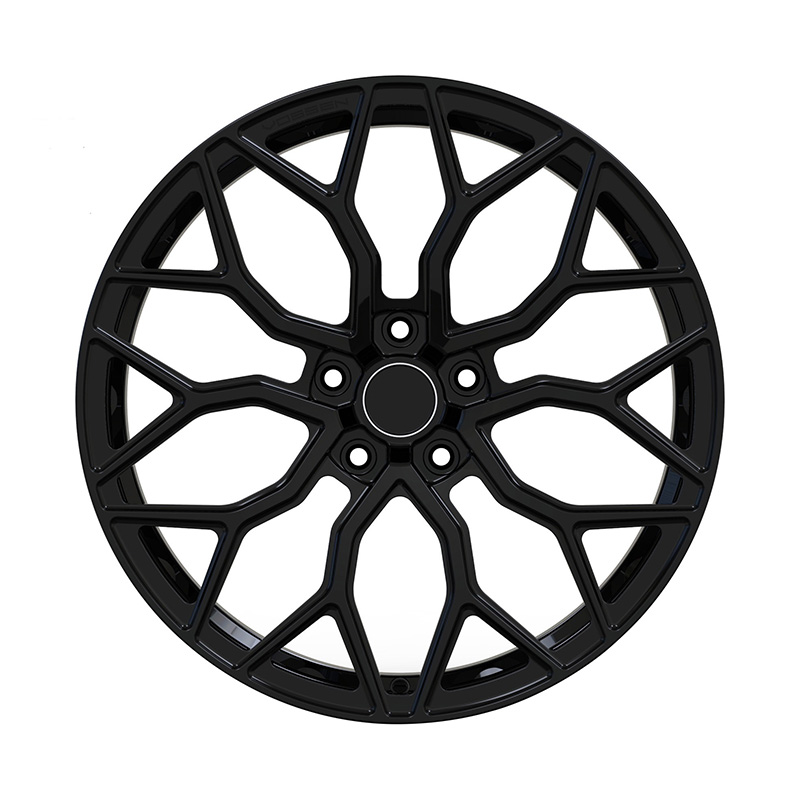
Zhenlun Gloss Black Monoblock Forged Wheels Gloss Black For Sports Car
-
Zhenlun Monoblock Forged Wheels Lightgrey With Machined Face
-
Zhenlun Monoblock Forged Wheels Gloss Black Dense Multi Spoke



Wechat QR code
IAN

JNZL

CONTACT Us
Mobile Site
Copyright© Taizhou Zhenlun Technology Co., Ltd. All Rights Reserved
