
 0
0

 English
 Español
Submit
Submit feedback
Deep Concave Wheels: Is More Depth Always Better
2026-09-04
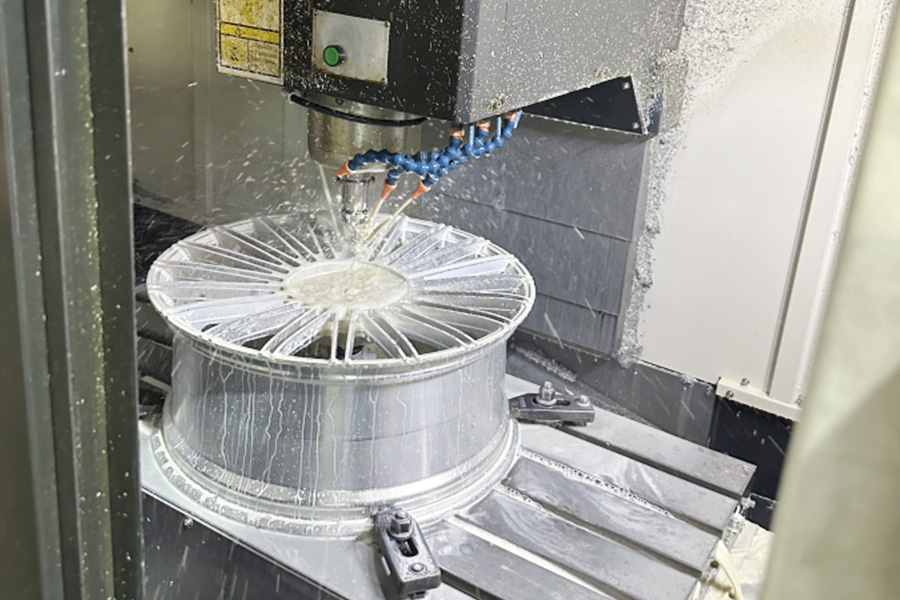
Deep concave wheels have become a strong visual choice for sports cars, performance sedans, widebody builds, and modified vehicles. A recessed wheel face can make the rim appear wider and give the vehicle a more aggressive stance. Yet, deeper does not automatically mean better.
The design of Forged Monoblock Deep Concave Wheels depends on several dimensions working together. Wheel width, offset, brake clearance, spoke geometry, tire size, and suspension space all influence how much concavity a wheel can realistically use. Current forged-wheel designs commonly treat concavity as a fitment decision rather than an isolated styling feature.
Concavity Is More Than Visual Depth
A concave wheel has spokes that move inward from the outer rim toward the hub. The greater this inward movement, the deeper the visual profile appears. However, the available space behind the wheel face determines whether that shape can actually be produced.
- Wheel width: A wider wheel can provide additional room for a deeper face profile.
- Offset: ET position changes the relationship between the mounting face, barrel, and vehicle body.
- Brake clearance: Large calipers may require spokes to remain farther forward near the hub.
- Suspension clearance: The inner barrel must avoid contact with struts, links, and other components.
- Tire and fender space: An aggressive offset can create additional outer clearance concerns.
Why Width and Offset Matter
Imagine two 20-inch wheels using the same spoke design. One may be 20×8.5J while another is 20×11J. Their visual concavity does not have to be identical because the available geometry is different.
Offset also changes the position of the mounting surface. A lower offset can help create a more pronounced face, but excessive outward positioning may increase the possibility of fender or tire contact. This is why a deep profile cannot be judged from wheel diameter alone.
When Does Deep Become Too Deep?
There is no universal concavity measurement that suits every vehicle. A 19×8.5J wheel with an ET42 fitment, for example, has a very different design envelope from a wider rear wheel with a substantially lower ET. One current forged-wheel reference demonstrates deep concavity on a 19×8.5J ET42 configuration, showing that face depth has to be considered alongside the complete fitment package.
| Design Factor | Effect on Concave Profile | Potential Limitation |
| Wheel Width | Creates room for a deeper spoke transition | Requires suitable tire and body clearance |
| Offset (ET) | Changes mounting-face position and stance | Too aggressive a setting can cause rubbing or excessive poke |
| Brake Package | Determines available space around the spokes | Large calipers may restrict spoke depth |
| Spoke Shape | Controls the visual and structural transition toward the hub | Thin or highly curved sections require careful engineering |
Why Monoblock Construction Changes the Design Conversation
Forged Monoblock Deep Concave Wheels combine the wheel face, spokes, and rim into a single forged structure. This gives designers a direct platform for creating a continuous concave profile without a separate center-to-rim assembly.
Modern forged monoblock products are also available in different diameter and width combinations. For example, some current 6061-T6 forged monoblock ranges cover approximately 18 to 22 inches with widths extending from 8.5 to 13 inches, depending on the model. Motorsport-oriented examples can also carry substantial load ratings while retaining a concave profile.
Deep Face vs. Practical Fitment
A dramatic face can attract attention, but the wheel still needs to perform its basic job without interference. Brake caliper clearance is particularly important because the spokes may approach the caliper at the inner section of the wheel face. A wheel that clears the barrel does not necessarily have sufficient spoke clearance.
- Check the actual brake-caliper envelope rather than relying only on wheel diameter.
- Review inner barrel clearance against suspension components.
- Compare wheel width and ET with the intended tire dimensions.
- Consider front and rear fitments separately on staggered applications.
Is a Moderate Concave Profile Sometimes Better?
Yes. A moderate concave profile can produce a balanced appearance while leaving additional room around the brakes, suspension, and fender. This can be especially useful on front axles where steering movement and brake packaging may restrict available face depth.
Rear wheels often have more freedom to use wider dimensions, which is why staggered setups can show a visibly deeper rear profile than the front. Rather than forcing identical concavity across all four wheels, designers can adjust the face according to the actual vehicle geometry.
The Better Question: How Much Depth Fits the Build?
Deep concavity works best as part of a complete wheel specification. Diameter alone cannot determine the result. A practical design review should connect diameter + width + ET + brake clearance + spoke architecture + tire size.
That approach makes Forged Monoblock Deep Concave Wheels more than a visual upgrade. Their recessed face can be tailored to the proportions and mechanical constraints of a specific vehicle, while the forged construction provides a suitable foundation for detailed spoke and rim engineering.
The takeaway is simple: more concavity creates more visual drama, but the right concavity creates a better-balanced wheel.
recommend products
-
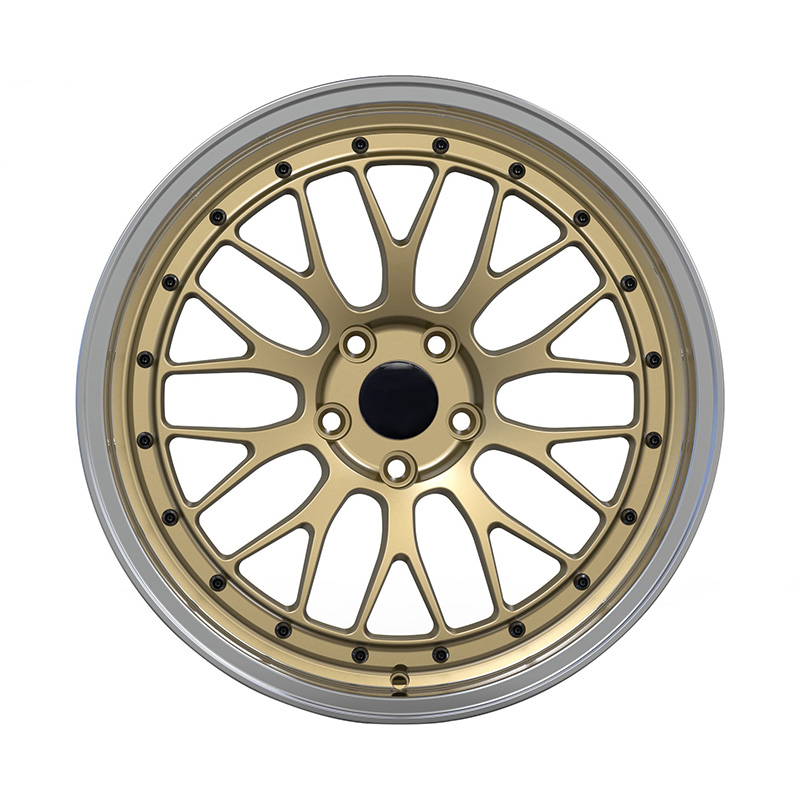


Zhenlun Multi Spokes Split Monoblock Forged Wheels Bronze With Silver Lip Edge
-
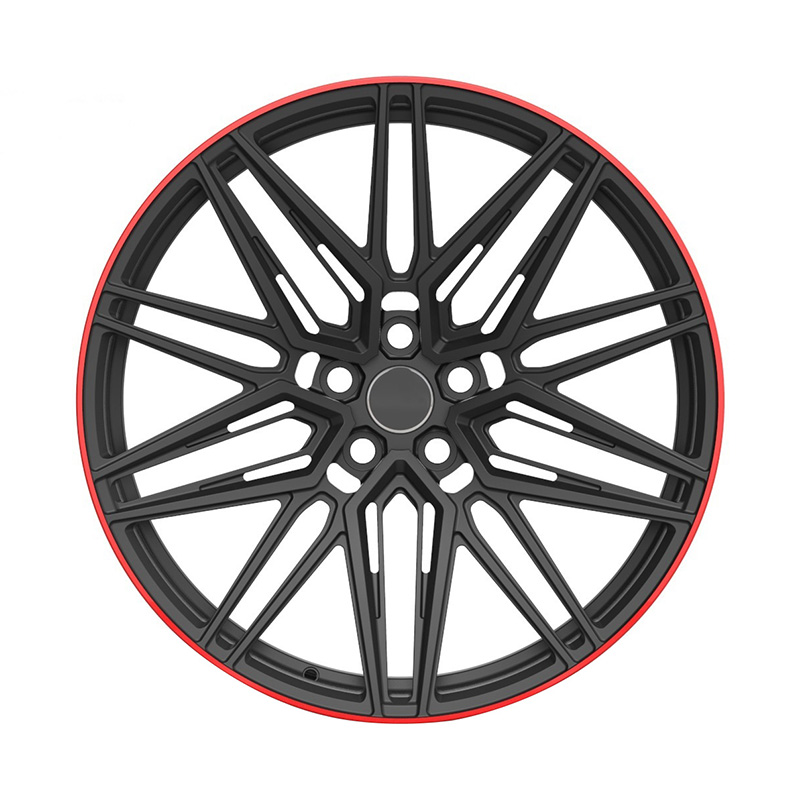
Zhenlun Matt Black With Red Lip Monoblock Forged Wheels
-
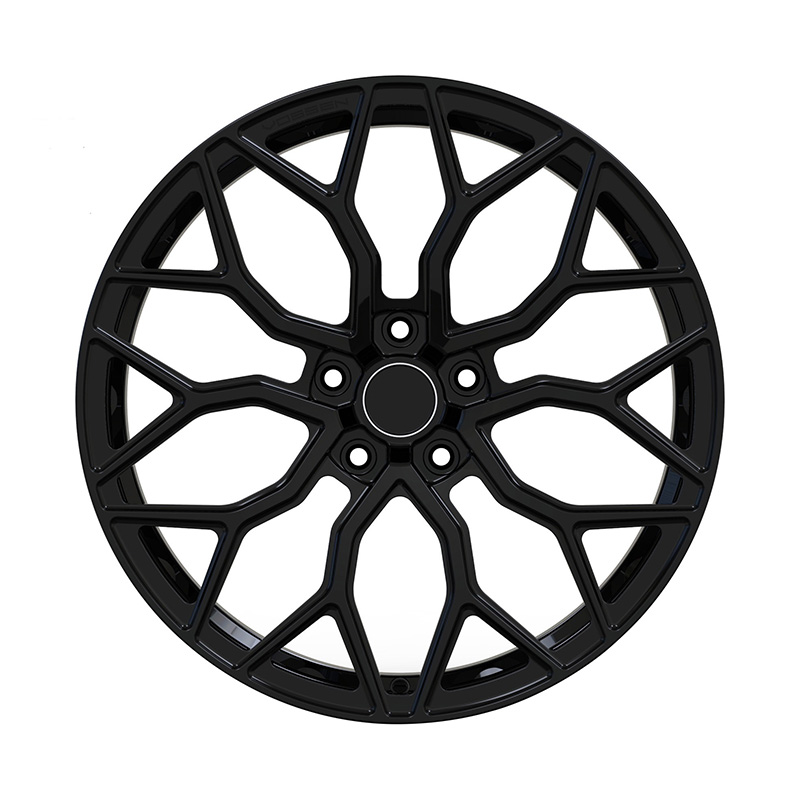
Zhenlun Gloss Black Monoblock Forged Wheels Gloss Black For Sports Car
-
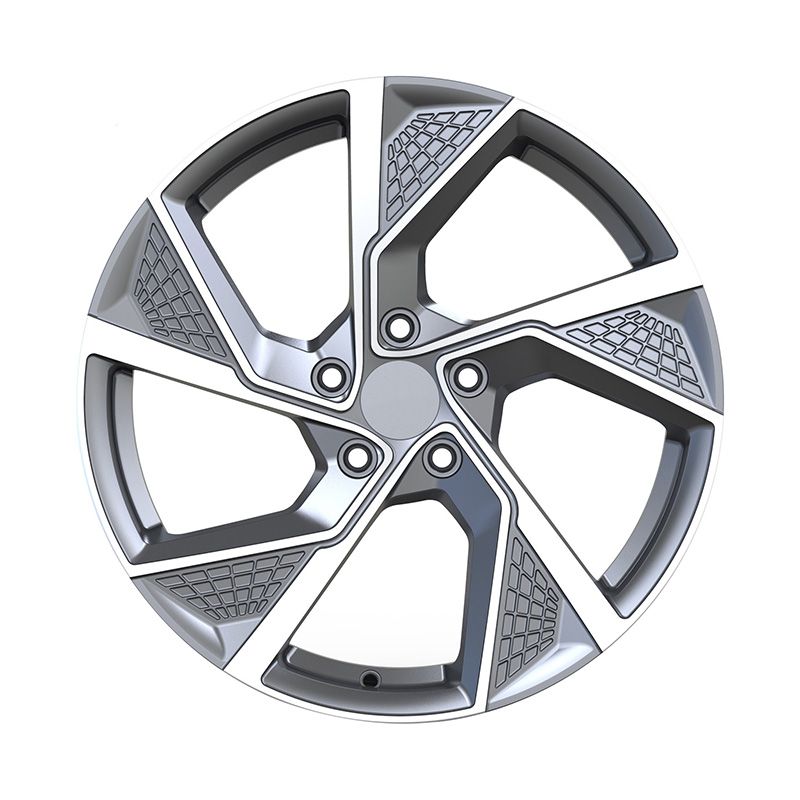
Zhenlun Monoblock Forged Wheels Lightgrey With Machined Face
-
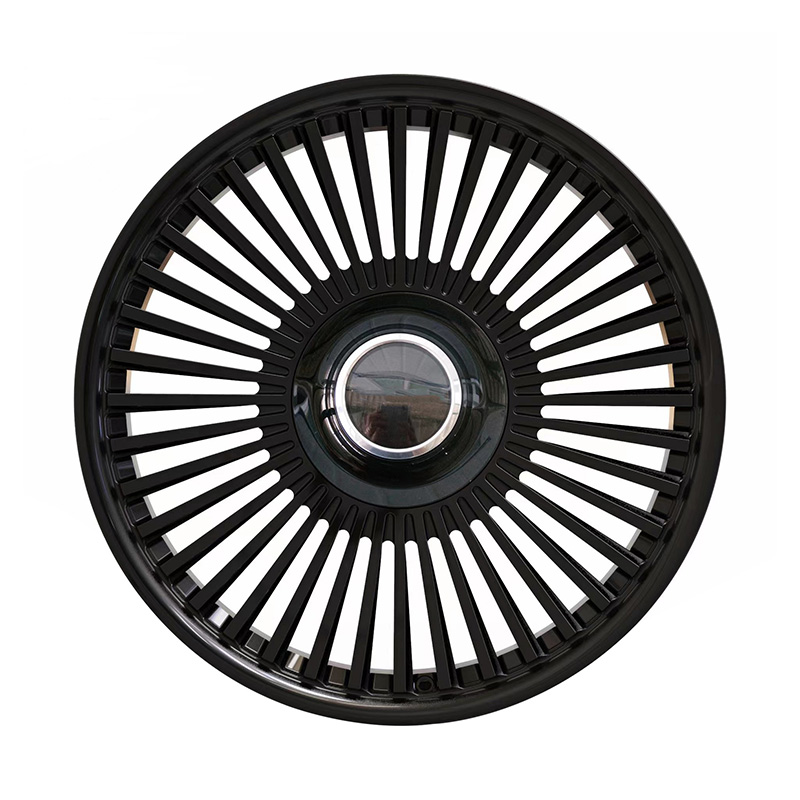
Zhenlun Monoblock Forged Wheels Gloss Black Dense Multi Spoke



Wechat QR code
IAN

JNZL

CONTACT Us
Mobile Site
Copyright© Taizhou Zhenlun Technology Co., Ltd. All Rights Reserved
