
 0
0

 English
 Español
Submit
Submit feedback
Beyond Weight, What Makes One Piece Forged Wheels Stand Out
2026-08-28
Wheel upgrades are often associated with reducing weight, but a wheel’s performance depends on much more than the number shown on a scale. The structure, material strength, manufacturing process, and engineering design all influence how a wheel performs on the road.
One Piece Forged Wheels have gained attention among performance car owners because they combine a single-piece structure with advanced aluminum forging technology. While weight reduction is an important advantage, the real value comes from structural consistency, stiffness, and precise engineering.
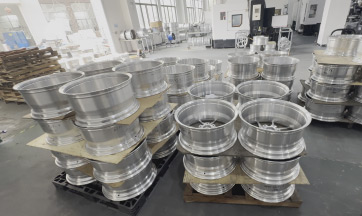
What Makes a One Piece Forged Wheel Different?
A one-piece forged wheel, also called a monoblock forged wheel, is produced from a single aluminum billet. The material is compressed through a forging process and then shaped through CNC machining to create the final spoke design, hub area, and rim profile.
Unlike multi-piece wheels that combine separate components, a monoblock design does not require bolts, connection points, or additional assembly sections. This integrated structure allows engineers to focus on optimizing strength distribution throughout the entire wheel.
| Feature | One Piece Forged Wheels | Multi-Piece Forged Wheels |
| Structure | Single forged aluminum piece | Separate center and barrel sections |
| Connection Method | No additional joints | Bolts or assembly connections |
| Weight Control | Highly optimized material distribution | More customization flexibility |
| Design Focus | Strength and performance balance | Fitment and appearance flexibility |
Why Is Structural Rigidity Important for Wheels?
A wheel experiences different forces during acceleration, braking, cornering, and uneven road impacts. These repeated loads create stress on the spokes, hub area, and outer rim section.
The single-piece construction of forged wheels helps reduce potential weak areas caused by additional joints. A continuous aluminum structure can provide consistent load transfer between the center section and outer rim.
- Improved stiffness: A seamless structure supports stable handling during cornering.
- Better force distribution: Stress can move through the wheel structure more evenly.
- Reduced connection points: Fewer assembled sections simplify structural design.
Does One Piece Forging Improve Driving Response?
The relationship between wheel design and driving feel comes from reducing unsprung and rotational mass. A lighter wheel requires less energy to accelerate, brake, and change direction.
Many drivers notice changes such as quicker steering response, improved suspension reaction, and a more direct connection between the vehicle and road. However, the actual result depends on wheel size, tire selection, suspension setup, and vehicle characteristics.
| Driving Area | Possible Influence of Lightweight Forged Wheels |
| Acceleration | Lower rotational mass can help improve response |
| Steering | Reduced wheel weight may create sharper feedback |
| Braking | Less rotating weight can support braking efficiency |
| Suspension Response | Lighter unsprung components allow quicker movement control |
How Does the Manufacturing Process Affect Wheel Quality?
The performance of a forged wheel is not determined only by the final appearance. The manufacturing process influences internal material structure and mechanical properties.
Typical Production Steps of One Piece Forged Wheels
- Aluminum billet preparation with controlled alloy composition.
- High-pressure forging to improve material density.
- Heat treatment to enhance strength characteristics.
- CNC machining to create precise spoke and rim profiles.
- Surface finishing for appearance and corrosion protection.
Common aluminum alloys used for forged wheels include 6061-T6 aluminum, which offers a balance of strength, corrosion resistance, and processing performance. The final wheel performance depends on the combination of alloy selection, forging method, and structural design.
Are One Piece Forged Wheels Stronger Than Cast Wheels?
Forged and cast wheels use different manufacturing approaches. Cast wheels are created by pouring molten aluminum into a mold, while forged wheels start with a solid aluminum block that is shaped under pressure.
The forging process creates a denser material structure, which helps improve mechanical properties compared with many conventional casting methods. This makes forged wheels popular for applications where strength and weight control are important.
| Wheel Type | Manufacturing Method | Main Characteristics |
| Cast Wheel | Molten aluminum poured into mold | Cost-effective and widely used |
| Flow Formed Wheel | Casting with additional forming process | Improved strength compared with basic casting |
| One Piece Forged Wheel | Forged billet with CNC machining | Lightweight structure with high rigidity |
Why Do Performance Vehicles Prefer Monoblock Designs?
Performance vehicles often require wheels that can handle higher loads while maintaining accurate handling characteristics. A monoblock forged structure provides a strong foundation for creating lightweight designs with optimized spoke shapes.
Many motorsport-inspired wheel designs use advanced spoke structures, including reinforced spoke profiles and computer-assisted stress analysis, to balance weight reduction with durability.
- Sports cars: Benefit from responsive steering and reduced rotating mass.
- Luxury vehicles: Gain improved handling feel with premium appearance.
- Track-focused vehicles: Require stable performance under repeated high loads.
What Should Drivers Consider Before Installing Forged Wheels?
Although forged wheels offer many advantages, choosing the correct specifications remains important. A wheel must match the vehicle’s mechanical requirements and driving conditions.
- Wheel size: Diameter and width should match tire requirements.
- Offset: Correct offset helps maintain proper suspension clearance.
- Load rating: The wheel must support the vehicle’s weight safely.
- Driving environment: Road conditions influence wheel selection.
Final Thoughts on One Piece Forged Wheels
A high-quality wheel upgrade is not only about reducing kilograms. The real advantage of One Piece Forged Wheels comes from their integrated structure, precise manufacturing, and ability to combine lightweight performance with reliable strength.
For drivers seeking improved handling response, cleaner design, and advanced wheel engineering, a monoblock forged wheel provides a balanced solution. Its single-piece construction creates a foundation where material efficiency, stiffness, and driving performance work together.
recommend products
-
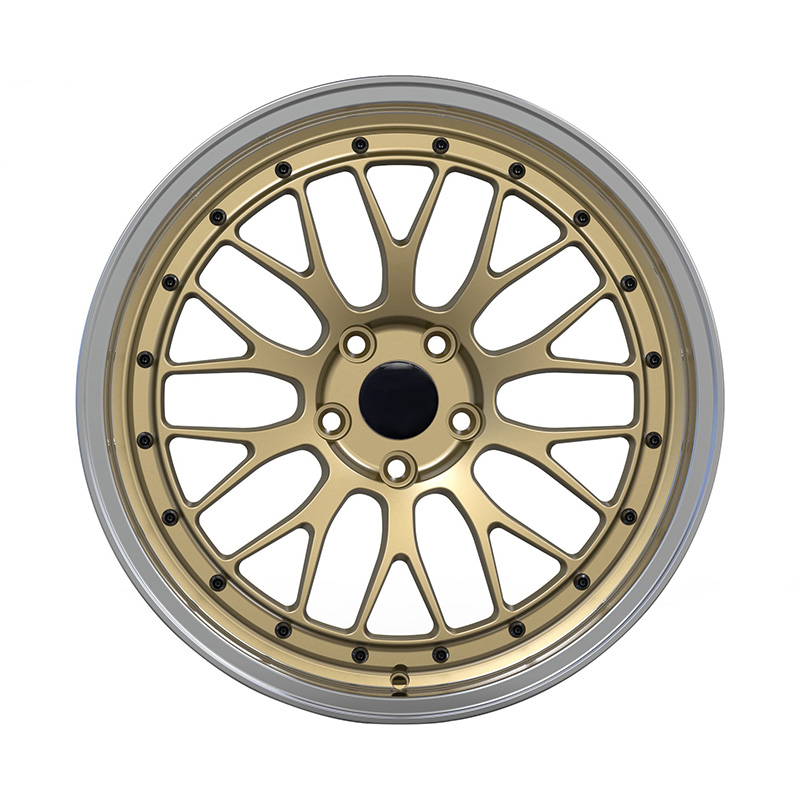


Zhenlun Multi Spokes Split Monoblock Forged Wheels Bronze With Silver Lip Edge
-
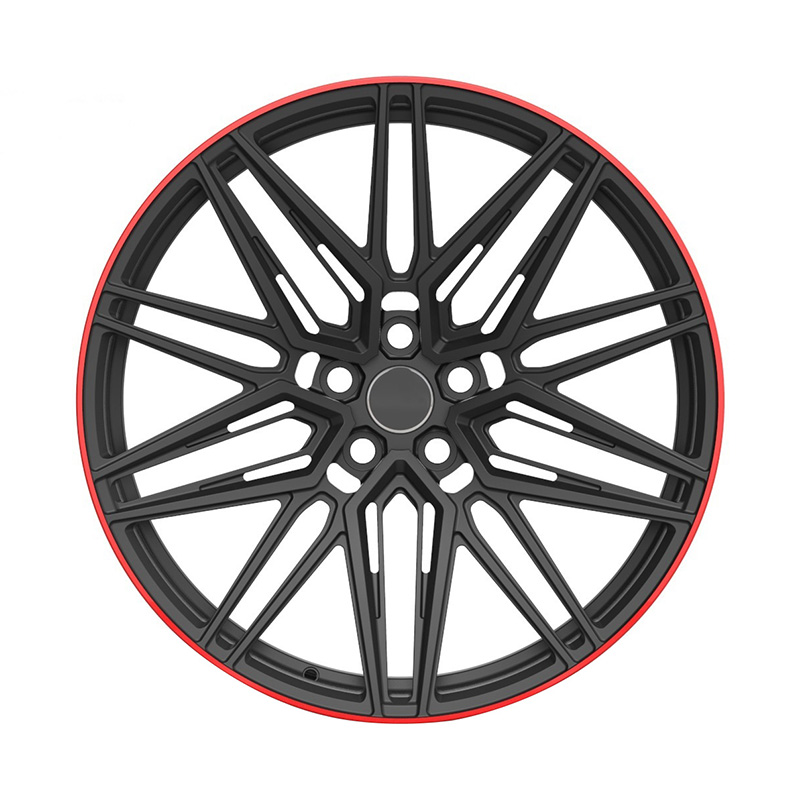
Zhenlun Matt Black With Red Lip Monoblock Forged Wheels
-
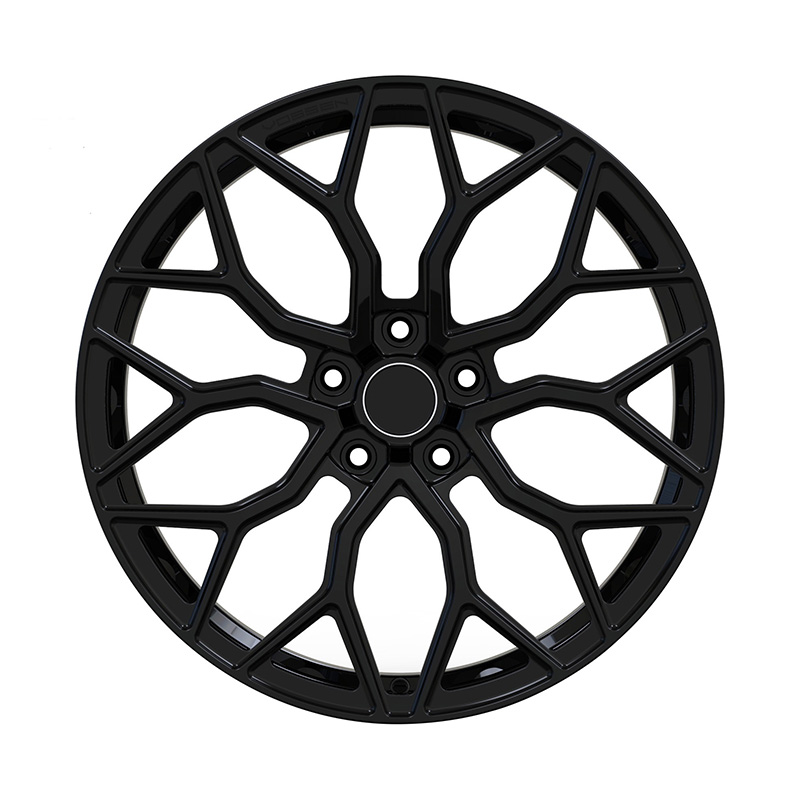
Zhenlun Gloss Black Monoblock Forged Wheels Gloss Black For Sports Car
-
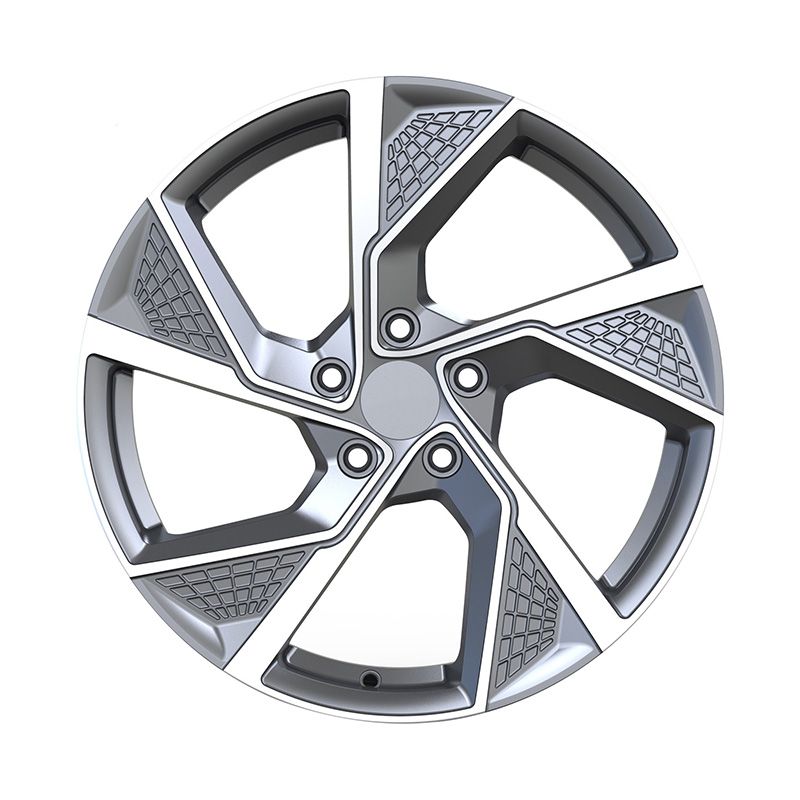
Zhenlun Monoblock Forged Wheels Lightgrey With Machined Face
-
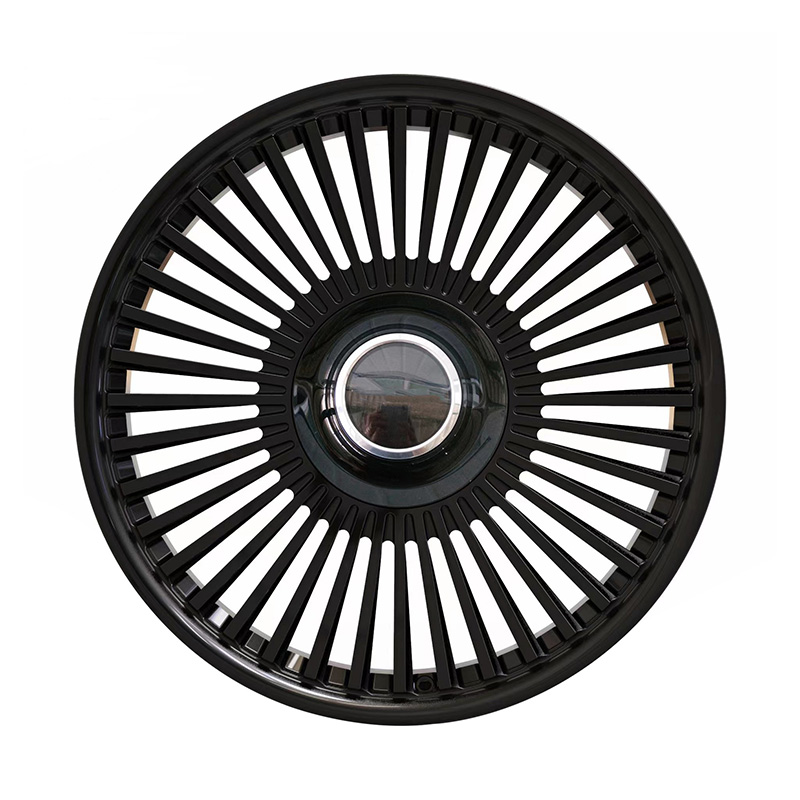
Zhenlun Monoblock Forged Wheels Gloss Black Dense Multi Spoke



Wechat QR code
IAN

JNZL

CONTACT Us
Mobile Site
Copyright© Taizhou Zhenlun Technology Co., Ltd. All Rights Reserved
