
 0
0

 English
 Español
Submit
Submit feedback
Is a 2 Piece Forged Rim Easier to Repair After Road Damage
2026-08-21
Road conditions can be unpredictable. Potholes, damaged pavement, road debris, and accidental curb contact may create unexpected stress on vehicle wheels. Many performance car owners consider repairability an important factor when upgrading their wheels, especially with a 2 Piece Forged Aluminum Rim.
Unlike traditional one-piece wheel designs, two-piece forged rims use a modular structure that separates the wheel into different sections. This design provides flexibility in manufacturing, customization, and certain repair situations. However, understanding what can actually be repaired requires a closer look at the wheel construction and damage type.
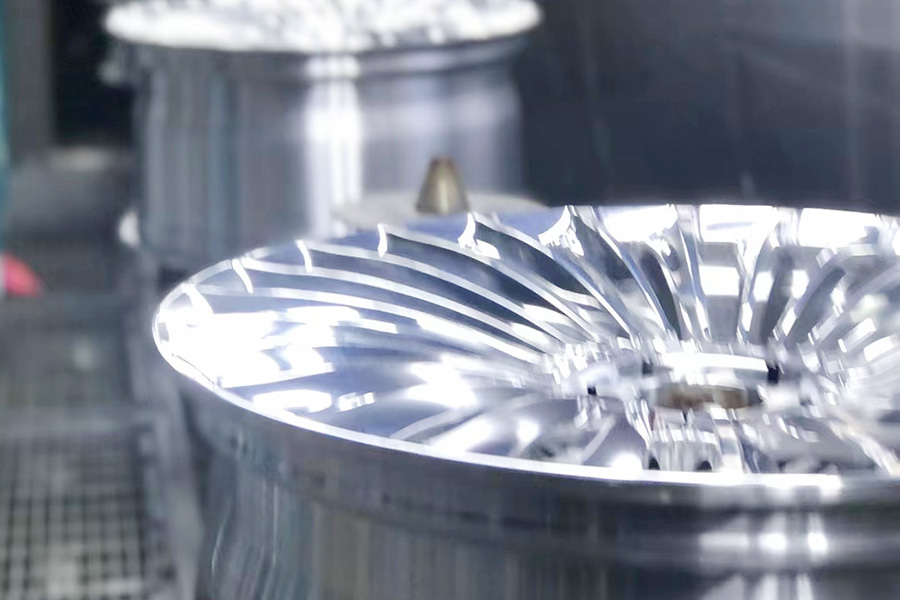
How Is a Two Piece Forged Rim Constructed?
A two-piece forged rim generally consists of two major components: the forged center section and the outer barrel. The center contains the spokes and mounting area, while the barrel supports the tire and forms the outer structure of the wheel.
These components are produced separately and then assembled through welding or high-strength hardware depending on the design. This modular approach allows engineers to optimize different sections for their specific functions.
| Component | Main Function | Common Material |
| Forged Center | Connects wheel to vehicle hub and supports spoke structure | 6061-T6 Aluminum Alloy |
| Outer Barrel | Holds tire bead and manages impact loads | Forged or spun aluminum alloy |
| Assembly Area | Creates a rigid connection between sections | Bolts, seals, or welded joints |
Why Does Two Piece Design Help With Certain Repairs?
The main repair advantage of a two-piece forged wheel comes from its separated structure. Damage caused by road impacts does not always affect the entire wheel assembly.
- Barrel damage: A bent or damaged outer barrel may be replaced without changing the center section.
- Finish damage: Different sections can receive separate refinishing treatments.
- Component inspection: Individual parts can be checked more easily after separation.
This modular structure can reduce unnecessary replacement compared with designs where the entire wheel is manufactured as one single piece.
Which Types of Road Damage Can Affect Forged Rims?
Wheel damage depends on impact force, driving speed, tire profile, and road conditions. Not every mark or scratch requires wheel replacement, but structural issues should receive professional inspection.
| Damage Type | Possible Cause | Typical Solution |
| Outer Lip Scratches | Curb contact or parking impact | Refinishing or cosmetic repair |
| Barrel Bend | Potholes or strong impact | Repair inspection or barrel replacement |
| Cracks | Severe impact or material stress | Professional evaluation before reuse |
| Finish Damage | Weather exposure or surface contact | Repainting or surface restoration |
Can a Damaged Barrel Be Replaced Separately?
One reason enthusiasts choose a 2 Piece Forged Aluminum Rim is the possibility of replacing specific components instead of replacing the entire wheel assembly.
For example, a vehicle may experience an impact that affects only the outer barrel while the forged center remains structurally sound. In this situation, a replacement barrel can restore the wheel without changing the complete design.
The actual repair method depends on the wheel structure, manufacturer specifications, damage severity, and availability of replacement parts. A damaged component should always be inspected before deciding whether repair or replacement is appropriate.
How Does a Two Piece Forged Rim Compare With One Piece Forged Wheels?
Both wheel types use advanced aluminum manufacturing methods, but their structures create different advantages. A one-piece forged wheel is machined from a single aluminum block, while a two-piece forged wheel separates the center and barrel sections.
| Feature | Two Piece Forged Rim | One Piece Forged Wheel |
| Structure | Separate center and barrel sections | Single forged aluminum piece |
| Repair Flexibility | Individual component replacement may be possible | Damage usually affects the complete wheel |
| Customization | Flexible width, offset, and finish options | More integrated design approach |
| Weight Control | Lightweight performance with modular engineering | Highly optimized single-piece structure |
Does a Repairable Design Mean Lower Strength?
Some drivers believe that a wheel with separate components may have weaker performance compared with a one-piece design. However, wheel strength depends on engineering quality, material selection, assembly precision, and testing standards.
A well-designed two-piece forged rim uses carefully engineered connections between components. The center section and barrel are developed to handle different forces generated during acceleration, braking, cornering, and road impacts.
- Forged aluminum improves material density compared with conventional casting methods.
- CNC machining creates accurate dimensions for proper assembly.
- Heat-treated alloys improve mechanical properties.
What Should Drivers Check After Wheel Impact?
After hitting a pothole or road obstacle, drivers should pay attention to changes in vehicle behavior. Certain signs may indicate wheel inspection is needed.
- Steering vibration: May indicate wheel deformation or balance problems.
- Air pressure loss: Could suggest barrel or bead area damage.
- Visible cracks: Require professional assessment before continued use.
- Unusual driving feedback: May indicate structural changes.
Is a Two Piece Forged Rim a Practical Choice for Street Cars?
For drivers who want a combination of performance appearance, lightweight construction, and repair flexibility, a two-piece forged design offers an attractive solution. Its modular structure provides additional options during customization and certain repair situations.
However, repairability should not be the only consideration. Wheel size, vehicle application, tire selection, load rating, and driving environment all influence long-term performance.
Final Thoughts on Two Piece Forged Rim Repairability
A 2 Piece Forged Aluminum Rim can provide advantages after specific types of road damage because its separate construction allows certain components to be repaired or replaced independently. This feature makes it different from many traditional one-piece designs.
The real value of a two-piece forged wheel comes from combining lightweight aluminum engineering, structural design, customization flexibility, and practical service options. With proper inspection and maintenance, this wheel design can remain a reliable choice for performance vehicles and premium passenger cars.
recommend products
-
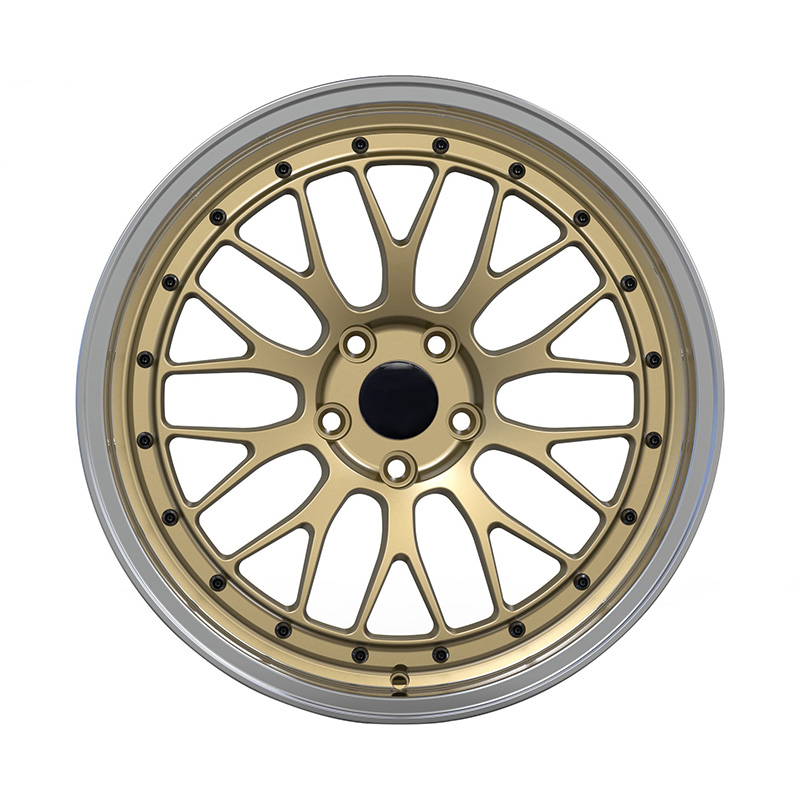


Zhenlun Multi Spokes Split Monoblock Forged Wheels Bronze With Silver Lip Edge
-
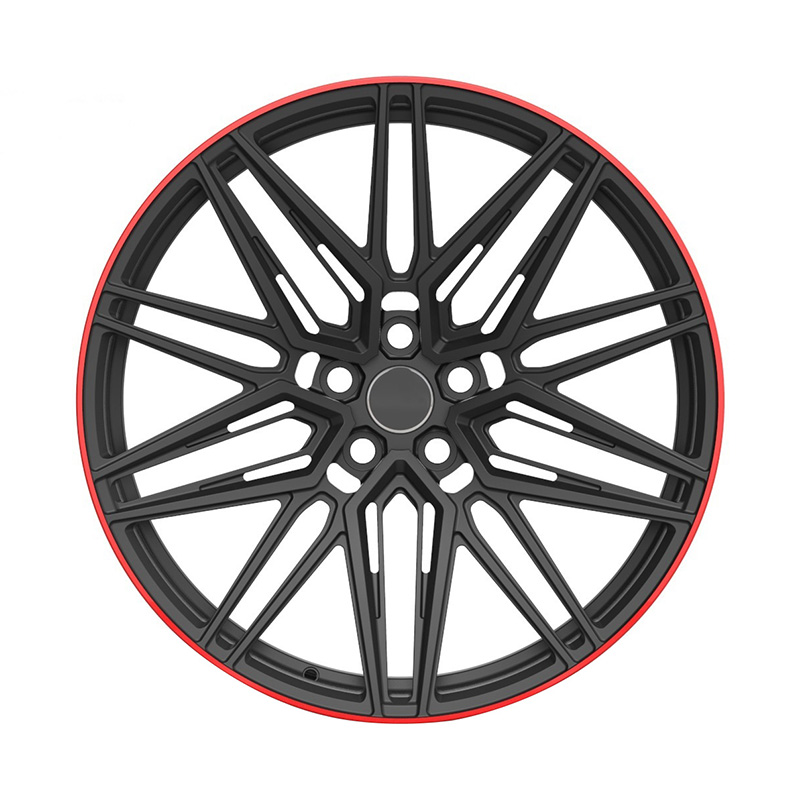
Zhenlun Matt Black With Red Lip Monoblock Forged Wheels
-
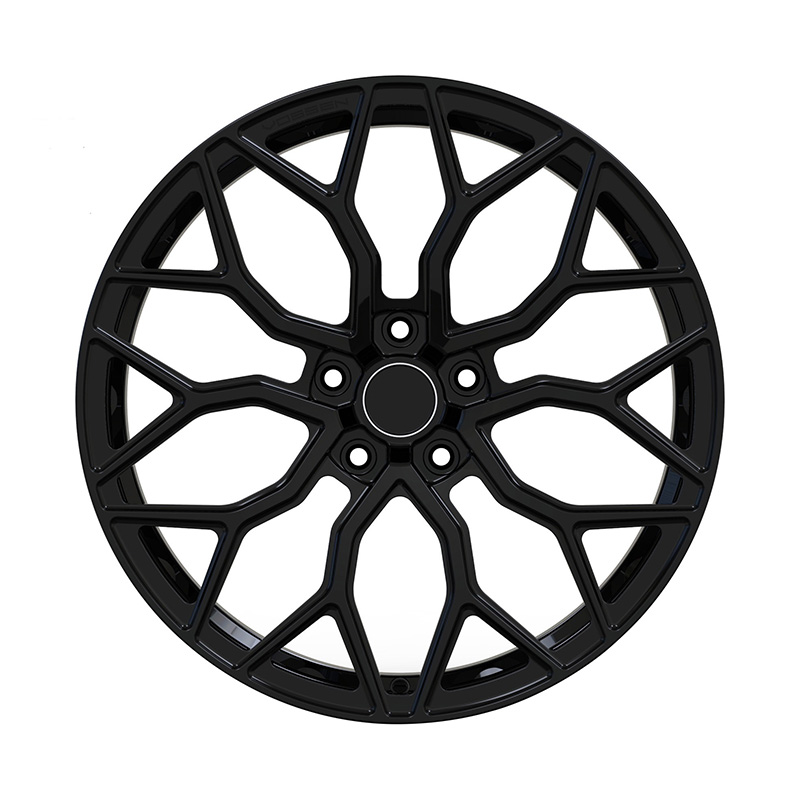
Zhenlun Gloss Black Monoblock Forged Wheels Gloss Black For Sports Car
-
Zhenlun Monoblock Forged Wheels Lightgrey With Machined Face
-
Zhenlun Monoblock Forged Wheels Gloss Black Dense Multi Spoke



Wechat QR code
IAN

JNZL

CONTACT Us
Mobile Site
Copyright© Taizhou Zhenlun Technology Co., Ltd. All Rights Reserved
