
 0
0

 English
 Español
Submit
Submit feedback
Which Aluminum Alloy Makes a Bigger Difference in Forged Wheels
2026-08-14
The material inside a forged wheel plays a critical role in determining its strength, weight, durability, and driving performance. Many car owners focus on wheel design and finish, but the aluminum alloy used for an Aluminum Alloy Passenger Car Forged Wheel can directly influence how the wheel performs under daily road conditions.
Different aluminum alloys offer different combinations of hardness, fatigue resistance, corrosion protection, and machining characteristics. Among automotive forged wheels, 6061-T6 and 7075-T6 aluminum alloys are frequently discussed because they represent two different approaches to achieving lightweight performance.
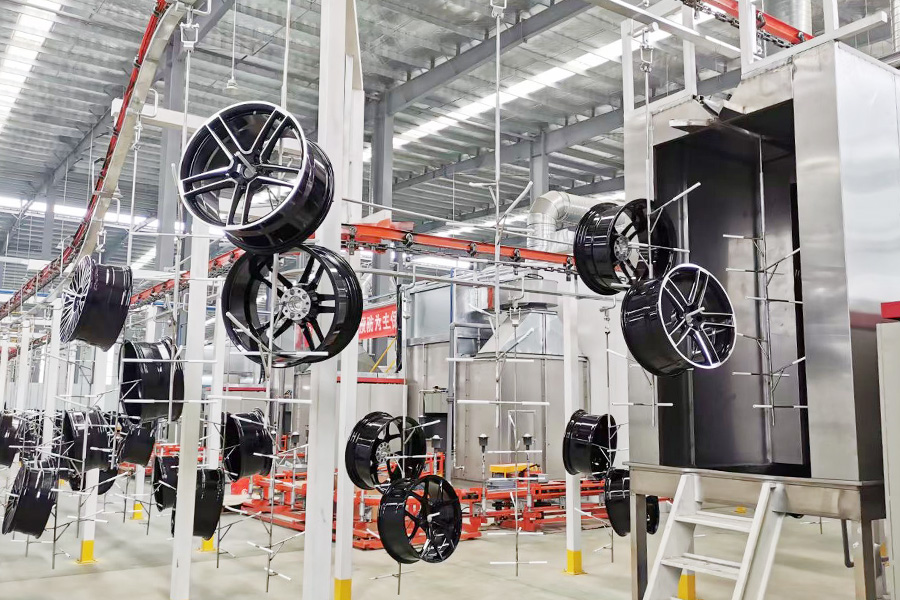
Why Does Aluminum Alloy Matter in Forged Wheel Design?
A wheel experiences continuous stress during driving. Acceleration, braking, cornering, road impacts, and vehicle loads all create repeated forces on the wheel structure. The aluminum alloy must handle these conditions while keeping the overall weight under control.
- Strength capability: Determines how well the wheel handles mechanical loads.
- Fatigue resistance: Helps the wheel withstand repeated stress cycles.
- Corrosion resistance: Supports long-term outdoor performance.
- Machining performance: Affects precision during CNC finishing.
A forged wheel is not defined only by the alloy name. The forging process, heat treatment, structural design, and quality control also influence the final performance.
How Do 6061-T6 and 7075-T6 Aluminum Alloys Compare?
6061-T6 and 7075-T6 are both aluminum alloys used in high-performance applications, but they have different characteristics. 6061-T6 contains magnesium and silicon as major alloying elements, while 7075-T6 uses zinc, magnesium, and copper to achieve higher strength.
| Property | 6061-T6 Aluminum | 7075-T6 Aluminum |
| Main Alloy Elements | Magnesium and Silicon | Zinc, Magnesium and Copper |
| Strength Level | Balanced structural strength | Higher tensile strength |
| Fatigue Performance | Suitable for repeated vehicle loads | Designed for high-stress applications |
| Corrosion Resistance | Strong resistance in outdoor environments | Requires more attention under harsh conditions |
| Machining | Easy CNC processing | More challenging machining requirements |
Does Higher Strength Always Mean Better Wheel Performance?
A common misunderstanding is that an alloy with a higher strength rating will automatically create a better wheel. Wheel performance depends on multiple factors rather than a single material number.
A passenger vehicle wheel must manage millions of stress cycles during its service life. A material with balanced fatigue resistance, corrosion protection, and manufacturing flexibility may provide better real-world performance than an alloy selected only because of its strength value.
- High tensile strength helps resist heavy loading.
- Good fatigue characteristics support long-term driving reliability.
- Better corrosion resistance helps protect wheel appearance and structure.
What Role Does T6 Heat Treatment Play?
The alloy itself is only part of the wheel manufacturing process. T6 heat treatment is widely used to improve aluminum mechanical properties after forming. It changes the internal structure of the alloy and enhances hardness and strength.
For forged wheels, the combination of forging and heat treatment helps create a dense aluminum structure with improved grain alignment compared with traditional casting methods.
Typical Manufacturing Process of Forged Aluminum Wheels
- Aluminum billet preparation with controlled alloy composition.
- High-pressure forging to improve material density.
- Heat treatment to enhance mechanical properties.
- CNC machining for accurate spoke and barrel design.
- Surface finishing for corrosion protection and appearance.
Which Alloy Is Commonly Used for Passenger Car Forged Wheels?
For many passenger vehicles, 6061-T6 aluminum alloy is widely adopted because it offers a practical balance between strength, durability, corrosion resistance, and manufacturing flexibility.
7075-T6 aluminum provides higher strength characteristics and may be considered for applications where weight reduction and high load requirements are especially important. However, the alloy choice needs to match the vehicle type, driving environment, and wheel design.
| Vehicle Application | Recommended Alloy Consideration | Key Requirement |
| Daily Passenger Cars | 6061-T6 Forged Aluminum | Balanced durability and daily reliability |
| Performance Vehicles | 6061-T6 or 7075-T6 | Weight control and higher stress handling |
| Track-Oriented Applications | High-strength alloy solutions | Repeated high-load operation |
Can Alloy Selection Affect Driving Experience?
The aluminum alloy influences the wheel’s overall structure, but the driving experience also depends on wheel size, spoke design, tire selection, and suspension setup.
A lightweight forged aluminum wheel can reduce unsprung mass and improve steering response. The right alloy helps engineers create thinner spoke profiles, optimized structures, and reliable performance without adding unnecessary weight.
What Should Buyers Check Before Choosing Forged Aluminum Wheels?
- Material specification: Confirm the aluminum alloy type and heat treatment condition.
- Wheel load rating: Make sure the wheel matches the vehicle weight requirements.
- Manufacturing process: Forging quality and machining accuracy affect final performance.
- Driving environment: Consider road conditions, climate, and usage frequency.
Final Thoughts on Aluminum Alloy Selection for Forged Wheels
The aluminum alloy used in a forged wheel has a significant influence on performance, but there is no single material choice suitable for every vehicle. A successful wheel design combines alloy properties, forging technology, heat treatment, and structural engineering.
For many passenger cars, 6061-T6 provides a reliable balance between strength, weight, and durability, while 7075-T6 offers another option for applications requiring additional strength characteristics. Understanding these differences helps drivers make better decisions when upgrading their wheels.
recommend products
-
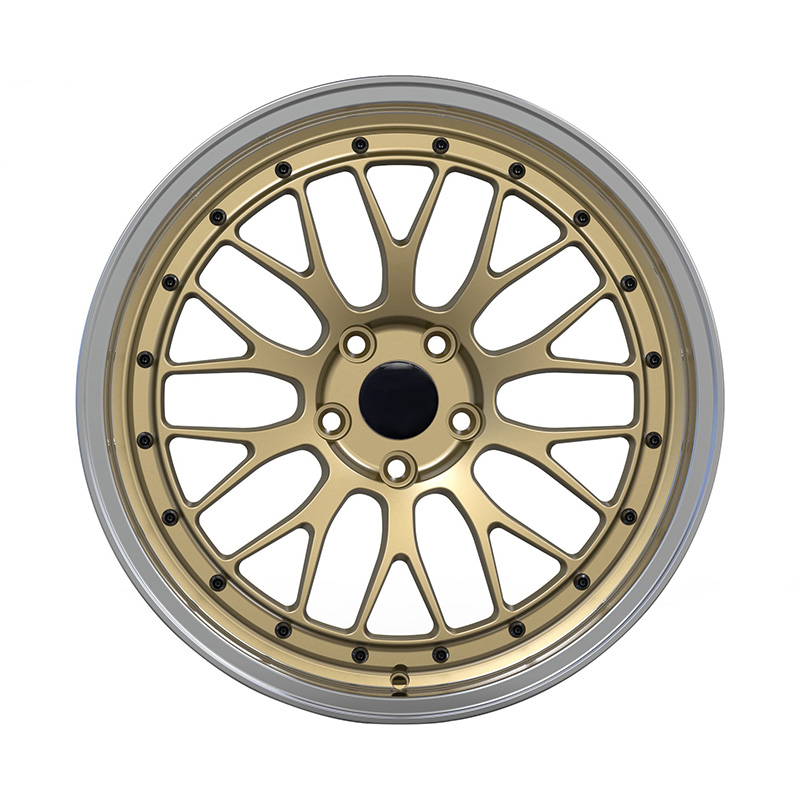


Zhenlun Multi Spokes Split Monoblock Forged Wheels Bronze With Silver Lip Edge
-
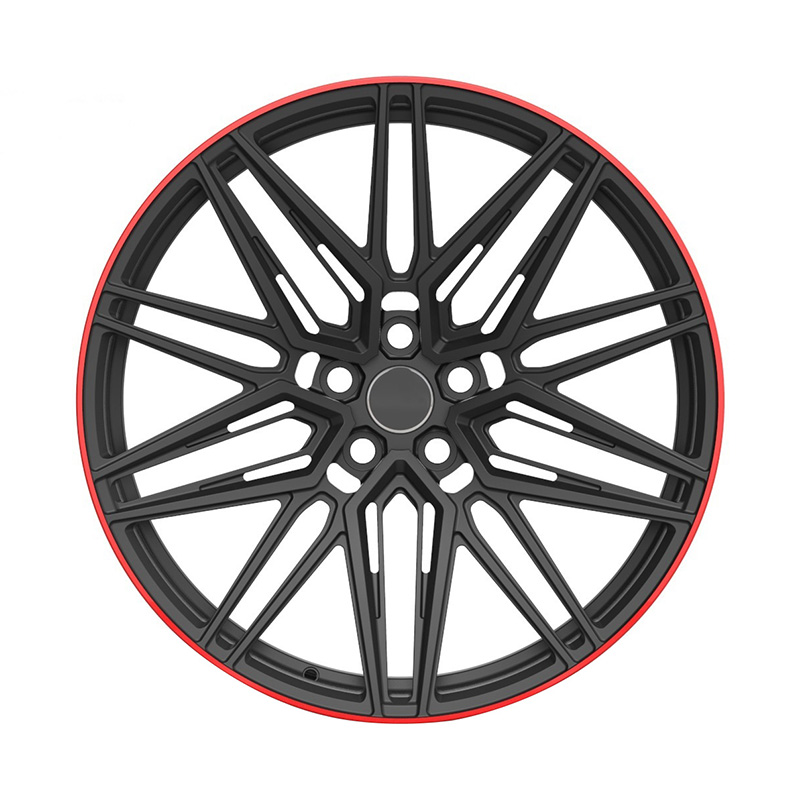
Zhenlun Matt Black With Red Lip Monoblock Forged Wheels
-
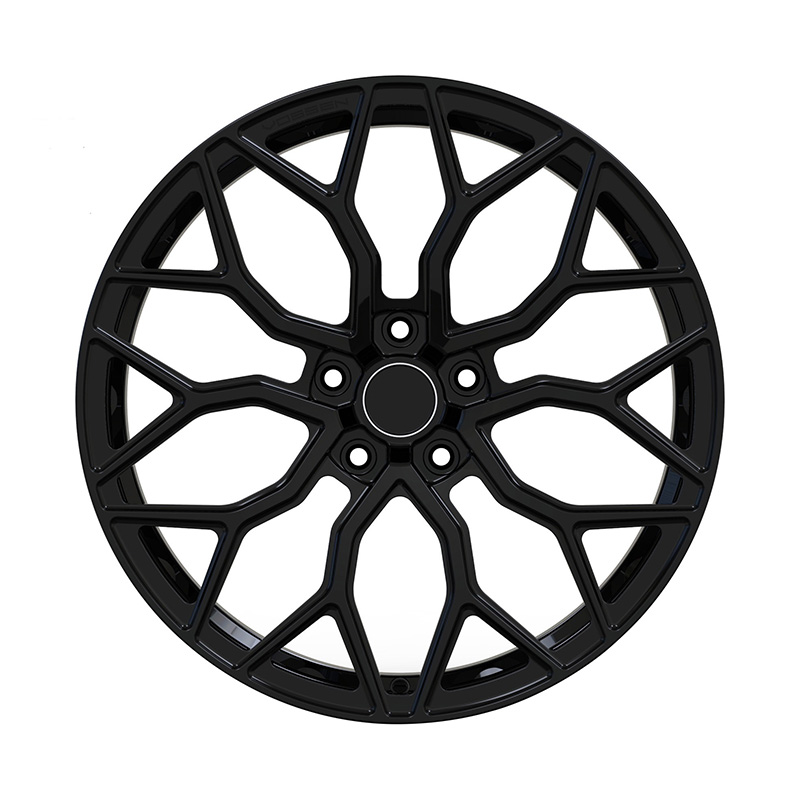
Zhenlun Gloss Black Monoblock Forged Wheels Gloss Black For Sports Car
-
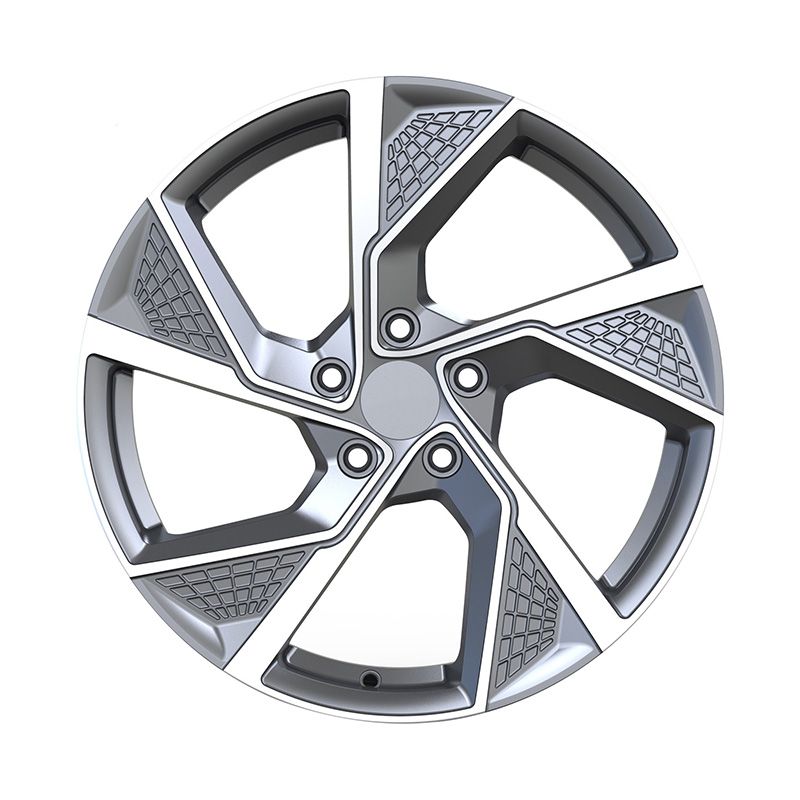
Zhenlun Monoblock Forged Wheels Lightgrey With Machined Face
-
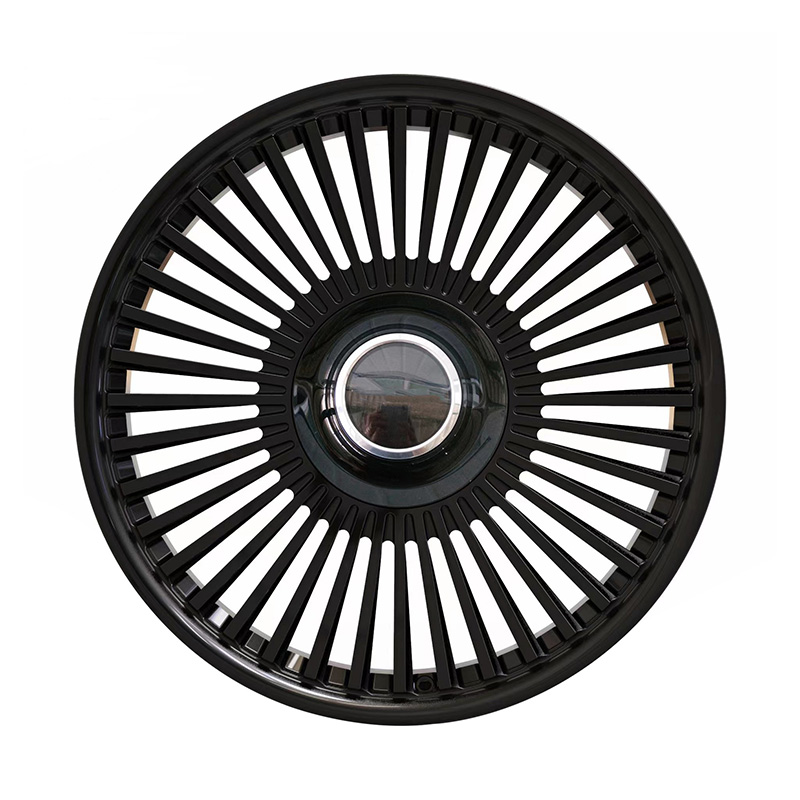
Zhenlun Monoblock Forged Wheels Gloss Black Dense Multi Spoke



Wechat QR code
IAN

JNZL

CONTACT Us
Mobile Site
Copyright© Taizhou Zhenlun Technology Co., Ltd. All Rights Reserved
