
 0
0

 English
 Español
Submit
Submit feedback
Are Superlight Forged Wheels Always Strong Enough for Daily Driving
2026-08-07
Lightweight wheels have become a popular upgrade among sports car owners and performance enthusiasts. However, many drivers still have one major concern: does reducing wheel weight affect durability during everyday driving? This question is especially common with Superlight Monoblock Forged Wheels, which are designed to reduce unsprung weight while maintaining structural reliability.
Unlike traditional cast wheels, forged monoblock wheels are manufactured from a solid aluminum alloy block and shaped through high-pressure forging processes. This construction method helps create a dense material structure with improved resistance against impact and fatigue. Many lightweight forged wheels use advanced machining techniques to remove unnecessary material from spokes and hub areas while keeping critical load-bearing sections strong.
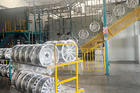
Why Does Lightweight Design Matter for Passenger Cars?
Wheel weight affects more than appearance. Since wheels are part of the vehicle’s unsprung mass and rotating mass, reducing their weight can influence acceleration response, steering feedback, braking feel, and suspension performance.
- Lower rotational weight allows the engine to transfer power with less resistance.
- Reduced unsprung mass helps suspension components respond faster to road changes.
- Optimized spoke designs can improve airflow around brake components.
- A lighter wheel package can create a more responsive driving experience.
For daily street vehicles, the goal is not simply making a wheel lighter. The key is achieving a balanced relationship between weight reduction, stiffness, and impact resistance.
Does Forged Construction Provide Enough Strength for Daily Roads?
Daily driving exposes wheels to many challenges, including potholes, uneven pavement, sudden braking, and heavy vehicle loads. A wheel must handle repeated stress cycles rather than only short-term performance conditions.
A monoblock forged design uses a single-piece aluminum structure without separate barrel sections or connecting hardware. This reduces potential weak points and allows engineers to optimize the wheel shape through computer simulation and stress analysis.
Typical Technical Features of Lightweight Forged Wheels
| Feature | Common Specification | Benefit |
| Material | 6061-T6 or similar forged aluminum alloy | High strength with reduced weight |
| Construction | One-piece monoblock forging | Improved structural rigidity |
| Wheel Size Range | 18–24 inches (varies by design) | Suitable for sports cars and premium vehicles |
| Machining Process | CNC precision cutting | Accurate dimensions and weight control |
| Surface Treatment | Paint, powder coating, or custom finish | Protection against corrosion and daily exposure |
How Much Weight Reduction Is Reasonable?
A common misunderstanding is that a lighter wheel automatically means a weaker wheel. The actual performance depends on engineering design, alloy quality, and manufacturing control.
A properly designed forged wheel does not remove material randomly. Engineers analyze stress areas such as spoke connections, bolt holes, and the center hub section. Material is removed from low-stress zones while maintaining strength around important areas.
- Spoke optimization: Reduces unnecessary aluminum while maintaining load support.
- Hub area reinforcement: Helps handle torque transfer from the vehicle drivetrain.
- Barrel design adjustment: Balances weight savings with impact resistance.
Are Superlight Wheels Suitable for City and Highway Use?
A properly engineered lightweight forged wheel can be used for normal commuting, highway travel, and spirited driving. The important factor is choosing the correct wheel specifications for the vehicle.
Drivers should consider several parameters before installation:
- Correct diameter and width matching the tire size.
- Suitable offset to maintain proper suspension clearance.
- Appropriate load rating based on vehicle weight.
- Compatible bolt pattern and center bore dimensions.
A lightweight wheel designed for a high-performance vehicle may use different engineering standards compared with a wheel intended for a heavier SUV or passenger sedan.
What Makes Monoblock Wheels Different From Multi-Piece Designs?
The main difference is the manufacturing structure. A monoblock forged wheel is produced from one aluminum piece, while multi-piece wheels typically combine separate sections using bolts or assembly processes.
| Wheel Type | Structure | Main Characteristics |
| Monoblock Forged Wheel | Single forged aluminum piece | Lightweight, rigid, clean structure |
| Two-Piece Forged Wheel | Separate components assembled together | Flexible design options and customization |
| Cast Wheel | Molten aluminum casting process | Lower production cost with different performance characteristics |
Can Lightweight Forged Wheels Improve Driving Feel?
Many drivers notice changes after upgrading to lighter forged wheels. The vehicle may feel quicker during acceleration, more precise during cornering, and more comfortable over uneven roads because the suspension has less rotating mass to control.
However, the improvement depends on the entire vehicle setup, including tires, suspension tuning, brake system, and wheel dimensions. A lighter wheel works together with these components rather than replacing their functions.
Important Factors Before Installing Lightweight Forged Wheels
- Check vehicle compatibility: Confirm size, offset, bolt pattern, and load capacity.
- Match tire specifications: The wheel and tire combination should work together for safety and handling.
- Consider driving conditions: Frequent rough roads require appropriate wheel specifications.
- Inspect regularly: Visual checks can help identify damage from impacts or road hazards.
Are Superlight Forged Wheels Reliable for Everyday Cars?
The answer depends on wheel design, material quality, and correct vehicle matching. A well-engineered Superlight Monoblock Forged Wheels design can provide significant weight savings while maintaining the strength required for daily driving.
Modern forging technology allows manufacturers to create wheels that combine lightweight performance with structural durability. Rather than focusing only on reducing weight, advanced wheel designs aim to achieve a balanced solution between handling response, strength, and long-term reliability.
recommend products
-
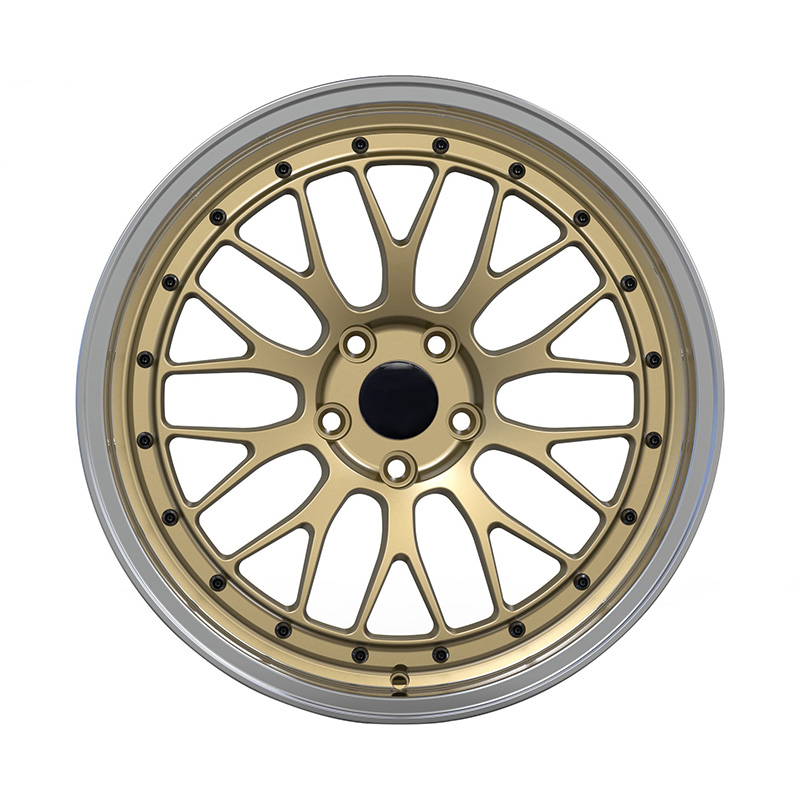


Zhenlun Multi Spokes Split Monoblock Forged Wheels Bronze With Silver Lip Edge
-
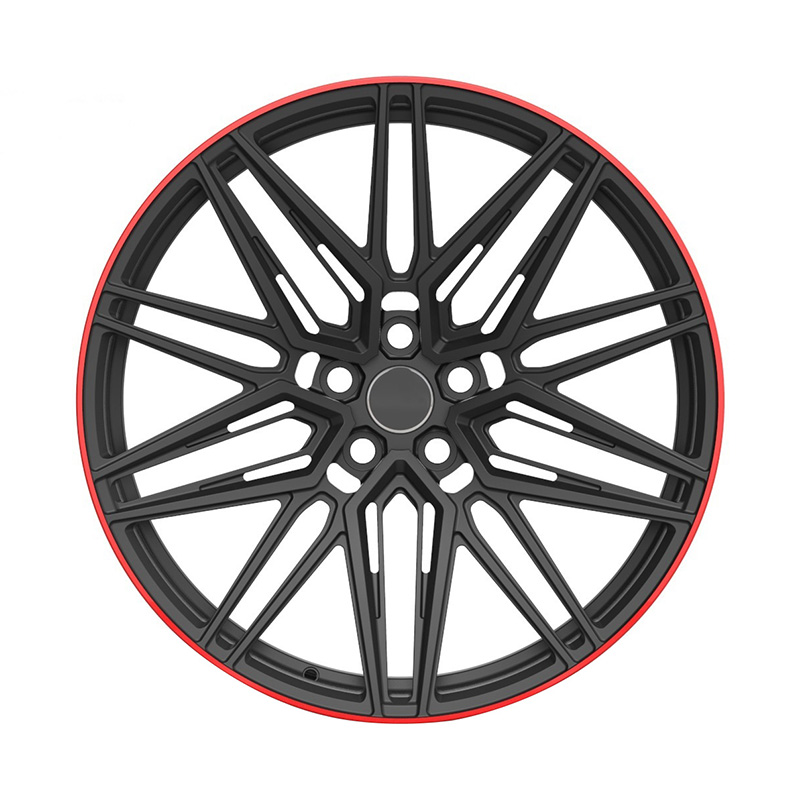
Zhenlun Matt Black With Red Lip Monoblock Forged Wheels
-
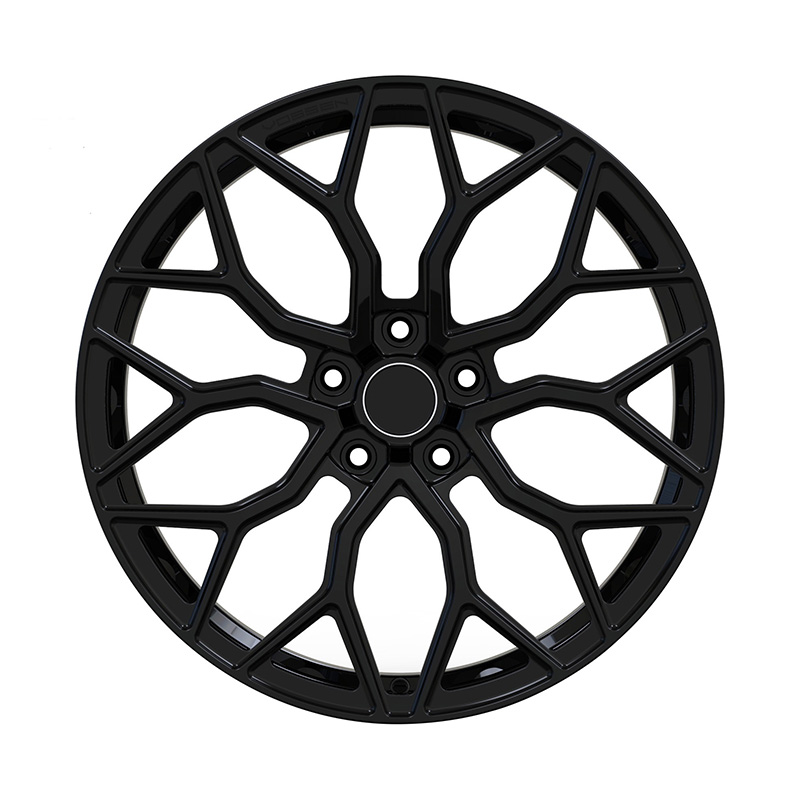
Zhenlun Gloss Black Monoblock Forged Wheels Gloss Black For Sports Car
-
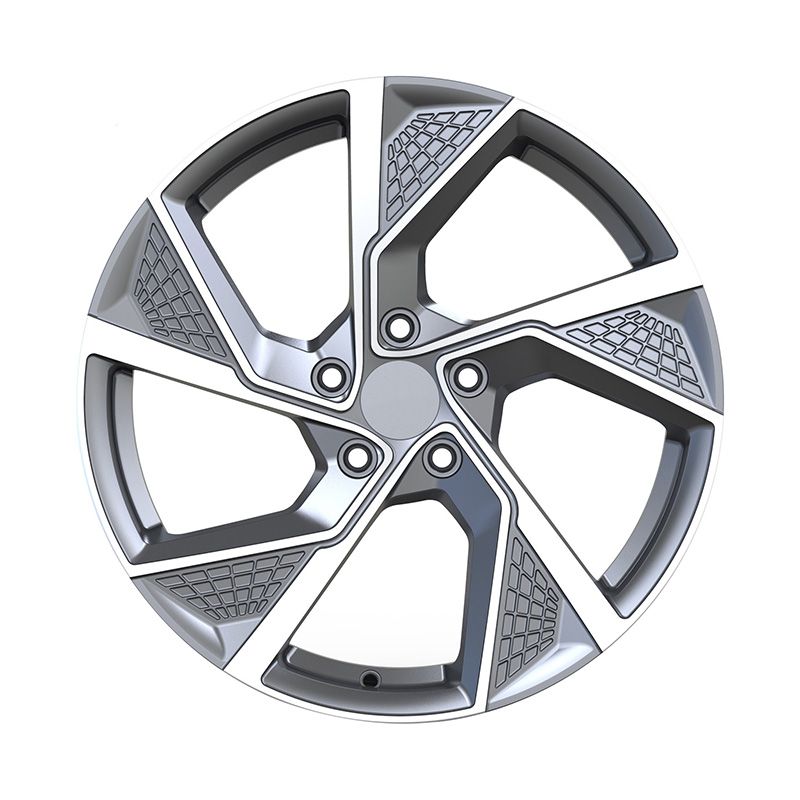
Zhenlun Monoblock Forged Wheels Lightgrey With Machined Face
-
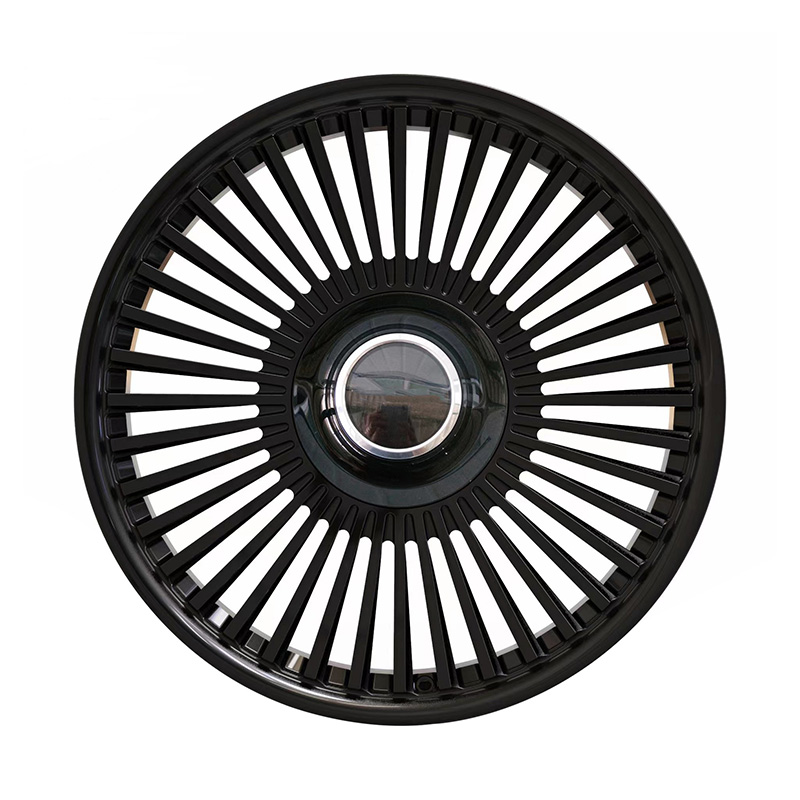
Zhenlun Monoblock Forged Wheels Gloss Black Dense Multi Spoke



Wechat QR code
IAN

JNZL

CONTACT Us
Mobile Site
Copyright© Taizhou Zhenlun Technology Co., Ltd. All Rights Reserved
