
 0
0

 English
 Español
Submit
Submit feedback
What Makes Luxury Sports Monoblock Forged Wheels Fail Under Pothole Impacts
2026-07-31
Luxury sports monoblock forged wheels are engineered for precision handling, reduced unsprung mass, and high-speed stability. They are widely used in supercars and performance sedans where stiffness and responsiveness matter more than comfort. Still, pothole-related cracking remains a real-world issue even in this high-end category.
The reason is not material inferiority. It comes from how rigid forged aluminum structures respond to sudden, localized energy spikes on imperfect road surfaces.
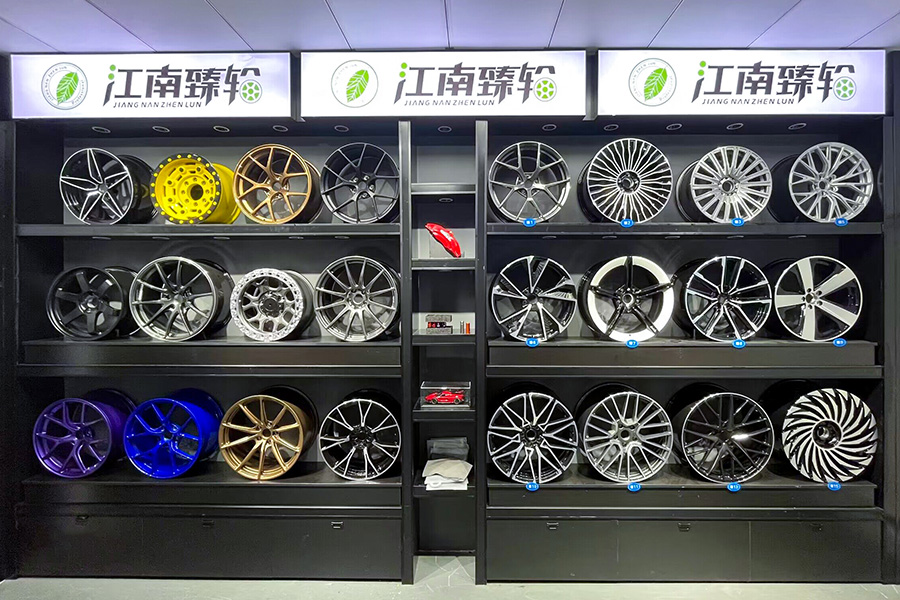
High-Stiffness Structure Meets Uncontrolled Road Energy
Luxury forged wheels are optimized for controlled environments such as smooth asphalt and track conditions. Urban roads introduce unpredictable impact loads that differ significantly from design assumptions.
Typical stress inputs include:
- Sharp vertical impact force from pothole edges
- Combined bending and torsion stress during cornering on uneven surfaces
- Repeated micro-shock loading from daily road irregularities
Because forged wheels are extremely stiff, they do not absorb deformation gradually. Instead, energy is transferred rapidly into localized structural zones.
Why Monoblock Forged Design Does Not Prevent Fracture
Monoblock forged wheels are produced from a single aluminum billet using high-pressure forging and CNC machining. This creates a dense grain structure with excellent mechanical strength.
However, structural continuity introduces a trade-off:
- No joints or welds to dissipate energy gradually
- Fast stress transmission across entire wheel body
- Concentrated load accumulation at geometric transitions
Once a pothole impact exceeds elastic limits, stress localizes at spoke roots and barrel edges, where cracks typically begin.
Typical Crack Locations in Luxury Forged Wheels
Failure patterns across inspected wheels show consistent weak zones shaped by geometry rather than manufacturing flaws.
- Spoke base junction connecting rim and hub
- Inner barrel lip exposed to direct impact compression
- Valve hole interruption point in continuous structure
- Thin spoke sections in lightweight performance designs
These zones experience repeated stress concentration, especially under low-profile tire setups.
Impact Mechanics During a Pothole Strike
A pothole event is a short-duration, high-intensity mechanical shock. The sequence of energy transfer happens within milliseconds.
Force pathway behavior:
- Tire sidewall compresses until energy absorption capacity is saturated
- Rim edge receives concentrated impact load
- Spokes redirect force toward hub center under bending stress
Low-profile tires common on luxury sports setups reduce cushioning, increasing direct force transfer into the wheel structure.
Material Strength Versus Fatigue Mechanisms
Forged aluminum alloys such as 6061-T6 provide high tensile strength, refined grain structure, and reduced porosity compared with cast wheels. However, fatigue behavior still governs long-term durability.
Scientific findings on forged 6061 aluminum wheel hubs show:
- Crack initiation begins at surface defects and precipitate interfaces
- Microvoid evolution under cyclic stress contributes to crack growth
- Multiaxial stress significantly reduces fatigue life
Research confirms that forged aluminum wheel hubs develop fatigue cracks under repeated loading cycles, even under controlled material conditions.
Why Luxury Design Choices Influence Stress Concentration
High-end wheel design often prioritizes aesthetics and weight reduction alongside performance. These goals influence geometry in ways that affect stress distribution.
Common structural trade-offs:
- Thinner spoke profiles reduce cross-sectional reinforcement
- Deep concave styling increases spoke bending length
- Sharp design transitions amplify local stress peaks
These features do not weaken the wheel immediately, but they reduce safety margin under extreme impact events.
Hub Center as a Stress Convergence Zone
The wheel hub acts as the central load collection area. All spoke forces converge into this region during driving and impact events.
Key stress factors:
- Radial load concentration from tire-road impact
- Torque variations during acceleration and braking
- Micro-defect amplification under cyclic loading
Once cracks initiate near the hub interface, rotational forces accelerate propagation.
Why Cracks Often Appear Suddenly
Many drivers only discover wheel cracks during maintenance or tire replacement. The damage process is usually gradual rather than instantaneous.
Typical progression:
- Micro-level fatigue damage accumulation over time
- Subsurface crack growth along grain boundaries
- Visible fracture opening after a stronger impact event
Studies on aluminum alloy fatigue show that internal micro-cracks evolve significantly before visible failure occurs, even with minimal changes in macroscopic stiffness response.
Luxury sports monoblock forged wheels remain a high-performance engineering solution, offering excellent stiffness, precision handling, and reduced unsprung mass. However, pothole impacts introduce irregular energy loads that challenge even advanced forged aluminum structures.
Crack formation is driven by stress concentration zones, fatigue accumulation, and geometric constraints rather than manufacturing quality alone. Understanding these mechanisms explains why even premium forged wheels can still experience structural failure under demanding real-world road conditions.
recommend products
-
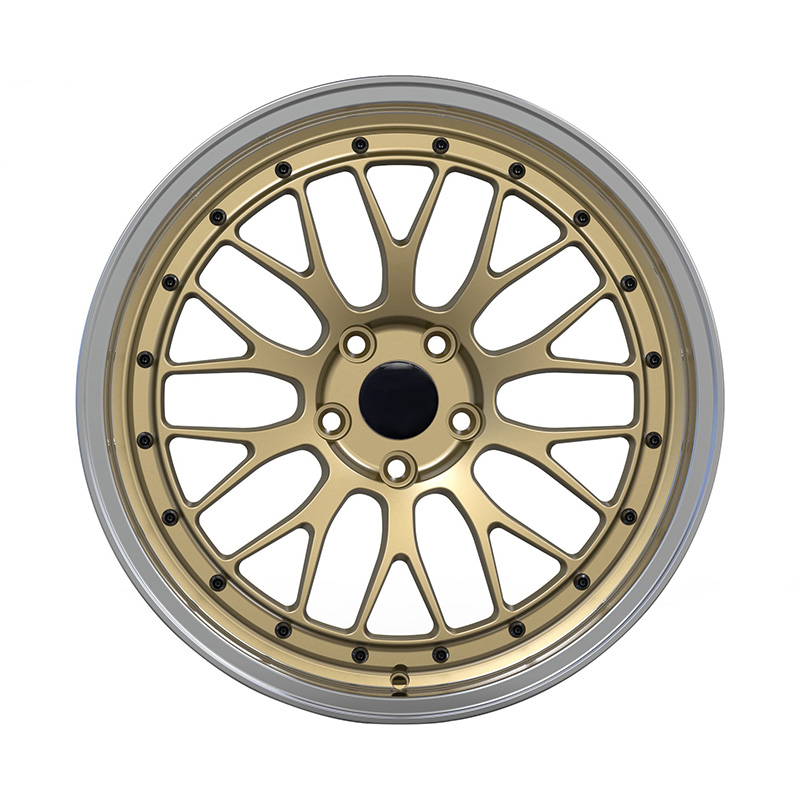


Zhenlun Multi Spokes Split Monoblock Forged Wheels Bronze With Silver Lip Edge
-
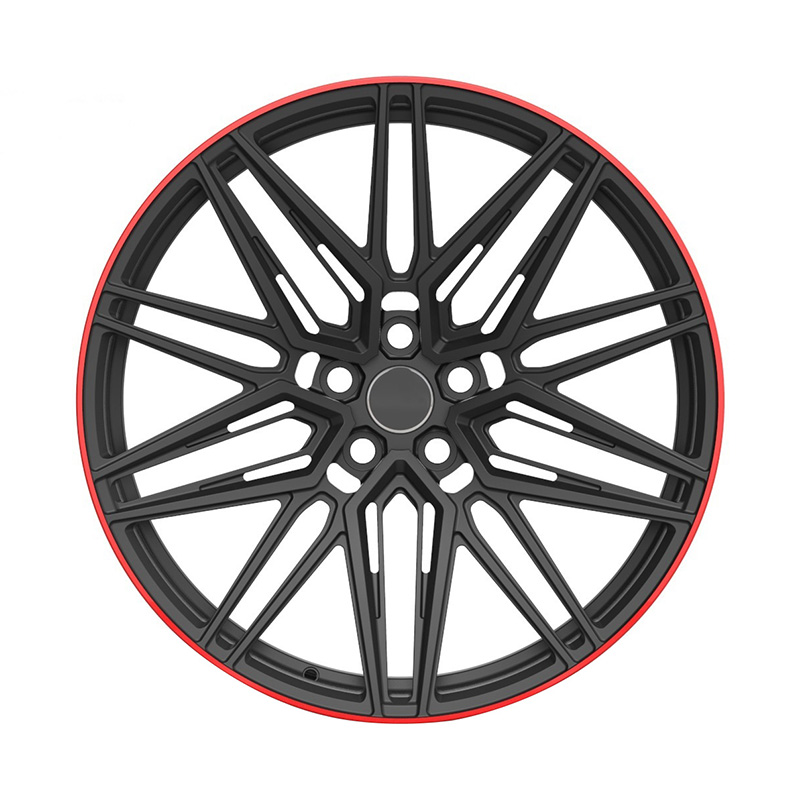
Zhenlun Matt Black With Red Lip Monoblock Forged Wheels
-
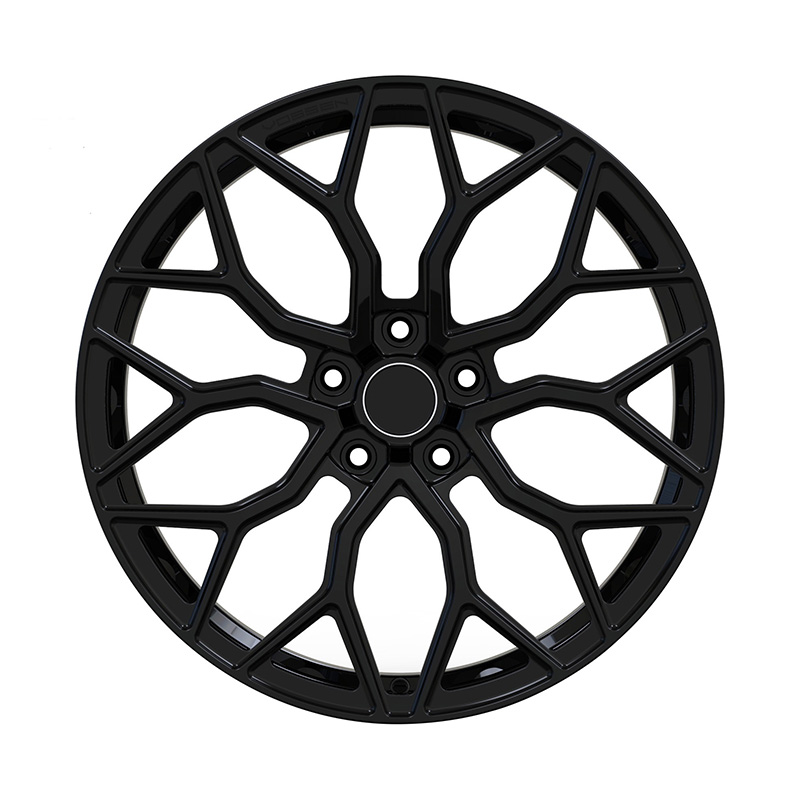
Zhenlun Gloss Black Monoblock Forged Wheels Gloss Black For Sports Car
-
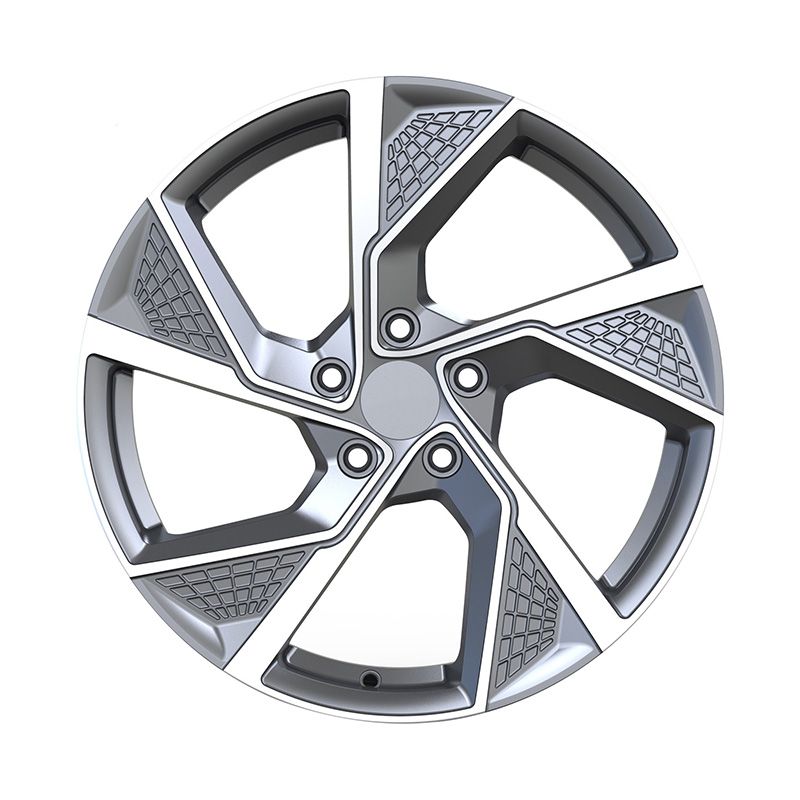
Zhenlun Monoblock Forged Wheels Lightgrey With Machined Face
-
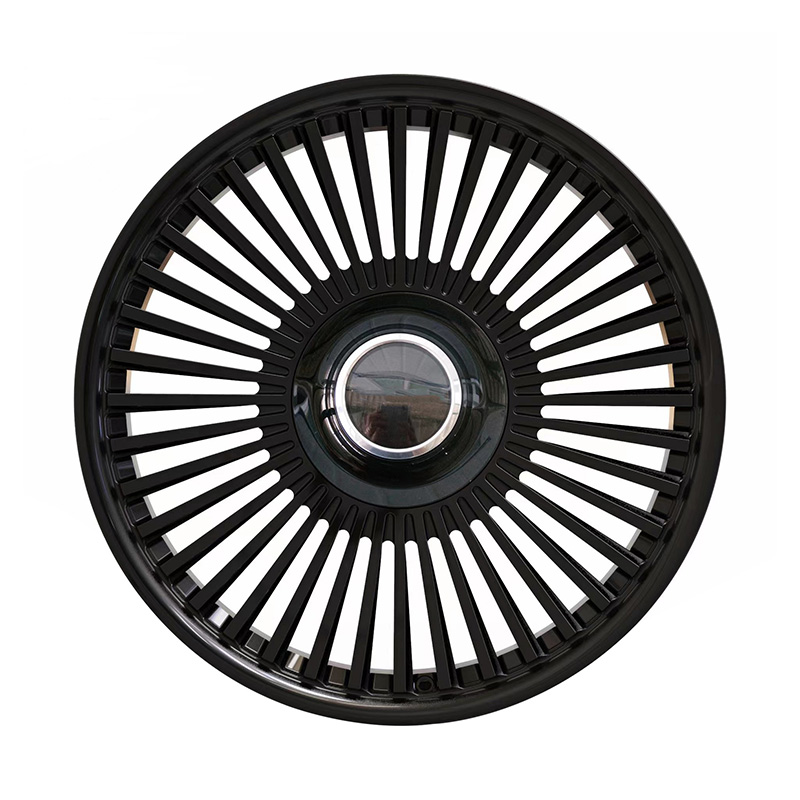
Zhenlun Monoblock Forged Wheels Gloss Black Dense Multi Spoke



Wechat QR code
IAN

JNZL

CONTACT Us
Mobile Site
Copyright© Taizhou Zhenlun Technology Co., Ltd. All Rights Reserved
