
 0
0

 English
 Español
Submit
Submit feedback
Are Passenger Car Modification Alloy Wheels Safe for Daily Driving
2026-07-24
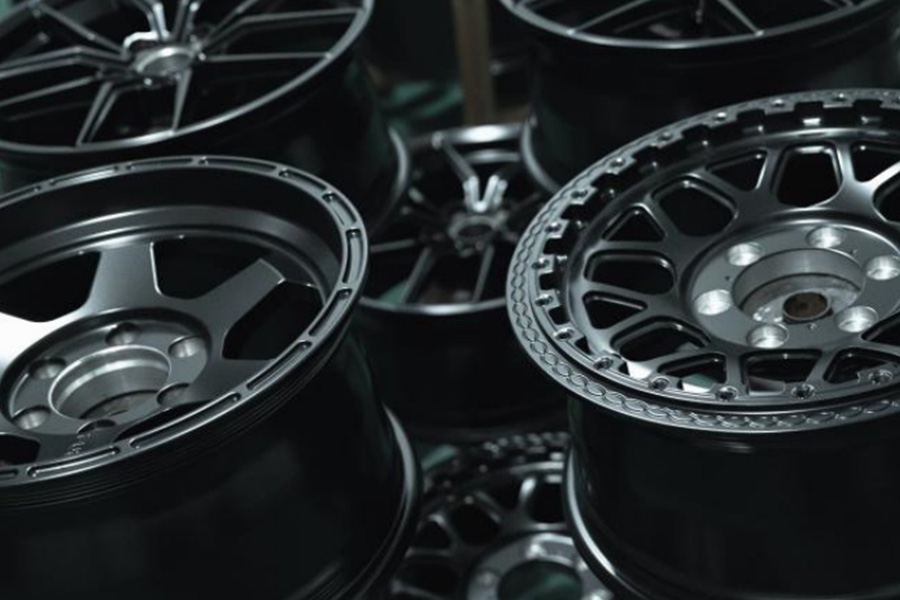
Passenger car modification alloy wheels are widely used for styling upgrades, weight reduction, and performance enhancement. Many drivers install forged or aftermarket wheels expecting improved handling and stronger durability compared with OEM designs. Real-world usage shows a more complex picture. Daily driving safety depends less on the wheel category alone and more on road conditions, tire setup, and structural stress behavior.
Modern discussions among drivers and technical sources consistently show that alloy wheels can perform safely in daily use, but they remain vulnerable to pothole impacts, curb strikes, and low-profile tire configurations that reduce impact absorption capacity.
Daily Driving Loads Are Not Uniform
Urban and highway environments create constantly changing load conditions. Even without aggressive driving, wheels experience repeated micro-stress cycles.
Common daily stress sources:
- Road surface irregularities such as cracks, potholes, and expansion joints
- Cornering load transfer during routine lane changes and turns
- Brake and acceleration torque variation across stop-and-go traffic
These loads do not usually cause immediate damage, but they contribute to long-term fatigue accumulation inside the wheel structure.
Why Modified Wheels Are More Exposed to Damage
Passenger car modification alloy wheels often use larger diameters and lower profile tires compared with factory setups. This changes how impact energy is absorbed.
Key structural consequences:
- Reduced tire sidewall height decreases cushioning ability
- Increased rim exposure to direct road impact
- Higher stiffness feedback into suspension and wheel interface
A Reddit-based user discussion highlights that smaller sidewall height significantly increases the chance of wheel damage because the tire behaves as part of the suspension system. Once that “buffer zone” is reduced, impact energy transfers more directly into rigid components like the wheel.
Forged Alloy Wheels and Structural Reality
Forged aluminum wheels are often assumed to be nearly unbreakable in daily driving. Engineering data shows a different reality. Forged wheels are stronger and lighter than cast wheels, but they still operate under aluminum fatigue limitations.
Material behavior includes:
- High stiffness improves steering precision and responsiveness
- Reduced porosity improves structural consistency
- Fatigue accumulation still occurs under repeated stress cycles
Even forged structures can crack or deform under severe pothole impact because aluminum alloys do not have infinite fatigue resistance.
Impact Behavior During Daily Road Events
A pothole strike or curb impact introduces a short-duration, high-intensity force event. Daily driving does not eliminate exposure to these events; it only reduces their frequency.
Energy transfer sequence:
- Tire sidewall compresses until absorption limit is reached
- Wheel rim receives concentrated impact load
- Spokes transfer bending stress toward hub center
Once impact energy exceeds local elastic limits, micro-cracks can form at spoke roots or barrel edges, even in forged wheels.
Typical Safety-Related Failure Zones
Modification alloy wheels tend to fail in predictable structural areas rather than randomly.
- Spoke base junction connecting hub and rim
- Inner barrel lip exposed to direct vertical impact
- Valve hole region disrupting continuous material flow
- Thin spoke sections in lightweight designs
These zones experience repeated stress concentration, making them more vulnerable over long-term daily use.
Why Some Wheels Crack Without Visible Warning
A common concern is sudden wheel failure during normal driving. In reality, damage progression is usually gradual.
Typical fatigue development:
- Micro-damage accumulates from repeated small impacts
- Subsurface cracks grow along grain boundaries
- Visible fracture appears after a stronger impact event
Reports from repair sources highlight that cracks are structural failures, not cosmetic issues, and their location determines whether repair is even safe or possible.
Passenger Car Safety Depends on System Balance
Daily driving safety is not determined by wheels alone. It depends on a combined system:
- Wheel material and structural design
- Tire size and sidewall thickness
- Road condition variability
- Driving speed and impact frequency
Even high-strength forged wheels cannot fully compensate for extremely harsh road environments combined with ultra-low-profile tires.
Passenger car modification alloy wheels can be safe for daily driving under normal conditions. The risk profile changes significantly with road quality, tire configuration, and driving habits. Forged and high-performance alloy wheels improve stiffness, weight distribution, and handling response, but they do not remove fatigue behavior or eliminate vulnerability to severe pothole impacts.
Safety depends on how the entire wheel-tire-road system manages energy transfer. Once impact loads exceed structural tolerance at concentrated zones such as spoke roots and barrel edges, cracking can still occur regardless of wheel grade or brand positioning.
recommend products
-
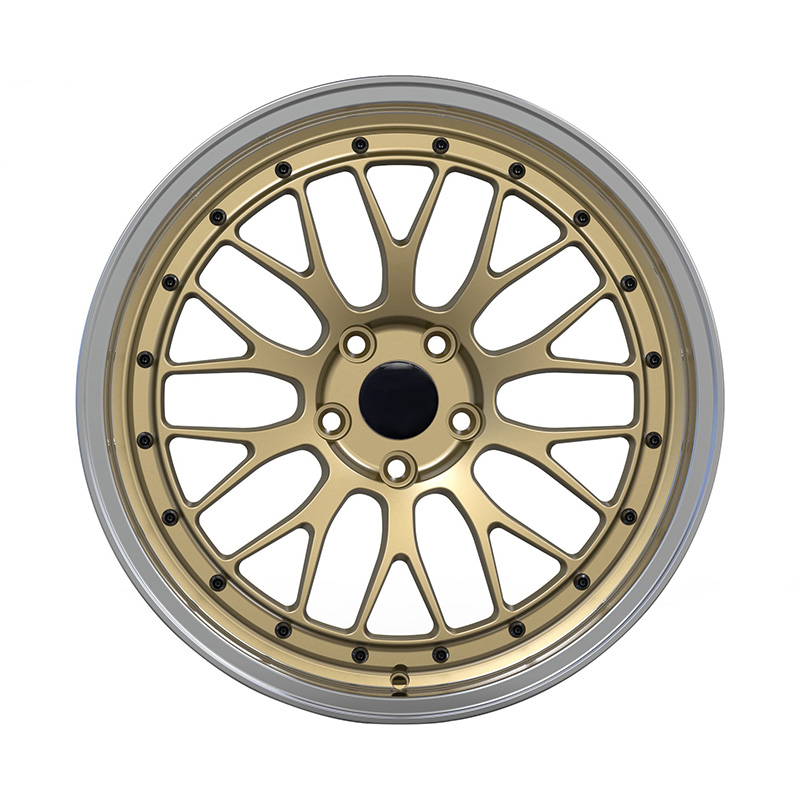


Zhenlun Multi Spokes Split Monoblock Forged Wheels Bronze With Silver Lip Edge
-
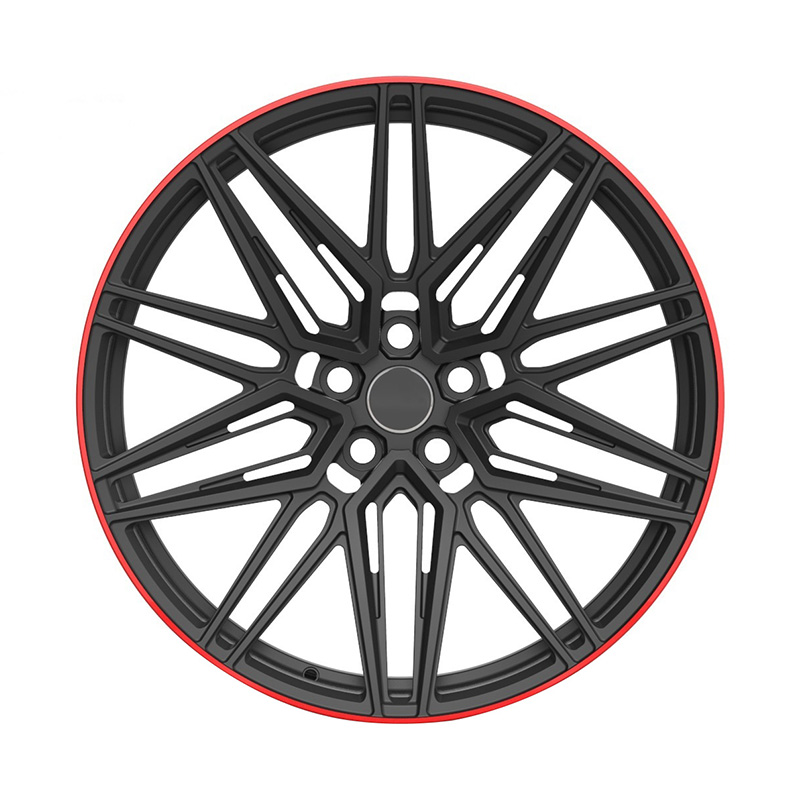
Zhenlun Matt Black With Red Lip Monoblock Forged Wheels
-
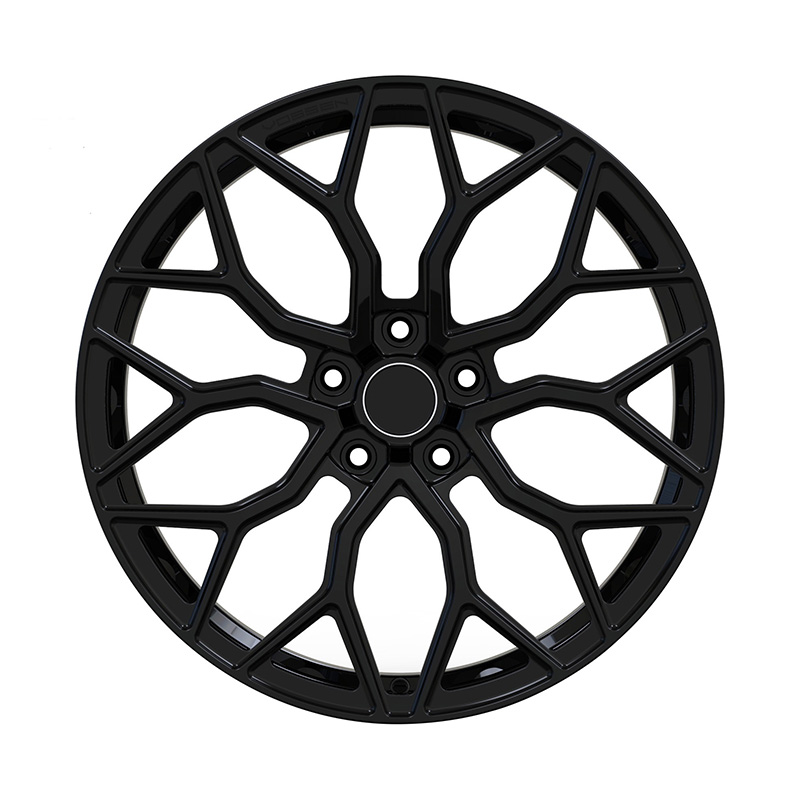
Zhenlun Gloss Black Monoblock Forged Wheels Gloss Black For Sports Car
-
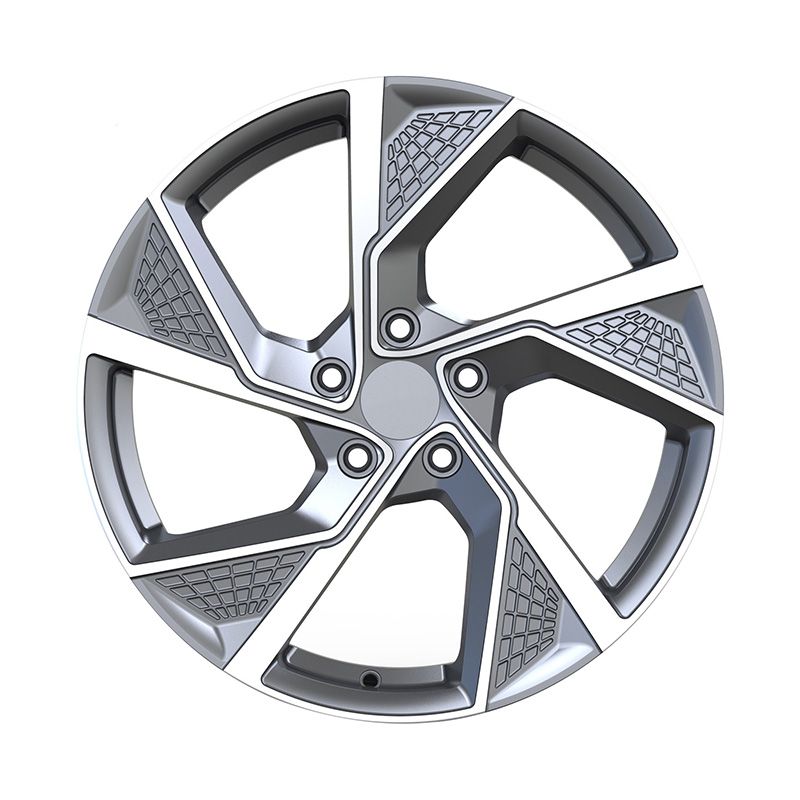
Zhenlun Monoblock Forged Wheels Lightgrey With Machined Face
-
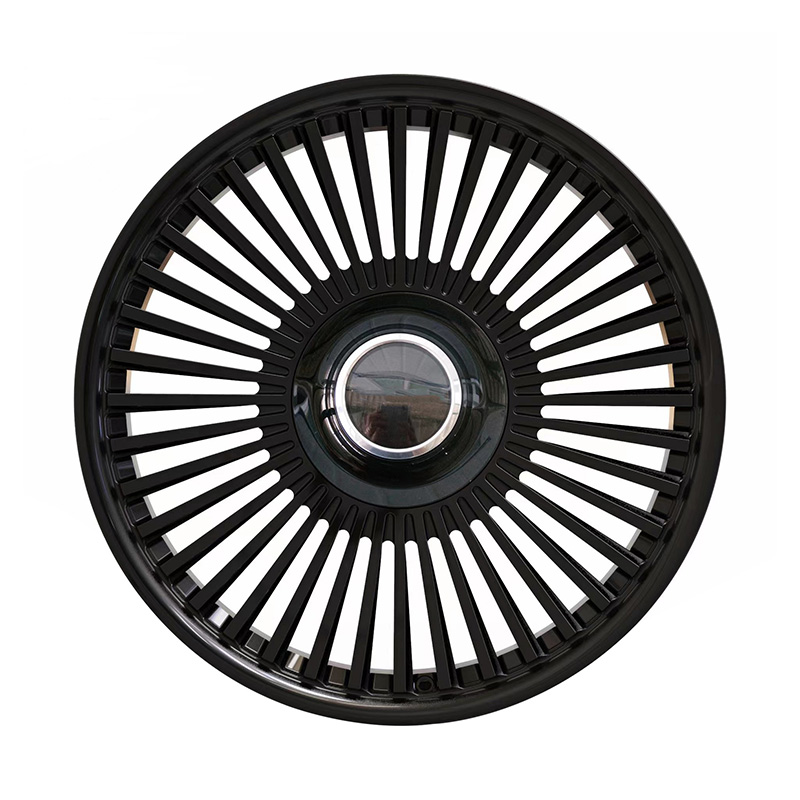
Zhenlun Monoblock Forged Wheels Gloss Black Dense Multi Spoke



Wechat QR code
IAN

JNZL

CONTACT Us
Mobile Site
Copyright© Taizhou Zhenlun Technology Co., Ltd. All Rights Reserved
