
 0


 English
 Español

Submit
Submit feedback
Are Two-Piece Beadlock Wheels Suitable for Every Off-Road Setup
2026-11-13
Off-road vehicles operate across different terrains, including rocky trails, sandy areas, muddy tracks, and uneven construction routes. Each environment creates different demands on tires and wheels. Among the available aftermarket options, 2 piece beadlock wheels have attracted attention from off-road enthusiasts, vehicle modification businesses, and specialist equipment distributors.
Unlike conventional wheels, a two-piece beadlock design uses a separate outer ring secured with bolts to clamp the tire's outer bead against the wheel. This mechanical connection helps prevent the tire bead from slipping off the rim during low-pressure off-road operation. However, this construction does not mean that beadlock wheels are suitable for every vehicle or driving condition.
At Zhenlun, we believe buyers should evaluate the intended terrain, tire configuration, vehicle requirements, and maintenance arrangements before purchasing off-road beadlock wheels. Understanding these factors helps distributors recommend suitable wheel configurations to their customers.
1. How Do Two-Piece Beadlock Wheels Work?
A traditional wheel relies on the tire bead and internal air pressure to maintain the connection between the tire and rim. During demanding off-road activities, drivers sometimes reduce tire pressure to increase the tire's contact area with the ground.
Lower pressure can improve traction on rocks, sand, and uneven surfaces, but it also increases the possibility of tire bead separation under certain driving conditions.
A two-piece beadlock wheel addresses this issue through a mechanical clamping structure.
Main Structural Components
- Wheel center and barrel: The main wheel structure supports the tire and connects the assembly to the vehicle hub.
- Outer beadlock ring: A separate metal ring clamps the tire's outer bead against the wheel flange.
- Fastening bolts: Multiple bolts secure the ring and distribute clamping force around the tire circumference.
- Mounting interface: The wheel's bolt pattern, center bore, width, and offset determine vehicle compatibility.
This arrangement provides additional bead retention during low-pressure operation. However, the actual performance depends on wheel construction, tire bead dimensions, installation accuracy, and the manufacturer's design specifications.
2. Which Off-Road Applications Benefit from Beadlock Wheels?
Not every off-road vehicle requires a mechanical beadlock system. The purchasing decision should reflect the terrain and driving style rather than appearance alone.
| Off-Road Application | Potential Benefit | Important Consideration |
| Rock crawling | Additional tire bead retention at reduced pressure | Sidewall protection and wheel clearance |
| Desert driving | Supports low-pressure tire configurations | Heat, sand exposure, and tire construction |
| Mud trails | Helps maintain tire position under demanding traction conditions | Cleaning and bolt inspection |
| Overlanding | Provides additional support for selected remote-terrain setups | Vehicle load and maintenance access |
| Daily road driving | Limited practical benefit for ordinary commuting | Road-use approval and manufacturer restrictions |
Rock crawling and specialized off-road competition are common applications because drivers may use reduced tire pressure to improve traction over irregular surfaces. Sand driving can also benefit from suitable low-pressure tire configurations.
However, vehicles mainly used for commuting or occasional gravel roads may not require this additional structure. Conventional alloy wheels can be a more practical option for those applications.
3. Tire Compatibility Is Just as Important as Wheel Design
A beadlock wheel cannot deliver its intended function without a suitable tire. Tire bead thickness, overall dimensions, and mounting specifications must match the wheel design.
Important Compatibility Details
- Tire diameter: Confirm that the tire size matches the wheel diameter.
- Tire width: Check the recommended rim width range provided by the tire manufacturer.
- Bead thickness: Different tire constructions may require different clamping arrangements or an approved spacer.
- Load capacity: Verify that the wheel and tire can support the vehicle's operating weight.
- Mounting clearance: Check brake calipers, suspension components, and wheel arch clearance.
Bead thickness deserves particular attention. A tire bead that is too thick or too thin for the designed clamping space may prevent the ring from seating correctly. Some wheel designs require a specific spacer to accommodate different tire bead dimensions.
At Zhenlun, we recommend confirming the tire model and wheel specifications together during procurement discussions rather than treating them as separate purchasing decisions.
4. Are Two-Piece Beadlock Wheels Suitable for Highway Driving?
Road-use suitability is an important consideration for importers and distributors. Genuine mechanical beadlock wheels are commonly designed for off-highway and competition applications. Many manufacturers explicitly restrict their use on public roads, and some models are not DOT approved.
Buyers should distinguish between three different wheel designs:
- True beadlock wheels: Use a bolted outer ring to mechanically secure the tire bead.
- Beadlock-capable wheels: Use a conventional tire mounting system but may accept an optional decorative or functional accessory ring, depending on the design.
- Beadlock-style wheels: Have an appearance resembling beadlock construction without mechanically clamping the tire bead.
These designs have different functions and regulatory considerations. Importers should check the actual product construction, manufacturer documentation, and destination-market requirements before marketing a wheel for road use.
5. Installation and Maintenance Require More Attention
Two-piece beadlock wheels involve additional hardware and assembly procedures compared with conventional one-piece wheels. Incorrect installation can affect clamping pressure, bolt reliability, and tire sealing.
Several maintenance practices deserve attention:
Correct Bolt Tightening
Beadlock ring bolts should be tightened according to the wheel manufacturer's specified torque and sequence. A calibrated torque wrench is necessary. A star or cross-pattern tightening sequence is commonly recommended to help distribute clamping force evenly.
Impact tools should not replace the specified torque procedure. Excessive tightening can damage threads, stretch fasteners, or affect the ring assembly.
Regular Hardware Inspection
Off-road vibration, impacts, and repeated loading can affect fastening components. Users should inspect the ring bolts for looseness, damage, or missing hardware according to the manufacturer's maintenance instructions.
Tire Pressure Monitoring
Beadlock construction does not eliminate the need to monitor tire pressure. Drivers should check tire pressure before each trip and inspect the wheel assembly after demanding off-road sessions.
Professional Tire Installation
Tire mounting and inflation should be completed by qualified technicians using suitable equipment and approved safety procedures. Improper mounting or inflation can create serious injury risks.
6. What Should Buyers Evaluate Before Ordering?
For wholesalers, importers, and off-road modification brands, product specifications and after-sales requirements deserve equal attention. A detailed procurement checklist can help reduce compatibility problems and customer complaints.
| Procurement Item | Information to Confirm |
| Wheel construction | Two-piece design and beadlock ring configuration |
| Material | Aluminum alloy grade and manufacturing process |
| Dimensions | Diameter, width, PCD, offset, and center bore |
| Load rating | Rated wheel capacity and intended vehicle application |
| Hardware | Bolt material, dimensions, and approved torque specifications |
| Surface finish | Coating type, color, and corrosion protection |
| Documentation | Technical drawings, installation instructions, and applicable compliance records |
| After-sales support | Replacement rings, bolts, and related components |
Buyers should also request samples or technical drawings to verify vehicle fitment before arranging larger purchasing programs. For customized wheel projects, confirming dimensions and hardware configurations during the specification stage helps avoid unnecessary adjustments later.
7. Zhenlun's Perspective on Beadlock Wheel Applications
At Zhenlun, we believe off-road wheel procurement should begin with a clear understanding of the vehicle and its operating environment. A genuine beadlock design offers a specific functional benefit, but its suitability depends on how the complete wheel and tire assembly will be used.
Our discussions with distributors and aftermarket wheel buyers focus on several practical areas:
- Application matching: Identifying whether the target market primarily serves rock crawling, desert driving, mud trails, or other off-road activities.
- Dimension confirmation: Reviewing diameter, width, PCD, offset, center bore, and vehicle clearance requirements.
- Construction evaluation: Discussing alloy material, wheel structure, beadlock ring design, and fastening hardware.
- Product support: Clarifying installation instructions, replacement components, surface finishes, and customization requirements.
We understand that different distributors serve different vehicle platforms and customer groups. Clear technical communication helps us discuss suitable wheel configurations and establish more practical cooperation arrangements.
Frequently Asked Questions
1. What Is the Main Difference Between Two-Piece Beadlock Wheels and Standard Alloy Wheels?
A two-piece beadlock wheel uses a separate bolted ring to clamp the tire's outer bead mechanically. A standard alloy wheel relies on the conventional tire bead seat and air pressure to maintain the tire-to-wheel connection.
2. Can Beadlock Wheels Be Used with Any Off-Road Tire?
No. Tire diameter, rim width, bead thickness, and mounting specifications must match the wheel manufacturer's requirements. Some combinations may require an approved spacer or specific hardware.
3. How Often Should Beadlock Ring Bolts Be Inspected?
Inspection frequency depends on the wheel manufacturer's instructions and operating conditions. Buyers should follow the specified inspection schedule and check the hardware before off-road trips. The correct torque value must come from the particular wheel manufacturer rather than a universal reference.
4. Are Two-Piece Beadlock Wheels Suitable for Everyday Driving?
Many genuine beadlock wheels are intended for off-highway applications and are not approved for regular public-road use. Buyers should verify the individual model's certification and local regulations before considering road operation.
5. What Specifications Should Importers Confirm Before Purchasing Beadlock Wheels?
Important specifications include alloy material, manufacturing process, wheel diameter, width, PCD, offset, center bore, load rating, beadlock ring construction, bolt specifications, and applicable documentation.
recommend products
-
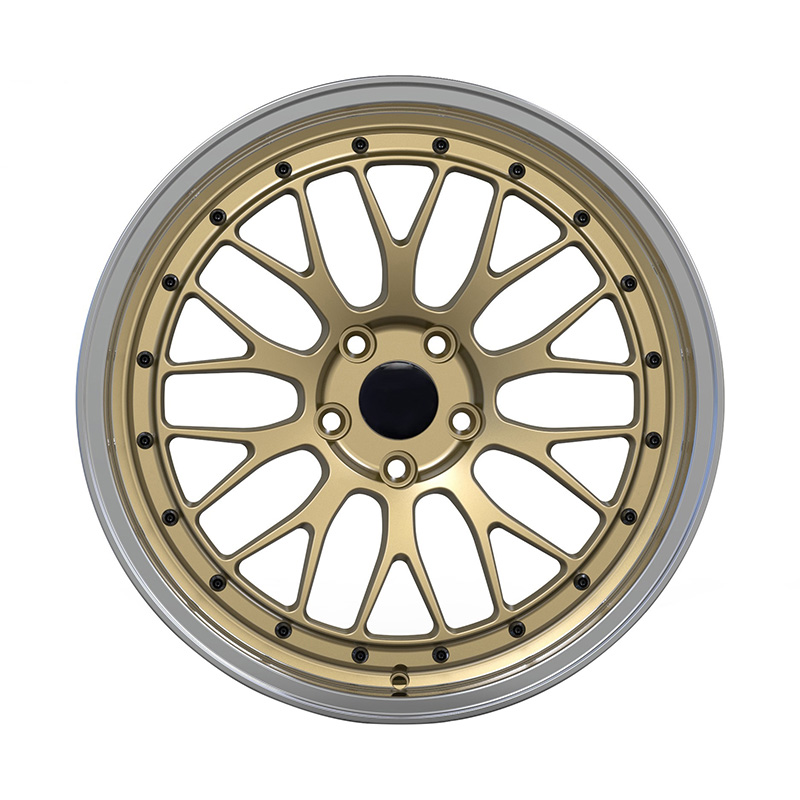


Zhenlun Multi Spokes Split Monoblock Forged Wheels Bronze With Silver Lip Edge
-
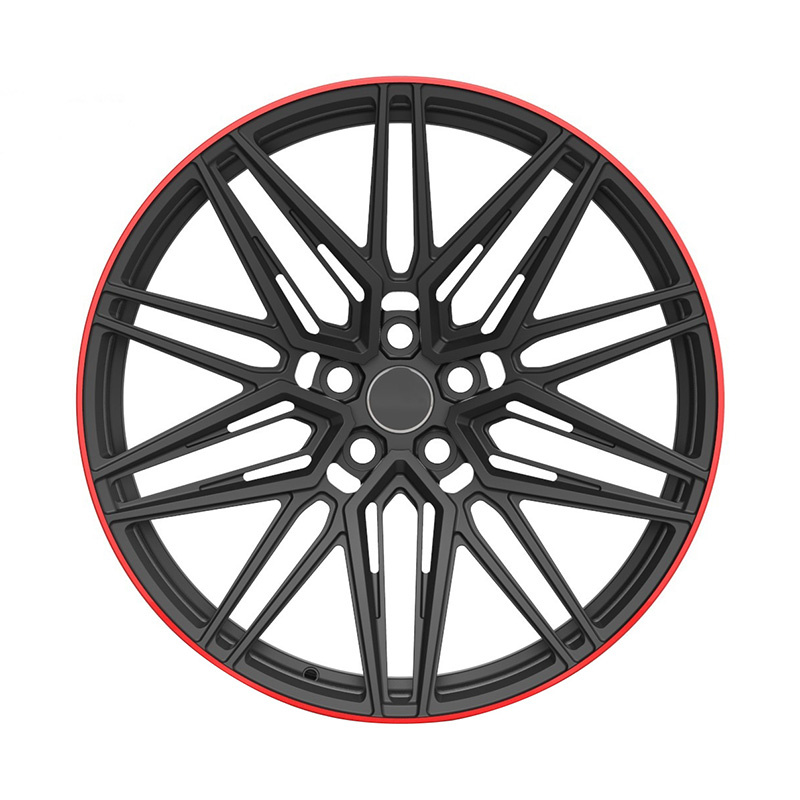
Zhenlun Matt Black With Red Lip Monoblock Forged Wheels
-
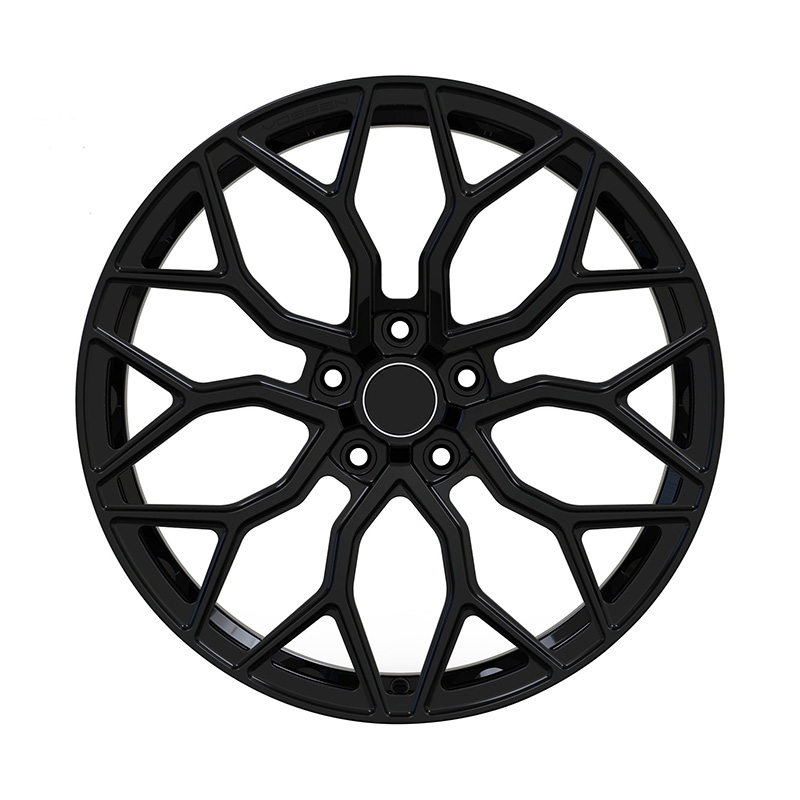
Zhenlun Gloss Black Monoblock Forged Wheels Gloss Black For Sports Car
-
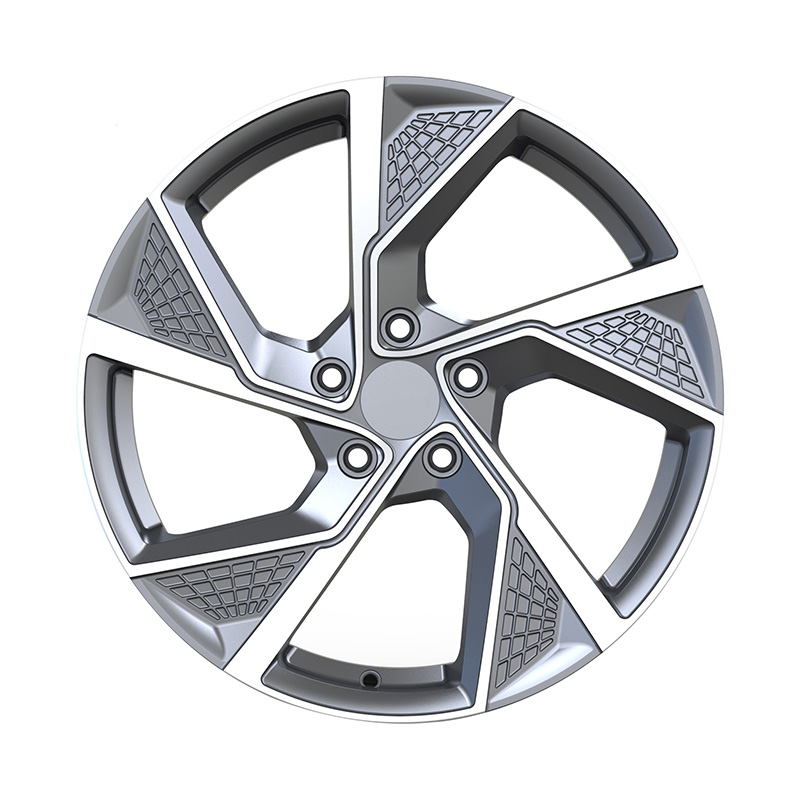
Zhenlun Monoblock Forged Wheels Lightgrey With Machined Face
-
Zhenlun Monoblock Forged Wheels Gloss Black Dense Multi Spoke



Wechat QR code
IAN

JNZL

CONTACT Us
Mobile Site
Copyright© Taizhou Zhenlun Technology Co., Ltd. All Rights Reserved
