
 0


 English
 Español

Submit
Submit feedback
Does 6061-T6 Certification Tell Buyers Enough About Wheel Quality
2026-11-06
Material specifications play an important role in aftermarket wheel procurement. Buyers evaluating T6 alloy wheels often pay close attention to the 6061-T6 designation because it identifies a widely used heat-treatable aluminum alloy and its temper condition. However, a material certificate alone cannot establish the overall quality, structural durability, or manufacturing consistency of a finished wheel.
At Zhenlun, we believe importers, wholesalers, and aftermarket wheel brands should examine the complete manufacturing and testing process rather than relying exclusively on an alloy designation. Understanding how material quality connects with forging, heat treatment, machining, and finished-product inspection helps buyers make more informed purchasing decisions.
1. What Does 6061-T6 Actually Tell Buyers?
6061 is an aluminum alloy containing magnesium and silicon as its principal alloying elements. The T6 designation refers to a specific heat-treatment condition involving solution heat treatment followed by artificial aging.
This combination provides a useful balance of mechanical strength, machinability, and corrosion resistance for many engineering applications.
However, buyers should distinguish between three different pieces of information:
- Alloy grade: Identifies the chemical composition of the aluminum material.
- Temper designation: Describes the material's heat-treatment condition.
- Finished-wheel performance: Reflects the combined effects of material properties, wheel geometry, manufacturing processes, and testing.
A supplier stating that a wheel uses 6061-T6 aluminum provides useful material information, but this statement does not automatically prove that every finished wheel meets the required load or fatigue performance.
2. Why Is Raw Material Certification Not Enough?
Material certificates help buyers verify the origin and properties of aluminum batches. However, they represent only one part of the quality verification process.
Several additional factors influence finished-wheel performance:
Material Traceability
Buyers should request documentation connecting the supplied aluminum material with its corresponding production batch. Chemical composition and mechanical property records help confirm whether the material meets the specified requirements.
Heat Treatment Control
Incorrect temperature control or aging conditions may affect the final mechanical properties of aluminum. Heat-treatment records and relevant inspection results provide additional evidence that the intended T6 condition has been achieved.
Manufacturing Consistency
Forging pressure, machining accuracy, dimensional tolerances, and surface treatment all influence the final wheel. Material certification cannot replace inspection of these manufacturing stages.
3. How Does Forging Affect T6 Alloy Wheel Quality?
Forging is an important manufacturing process used in performance-oriented aluminum wheels. During production, aluminum billets are shaped under high pressure to form the wheel structure.
Buyers evaluating forged T6 alloy wheels should consider several manufacturing details:
- Billet quality: Confirm the specified aluminum grade and material traceability.
- Forging process: Review process control and consistency across production batches.
- Heat treatment: Verify the treatment procedure and resulting material properties.
- CNC machining: Check dimensional accuracy, mounting surfaces, and bolt-hole positioning.
- Surface finishing: Review coating quality and resistance to environmental exposure.
A well-controlled forging process can help produce a suitable structural design, but the finished wheel still requires engineering evaluation and relevant performance testing.
4. Which Tests Should Buyers Request?
Wheel testing provides important evidence of structural performance. Rather than relying solely on material certificates, procurement teams should ask suppliers for documentation covering the finished wheel design.
| Testing Method | Purpose | Buyer Consideration |
| Radial fatigue test | Evaluates durability under repeated radial loading | Test standard and cycle results |
| Cornering fatigue test | Assesses resistance to repeated bending loads | Tested wheel specifications |
| Impact test | Evaluates structural response to specified impact conditions | Applicable test procedure and results |
| Dimensional inspection | Checks manufacturing accuracy | Diameter, width, offset, PCD, and center bore |
| Surface inspection | Identifies visible finishing defects | Coating consistency and appearance |
Relevant standards may include SAE J2530 for aftermarket passenger car and light-truck wheels and ISO 3006 for passenger car wheel fatigue testing. Buyers should confirm that the selected testing standard applies to the intended wheel category and market.
5. What Documentation Should Importers Check?
Clear documentation makes supplier evaluation easier and helps purchasing teams compare different manufacturers on a consistent basis.
At Zhenlun, we recommend discussing the following records during procurement:
- Aluminum alloy material certificates and batch traceability records.
- Heat-treatment process documentation.
- Forging and machining process information.
- Finished-wheel dimensional inspection reports.
- Applicable radial fatigue, cornering fatigue, and impact test reports.
- Relevant market conformity documents and product identification information.
Buyers should also verify whether test reports correspond to the exact wheel design, size, load rating, and manufacturing configuration being purchased. A report covering a different model does not automatically establish the performance of every wheel in a product range.
6. Zhenlun's Approach to T6 Alloy Wheel Procurement
At Zhenlun, we understand that international buyers need more than an aluminum grade printed on a product specification sheet. They need a clear understanding of how material selection, forging, heat treatment, machining, and quality inspection work together.
Our discussions with distributors and aftermarket wheel brands focus on three practical areas:
- Material verification: Discussing alloy specifications, heat-treatment requirements, and material documentation.
- Manufacturing evaluation: Reviewing forging processes, machining details, dimensions, and surface finishing.
- Performance assessment: Identifying relevant testing requirements according to wheel applications and destination markets.
This approach helps buyers evaluate product quality through verifiable technical information rather than relying on material descriptions alone.
Frequently Asked Questions
1. Does 6061-T6 Mean a Wheel Is Forged?
No. 6061-T6 identifies the aluminum alloy and its temper condition, not the manufacturing method. Buyers should separately confirm whether a wheel is forged, cast, or produced through another process.
2. What Is the Difference Between 6061 and T6?
6061 identifies the aluminum alloy grade, while T6 describes its heat-treated condition. Both terms are needed to identify the specified material accurately.
3. Which Tests Are Relevant to Forged Alloy Wheels?
Radial fatigue, cornering fatigue, and impact testing are commonly used to evaluate wheel structural performance. The applicable procedures depend on wheel category, intended use, and market requirements.
4. Should Buyers Request Material Certificates for Every Order?
Buyers should establish material traceability and documentation requirements with the supplier. Batch-specific records can help verify that delivered products correspond to the agreed material specifications.
recommend products
-
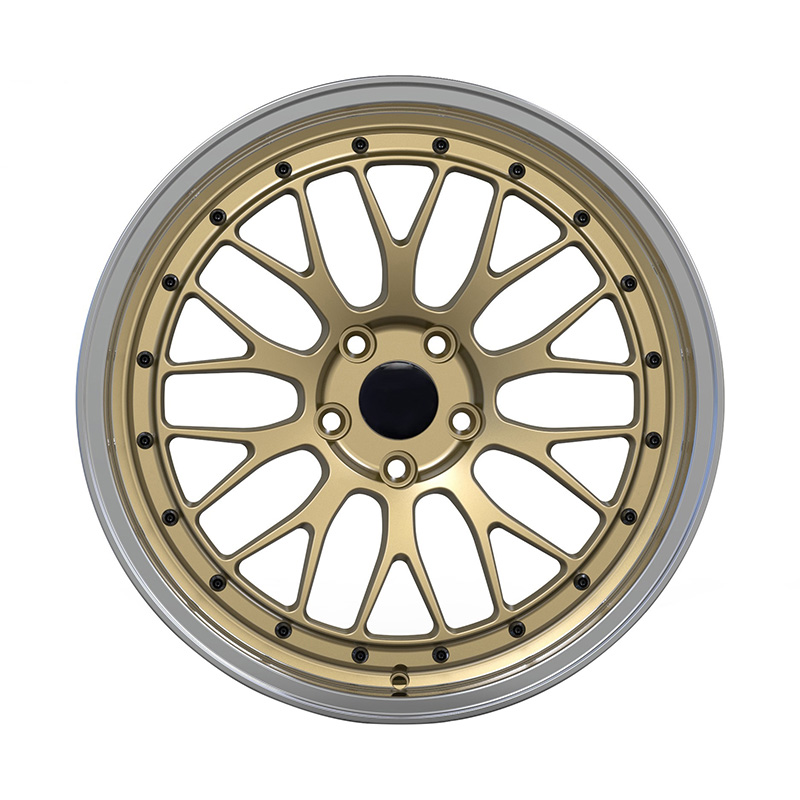


Zhenlun Multi Spokes Split Monoblock Forged Wheels Bronze With Silver Lip Edge
-
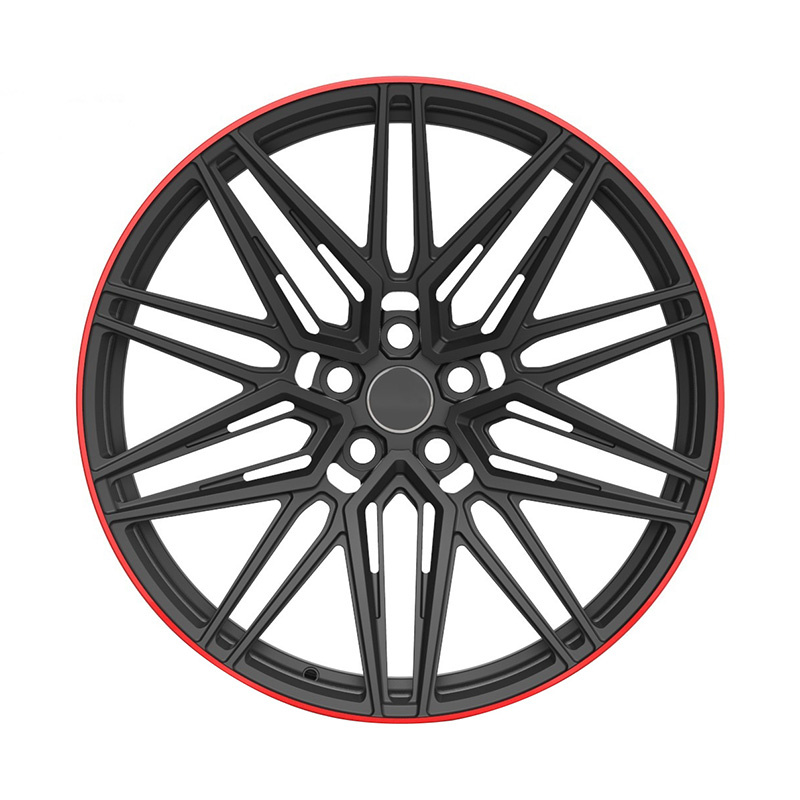
Zhenlun Matt Black With Red Lip Monoblock Forged Wheels
-
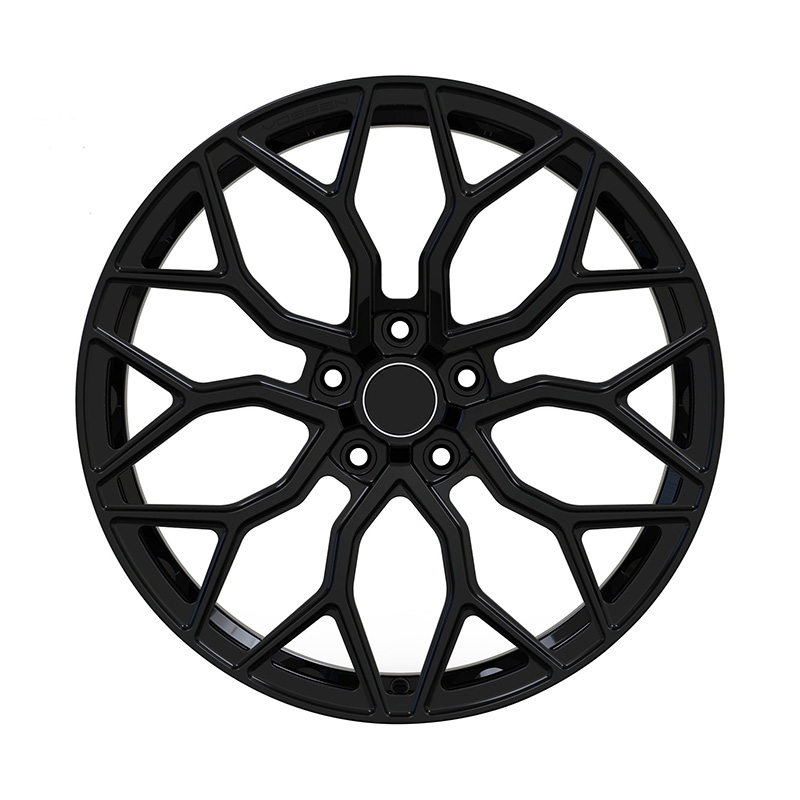
Zhenlun Gloss Black Monoblock Forged Wheels Gloss Black For Sports Car
-
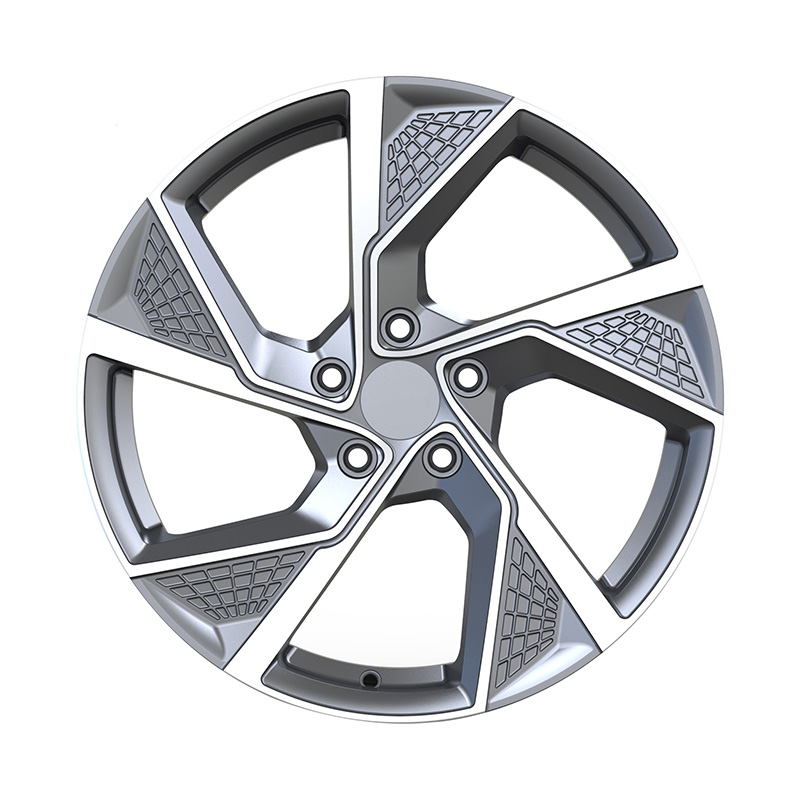
Zhenlun Monoblock Forged Wheels Lightgrey With Machined Face
-
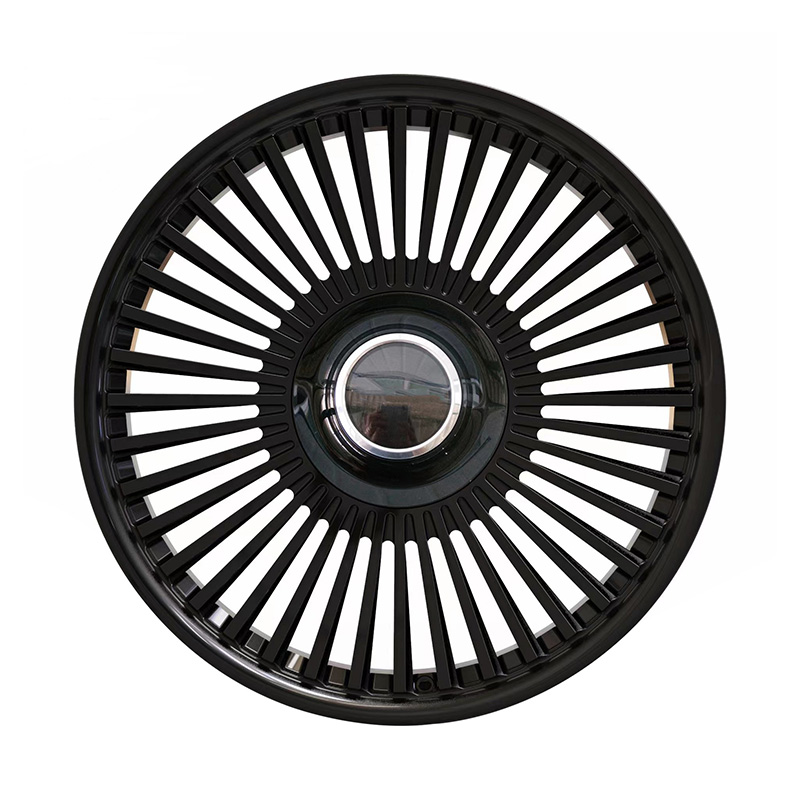
Zhenlun Monoblock Forged Wheels Gloss Black Dense Multi Spoke



Wechat QR code
IAN

JNZL

CONTACT Us
Mobile Site
Copyright© Taizhou Zhenlun Technology Co., Ltd. All Rights Reserved
