
 0


 English
 Español

Submit
Submit feedback
OEM Wheel Quotes: Which Costs Should Be Separated Before Approval
2026-10-30
A competitive wheel quotation should explain more than the price per unit. Custom wheel projects may involve engineering work, tooling, sample development, surface finishing, inspection, packaging, and international transportation. Comparing offers without checking these details can make two suppliers appear comparable even though their quotations cover different services.
At Zhenlun, we encourage buyers to review every cost category before approving a wheel manufacturing project. Working with OEM wheel manufacturers requires a clear understanding of the product specifications, production scope, and commercial terms. A structured quotation helps purchasing teams estimate the actual project budget and plan future orders with greater confidence.
1. Separate Engineering and Tooling Charges
Custom wheel projects may require design adjustments, technical drawings, machining programs, or dedicated tooling. These expenses should be identified separately from recurring production costs.
Items to Confirm
- Engineering: Confirm whether drawing preparation, design revisions, and fitment reviews are included.
- Tooling: Check whether dedicated fixtures, molds, or other production tools require separate payment.
- Ownership: Clarify who owns customer-funded tooling and whether transfer or storage arrangements apply.
- Future changes: Establish how modifications to dimensions, spoke designs, or other specifications will be quoted.
Tooling expenses can vary with wheel construction, design complexity, and manufacturing requirements. Buyers should also confirm whether the same tooling can support repeat orders or whether later revisions may require additional investment.
2. Review Sample Development and Testing Costs
Samples allow buyers to evaluate dimensions, appearance, fitment, and manufacturing quality before approving larger production runs. However, sample charges and product testing fees may cover different activities.
| Cost Category | Questions to Ask |
| Prototype samples | How many samples are included, and what specifications will they follow? |
| Sample revisions | Will changes to the drawing or finish incur additional charges? |
| Dimensional inspection | Are measurement records included with the samples? |
| Performance testing | Which tests are required, and which wheel configurations do the reports cover? |
| Third-party testing | Are external laboratory fees included or quoted separately? |
At Zhenlun, we recommend defining the required inspection and testing scope before approving the quotation. Applicable tests depend on the wheel design, intended vehicle application, and destination-market requirements. Buyers should request the relevant documentation rather than assume that every test is included in the unit price.
3. Identify Manufacturing and Surface Finishing Costs
The recurring unit price should specify the manufacturing scope covered by the offer. Wheel dimensions, material specifications, machining requirements, and finishing choices can all influence production costs.
Production Details Worth Checking
- Specified material and manufacturing process.
- Machining operations and dimensional tolerances.
- Surface preparation, painting, polishing, or other finishing processes.
- Additional costs for special colors, customized finishes, or complex spoke designs.
- Inspection requirements and the agreed criteria for accepting finished products.
A quotation should clearly identify the approved finish and its associated cost. A standard painted surface and a customized multi-stage finish may require different processing steps. Buyers should also approve a physical sample or an agreed finish reference before mass production, especially for private-label projects involving several colors.
4. Check Packaging, Branding, and Order Quantities
Packaging and branding requirements can affect both project expenses and purchasing flexibility. Standard export packaging may differ from customized cartons featuring logos, product codes, barcodes, or market-specific labels.
- Protective packaging: Confirm the materials used to protect wheel faces, edges, and finished surfaces during transit.
- Private-label branding: Separate logo development, center caps, printed cartons, and customized labels where applicable.
- Order quantity: Request pricing by wheel specification, finish, and quantity rather than relying solely on the combined order volume.
- Packaging setup: Clarify whether printing plates, artwork preparation, or special packaging materials require separate charges.
Buyers should also check whether the quoted quantity applies to each size and finish or to the entire order. A project containing several wheel specifications may have a different cost structure from a single-design order of the same total volume.
5. Distinguish Factory Prices from Delivered Costs
International wheel procurement involves expenses beyond manufacturing. Freight, insurance, customs duties, import taxes, and destination handling may affect the final purchasing budget.
| Cost Item | Approval Point |
| Factory price | Confirm the exact product specifications and included services. |
| Export packing | Verify protective materials and packing arrangements. |
| Domestic transportation | Check whether delivery from the factory to the export port is included. |
| International freight | Confirm the shipping method, destination, and quoted freight scope. |
| Insurance and handling | Identify the responsible party and applicable charges. |
| Import duties and taxes | Verify destination-market requirements with the relevant customs professionals. |
The agreed Incoterm and named place should make clear which transportation costs and responsibilities belong to each party. Comparing quotations on the same delivery basis helps purchasing teams avoid misleading price comparisons.
6. Build a Clear Cost Comparison Before Approval
A practical comparison sheet allows buyers to review competing offers using consistent assumptions. At Zhenlun, we recommend recording the following information before issuing a purchase order.
- Unit price for each approved wheel specification and finish.
- Separate engineering, tooling, and sample development charges.
- Testing scope, inspection records, and documentation fees.
- Packaging, branding, and order-quantity conditions.
- Production schedule, payment terms, and quotation validity.
- Freight assumptions, delivery terms, and excluded expenses.
It is also useful to distinguish one-time development expenses from recurring costs. A simple planning formula is:
Estimated Project Cost = Production Cost + Engineering and Tooling + Samples and Testing + Packaging + Logistics + Applicable Import Charges
This calculation provides a broader budget view, although the actual amount depends on the agreed quotation, order volume, delivery terms, and project requirements.
Prepare Your OEM Wheel Project with Zhenlun
A transparent quotation makes it easier to compare suppliers, allocate purchasing budgets, and identify expenses that may arise during product development. Separating tooling, samples, manufacturing, finishing, testing, packaging, and logistics also helps both parties establish clear commercial expectations.
At Zhenlun, we work with customers to clarify wheel specifications, customization requirements, and quotation details for OEM-related and aftermarket projects. Visit our website to discuss your target wheel dimensions, finish, order volume, and delivery destination. Providing a detailed purchasing brief helps our team evaluate the project scope and prepare a quotation aligned with your requirements.
recommend products
-
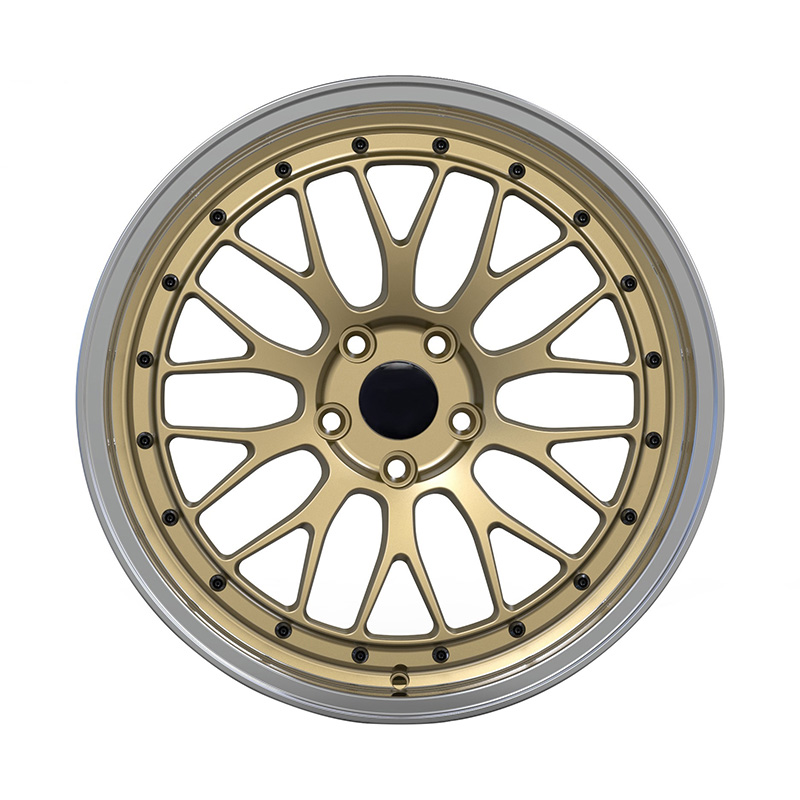


Zhenlun Multi Spokes Split Monoblock Forged Wheels Bronze With Silver Lip Edge
-
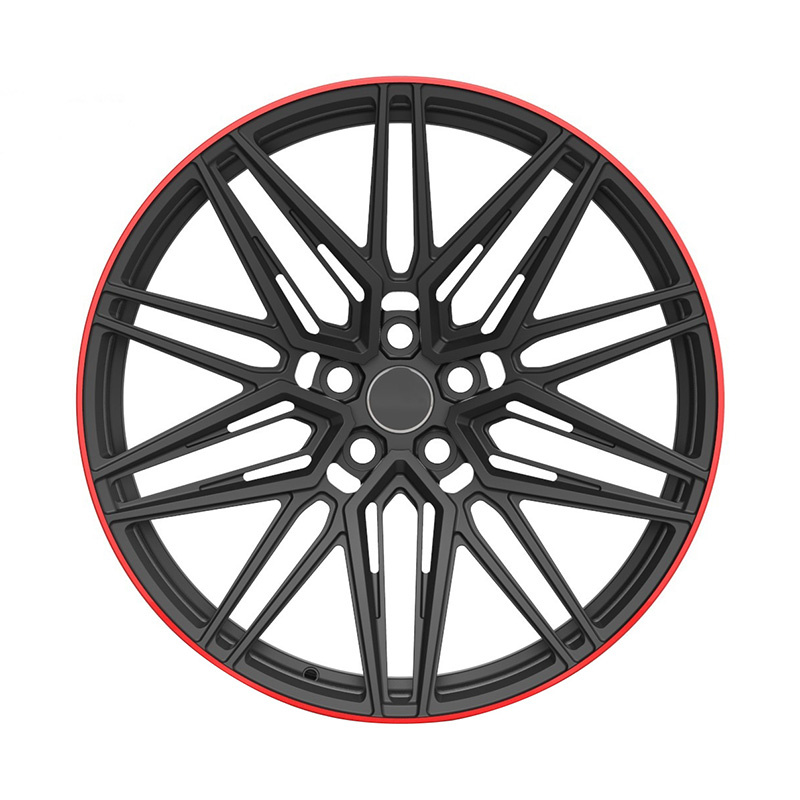
Zhenlun Matt Black With Red Lip Monoblock Forged Wheels
-
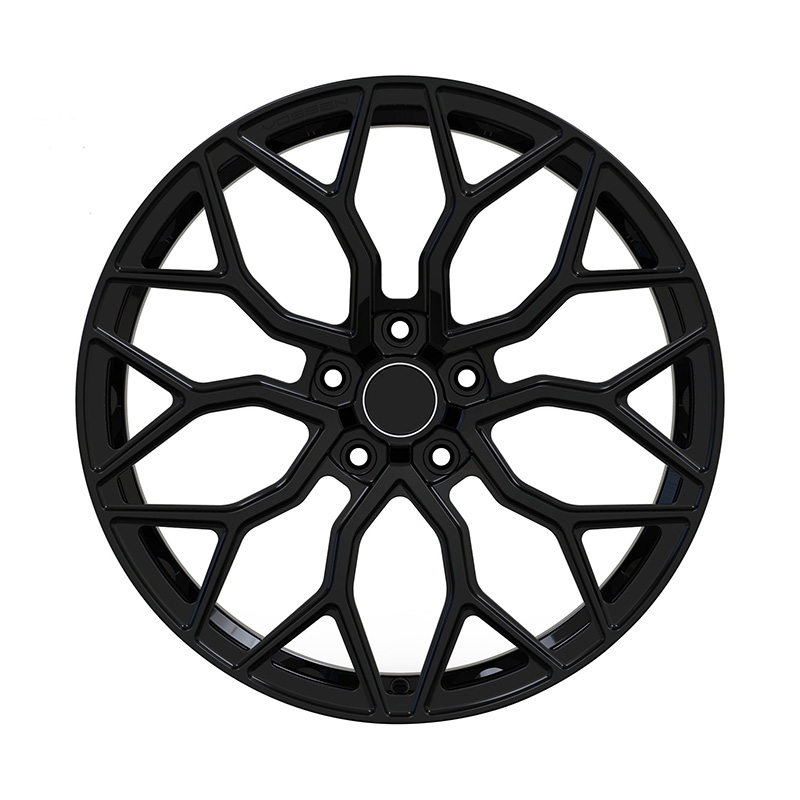
Zhenlun Gloss Black Monoblock Forged Wheels Gloss Black For Sports Car
-
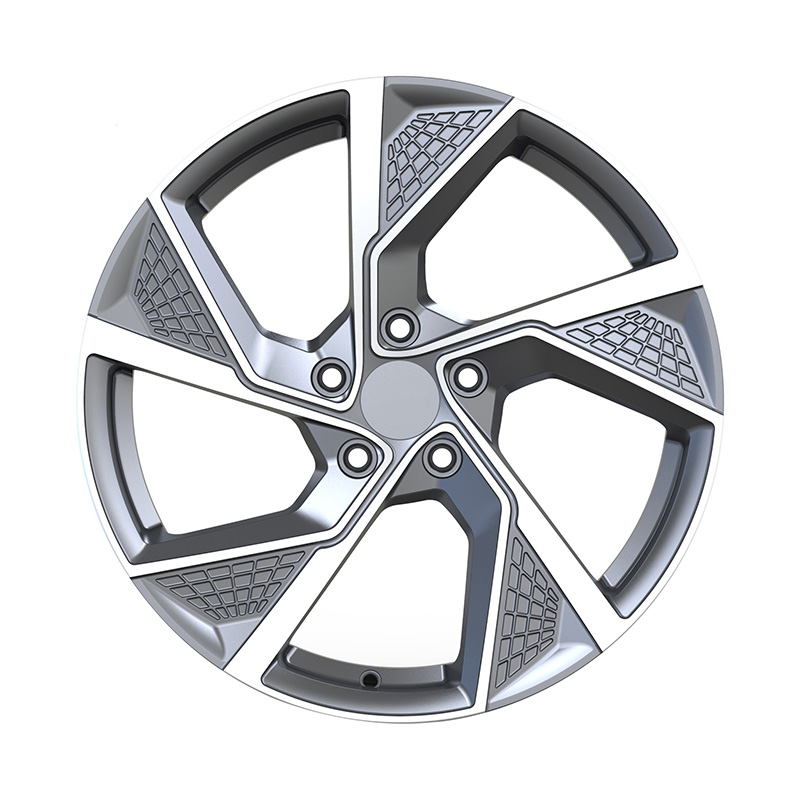
Zhenlun Monoblock Forged Wheels Lightgrey With Machined Face
-
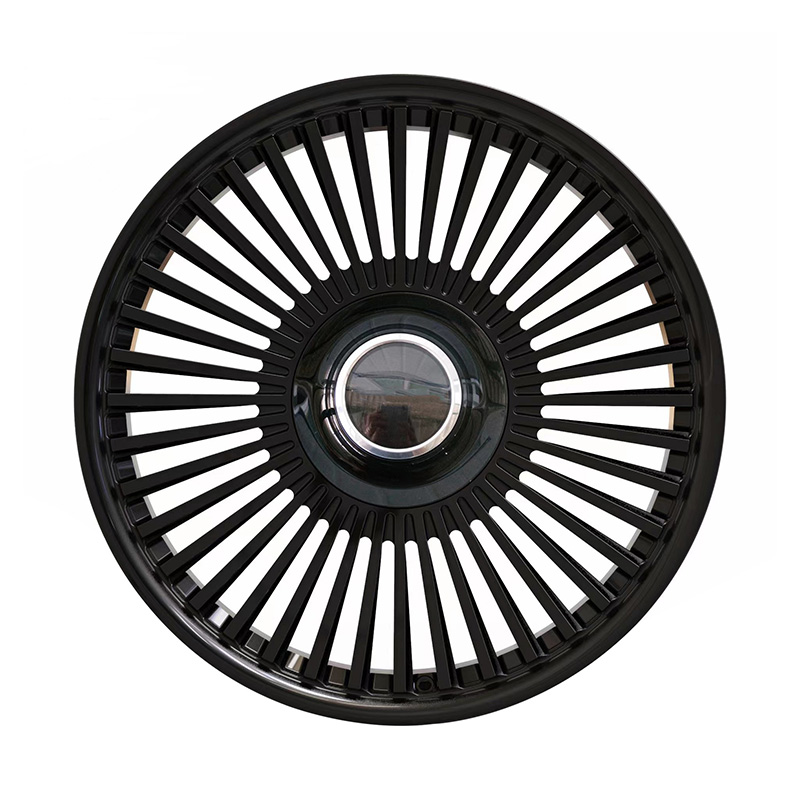
Zhenlun Monoblock Forged Wheels Gloss Black Dense Multi Spoke



Wechat QR code
IAN

JNZL

CONTACT Us
Mobile Site
Copyright© Taizhou Zhenlun Technology Co., Ltd. All Rights Reserved
