
 0


 English
 Español

Submit
Submit feedback
Before Ordering Forged SUV Wheels, Which Specs Need Approval
2026-10-23
Ordering custom wheels involves more than choosing a diameter, finish, and spoke design. SUVs have specific load requirements, brake dimensions, and suspension layouts that influence wheel compatibility. An incorrect specification can cause installation problems, tire interference, or inadequate load capacity.
At Zhenlun, we encourage buyers to confirm essential technical details before approving a wheel order. Our approach focuses on vehicle compatibility, manufacturing specifications, and clear communication throughout the purchasing process. Reviewing these details early helps distributors, aftermarket brands, and vehicle owners establish a reliable basis for their projects.
1. Confirm the Exact Vehicle Application
The same wheel dimensions may not suit every SUV. Model year, trim level, drivetrain, and brake configuration can affect the required fitment. Start by identifying the vehicle and its intended use before requesting a quotation.
Information to Prepare
- Vehicle make, model, year, and trim level.
- Original wheel dimensions and tire size.
- Factory or aftermarket brake specifications.
- Suspension modifications, lift height, or other relevant changes.
- Intended application, such as daily driving, highway travel, towing, or off-road use.
Providing these details allows our team to evaluate the proposed configuration more accurately. Photos of the existing wheels can provide useful references, but they should not replace verified measurements or vehicle-specific fitment information.
2. Approve Wheel Size, Offset, and Mounting Dimensions
Wheel dimensions work together to determine whether a design fits the vehicle correctly. Buyers should confirm each measurement in writing rather than relying on a product photograph or a general statement of compatibility.
| Specification | What to Confirm | Purchasing Consideration |
| Diameter | Required wheel diameter in inches | Brake clearance and tire compatibility |
| Width | Specified width, such as 9J or 10J | Tire fitment and inner and outer clearance |
| Offset (ET) | Exact offset in millimeters | Wheel position relative to suspension and fenders |
| PCD | Bolt-hole count and pitch-circle diameter | Compatibility with the vehicle hub |
| Center bore | Required hub opening diameter | Correct centering during installation |
| Fastener seat | Compatible lug nut or bolt seating design | Secure mounting with the specified hardware |
For example, a 20 × 9J wheel with ET35 differs from a 20 × 10J wheel with ET20 in both width and mounting position. These figures are illustrative, not confirmed specifications for a particular Zhenlun product. The appropriate configuration depends on the vehicle, tire dimensions, brake package, and available clearance.
3. Verify Load Rating and Material Specifications
SUV wheels must support the loads associated with the vehicle, passengers, cargo, and intended operating conditions. A wheel that fits the hub physically may still be unsuitable if its rated capacity does not meet the vehicle's requirements.
Load-Related Details to Review
- Axle loads: Check the vehicle manufacturer's specifications and determine the required capacity for each wheel position.
- Wheel load rating: Request documented load information for the exact model and configuration.
- Material grade: Confirm the specified alloy and relevant material documentation.
- Manufacturing process: Clarify the forging, machining, and heat-treatment processes applicable to the proposed product.
- Testing records: Review available impact, fatigue, and other applicable test documentation.
Forged construction alone does not establish the load rating of a finished wheel. The final design, dimensions, material condition, and validation results must all be considered. Tire load index and vehicle requirements should also be checked as part of the complete wheel-and-tire package.
4. Check Brake, Suspension, and Fender Clearance
Brake clearance is an important approval point, particularly for performance SUVs equipped with large calipers. A wheel may have the correct diameter and bolt pattern but still interfere with the brake assembly because of its barrel shape or spoke profile.
Before production approval, we recommend confirming the following details:
- Clearance between the spokes and brake calipers.
- Space between the inner barrel and suspension components.
- Outer clearance between the tire, wheel, and fender.
- Clearance during steering movement and suspension travel.
- Compatibility with tire pressure monitoring system (TPMS) components, where applicable.
A verified brake template or technical drawing can help establish the required clearances. A qualified installer should also check the actual fitment before the vehicle enters service, particularly for modified SUVs and custom wheel configurations.
5. Finalize Appearance and Customization Details
Once the technical specifications are established, buyers can approve the visual details. Custom forged wheels may involve specific spoke patterns, face profiles, surface treatments, and branding requirements.
Customization Approval Checklist
- Spoke design and wheel face profile.
- Surface finish, color, and texture.
- Logo placement and branding details.
- Front and rear wheel specifications for staggered applications.
- Packaging requirements and product identification.
We recommend reviewing the final drawing or approved sample before manufacturing begins. This gives both parties a clear reference for dimensions, appearance, and agreed product details.
6. Review the Quotation and Order Terms
Technical approval should be accompanied by a clear commercial agreement. Buyers sourcing wheels for distribution or private-label programs should review the full quotation rather than comparing unit prices alone.
| Item | Details to Confirm |
| Quotation scope | Wheel specifications, finish, branding, and included accessories |
| Sample and testing | Applicable charges and agreed inspection requirements |
| Packaging | Individual protection, carton specifications, and export packing |
| Production schedule | Estimated schedule confirmed against the order specifications |
| Shipping terms | Delivery method, destination, freight charges, and applicable trade terms |
| Quality requirements | Inspection records, acceptance criteria, and documentation |
Providing the target quantity, destination market, and customization requirements helps Zhenlun prepare a quotation based on the actual project scope. Any special compliance requirements should also be discussed before the order is finalized.
Work with Zhenlun on Your SUV Wheel Project
Successful wheel purchasing begins with accurate specifications and documented approval. Vehicle information, mounting dimensions, load capacity, brake clearance, finish, and order terms all deserve attention before production starts.
At Zhenlun, we work with customers to clarify these requirements for aftermarket, distribution, and OEM-related wheel projects. Contact our team through the Zhenlun website with your vehicle details, preferred wheel dimensions, and customization needs. We can discuss the technical information required to evaluate your project and prepare a quotation.
recommend products
-
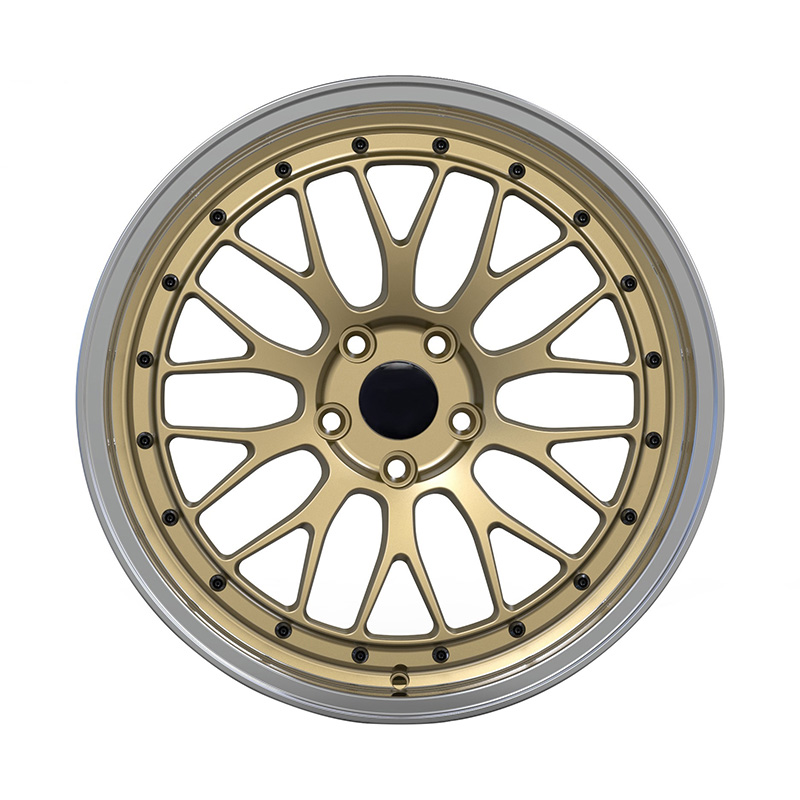


Zhenlun Multi Spokes Split Monoblock Forged Wheels Bronze With Silver Lip Edge
-
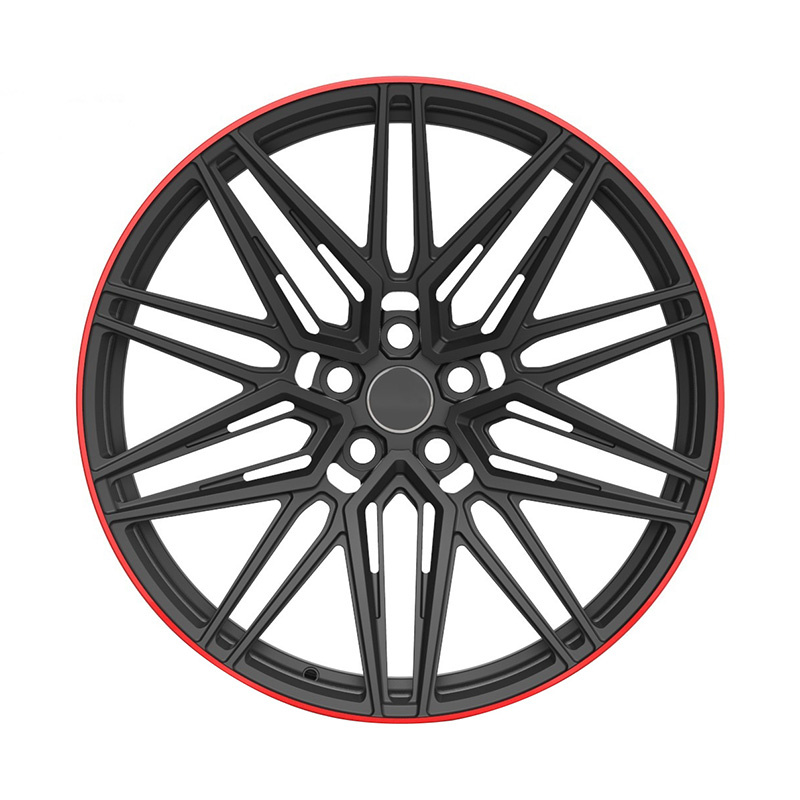
Zhenlun Matt Black With Red Lip Monoblock Forged Wheels
-
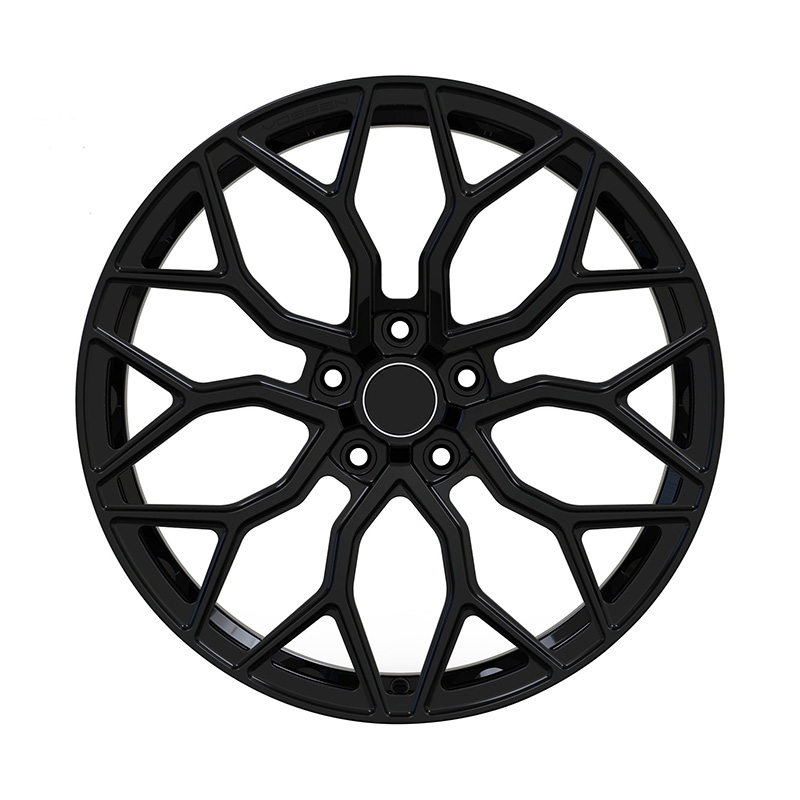
Zhenlun Gloss Black Monoblock Forged Wheels Gloss Black For Sports Car
-
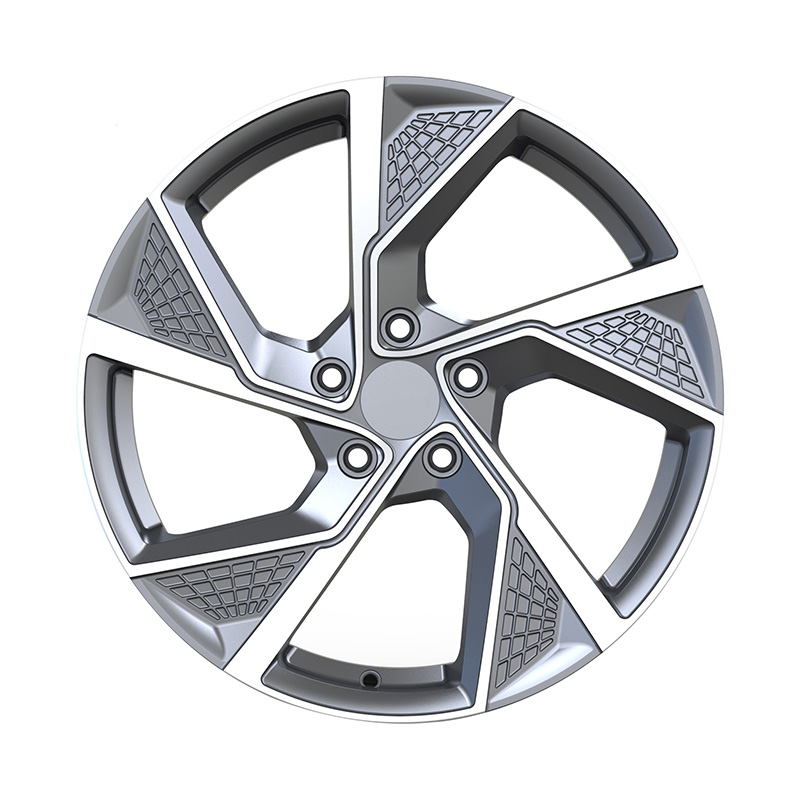
Zhenlun Monoblock Forged Wheels Lightgrey With Machined Face
-
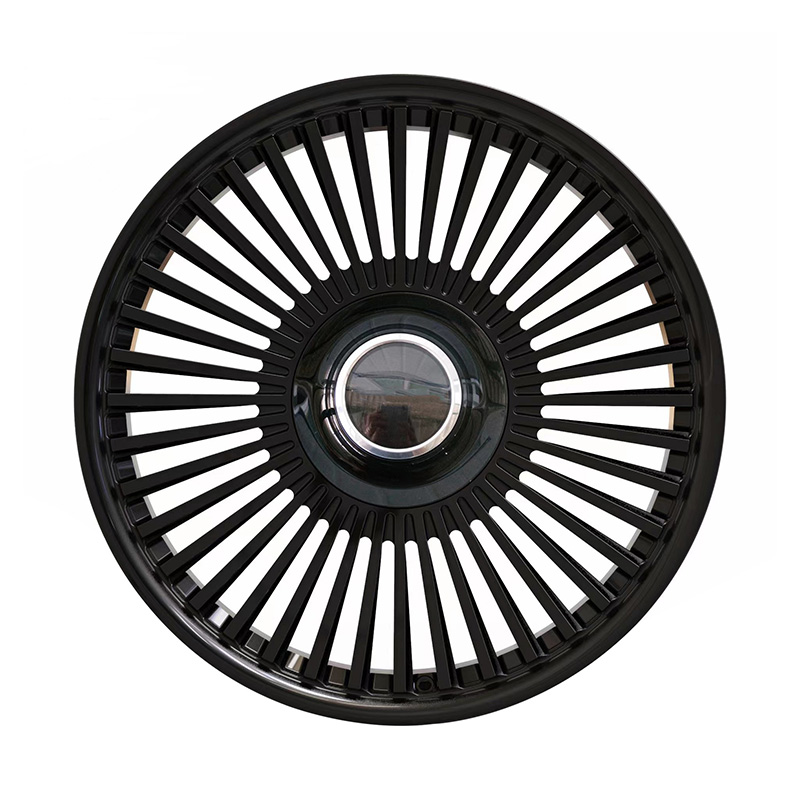
Zhenlun Monoblock Forged Wheels Gloss Black Dense Multi Spoke



Wechat QR code
IAN

JNZL

CONTACT Us
Mobile Site
Copyright© Taizhou Zhenlun Technology Co., Ltd. All Rights Reserved
