
 0
0

 English
 Español
Submit
Submit feedback
Deep Concave Forged Wheels: How Much Depth Can Fitment Allow
2026-10-16
A deep concave wheel creates a distinctive recessed spoke profile, giving sports cars, performance SUVs, and customized vehicles a more dynamic appearance. However, the depth of the wheel face is not determined by styling preferences alone. Wheel width, offset, brake clearance, and spoke geometry all influence the final design.
At Zhenlun, we approach deep concave forged wheels as an engineering and fitment project rather than a visual modification alone. Our goal is to help customers establish a suitable wheel configuration that meets their vehicle requirements, appearance preferences, and purchasing specifications.
1. What Determines Concave Wheel Depth?
Concavity refers to the inward-curving profile of the spokes between the outer rim area and the central mounting section. Greater depth creates a more pronounced recessed appearance, but the available space within the wheel assembly limits how far the spokes can extend inward.
Key Factors Affecting Wheel Face Depth
- Wheel width: A wider wheel may provide additional room for a deeper spoke profile, provided the tire and vehicle can accommodate the dimensions.
- Offset (ET): Offset determines the position of the mounting face relative to the wheel centerline. Its relationship with width influences the available concave geometry and wheel position.
- Brake clearance: The inner spoke surfaces must clear the brake calipers throughout the wheel's rotation.
- Spoke design: Spoke angle, thickness, and structural transitions affect both the visible profile and the space available behind the wheel face.
- Vehicle geometry: Hub dimensions, suspension components, and fender clearance restrict the range of usable configurations.
2. How Width and Offset Work Together
Wheel width and offset should be evaluated as a combined specification. A wider wheel can create more design space, while a lower offset may help produce a more pronounced face profile in certain applications. Neither measurement guarantees a particular concavity level.
| Design Factor | Potential Effect | Required Check |
| Wheel width | Creates additional room for spoke-profile development | Tire compatibility and inner and outer clearance |
| Offset (ET) | Changes wheel position and available face geometry | Hub, suspension, and fender fitment |
| Wheel diameter | Influences barrel space and brake packaging | Caliper and rotor clearance |
| Spoke profile | Determines the shape and visual depth of the face | Structural design and brake clearance |
For example, a 19 × 8.5J wheel with ET42 has a different design envelope from a wider wheel with a lower offset. These figures are illustrative rather than confirmed specifications for a particular Zhenlun model. The final profile must be assessed against the target vehicle and its brake package.
3. Brake Clearance Sets an Important Limit
Large brake calipers can restrict the depth available around the wheel center. A spoke design that appears suitable from the front may still interfere with the caliper on its inner surface.
Information Buyers Should Provide
- Vehicle make, model, year, and trim level.
- Factory or aftermarket brake specifications.
- Required wheel diameter, width, and offset.
- Bolt pattern (PCD) and center bore.
- Target tire size and any suspension modifications.
Providing these details allows our team to assess the intended configuration more accurately. A brake template or verified dimensional drawing can help confirm clearance before manufacturing approval. Any changes to wheel spacers, calipers, or other components should be evaluated by qualified professionals rather than used as an unverified workaround.
4. Does Deeper Concavity Always Improve the Design?
Greater concavity can create a more aggressive appearance, but an excessively deep profile may restrict fitment options or require changes to the spoke geometry. The appropriate design balances visual requirements with mechanical compatibility and the wheel's intended load rating.
- Daily-driven vehicles: Prioritize factory-compatible fitment, steering clearance, and practical tire specifications.
- Performance vehicles: Check brake dimensions, suspension clearance, and axle-specific requirements.
- Customized builds: Confirm body modifications, target stance, tire dimensions, and approved load requirements before finalizing the wheel profile.
Front and rear wheels may also require different face profiles on staggered applications. This approach allows the design to reflect the available space at each axle instead of forcing identical concavity across every wheel.
5. Confirm the Specification Before Production
At Zhenlun, we recommend establishing a clear approval process for custom forged wheel projects. Before an order proceeds, buyers should review the following details:
- Final wheel dimensions and mounting specifications.
- Approved concave profile and spoke geometry.
- Brake, suspension, and fender clearance requirements.
- Material specifications, load ratings, and applicable test documentation.
- Surface finish, branding, packaging, and order requirements.
A technical drawing provides a shared reference for the customer and manufacturer. Reviewing the drawing before production helps clarify dimensional expectations and reduce misunderstandings during custom orders.
Discuss Your Custom Wheel Requirements with Zhenlun
The depth of a concave wheel face depends on the complete fitment package, not a single dimension or styling preference. Wheel width, offset, brake clearance, and spoke architecture must work together to create a practical design.
Zhenlun supports customers evaluating wheel specifications for aftermarket distribution, vehicle customization, and OEM-related projects. We can discuss the technical requirements and quotation details needed to move your project forward.
recommend products
-
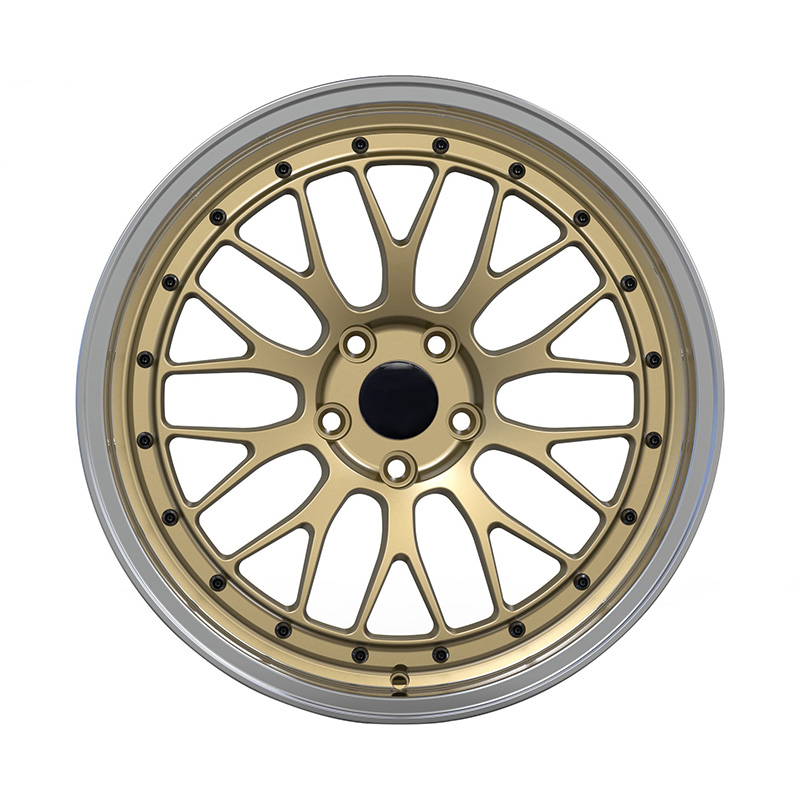


Zhenlun Multi Spokes Split Monoblock Forged Wheels Bronze With Silver Lip Edge
-
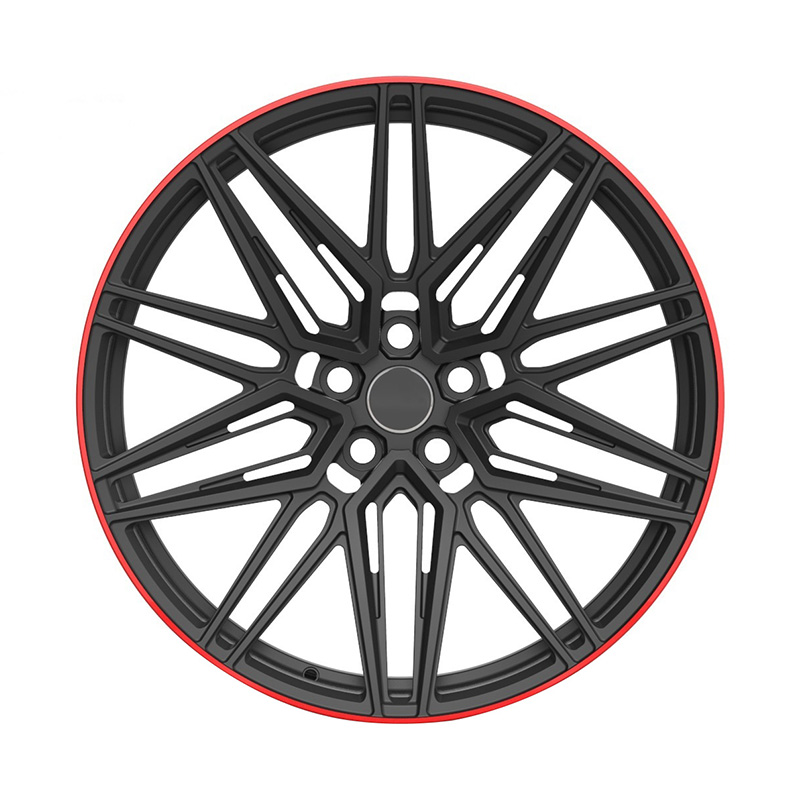
Zhenlun Matt Black With Red Lip Monoblock Forged Wheels
-
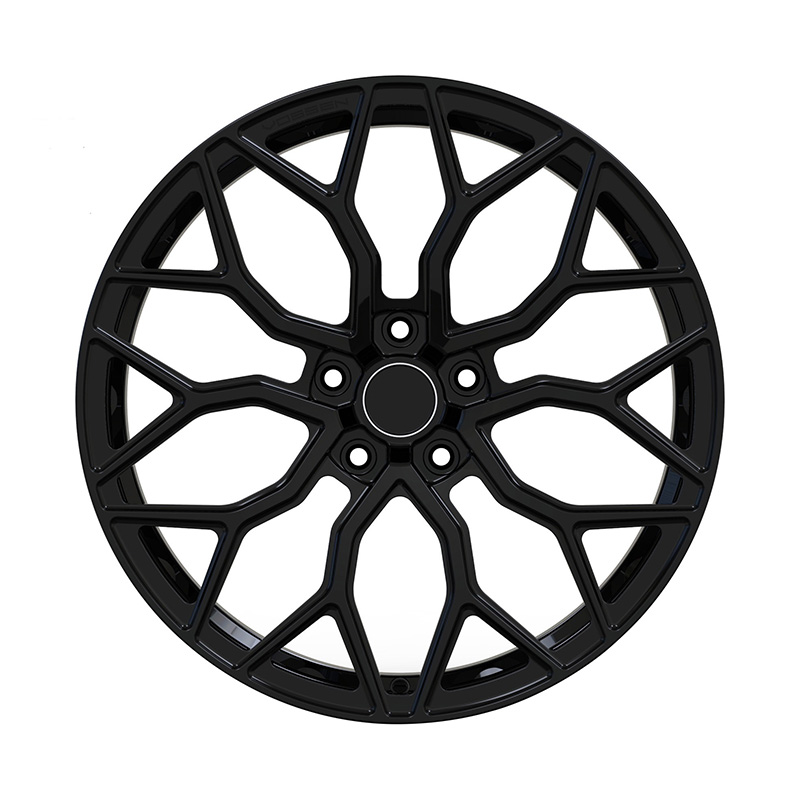
Zhenlun Gloss Black Monoblock Forged Wheels Gloss Black For Sports Car
-
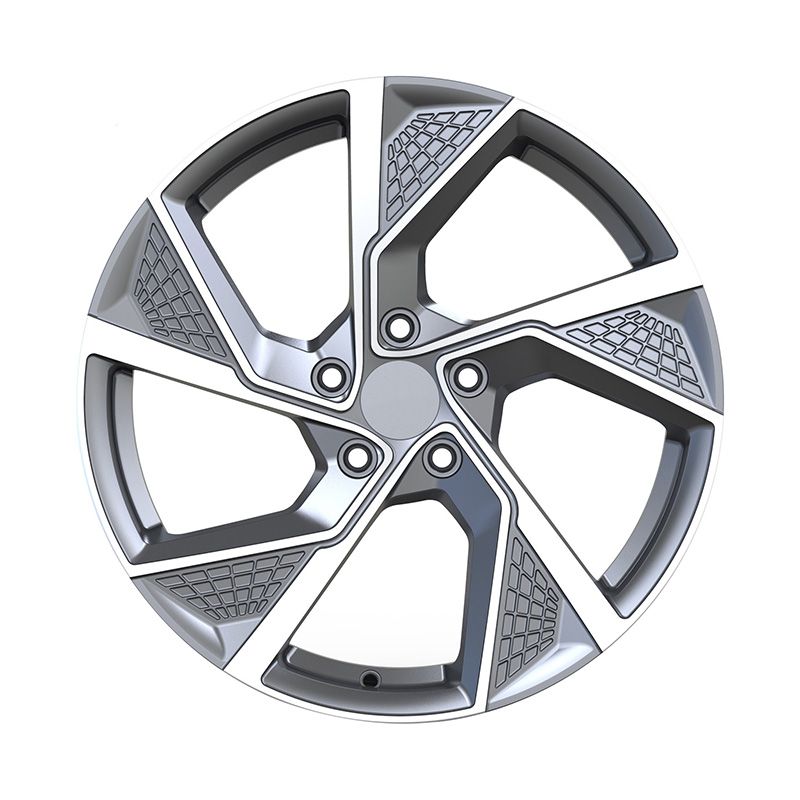
Zhenlun Monoblock Forged Wheels Lightgrey With Machined Face
-
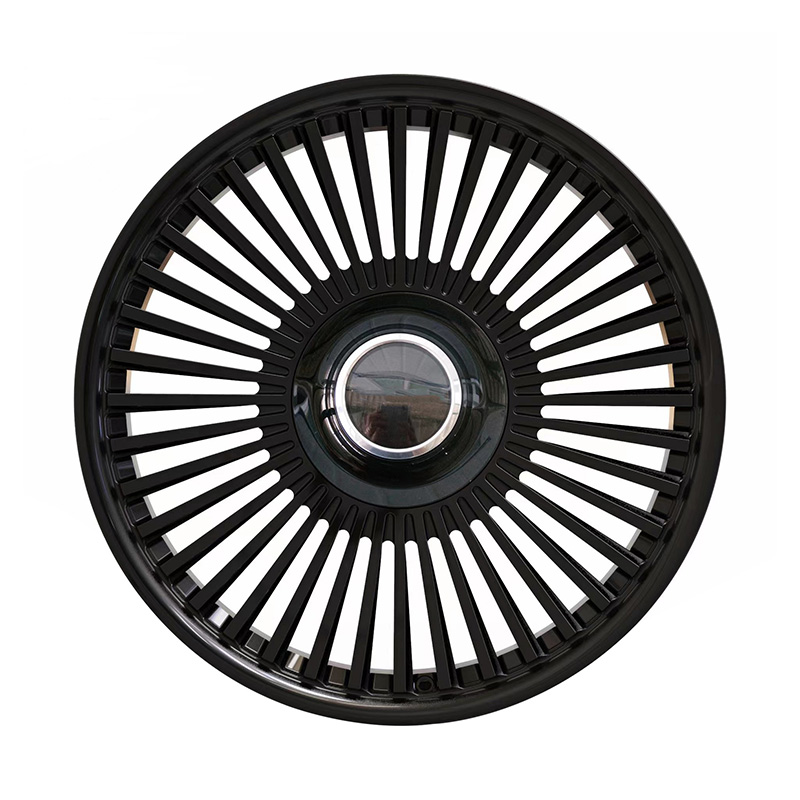
Zhenlun Monoblock Forged Wheels Gloss Black Dense Multi Spoke



Wechat QR code
IAN

JNZL

CONTACT Us
Mobile Site
Copyright© Taizhou Zhenlun Technology Co., Ltd. All Rights Reserved
