
 0
0

 English
 Español
Submit
Submit feedback
Custom Forged Wheels: Types for Vehicle Modification
2026-01-16
Custom forged wheels are aftermarket wheel components manufactured through a forging process, where a solid aluminum billet is subjected to extreme heat and pressure to form the wheel's basic structure. In vehicle modification, they serve both performance and aesthetic functions, reducing unsprung mass for improved handling and offering a personalized appearance. The common types used in modifications are defined by their visual design, construction method, and intended vehicle application, each offering different benefits for enthusiasts.
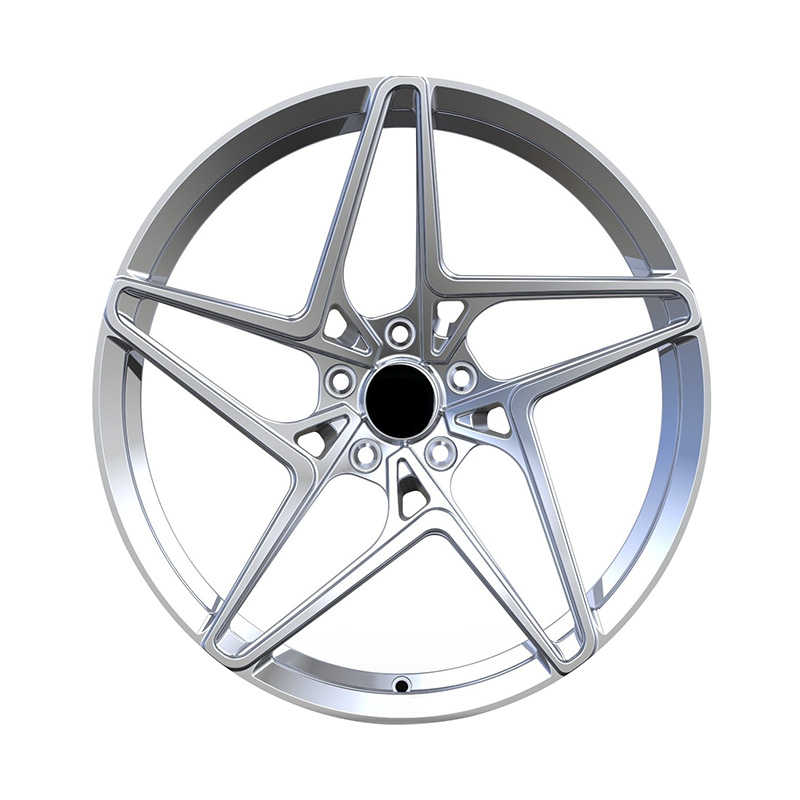
Monoblock Forged Wheels
The most prevalent type in the custom forged wheel market is the monoblock, or one-piece, design. As the name implies, the entire wheel—from the center disc to the outer barrel—is forged from a single piece of aluminum. This construction method yields a very strong and relatively lightweight wheel. The customization in monoblock wheels is achieved through extensive CNC machining after the forging process. The forged blank is mounted on a multi-axis computer numerical control (CNB) machine, which cuts away material to create the specific spokes, windows, and outer lip design specified by the customer or wheel company. This allows for a vast array of spoke patterns, concavity levels, and surface finishes. The primary advantage of monoblock forged wheels is their robust simplicity; with no joints or welds, they are highly reliable for street and track use. Their limitation is that the width and offset are fixed from the single piece of material, so extreme widths or specific barrel profiles may be constrained by the size of the original forging and machining capabilities.
Multi-Piece Forged Wheels
For modifications requiring specific fitments or stylistic details not easily achieved with a monoblock, multi-piece forged wheels are an alternative. These wheels are constructed from two or three separate forged components that are mechanically joined, typically using bolts or rivets.
Two-Piece Wheels: Usually consist of a forged center disc and a separate forged or spun-aluminum outer barrel. The two pieces are bolted together, often with a sealed joint. This allows for customization where a customer can choose a specific center design and pair it with barrels of different widths to achieve a desired lip depth or overall wheel width.
Three-Piece Wheels: These add a third component: a forged inner barrel or a separate outer lip, which is bolted to the center disc. This offers the greatest modularity. The center, inner barrel, and outer lip can be specified independently, allowing for dramatic changes in width, offset, and lip size. The visible bolts also contribute to a specific industrial aesthetic favored in certain modification circles.
The advantage of multi-piece construction is extreme customization of width and offset, and the ability to repair or replace just one section (like a bent barrel) without replacing the entire wheel. The potential disadvantage is the introduction of additional sealing points, which require maintenance to prevent air leaks, and a slight weight increase compared to an equivalently sized monoblock due to the extra hardware and flanges.
Application-Specific Forged Designs
Beyond construction, custom forged wheels are often categorized by the vehicle modification scene they are designed to serve, which influences their sizing, offset, and styling.
Performance/Track-Focused Wheels: Designed primarily for weight reduction and strength. These wheels often feature simpler, lighter spoke designs (like a five- or six-spoke pattern) with minimal aesthetic machining to save mass. They are engineered to clear large brake calipers and are typically finished in durable, heat-tolerant coatings like powder coat.
Stance and Show Wheels: In the "stance" scene, where fitment and aesthetic are prioritized, forged wheels are designed for aggressive offsets that push the wheel face outward, creating a flush or slightly tucked look. These designs often emphasize deep concavity, complex multi-spoke patterns (like mesh or star designs), and polished or chrome finishes. Barrel width is often maximized relative to diameter.
Off-Road and SUV Forged Wheels: For modifying trucks and SUVs, forged wheels are built to withstand impacts from rocks and uneven terrain. They typically have a simpler, blockier spoke design for easier cleaning and added strength, and are finished to resist corrosion from mud and road salts. Beadlock or simulated beadlock rings are a common forged option in this category, functionally or stylistically mimicking off-road racing wheels.
Considerations for Selection and Fitment
Choosing a custom forged wheel involves technical parameters beyond visual design. A critical step is determining the correct bolt pattern (PCD) and center bore to match the vehicle's hub. The wheel offset—the distance from the wheel's mounting surface to its centerline—must be calculated to ensure the wheel fits within the fender without interfering with suspension or brake components, especially when lowering the vehicle. The wheel width and subsequent tire size must be selected to maintain proper load ratings and vehicle dynamics. The choice of finish—such as brushed, polished, painted, or powder-coated—affects both appearance and long-term maintenance requirements, with polished finishes requiring more upkeep to prevent oxidation. These factors are typically resolved through consultation with the wheel manufacturer or a knowledgeable retailer, often using digital fitment templates.
recommend products
-
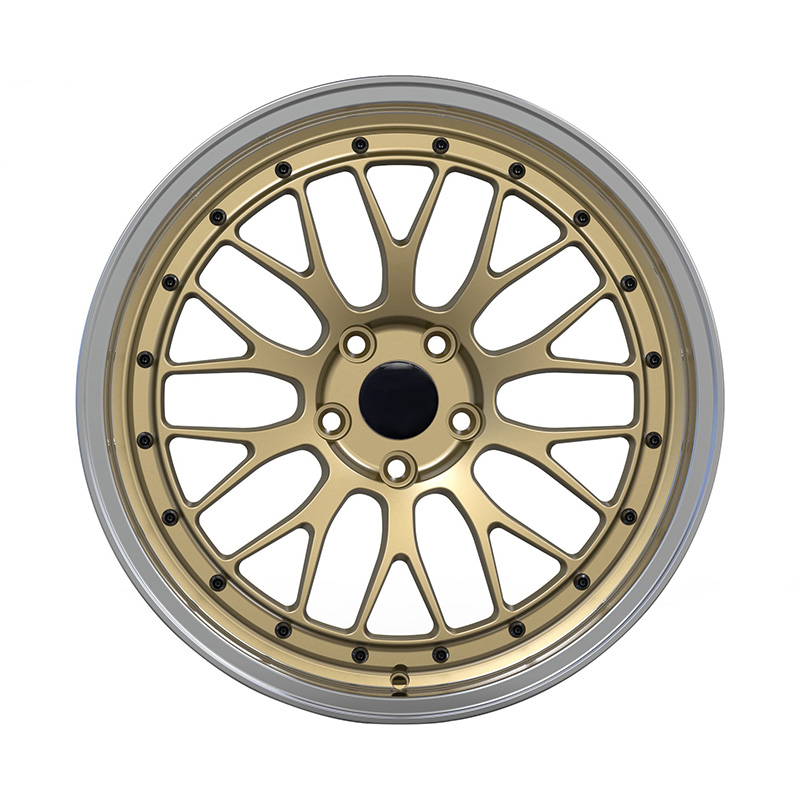


Zhenlun Multi Spokes Split Monoblock Forged Wheels Bronze With Silver Lip Edge
-
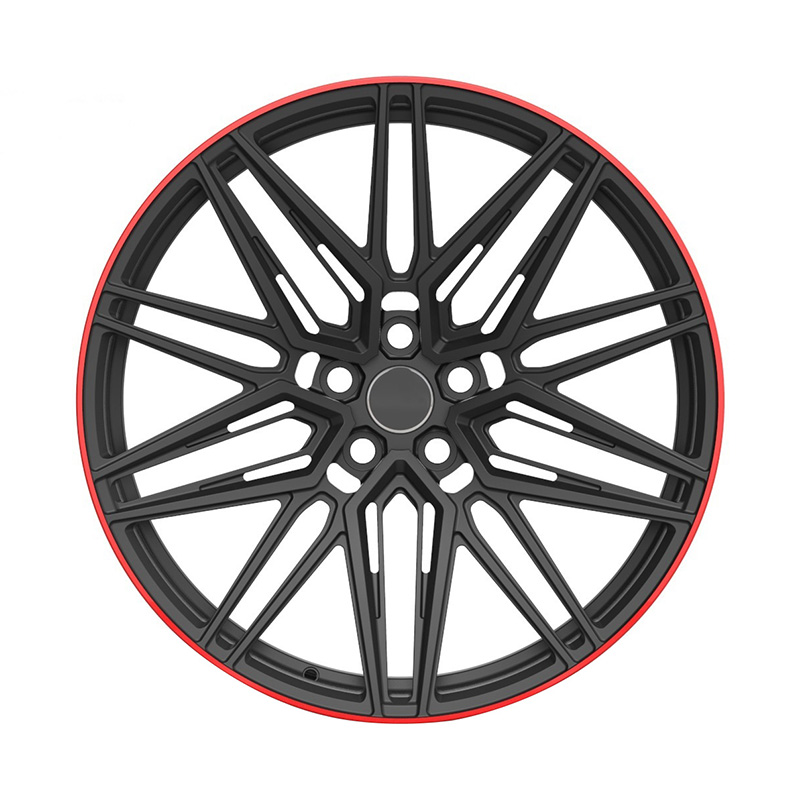
Zhenlun Matt Black With Red Lip Monoblock Forged Wheels
-
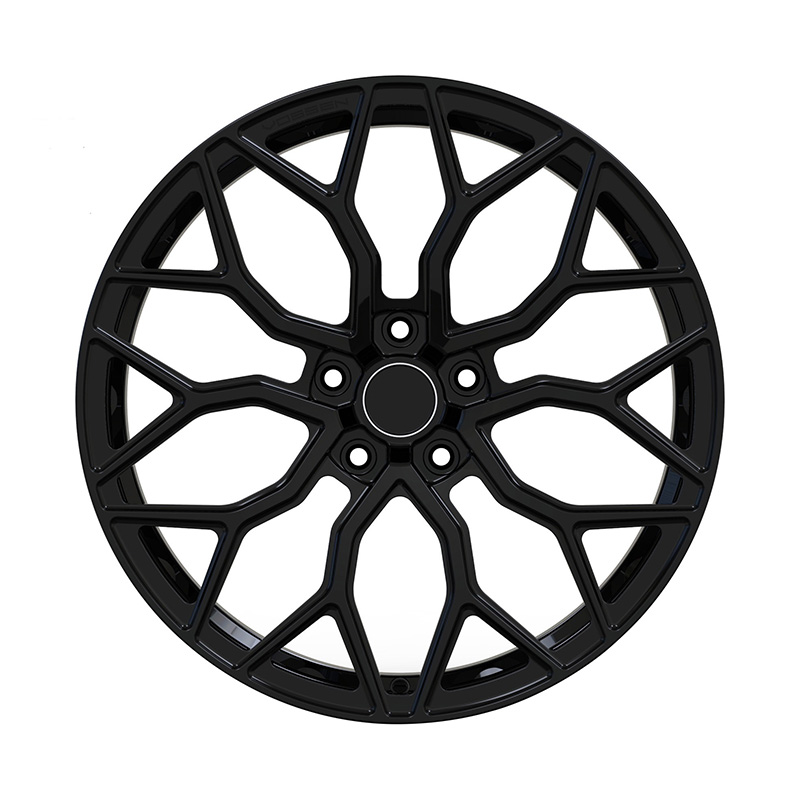
Zhenlun Gloss Black Monoblock Forged Wheels Gloss Black For Sports Car
-
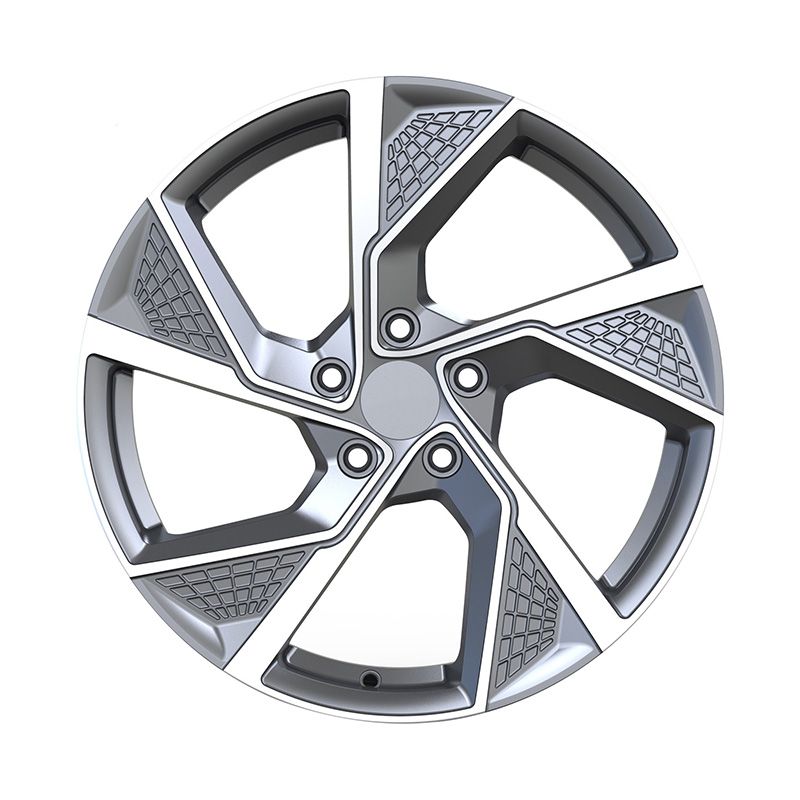
Zhenlun Monoblock Forged Wheels Lightgrey With Machined Face
-
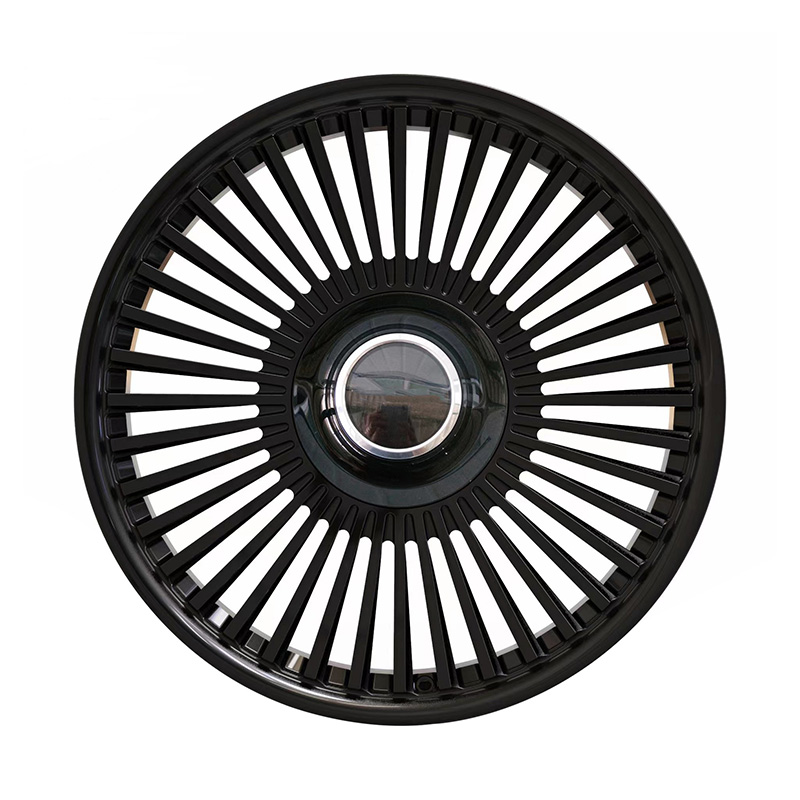
Zhenlun Monoblock Forged Wheels Gloss Black Dense Multi Spoke



Wechat QR code
IAN

JNZL

CONTACT Us
Mobile Site
Copyright© Taizhou Zhenlun Technology Co., Ltd. All Rights Reserved
