
 0
0

 English
 Español
Submit
Submit feedback
Practical Considerations for Modifying with Forged Alloy Rims
2026-01-23
Modifying a vehicle with aluminum alloy forged rims involves a series of technical and logistical decisions beyond selecting an aesthetically pleasing design. These rims, created by pressing a solid aluminum billet under extreme heat and pressure, offer benefits like high strength and reduced weight. However, to realize these benefits without compromising safety, performance, or vehicle integrity, several practical factors must be methodically evaluated. The considerations span from precise fitment calculations and material trade-offs to the implications for vehicle dynamics and long-term ownership costs. A systematic approach ensures the modification serves its intended purpose effectively.
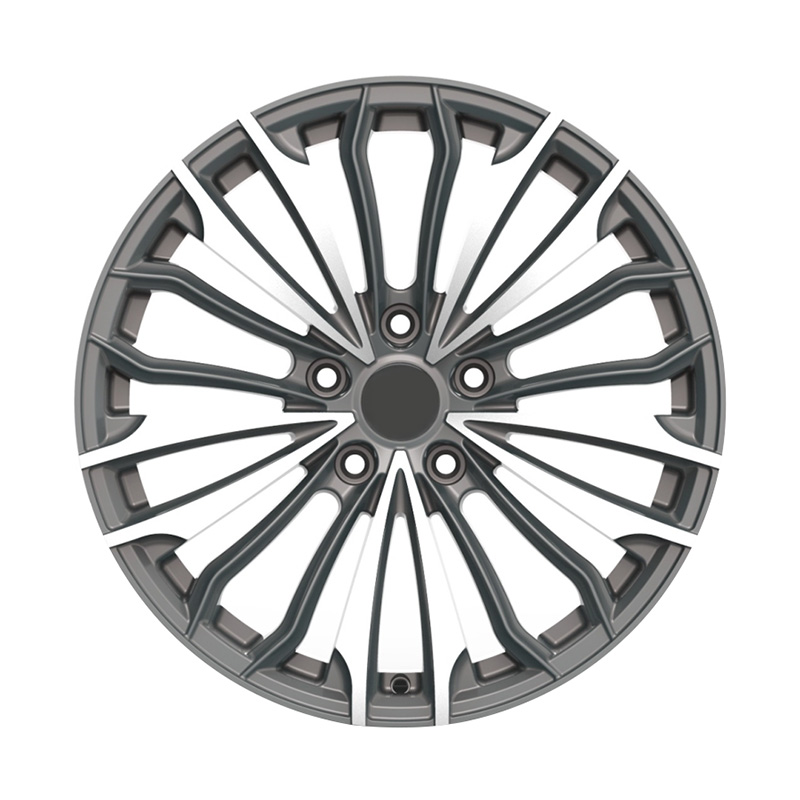
Fitment and Geometric Compatibility
The foremost consideration is ensuring the new rims physically and safely interface with the vehicle. Incorrect fitment can cause mechanical interference, unsafe handling, and accelerated wear.
A primary factor is the bolt pattern (PCD) and center bore. The bolt pattern must exactly match the vehicle’s hub. The rim's center bore should be equal to or slightly larger than the vehicle's hub diameter; if larger, hub-centric rings must be used to ensure the wheel is centered by the hub itself, not just the lug nuts, to prevent vibration. Offset is the critical measurement that determines how far in or out the wheel sits. A significantly lower (more negative) offset than stock pushes the wheel outward, which can lead to rubbing against the fender liner or fender itself, especially when the suspension compresses or when turning. A higher (more positive) offset tucks the wheel inward, risking contact with suspension components like struts or brake calipers. Width and diameter must be chosen to accommodate the desired tire size while maintaining clearance. The following table outlines key checks:
|
Fitment Parameter |
Practical Checkpoint |
Potential Consequence of Error |
|
Bolt Pattern (PCD) |
Must match vehicle hub exactly (e.g., 5x114.3). No adapters should be used for safety-critical forged applications. |
Wheel cannot be mounted securely; severe vibration and safety hazard. |
|
Center Bore |
Must be ≥ vehicle hub diameter. Use hub-centric rings if larger to fill the gap. |
Vibration at speed, stress on lug nuts/studs. |
|
Offset & Width |
Must clear inner suspension/brakes and outer fender at full compression and lock. Use templates or test fit. |
Rubbing, damage to tire, fender, or suspension; unsafe handling. |
|
Tire Size |
Overall diameter should remain within ~3% of stock to maintain speedometer accuracy and ABS/TCS function. |
Erroneous speed readings, potential interference with driver-assist systems, altered gearing. |
Material and Construction Trade-offs
While "forged" denotes a specific high-strength process, understanding the inherent properties of aluminum alloys is important. Forged rims are typically made from 6061 or 7000-series aluminum. 6061-T6 is common, offering a good balance of strength, machinability, and corrosion resistance. 7075-T6 is stronger but can be more susceptible to stress corrosion cracking in certain environments and is generally more expensive. The forging process aligns the metal grain structure, but the final strength and weight are also determined by the spoke design and machining. Intricate, thin-spoke designs save weight but may be more susceptible to damage from potholes compared to a simpler, thicker design. The choice of finish—whether painted, powder-coated, polished, or anodized—affects durability. Polished finishes require regular upkeep to prevent oxidation, while powder coating is more resilient but adds a thin layer of weight.
Impact on Vehicle Dynamics and Systems
Changing to forged rims directly alters several vehicle behaviors. The reduction in unsprung mass (weight not supported by the suspension) is a primary performance goal. Lower unsprung mass allows the suspension to react more quickly to road imperfections, improving grip and ride quality. However, altering the wheel's weight distribution and rotational inertia can subtly affect acceleration and braking; lighter wheels reduce rotational inertia, making it easier for the engine to accelerate them and for brakes to slow them.
Significantly changing the wheel and tire package's rolling diameter or width can impact electronic systems. The vehicle's anti-lock braking system (ABS), traction control (TCS), and electronic stability control (ESC) are calibrated for a stock rolling diameter. A large deviation can cause these systems to receive inaccurate wheel speed signals, potentially triggering false interventions or reducing their effectiveness. Furthermore, a wider track (from altered offset) can increase steering effort and slightly change the scrub radius, affecting steering feel and feedback.
Logistical and Ownership Factors
The practicalities of procurement, installation, and long-term use form another layer of consideration. Lead time for custom forged rims can be extensive, often spanning several months from order to delivery, as they are frequently made-to-order. Cost is substantial, encompassing not only the rims but also appropriate tires, professional mounting, and balancing. Availability of replacement is a factor; if a rim is damaged, a direct replacement may require another custom order, leaving the vehicle unusable for a period. Maintenance routines change; forged rims, especially with custom finishes, may require specific, non-acidic cleaning products to avoid damage. Insurance implications should be verified; the modification may need to be declared, potentially affecting premiums, and coverage for the rims themselves in case of damage or theft may require an additional rider.
recommend products
-
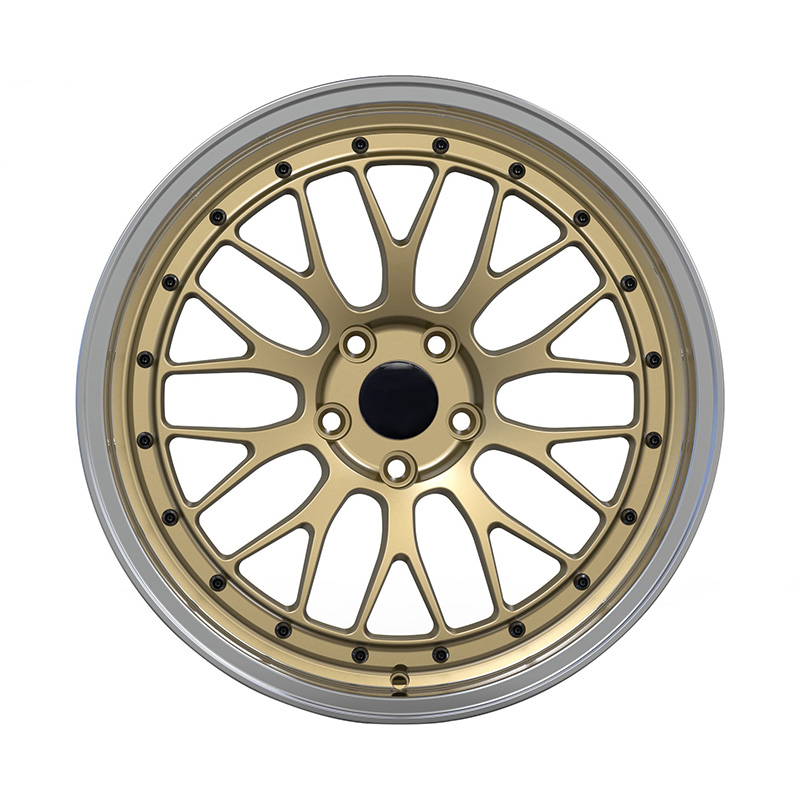


Zhenlun Multi Spokes Split Monoblock Forged Wheels Bronze With Silver Lip Edge
-
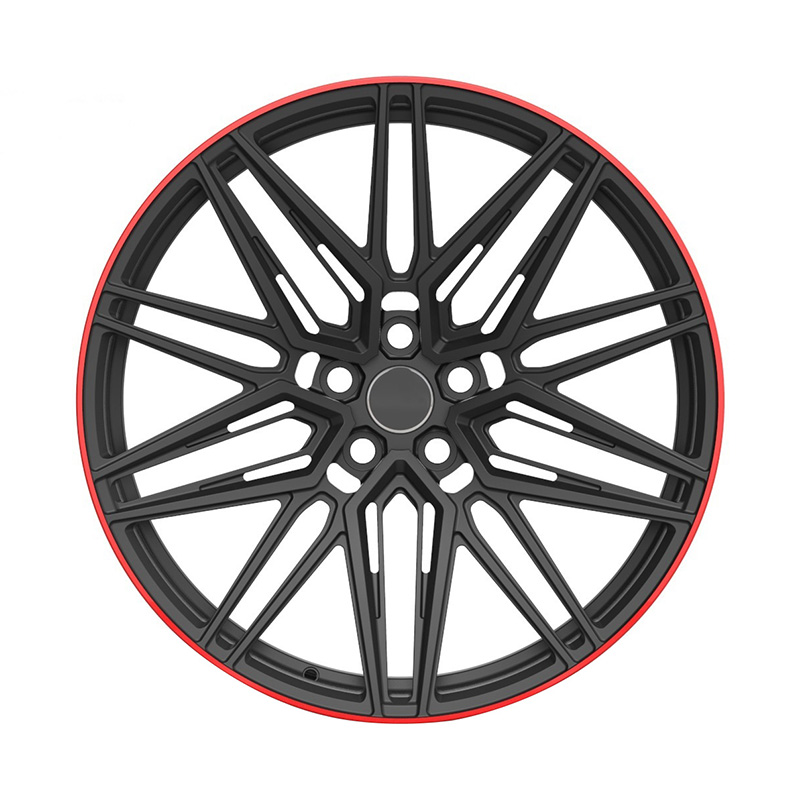
Zhenlun Matt Black With Red Lip Monoblock Forged Wheels
-
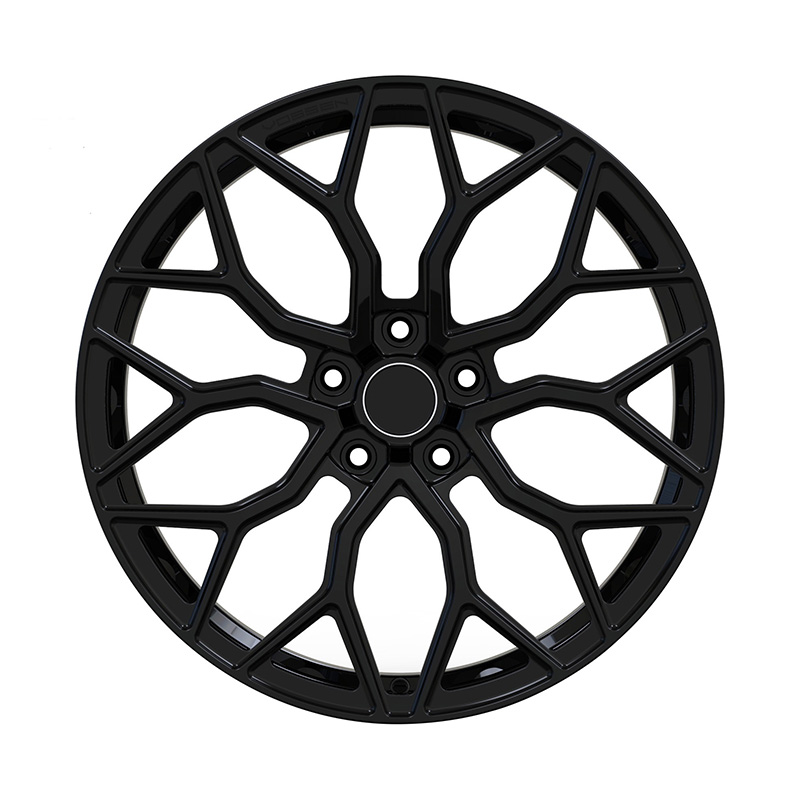
Zhenlun Gloss Black Monoblock Forged Wheels Gloss Black For Sports Car
-
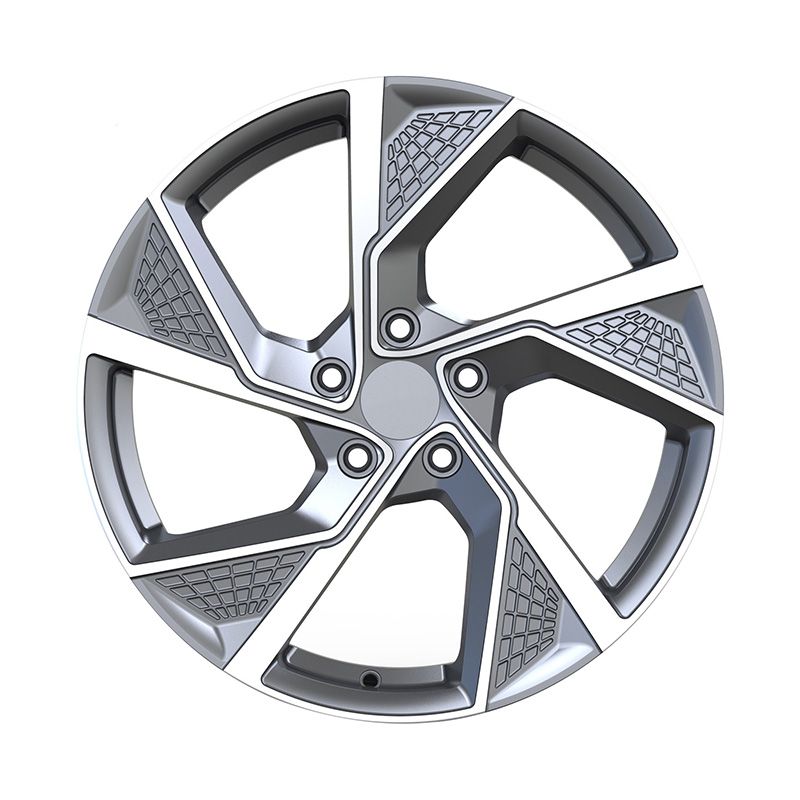
Zhenlun Monoblock Forged Wheels Lightgrey With Machined Face
-
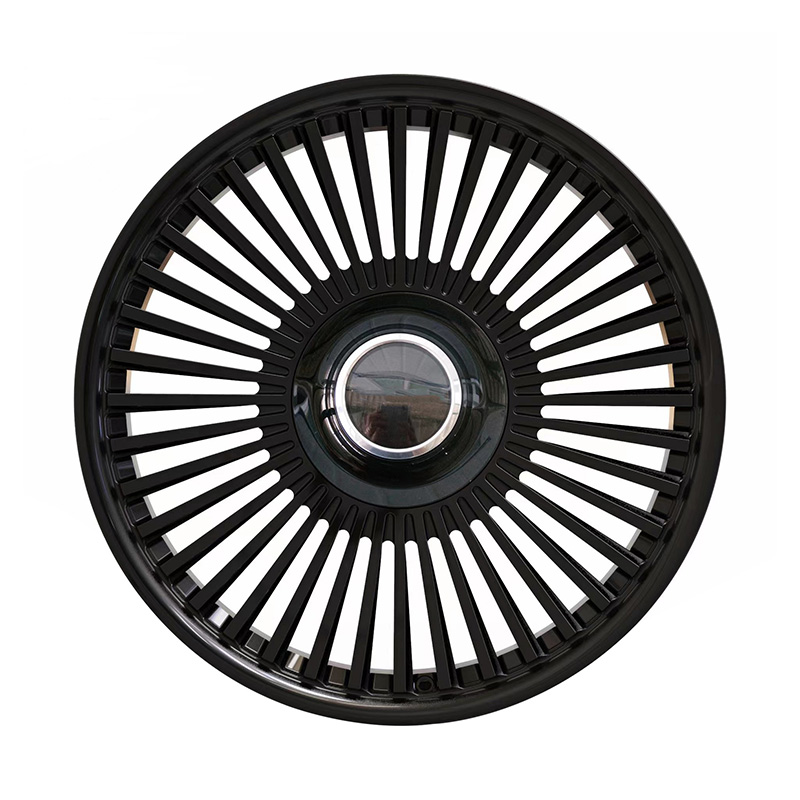
Zhenlun Monoblock Forged Wheels Gloss Black Dense Multi Spoke



Wechat QR code
IAN

JNZL

CONTACT Us
Mobile Site
Copyright© Taizhou Zhenlun Technology Co., Ltd. All Rights Reserved
