
 0
0

 English
 Español
Submit
Submit feedback
How Aluminum Alloy Wheel Structure Handles Rough Road Stress
2026-05-01
Rough roads can transform a smooth drive into a source of ongoing concern. A single sharp impact from a pothole may have a driver checking for new noises, inspecting the rim, and worrying whether a crack has already begun. That is why many buyers turn to the Aluminum Alloy Wheel Factory to learn about forged wheel structures and understand how durability differs under real driving conditions.
Why Rough Roads Punish Wheel Structure
Rough pavement does not damage a wheel in one single way. It creates impact, flex, and repeated stress in the same zones again and again. The outer lip, spoke root, and bead area often take the hardest load, so even a small weakness can grow into a visible crack.
- A pothole sends a fast shock into one narrow area
- A curb hit creates a sharp edge load instead of a smooth push
- Repeated bending can make tiny flaws easier to grow
- Load changes and vibration slowly increase internal stress
A wheel that survives daily use does not need to look dramatic. It needs a structure that handles stress in a stable and even way.
How Does Forging Change the Metal Inside?
Forging shapes the wheel while the metal stays solid. Pressure forms the material instead of melting it and letting it cool in a random structure. This difference changes how the internal structure reacts under road stress.
The Metal Is Shaped Under Pressure
When solid material is compressed, it becomes more uniform. The structure becomes tighter and more consistent, which helps reduce weak zones.
Grain Flow Follows the Shape
The internal pattern of the material can align with the direction of stress. This helps reduce sudden crack formation under repeated impact.
Internal Voids Are Reduced
Small gaps inside the material are less likely to exist. Fewer voids mean fewer starting points for cracks.
The Reason Cracks Meet More Resistance
When a buyer sees an Aluminum Alloy Wheel on a specification sheet, the outside design may look similar to other wheel types, but internal behavior is very different under stress.
- Crack initiation becomes more difficult in a dense structure
- Stress spreads more evenly instead of concentrating in one point
- Crack growth slows when the internal structure is uniform
- Slight elastic response can reduce sudden fracture behavior
This is why forged construction is often linked with improved resistance to cracking under road impact.
Why Does Impact Energy Spread More Evenly?
A forged structure does not remove impact energy. It manages how that energy moves through the part.
The Structure Absorbs Stress Gradually
Instead of concentrating force in a single point, stress is distributed across the wheel body.
Shape Supports Load Movement
Smooth transitions between spokes and rim help guide force flow instead of blocking it in one area.
Fatigue Response Improves
Repeated road vibration creates less localized damage over time, which helps reduce long term crack development.
Forged and Cast Wheels on Everyday Roads
| Aspect | Forged Wheel | Cast Wheel | Why it Matters |
|---|---|---|---|
| Internal structure | More uniform and aligned | More random cooling structure | Structure affects crack formation |
| Stress handling | Even load distribution | Local stress concentration | Stress points often start cracks |
| Impact response | Controlled deformation | Higher sensitivity to weak points | Potholes expose structural limits |
| Daily use behavior | Stable performance feel | Variation between units | Consistency affects reliability |
| Use focus | Road durability priority | Cost efficiency priority | Use case defines suitability |
What Should a Buyer Check Before Choosing?
- Road condition and frequency of impact zones
- Vehicle load and driving habits
- Spoke design and transition smoothness
- Rim lip thickness and edge structure
- Installation quality and fitment accuracy
- Tire pressure consistency during use
- Post impact inspection habits
- Long term fatigue exposure from daily driving
- Structural continuity across spoke roots
- Compatibility between design and real road usage
These checks help connect wheel structure with real driving needs instead of focusing only on appearance.
When Does Stronger Structure Still Face Limits?
Even a forged structure has boundaries under extreme conditions. Material strength improves resistance, but it does not remove physical limits.
- Severe impacts can still cause damage
- Tire failure can transfer excessive load to the rim
- Incorrect installation increases stress points
- Lack of inspection can turn small issues into larger damage
Strength improves tolerance, but responsible use still matters.
How Can Understanding Improve Decision Making?
A better wheel choice is not only about material type. It is about how structure, design, and usage work together.
- Understand how forging changes internal structure
- Match wheel design with real road conditions
- Look for smooth stress flow in spoke geometry
- Focus on long term use instead of short term appearance
- Consider impact behavior as a key decision factor
When these points are clear, selection becomes more practical and less uncertain. A wheel is not only a visual part. It is a structural component that carries continuous load every time the vehicle moves.
If the driving route includes frequent road impact, structure becomes more important than appearance alone. A forged wheel is valued because it manages stress more evenly, reduces crack initiation risk, and improves response under repeated road shock. When comparing Aluminum Alloy Wheel options for real use, focusing on structure and fitment provides a clearer direction for selection. For further technical discussion, customization needs, or product matching, Taizhou Zhenlun Technology Co., Ltd. remains a reliable contact point for detailed support and cooperation planning.
recommend products
-
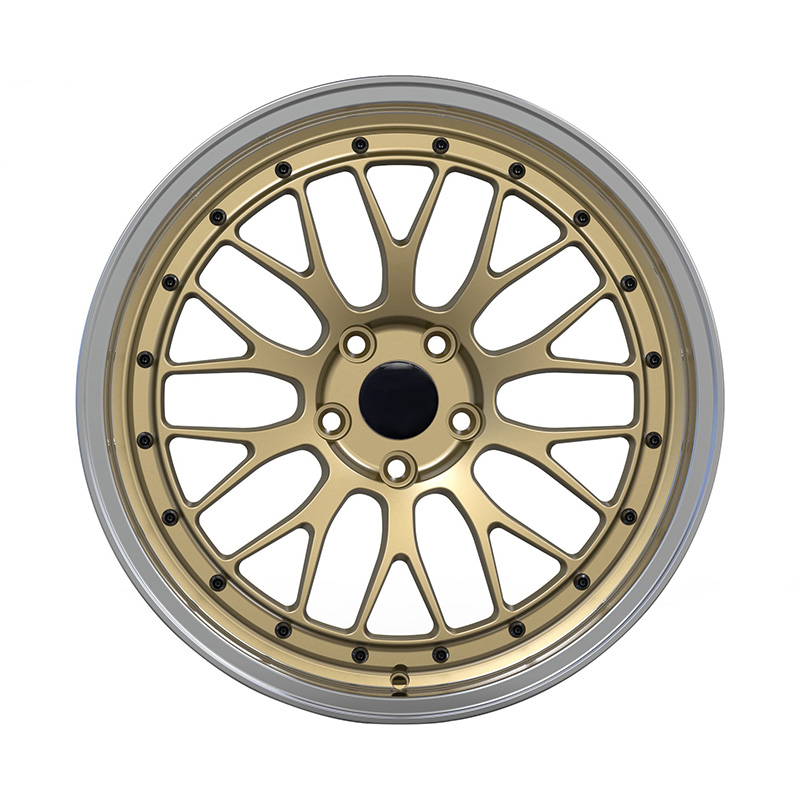


Zhenlun Multi Spokes Split Monoblock Forged Wheels Bronze With Silver Lip Edge
-
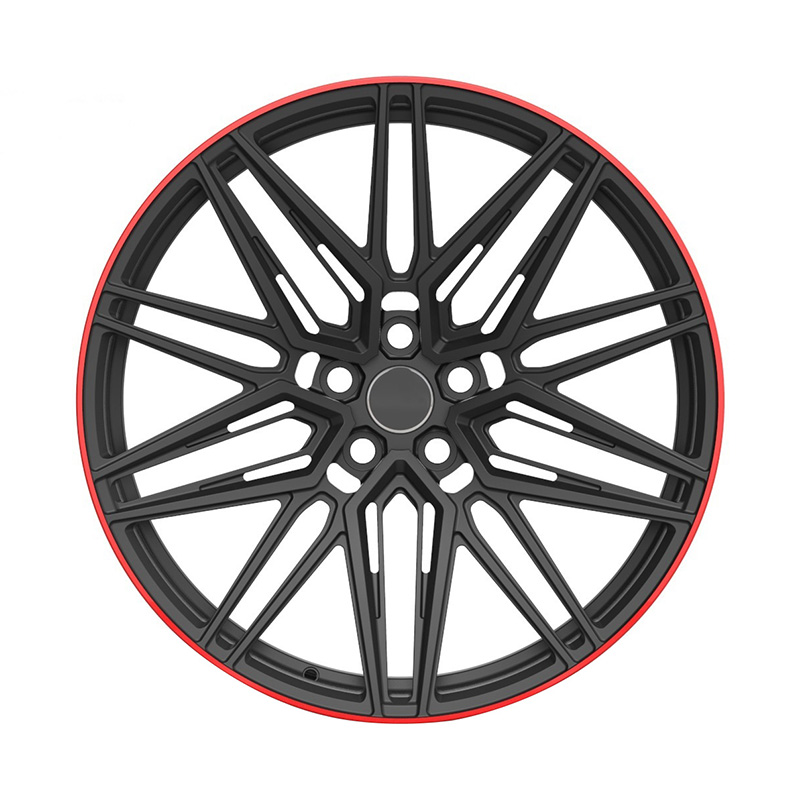
Zhenlun Matt Black With Red Lip Monoblock Forged Wheels
-
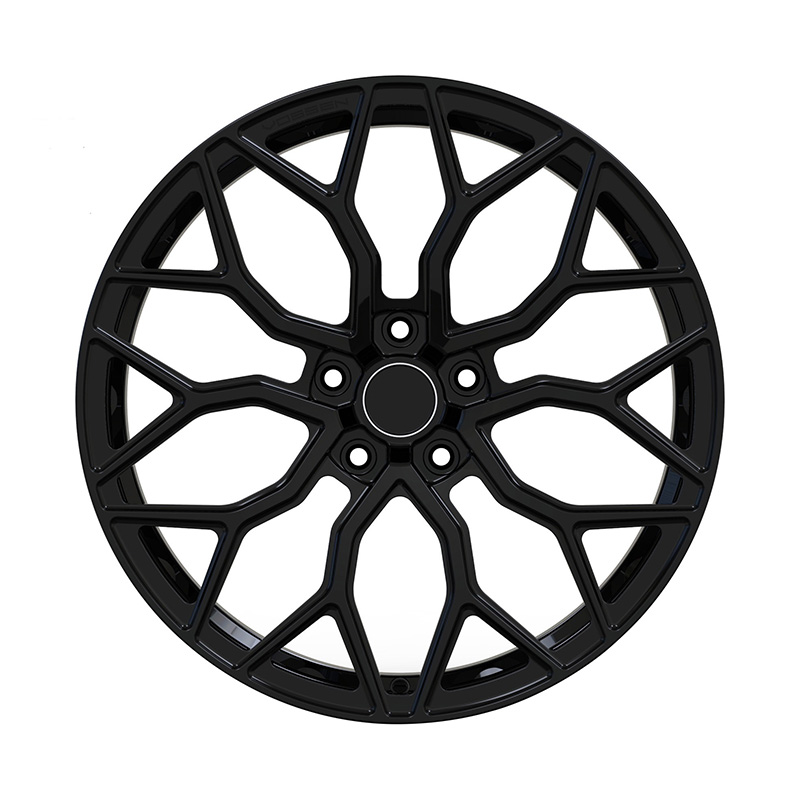
Zhenlun Gloss Black Monoblock Forged Wheels Gloss Black For Sports Car
-
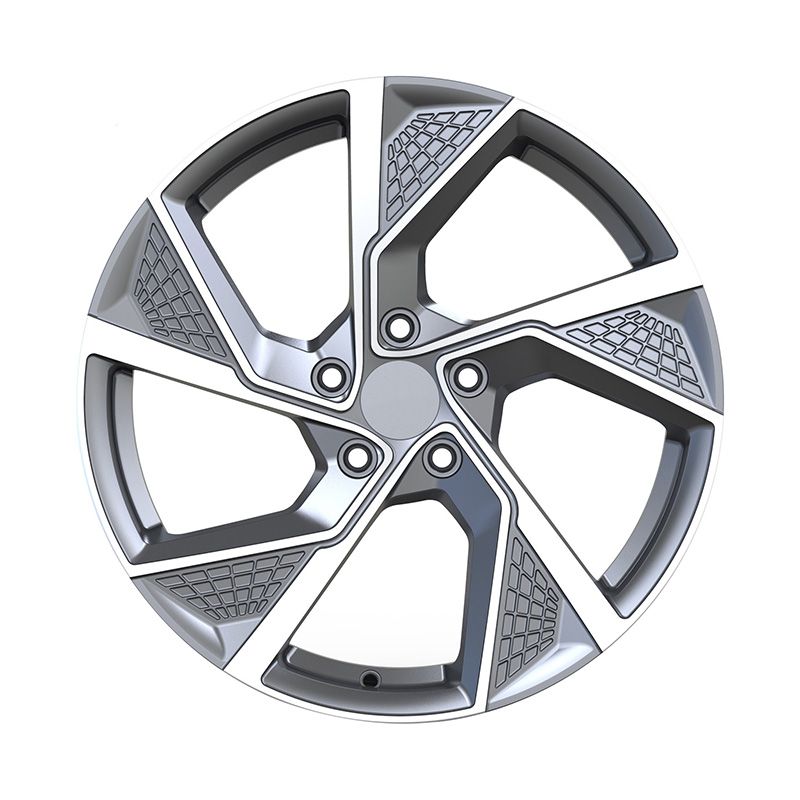
Zhenlun Monoblock Forged Wheels Lightgrey With Machined Face
-
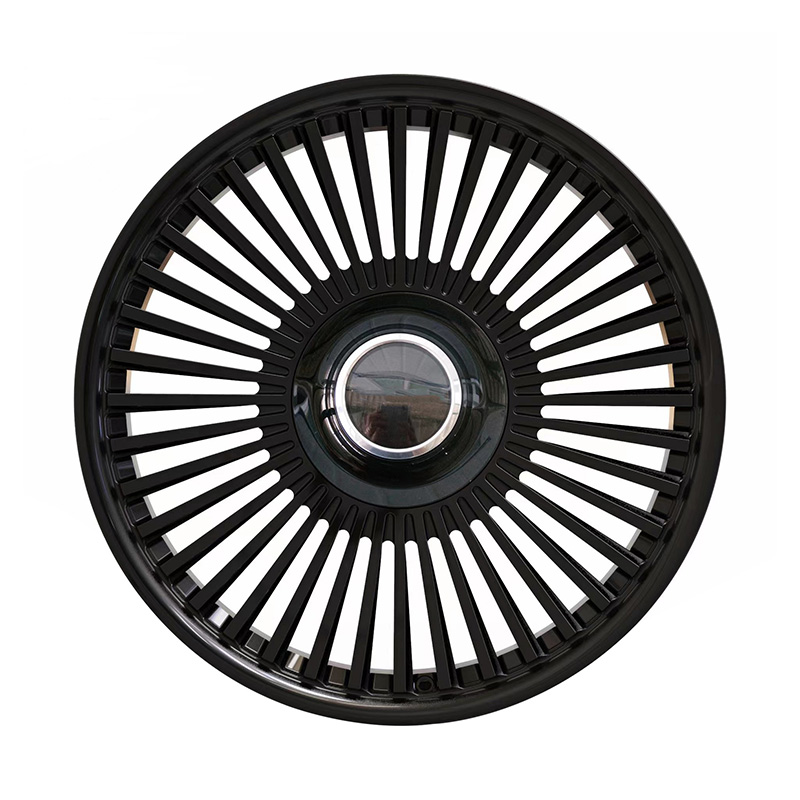
Zhenlun Monoblock Forged Wheels Gloss Black Dense Multi Spoke



Wechat QR code
IAN

JNZL

CONTACT Us
Mobile Site
Copyright© Taizhou Zhenlun Technology Co., Ltd. All Rights Reserved
