
 0
0

 English
 Español
Submit
Submit feedback
How can a buyer verify that a wheel is truly forged rather than cast with a forged appearance?
2026-05-22
Several inspection methods distinguish genuine forged wheels from cosmetic imitations. Cast wheels can be machined and painted to resemble forged units, but material properties differ.
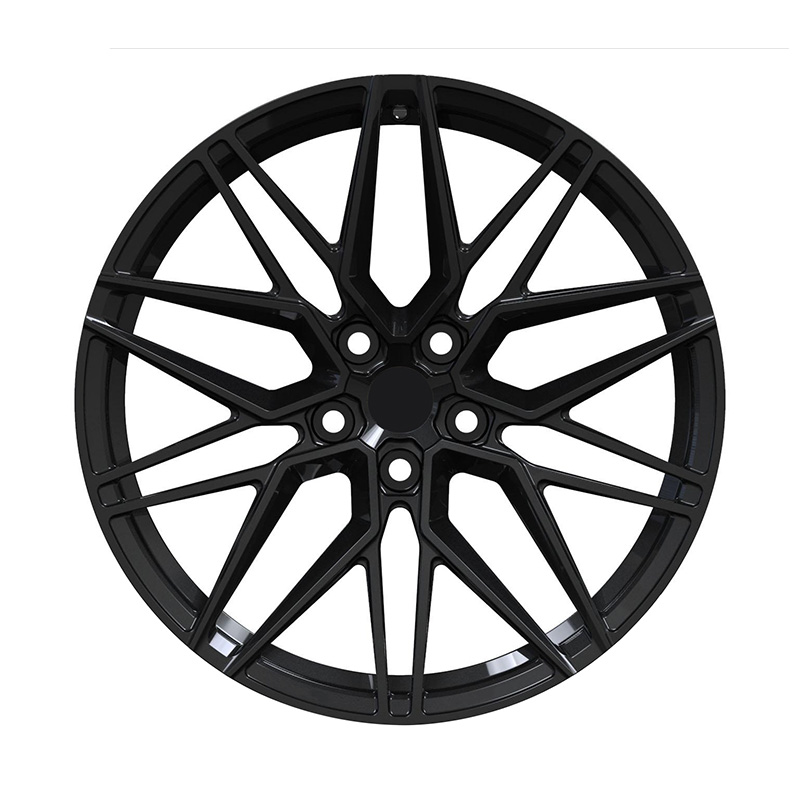
Visual grain inspection on machined surfaces: Forged wheels have machined surfaces (e.g., the inner barrel or back pad of bolt holes) that show directional grain lines—fine parallel lines following the metal flow direction. Cast surfaces show no directional pattern; they appear uniform or slightly speckled. A 10× magnifying lens reveals the difference. On a forged wheel, grain lines curve around spoke transitions; on a cast wheel, the surface looks homogeneous.
Weight check against known specifications: For a given size and load rating, forged wheels are consistently lighter. A 20 × 9-inch forged wheel rated for 800 kg weighs 9.5–11.5 kg depending on spoke design. The same size cast wheel rated for 800 kg weighs 12.5–15.5 kg. If a wheel of that size weighs 13.0 kg but is advertised as forged, the claim is likely false. However, some manufacturers produce forged wheels with extra material for aesthetic purposes (thick spokes or deep lips), increasing weight. Weight alone is therefore not definitive.
Sound testing (ring test): Suspend the wheel by a string through the center bore and tap the rim flange with a metal rod (e.g., a wrench). A forged wheel produces a sustained, clear ringing tone lasting 3–6 seconds. A cast wheel produces a shorter, duller sound (1–2 seconds) because porosity dampens vibration. The difference is more pronounced with larger wheels (18 inches and above). This test is subjective but repeatable; experienced technicians identify authenticity correctly in 85–90% of cases.
What tolerances and fitment verification steps are necessary for custom forged wheels?
Custom forged wheels are machined to specific vehicle fitment requirements. Five critical dimensions must match the vehicle.
Bolt pattern (pitch circle diameter, PCD): The diameter of the circle passing through the center of each lug hole. Common PCDs are 100 mm (Honda, VW), 112 mm (Mercedes, Audi), 114.3 mm (Toyota, Nissan, Ford), 120 mm (BMW), and 130 mm (Porsche). A deviation of 0.2 mm prevents mounting because lug studs will not align. Custom forged wheels are machined to ±0.1 mm PCD tolerance. After receiving the wheels, the buyer should place the wheel face-down on a flat surface and attempt to insert a lug bolt into each hole of a vehicle hub (or a PCD gauge). If any bolt binds or cannot be inserted by hand, the PCD is incorrect.
Center bore diameter: The large hole at the wheel's center that fits over the vehicle's hub. The wheel center bore must match the hub diameter within +0.05 to +0.10 mm clearance (e.g., for a 72.5 mm hub, wheel bore should be 72.55–72.60 mm). If the wheel bore is smaller than the hub, the wheel will not seat. If the bore is more than 0.5 mm larger, the wheel centers on the lug studs rather than the hub, causing vibration at 80–110 km/h. Custom forged wheels are hub-centric by design. Buyers should measure the wheel bore with a digital caliper (accuracy ±0.02 mm) and compare it to the known hub diameter from vehicle specifications.
Offset (ET): The distance from the wheel's mounting pad to the centerline of the rim. The offset range for a given vehicle is typically ±5 mm from the factory specification. Example: a vehicle with a factory 45 mm offset can accept 40–50 mm offset without fender clearance issues. Custom forged wheels are produced to ±1 mm offset tolerance. To verify, place a straightedge across the rim's inner lip (the barrel). Measure from the straightedge to the mounting pad. Subtract half the rim width (converted from inches to mm). The formula: Offset = (distance from straightedge to pad) − (rim width × 25.4 / 2). An incorrect offset causes the wheel to sit too far inward (rubbing suspension) or outward (extending beyond the fender).
recommend products
-
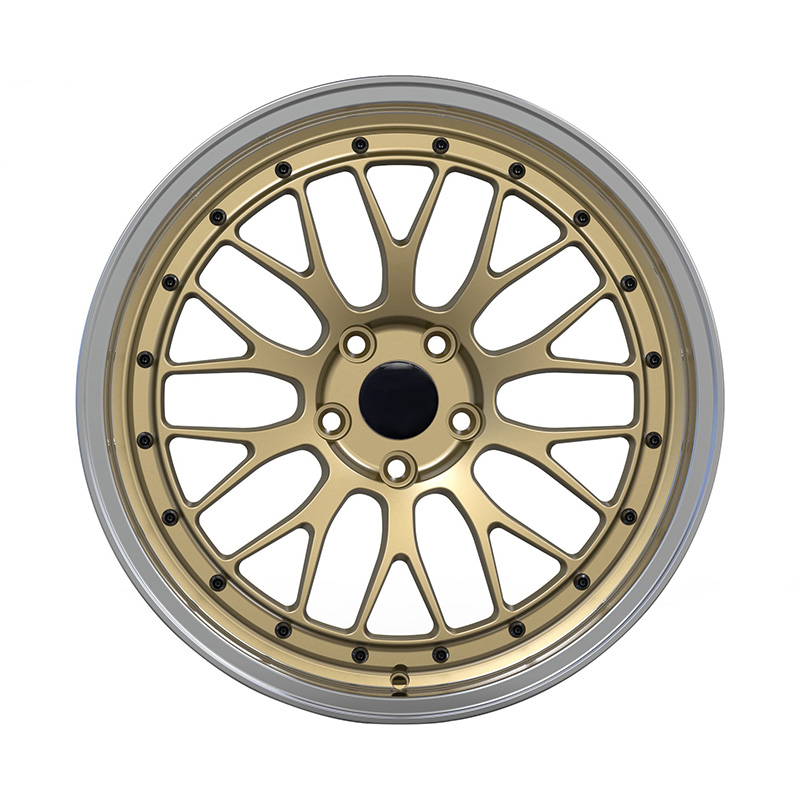


Zhenlun Multi Spokes Split Monoblock Forged Wheels Bronze With Silver Lip Edge
-
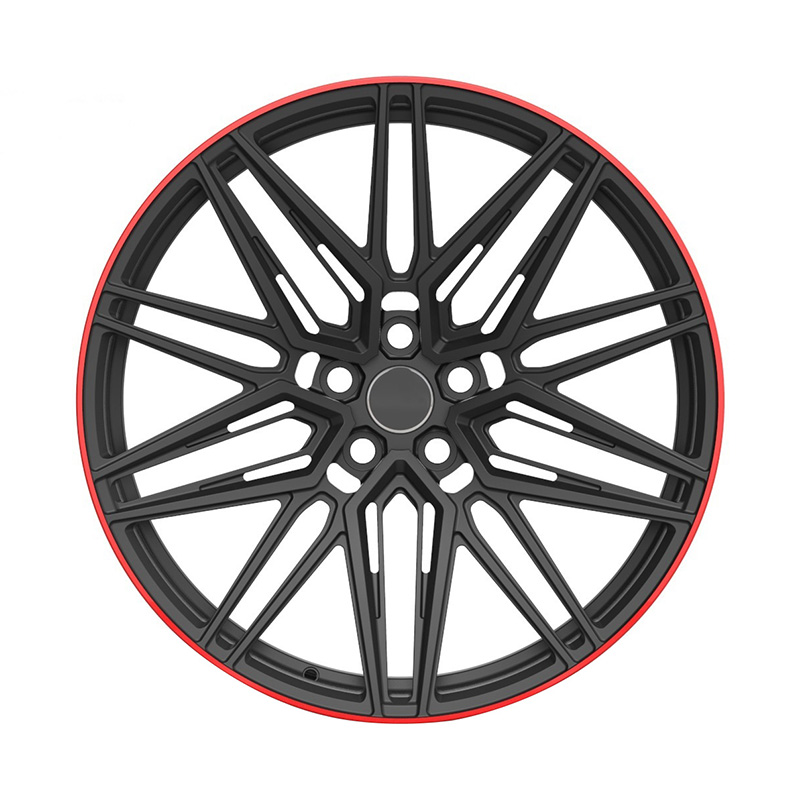
Zhenlun Matt Black With Red Lip Monoblock Forged Wheels
-
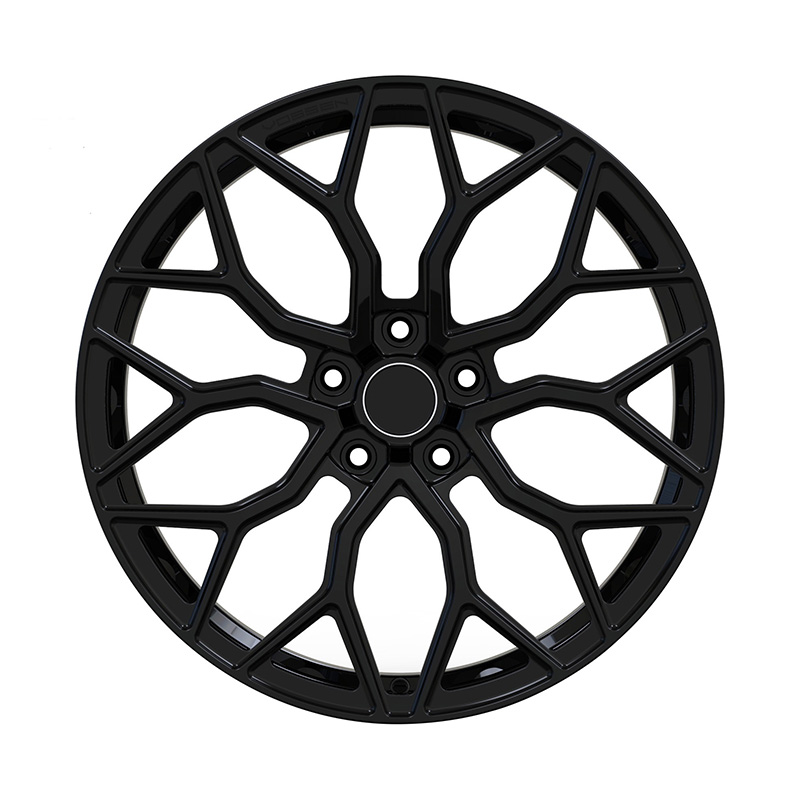
Zhenlun Gloss Black Monoblock Forged Wheels Gloss Black For Sports Car
-
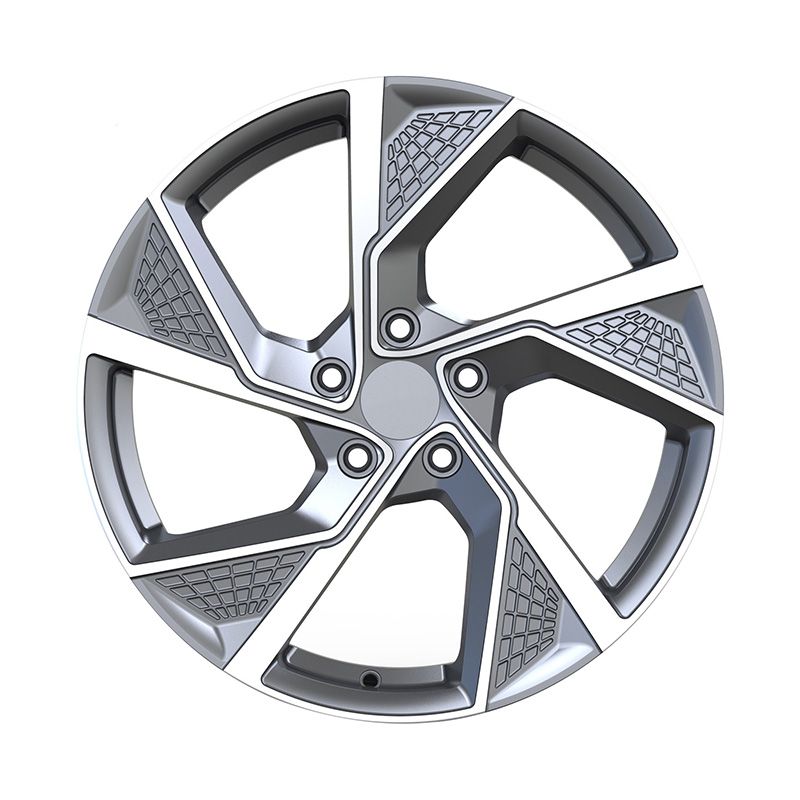
Zhenlun Monoblock Forged Wheels Lightgrey With Machined Face
-
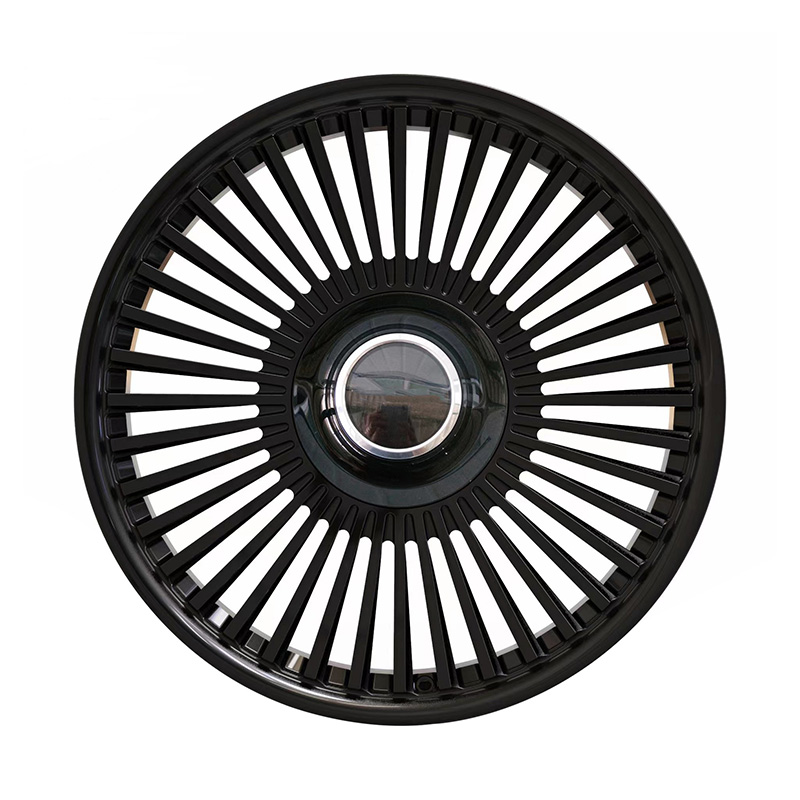
Zhenlun Monoblock Forged Wheels Gloss Black Dense Multi Spoke



Wechat QR code
IAN

JNZL

CONTACT Us
Mobile Site
Copyright© Taizhou Zhenlun Technology Co., Ltd. All Rights Reserved
