
 0
0

 English
 Español
Submit
Submit feedback
Monoblock Forged Wheels for Modified Cars
2026-05-15
Common Types in the Vehicle Modification Market
The following bullet points describe the principal categories of monoblock forged wheels available for aftermarket vehicle modification, based on spoke design, weight optimization, and intended driving application.
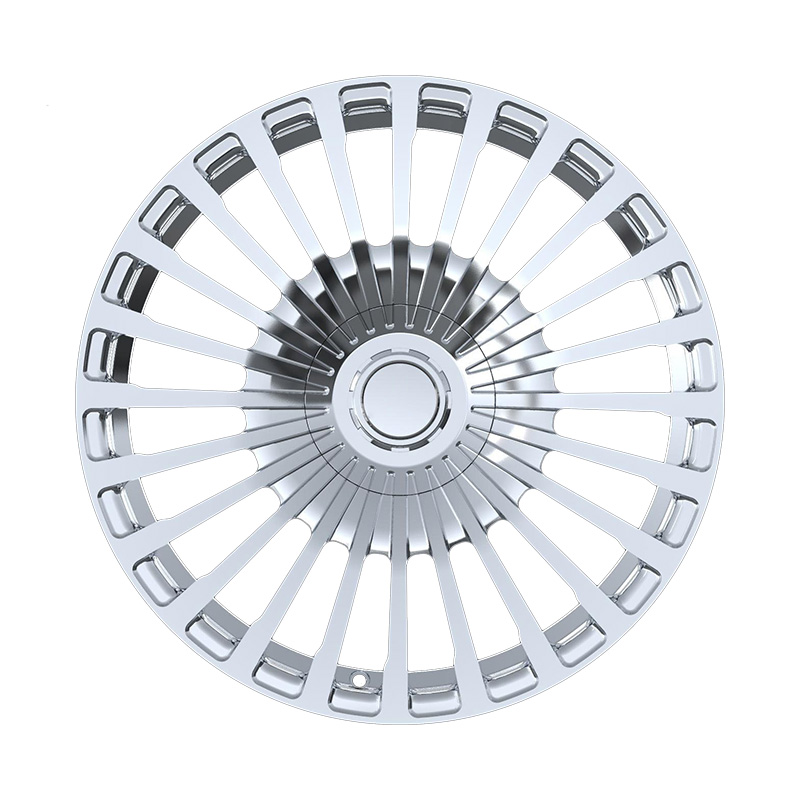
Mesh-Spoke Type: Multiple thin spokes (eight to twelve) radiate from the hub to the rim barrel. Spoke cross-sections are typically tapered, with a width of 18 to 22 mm at the hub and 10 to 14 mm at the barrel. This design maximizes brake caliper visibility and airflow. Mesh wheels are common on European sports sedans (BMW 3-series, Audi A4) and Japanese performance cars (Subaru WRX, Mitsubishi Lancer Evolution). Weight for an 18 x 8.5 inch size ranges from 8.0 to 9.2 kg.
Deep-Concave Type: The spoke mounting face is recessed 30 to 50 mm behind the rim flange. Concave depth increases with wheel width: a 9-inch width produces 25 mm concavity, while an 11-inch width produces 45 mm concavity. Deep-concave wheels are popular on modified rear-wheel-drive vehicles (Nissan GT-R, Lexus RC F) with staggered fitments (narrower front, wider rear).
Motorsport-Specific Type: Designed for competition use with additional weight reduction features: thinned barrel walls (3.5 to 4.5 mm versus 5.5 to 6.5 mm for street wheels), undercut spoke pockets, and titanium lug seat inserts. These wheels require replacement after 20,000 to 30,000 street kilometers or after any significant impact. Motorsport types are sold with load rating certifications (TÜV, JWL, VIA) for legal road use in regulated markets.
Custom Monoblock Forged Wheels: Manufactured to customer specifications including offset (ET 15 to ET 55), center bore diameter (57.1 mm to 80 mm), and spoke pattern. Production uses a forged blank (typically 6061-T6 aluminum) machined on 5-axis CNC mills. Lead time is 6 to 12 weeks. Custom wheels account for approximately 20 percent of the monoblock forged aftermarket in North America and Europe.
Materials Used in Modified Car Monoblock Forged Wheels
Base Aluminum Alloys
The predominant alloy for monoblock forged wheels is 6061-T6. Composition by weight: 0.4 to 0.8 percent silicon, 0.15 to 0.4 percent copper, 0.8 to 1.2 percent magnesium, 0.04 to 0.35 percent chromium, 0.25 percent maximum zinc, balance aluminum. T6 temper involves solution heat treatment at 530°C for 1 hour, water quenching, and then artificial aging at 175°C for 8 hours. Tensile strength of 6061-T6 is 310 MPa minimum, yield strength 276 MPa, and elongation 12 to 17 percent. Hardness is 95 HB. This alloy offers good corrosion resistance in road-salt environments (pitting rate below 0.05 mm per year in accelerated salt-spray testing). For high-performance applications, 7075-T6 is occasionally used. Composition includes 5.6 to 6.1 percent zinc, 2.1 to 2.5 percent magnesium, and 1.2 to 1.6 percent copper. Tensile strength is 570 MPa, yield strength 505 MPa, but elongation drops to 8 to 11 percent. 7075-T6 is less common because it costs 40 to 60 percent more than 6061 and is more susceptible to stress corrosion cracking in chloride environments.
Forging Process and Grain Structure
Monoblock forged wheels start as cylindrical billets cast from the chosen alloy. The billet is heated to 350 to 450°C, then pressed in multiple stages using an 8,000 to 12,000 ton forging press. Stage 1: upsetting reduces billet height by 40 to 50 percent. Stage 2: pre-forming creates the rough wheel shape with spoke regions thicker than barrel regions. Stage 3: finish forging defines the final external profile. The forging process aligns the aluminum grain structure along the contours of the wheel. Grain flow follows the spoke lines and the barrel circumference. This directional grain structure provides 30 to 40 percent higher fatigue strength compared to cast wheels of the same alloy. The as-forged wheel then undergoes heat treatment (T6 temper) before machining.
Surface Treatment Materials
After CNC machining, wheels receive protective coatings. The primer layer is epoxy or polyurethane, with a thickness of 20 to 40 microns. Primer provides adhesion for subsequent layers and corrosion protection. The color base coat is acrylic or polyester, with a thickness of 50 to 100 microns. A clear topcoat (polyurethane or clear acrylic) of 30 to 50 microns follows. Total coating thickness is 100 to 180 microns. For wheels exposed to brake dust, a hydrophobic topcoat (contact angle 90 to 110 degrees) reduces dust adhesion. Powder coating replaces wet paint in some cases: polyester powder applied electrostatically, cured at 180°C for 10 minutes, thickness 60 to 120 microns. Powder coating is more chip-resistant than wet paint but adds 100 to 200 grams per wheel. Clear anodizing (Type II, 10 to 20 microns thickness) is an alternative for wheels requiring a metal finish without paint. Anodized wheels have a hardness of 300 to 400 HV but lower impact resistance than powder coating.
recommend products
-
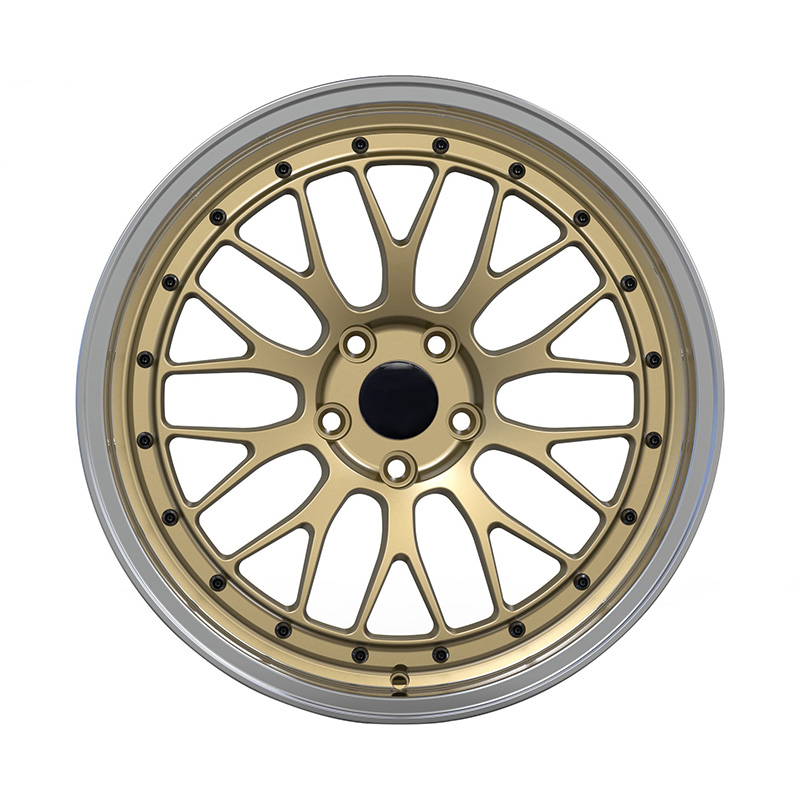


Zhenlun Multi Spokes Split Monoblock Forged Wheels Bronze With Silver Lip Edge
-
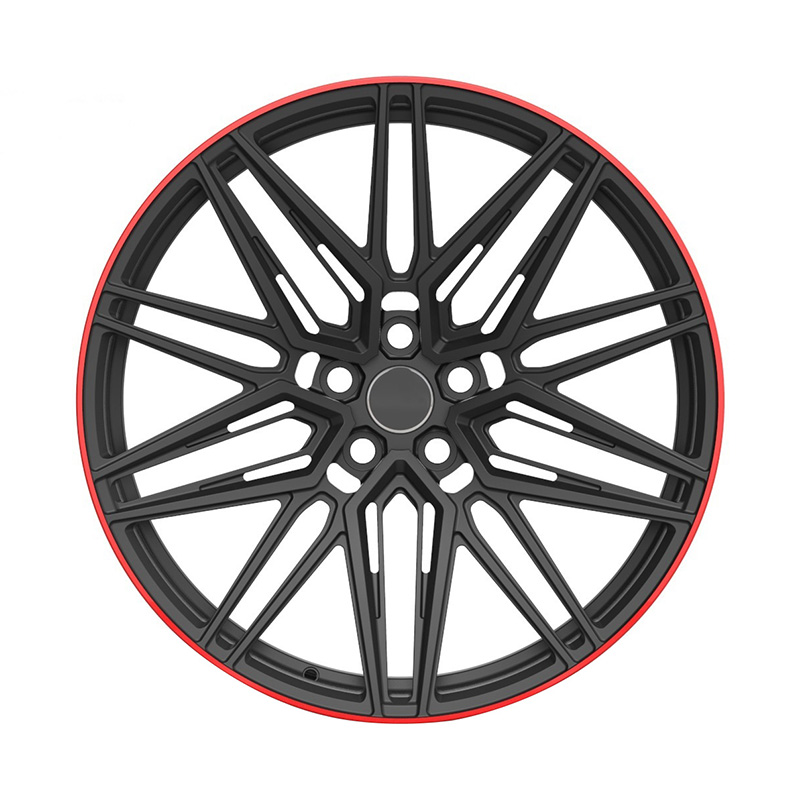
Zhenlun Matt Black With Red Lip Monoblock Forged Wheels
-
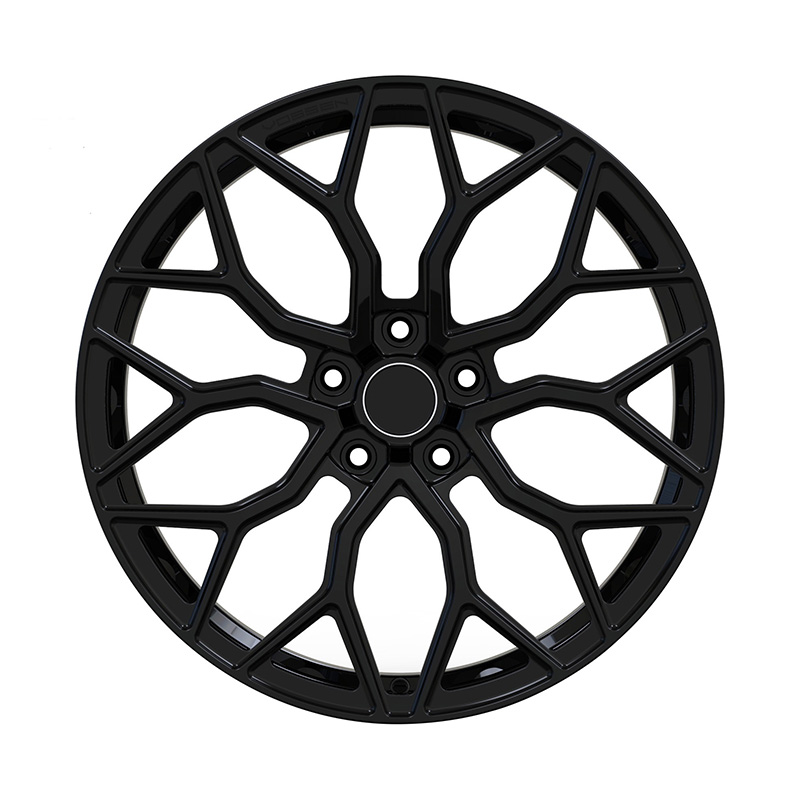
Zhenlun Gloss Black Monoblock Forged Wheels Gloss Black For Sports Car
-
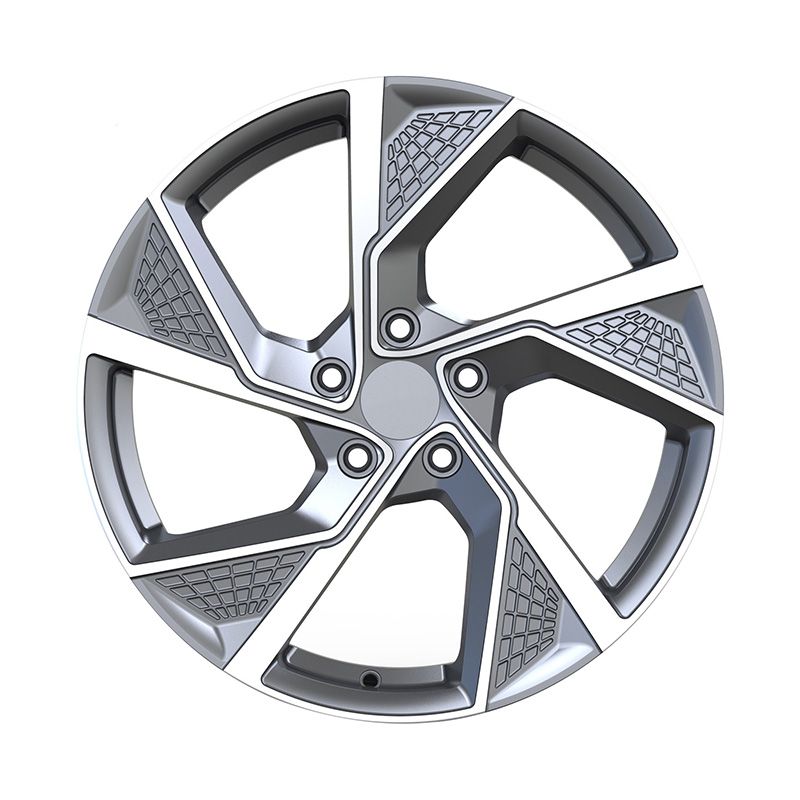
Zhenlun Monoblock Forged Wheels Lightgrey With Machined Face
-
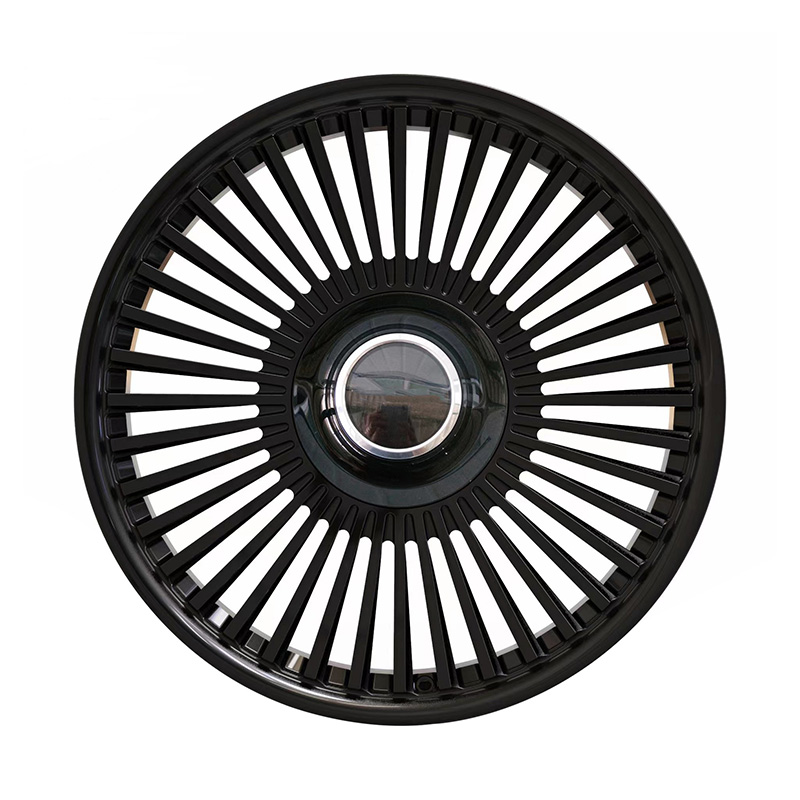
Zhenlun Monoblock Forged Wheels Gloss Black Dense Multi Spoke



Wechat QR code
IAN

JNZL

CONTACT Us
Mobile Site
Copyright© Taizhou Zhenlun Technology Co., Ltd. All Rights Reserved
