
 0
0

 English
 Español
Submit
Submit feedback
How to Check Wheel Compatibility Before You Buy With Care?
2026-05-08
Many drivers reach the same point when they start looking for new wheels. The car already feels familiar, but the idea of upgrading its appearance becomes hard to ignore. A new set of wheels seems like a simple change, yet once the search begins, confusion quickly appears. Numbers, codes, and specifications start to show up everywhere. At that moment, even a design that looks right can feel uncertain. A product from an Aluminum Alloy Wheel Factory might appear correct upon initial inspection, but proper fitment involves considerations beyond visual appearance. The main concern always comes back to one question: will it actually fit the car without problems?
Bolt Pattern Explained in a Practical Way
The Connection Between Wheel and Hub
Bolt pattern describes how many bolt holes exist on a wheel and how those holes are arranged in a circle. It is often referred to as PCD in technical language. This detail is not decorative or optional. It is the basic connection point between the wheel and the vehicle hub.
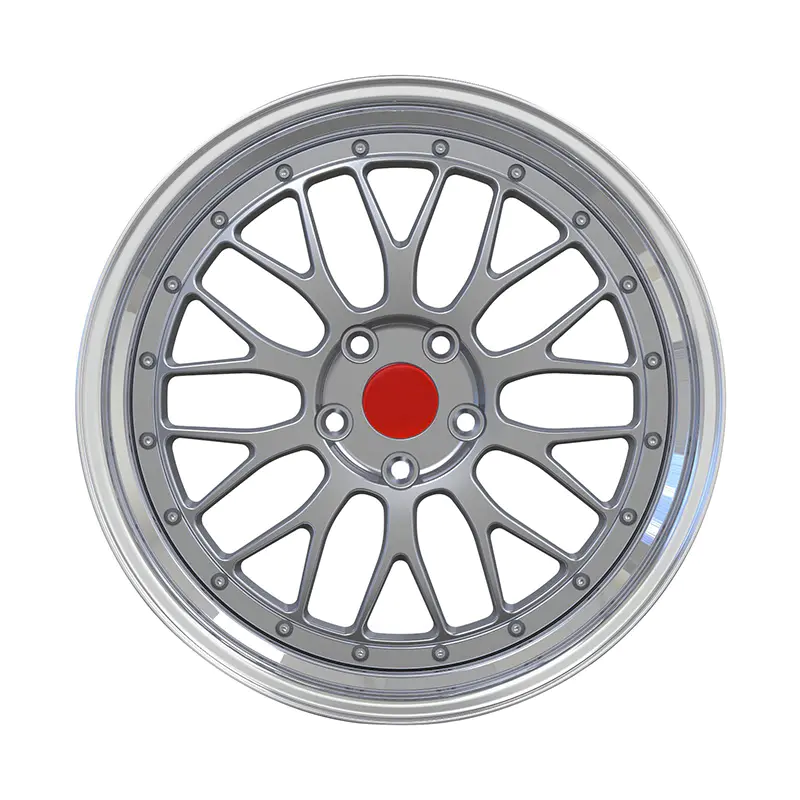
If the pattern matches, the wheel aligns naturally during installation. If it does not match, the wheel simply cannot sit correctly, even if the difference looks small. The system does not allow partial fitment when it comes to mounting points.
Why This Detail Comes Before Everything Else
When choosing wheels, visual style often captures early attention. The surface finish, spoke arrangement, and general design contribute to the initial perception. That reaction is normal, but it does not reflect whether the wheel will fit.
Important reasons this measurement matters:
- It defines physical alignment with the hub
- It ensures proper tightening of all bolts
- It helps maintain balance during rotation
- It reduces stress on mounting points
Without this match, other specifications become irrelevant because installation cannot be completed safely.
Finding the Correct Bolt Pattern for Your Vehicle
Checking Existing Vehicle Information
A reliable starting point is the vehicle itself. Many cars include fitment details in the manual or service documents. These details are based on factory design, so they reflect the original setup.
Some vehicles also include basic information on labels inside the door area or maintenance documentation. These sources help reduce uncertainty and provide a reference point before looking at aftermarket wheels.
Measuring When Documentation Is Not Available
If no direct information is available, measurement becomes necessary. This step should be approached with caution, as minor errors can result in incorrect conclusions.
A simple approach includes:
- Counting how many bolt holes are present
- Identifying whether the layout is even or uneven
- Measuring distance between holes with proper tools
- Comparing results with standard wheel specifications
Accuracy matters because bolt pattern does not allow approximation. A small difference can change compatibility completely.
Why Matching Bolt Pattern Is Not the Only Requirement
Fitment Depends on Several Connected Values
Even when bolt pattern matches, the wheel may still not fit correctly if other measurements are ignored. Hub center size, offset, and width all play a role in final positioning.
Each measurement has a different function:
- Bolt pattern controls how the wheel attaches
- Center bore affects how the wheel centers on the hub
- Offset determines inward or outward position
- Width affects tire placement and clearance
When these values work together correctly, installation becomes smooth. If one value is incorrect, problems may appear even after mounting.
Understanding Wheel Specifications as a Complete Set
Wheel specifications are usually written together in one line. Instead of focusing on a single number, it is better to read the full structure.
Key elements include:
- Diameter, which defines wheel size
- Width, which influences tire seating behavior
- Offset, which changes wheel positioning
- Bolt pattern, which confirms mounting compatibility
These elements are connected, and they should always be reviewed together.
Common Mistakes When Choosing Wheels
When Similar Appearance Results in Incorrect Assumptions
A frequent issue occurs when wheels look almost identical but have different mounting details. Visual similarity can be misleading, especially for buyers without technical experience.
Common problems include:
- Bolt holes do not align during installation
- Wheel does not sit evenly against hub surface
- Brake parts interfere with wheel rotation
- Steering vibration appears after fitting
- Uneven pressure during tightening process
These issues usually come from skipping specification checks before purchase.
Considering Adapters Carefully
Some buyers think about using adapters when bolt patterns do not match. While adapters can connect different configurations, they also add an extra layer between wheel and hub.
This may affect:
- Mounting thickness and spacing
- Centering accuracy
- Load distribution across hub
- Long-term stability of the setup
Adapters should be treated as a technical solution that requires careful evaluation, not a simple adjustment.
Step-by-Step Approach to Selecting Wheels
Using a Structured Selection Process
Choosing wheels becomes easier when the process follows a clear order. Instead of starting with design, it is better to start with fitment.
A practical method includes:
- Confirm bolt pattern compatibility
- Check hub center size
- Review offset range carefully
- Match width and diameter
- Confirm brake clearance
- Verify load support level
This sequence helps eliminate unsuitable options early.
Comparing Different Wheel Options Effectively
When reviewing multiple wheels, using a consistent method helps avoid confusion. Each option should be checked in the same order so differences become clearer.
Recommended comparison flow:
- Start with mounting layout
- Check hub compatibility
- Compare offset values
- Review size and width
This approach focuses on function instead of appearance.
Warning Signs During Installation or Inspection
Early Indicators of Incorrect Fitment
Some problems appear before full installation is completed. Recognizing them early helps avoid damage or wasted effort.
Common warning signs include:
- Bolt holes require force to align
- Uneven gap around hub center
- Contact with brake components
- Steering vibration at low speed
- Wheel does not sit flat on hub surface
These signs usually indicate a mismatch in specifications.
How Correct Fitment Affects Driving Behavior
Stability Depends on Proper Alignment
When all measurements match correctly, the wheel operates more smoothly on the road. Rotation becomes stable, and force distribution remains balanced.
This results in:
- More predictable steering response
- Reduced vibration during driving
- More even tire wear over time
- Better braking consistency
Even small mismatches can gradually affect driving comfort and component wear.
Final Considerations Before Making a Purchase
Reviewing All Specifications Together
Before completing a purchase, all fitment details should be reviewed as a complete set. Bolt pattern alone is not enough. Hub size, offset, and width must also match vehicle requirements.
A careful review helps avoid:
- Installation delays
- Return procedures
- Unexpected modification needs
- Long-term compatibility issues
Taking time at this stage improves overall decision quality.
Choosing wheels is not only about appearance. It is about making sure every technical detail works together with the vehicle. When fitment is understood clearly, the selection process becomes more stable and less uncertain. A properly matched wheel supports safer driving and reduces problems after installation. Buyers who want additional support in checking compatibility and sourcing options can contact Taizhou Zhenlun Technology Co., Ltd. for further guidance before making a final decision.
recommend products
-
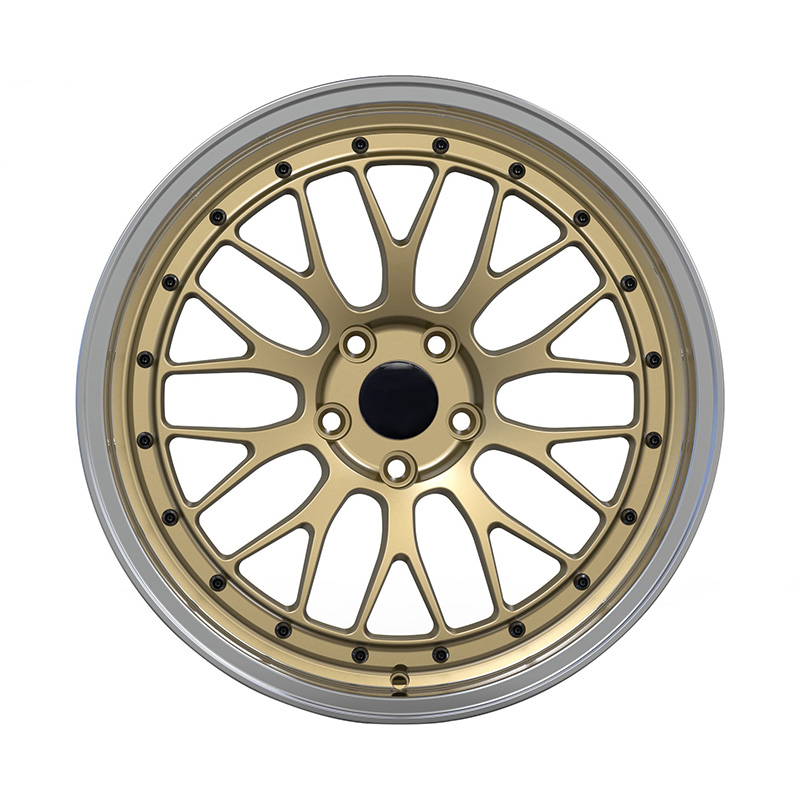


Zhenlun Multi Spokes Split Monoblock Forged Wheels Bronze With Silver Lip Edge
-
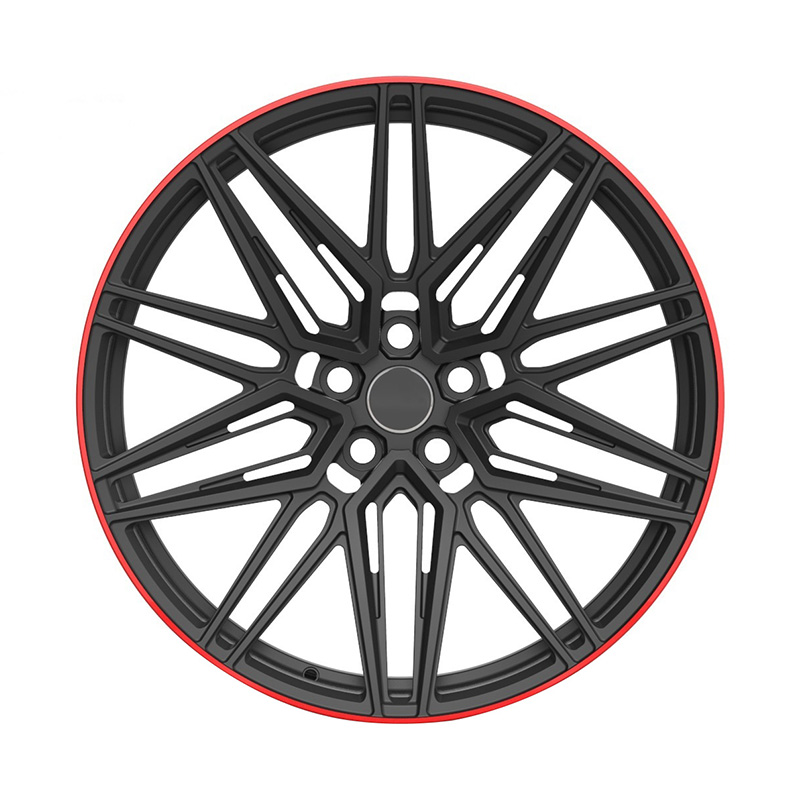
Zhenlun Matt Black With Red Lip Monoblock Forged Wheels
-
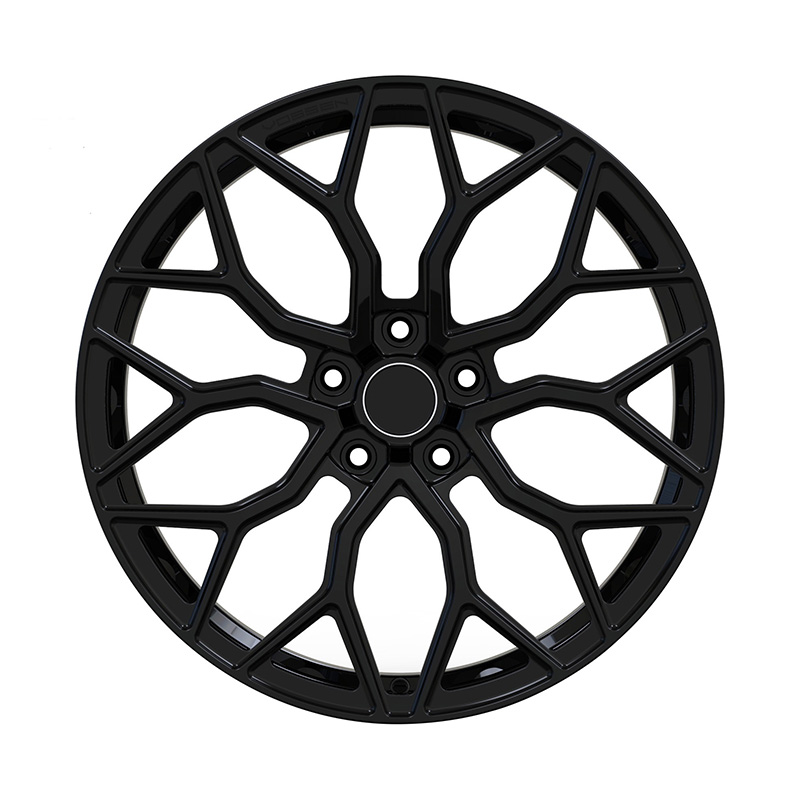
Zhenlun Gloss Black Monoblock Forged Wheels Gloss Black For Sports Car
-
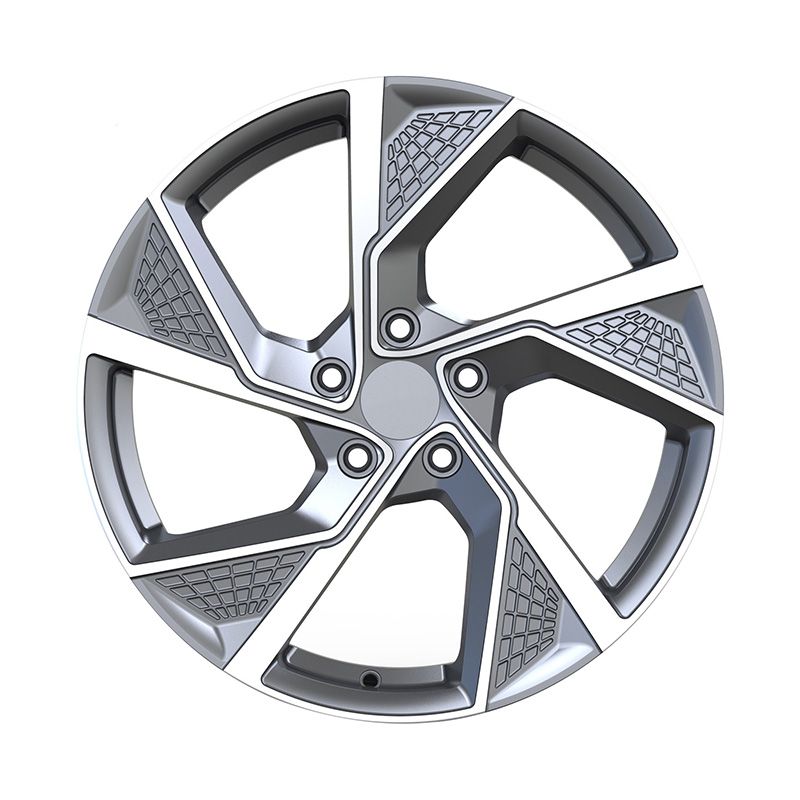
Zhenlun Monoblock Forged Wheels Lightgrey With Machined Face
-
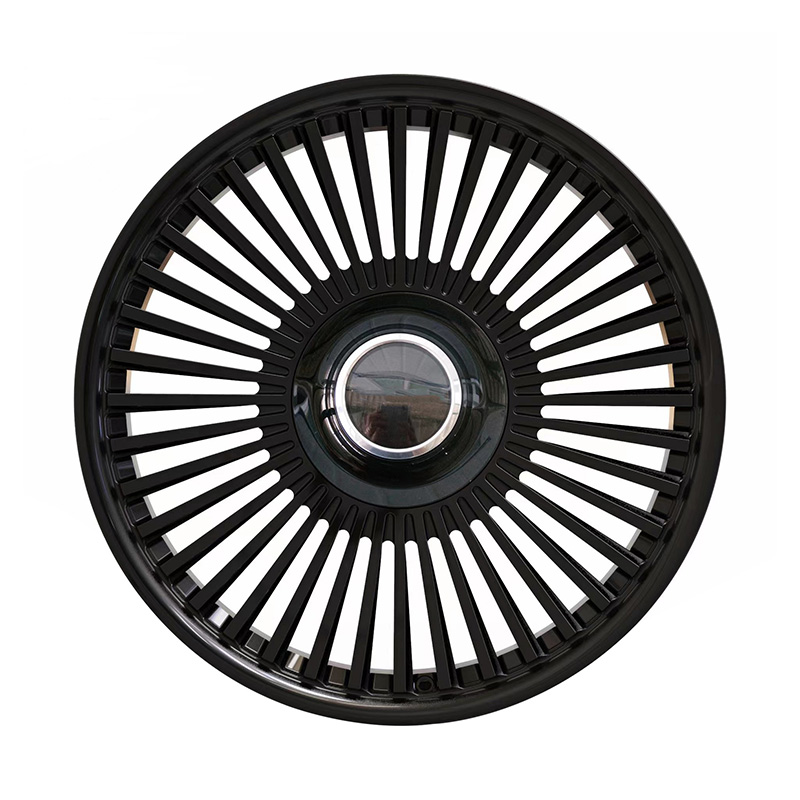
Zhenlun Monoblock Forged Wheels Gloss Black Dense Multi Spoke



Wechat QR code
IAN

JNZL

CONTACT Us
Mobile Site
Copyright© Taizhou Zhenlun Technology Co., Ltd. All Rights Reserved
