
 0


 English
 Español

Submit
Submit feedback
How Do Motorsport Wheel Requirements Differ Across Racing Events
2026-11-27
Motorsport wheels operate under different conditions depending on the racing discipline. Circuit racing involves repeated cornering, braking, and acceleration, while drag racing places substantial demands on wheel assemblies during rapid acceleration. Rally competitions introduce additional challenges through uneven surfaces, impacts, and changing terrain.
These differences mean that racing wheels rims cannot be evaluated using a single set of specifications. At Zhenlun, we understand that racing wheel buyers, motorsport equipment distributors, and aftermarket brands need to consider the intended competition category before confirming product requirements.
1. Circuit Racing: Balance Weight, Strength, and Brake Clearance
Circuit racing involves repeated high-speed cornering, braking, and acceleration. Wheel assemblies experience changing loads throughout each lap, making structural strength and fatigue resistance important purchasing considerations.
Buyers evaluating circuit racing wheels should pay attention to:
- Wheel weight: Reduced unsprung mass can support suspension response and vehicle handling.
- Structural rigidity: The wheel must withstand repeated cornering and braking loads.
- Brake clearance: Spoke design and barrel dimensions must accommodate the braking system.
- Fatigue resistance: Repeated loading makes suitable fatigue testing important.
At Zhenlun, we recommend that buyers review wheel dimensions, material specifications, and applicable competition regulations together. A lightweight design should not be evaluated independently of its structural performance.
2. Drag Racing: Acceleration Loads and Wheel Retention
Drag racing places different demands on wheels because vehicles accelerate rapidly along a relatively straight track. Rear wheels may experience substantial driving forces, while front wheels have different loading and functional requirements.
Important purchasing considerations include:
- Wheel construction: The design must suit the vehicle's power output and competition category.
- Bead retention: Certain high-performance tire configurations require approved bead-retention systems.
- Load distribution: Front and rear wheel specifications may differ according to axle requirements.
- Competition certification: Some classes require wheels meeting specific SFI specifications.
For example, SFI Specification 15.1 addresses drag race drive wheels. However, certification requirements depend on the applicable competition rules and wheel model. Buyers should verify the relevant class regulations rather than assuming every drag racing wheel requires identical certification.
3. Rally Racing: Impact Resistance and Durability
Rally vehicles operate across gravel, dirt, mud, and uneven road surfaces. Compared with smooth circuit tracks, these conditions introduce frequent impacts and unpredictable loading.
Rally wheel procurement should consider:
- Impact resistance: The wheel should be evaluated for demanding surface conditions.
- Structural durability: Material selection and wheel construction influence resistance to repeated impacts.
- Tire compatibility: Rim width and diameter must match the approved tire configuration.
- Repair and replacement planning: Teams and distributors should consider replacement availability during competition programs.
Rally wheel specifications also vary between vehicle classes and competition regulations. Buyers should confirm the permitted dimensions, construction methods, and safety requirements before ordering.
4. Different Racing Events Require Different Wheel Specifications
Comparing competition categories helps purchasing teams identify which technical details deserve attention.
| Racing Category | Primary Wheel Requirements | Procurement Focus |
| Circuit Racing | Low weight, fatigue resistance, brake clearance | Material, dimensions, and structural testing |
| Drag Racing | Acceleration load capacity and bead retention | Wheel certification and front/rear configuration |
| Rally Racing | Impact resistance and durability | Construction strength and replacement availability |
| Drift Racing | Fitment, lateral loading, and tire compatibility | Width, offset, and application-specific testing |
This comparison is a general purchasing reference, not a substitute for individual competition regulations. Specific requirements can change according to vehicle class, event organizer, and technical rulebook.
5. Material and Manufacturing Process Also Matter
Different racing applications may require different combinations of wheel weight, strength, and manufacturing characteristics. Forged aluminum wheels are commonly considered for performance applications because forging can provide a favorable strength-to-weight balance when supported by suitable material selection and engineering.
Buyers should review several manufacturing details:
- Alloy specification: Confirm the actual material grade and relevant technical documentation.
- Forging process: Review manufacturing procedures and dimensional control.
- CNC machining: Check mounting accuracy, bolt holes, and dimensional tolerances.
- Quality testing: Request applicable impact, fatigue, and other performance test records.
- Surface treatment: Evaluate coating requirements according to the intended operating environment.
At Zhenlun, we encourage buyers to compare documented material and manufacturing information rather than relying exclusively on wheel appearance or advertised weight.
6. What Should Racing Wheel Buyers Verify Before Ordering?
Importers and motorsport equipment distributors should prepare a technical checklist before requesting quotations or confirming customized wheel production.
We recommend reviewing the following information:
- Competition category and vehicle model.
- Wheel diameter, width, PCD, and offset.
- Center bore and brake clearance.
- Material grade and manufacturing process.
- Wheel load requirements and applicable testing.
- Competition-specific certification and documentation.
- Tire compatibility and front/rear configuration.
Buyers should also request technical drawings and samples where appropriate. These documents help confirm whether the proposed wheel configuration matches the intended vehicle and competition requirements.
7. Zhenlun's Approach to Motorsport Wheel Procurement
At Zhenlun, we understand that racing wheel projects require application-specific technical discussions. A circuit racing team and a drag racing distributor may have very different expectations regarding wheel dimensions, construction, and testing.
Our approach focuses on three areas:
- Application analysis: Understanding the racing discipline, vehicle platform, and intended operating conditions.
- Specification confirmation: Reviewing dimensions, material requirements, mounting details, and customization requests.
- Quality documentation: Discussing applicable inspection records, technical drawings, and compliance requirements.
We believe clear communication during the purchasing stage helps racing wheel distributors develop product ranges that match their customers' actual requirements.
Frequently Asked Questions
1. Are Circuit Racing Wheels Suitable for Drag Racing?
Not automatically. The two disciplines have different loading conditions and may follow different certification requirements. Buyers should verify the wheel's intended application and relevant competition regulations.
2. Why Is Wheel Weight Important in Motorsport?
Wheel weight contributes to unsprung mass and rotational inertia. Reducing unnecessary weight can support vehicle response, but structural strength and application suitability must remain within the required limits.
3. Do Drag Racing Wheels Require SFI Certification?
Some drag racing classes require specific SFI-certified wheel models. Requirements vary according to the competition category and current rulebook. Buyers should confirm the applicable specification before ordering.
4. Which Wheel Tests Should Racing Wheel Buyers Request?
Depending on the application, buyers may request fatigue, impact, and other relevant structural test reports. The required testing method should match the intended wheel category and applicable technical regulations.
recommend products
-
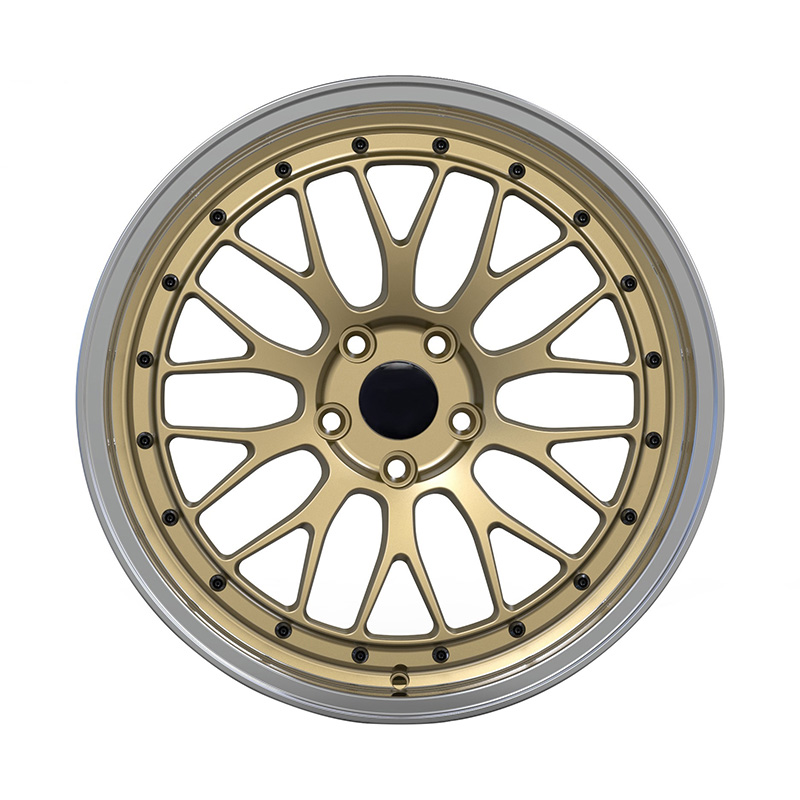


Zhenlun Multi Spokes Split Monoblock Forged Wheels Bronze With Silver Lip Edge
-
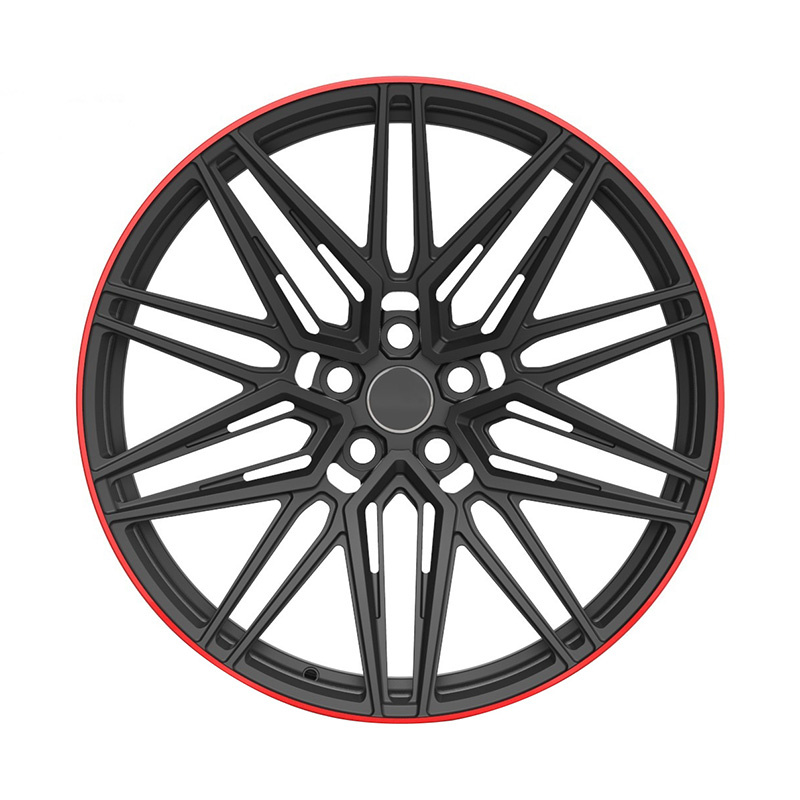
Zhenlun Matt Black With Red Lip Monoblock Forged Wheels
-
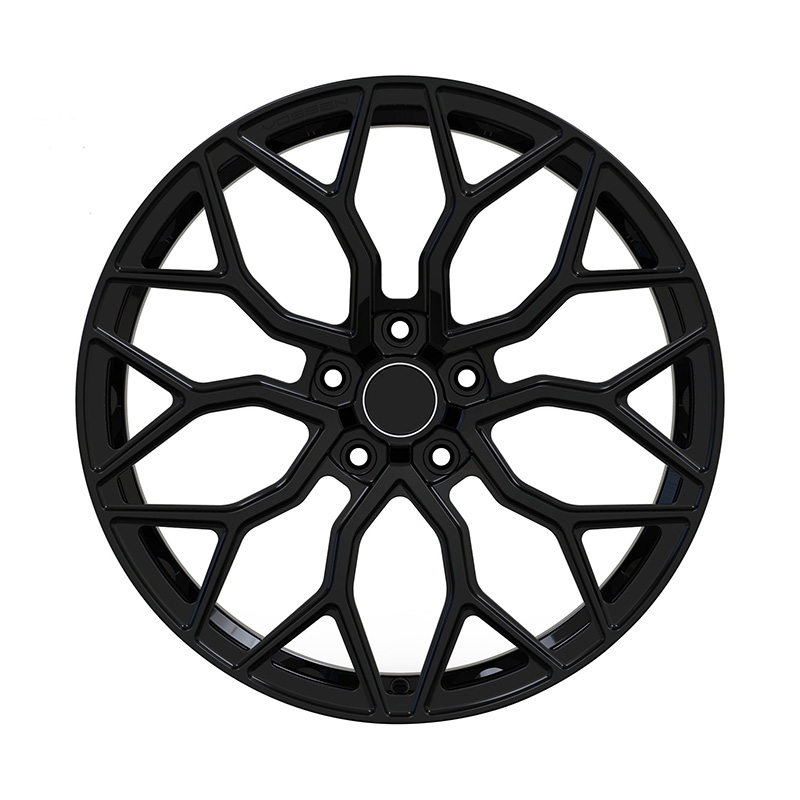
Zhenlun Gloss Black Monoblock Forged Wheels Gloss Black For Sports Car
-
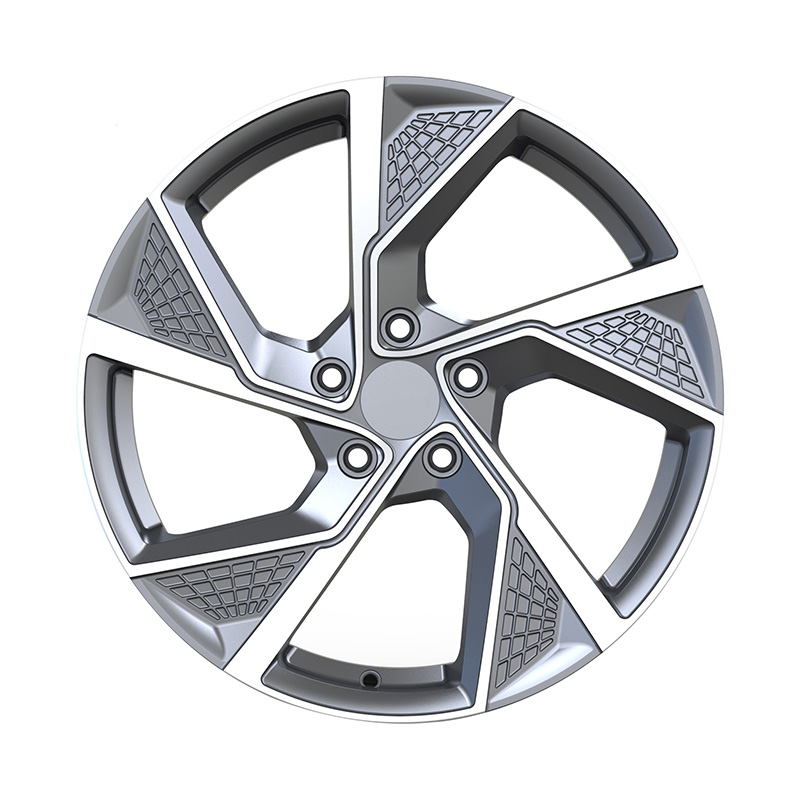
Zhenlun Monoblock Forged Wheels Lightgrey With Machined Face
-
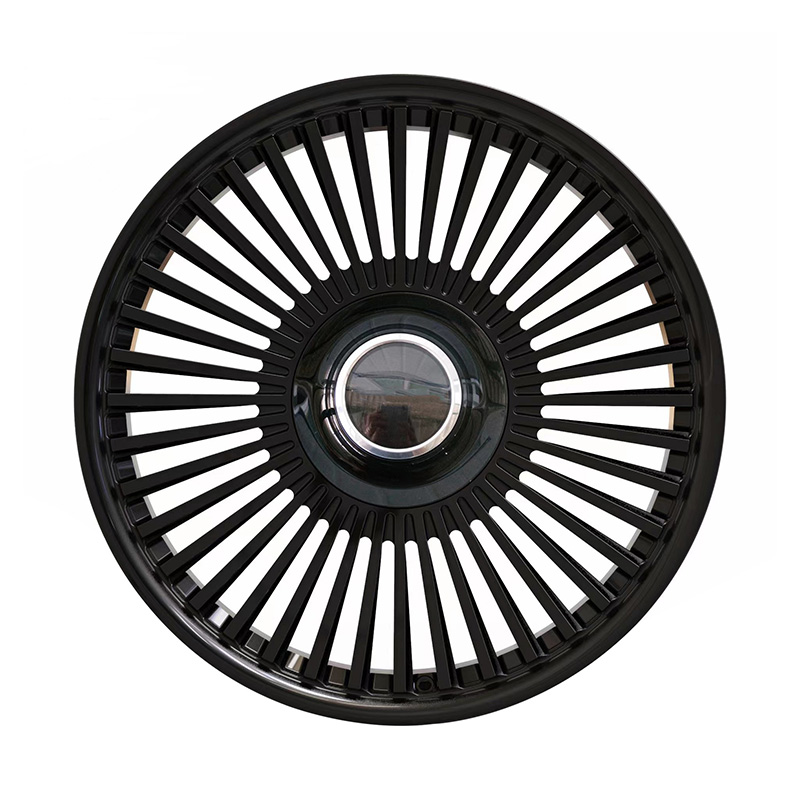
Zhenlun Monoblock Forged Wheels Gloss Black Dense Multi Spoke



Wechat QR code
IAN

JNZL

CONTACT Us
Mobile Site
Copyright© Taizhou Zhenlun Technology Co., Ltd. All Rights Reserved
