
 0


 English
 Español

Submit
Submit feedback
SUV Wheel Fitment: Which Measurements Should Buyers Verify
2026-11-20
SUV aftermarket wheel purchasing involves more than comparing wheel designs, finishes, and prices. Different SUV models have different hub dimensions, brake configurations, suspension layouts, and load requirements. A wheel that physically fits one vehicle may not be suitable for another, even within the same model family.
At Zhenlun, we understand that importers, wholesalers, and automotive modification brands need accurate fitment information before confirming orders. Reviewing the key dimensions of suv aftermarket wheels helps buyers reduce installation problems, avoid unnecessary returns, and provide more reliable product recommendations to their customers.
1. Wheel Diameter and Width: Start with the Basic Dimensions
Wheel diameter and width determine the tire mounting dimensions and influence the available clearance around the vehicle. SUV aftermarket wheels commonly come in different sizes depending on the vehicle category and intended application.
Important Measurements
- Wheel diameter: Measured in inches, such as 17", 18", 19", or 20". It must match the tire's designated rim diameter.
- Wheel width: Determines the compatible tire width range and affects inner and outer clearance.
- Rim profile: The wheel's construction and flange design must accommodate the intended tire specification.
Larger wheels may create a different appearance and provide space for certain brake configurations, but they can also reduce tire sidewall height. Buyers should consider road conditions, vehicle weight, and tire availability before confirming a size.
2. PCD: Does the Bolt Pattern Match the SUV Hub?
Pitch Circle Diameter (PCD) describes the diameter of the imaginary circle passing through the centers of the wheel's mounting holes. It is expressed together with the number of bolt holes.
For example, 5×114.3 means five mounting holes arranged around a 114.3 mm bolt circle. Other SUV applications may use patterns such as 5×120 or 6×139.7, depending on the vehicle.
Buyers should verify:
- Number of mounting holes.
- Exact bolt-circle diameter.
- Stud or bolt thread specifications.
- Fastener seat design, including conical, spherical, or flat configurations.
Similar-looking bolt patterns are not necessarily interchangeable. Zhenlun recommends confirming the exact vehicle year, model, and trim rather than relying on general SUV fitment descriptions.
3. Offset and Backspacing Affect Wheel Position
Offset, commonly marked as ET, refers to the distance between the wheel's mounting surface and its centerline. It determines how far the wheel sits inward or outward relative to the vehicle hub.
| Offset Type | Wheel Position | Potential Fitment Concern |
| Positive offset | Mounting surface sits outward of the wheel centerline | Reduced inner clearance in some configurations |
| Zero offset | Mounting surface aligns with the centerline | Requires vehicle-specific clearance verification |
| Negative offset | Mounting surface sits inward of the centerline | Greater outward projection and possible fender interference |
Backspacing is another measurement used to describe the distance between the mounting surface and the wheel's inner edge. It helps buyers evaluate clearance around suspension components and wheel arches.
Changing wheel width while retaining the same offset also changes the wheel's inner and outer positions. Therefore, offset should never be reviewed independently of width.
4. Center Bore and Brake Clearance Should Not Be Overlooked
Center bore refers to the diameter of the opening at the center of the wheel. It determines how the wheel fits around the vehicle's hub.
A wheel with a center bore smaller than the hub diameter cannot mount correctly. A larger bore may require a suitable hub-centric ring, provided the wheel and vehicle manufacturers permit that configuration.
Brake clearance is another important fitment requirement. Even wheels with matching diameter, width, and PCD can have different spoke shapes and barrel profiles.
Before ordering, buyers should verify:
- Hub diameter: Confirm the exact center bore requirement.
- Brake caliper clearance: Check spoke and barrel clearance around the braking system.
- Suspension clearance: Ensure the wheel does not contact struts or other components.
- Steering clearance: Review the fitment at full steering lock and through the suspension's operating range.
5. Load Rating: An Essential Requirement for SUVs
SUVs often carry passengers, luggage, and additional equipment. Their wheel load requirements can differ significantly from those of smaller passenger vehicles.
Buyers should compare the manufacturer's wheel load rating with the vehicle's axle weight requirements. The wheel's rated capacity must be sufficient for its intended position, with the vehicle manufacturer's specifications serving as the reference.
For distributors, this information is particularly important when developing forged wheel ranges for larger SUVs and vehicles with increased curb weight.
Other related details include:
- Vehicle gross axle weight ratings (GAWR).
- Wheel manufacturer's maximum load rating.
- Tire load index and pressure requirements.
- Intended passenger, cargo, and operating conditions.
6. What Information Should Buyers Provide Before Ordering?
Accurate vehicle information helps wheel manufacturers assess fitment requirements more effectively. At Zhenlun, we recommend preparing the following details before requesting quotations or customized wheel solutions.
| Information | Purpose |
| Vehicle year, make, and model | Identifies the intended vehicle application |
| Wheel diameter and width | Defines the required wheel dimensions |
| PCD and center bore | Confirms hub mounting compatibility |
| Offset and backspacing | Evaluates wheel positioning and clearance |
| Brake configuration | Checks caliper and spoke clearance |
| Required load rating | Verifies suitability for vehicle weight |
| Preferred finish and material | Supports product customization and quotation |
7. Zhenlun's Approach to SUV Wheel Fitment
At Zhenlun, we believe accurate specifications are essential for successful aftermarket wheel projects. Our discussions with importers, wholesalers, and modification brands focus on matching wheel dimensions with the intended vehicle applications.
We pay attention to several practical aspects:
- Dimension confirmation: Reviewing diameter, width, PCD, offset, and center bore.
- Material and construction: Discussing alloy materials and manufacturing requirements for different wheel applications.
- Customization: Addressing requested finishes, specifications, and design details.
- Technical communication: Clarifying fitment information and documentation before production arrangements.
We understand that aftermarket wheel distributors may serve multiple SUV platforms. Providing accurate vehicle information and confirming technical details before ordering helps make product development and purchasing coordination more straightforward.
Frequently Asked Questions
1. Does the Same PCD Mean Two SUV Wheels Are Interchangeable?
No. Matching PCD is only one part of fitment. Buyers must also verify center bore, width, offset, brake clearance, fastener specifications, and load rating.
2. How Does Wheel Offset Affect SUV Handling and Clearance?
Offset changes the wheel's position relative to the hub, suspension, and fender. An unsuitable value may cause rubbing, alter steering geometry, or increase loads on certain wheel-end components.
3. Can a Larger Center Bore Be Used on an SUV?
A larger center bore may be accommodated with an appropriately sized hub-centric ring where the wheel and vehicle specifications permit it. A bore smaller than the vehicle hub is not suitable.
4. Why Is Wheel Load Rating Important for SUV Applications?
SUVs can carry substantial passenger and cargo loads. Each wheel must have sufficient rated capacity for its intended axle position, based on the vehicle manufacturer's load requirements.
recommend products
-
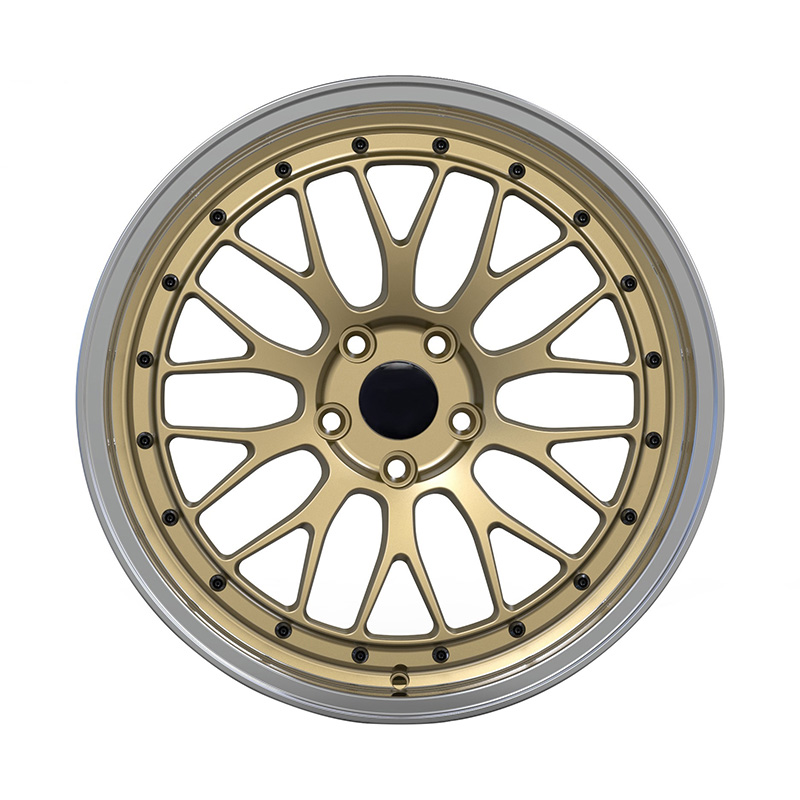


Zhenlun Multi Spokes Split Monoblock Forged Wheels Bronze With Silver Lip Edge
-
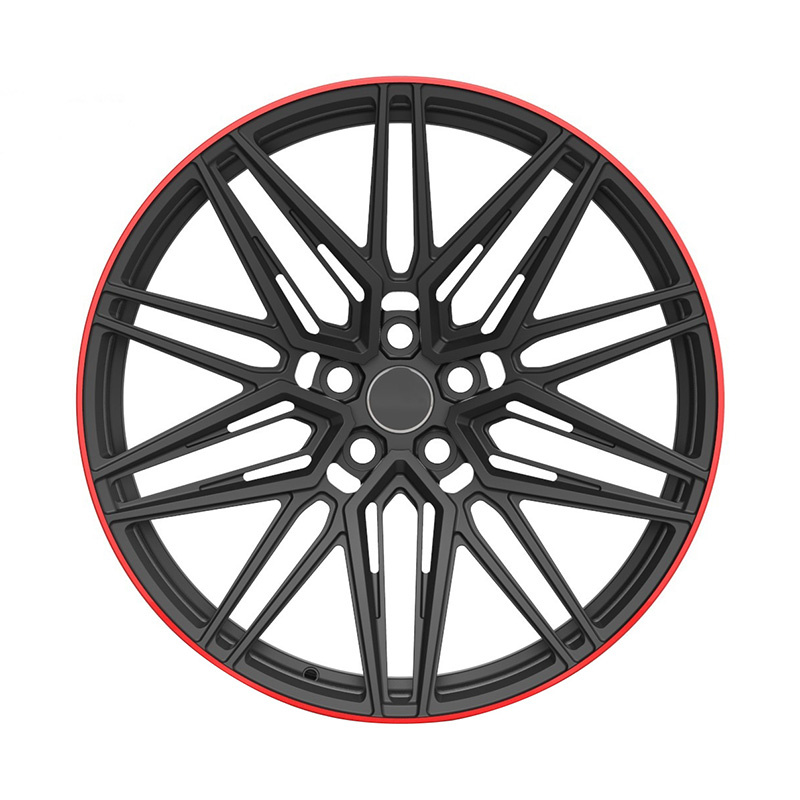
Zhenlun Matt Black With Red Lip Monoblock Forged Wheels
-
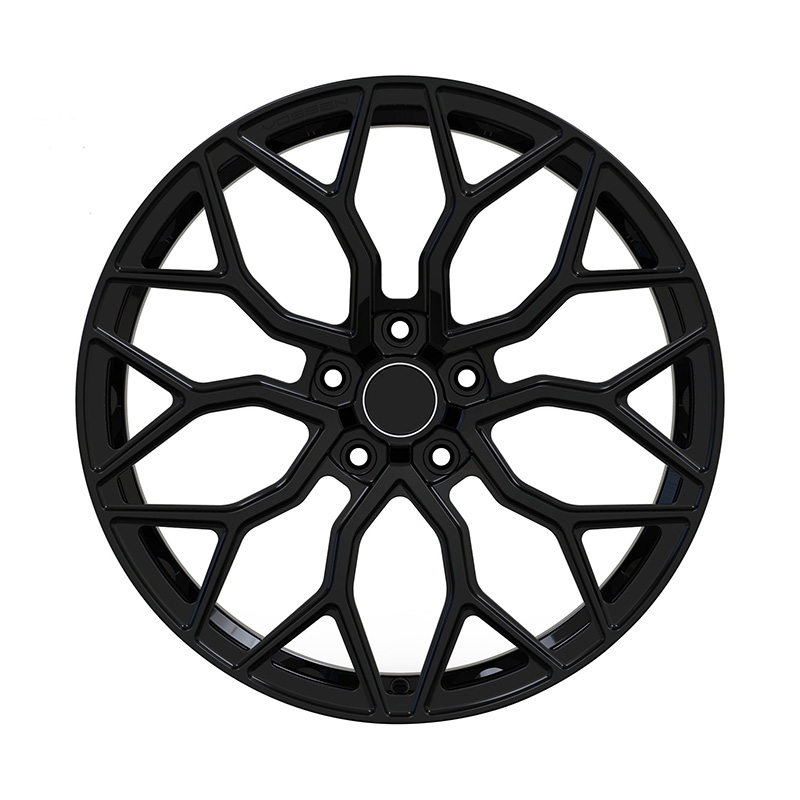
Zhenlun Gloss Black Monoblock Forged Wheels Gloss Black For Sports Car
-
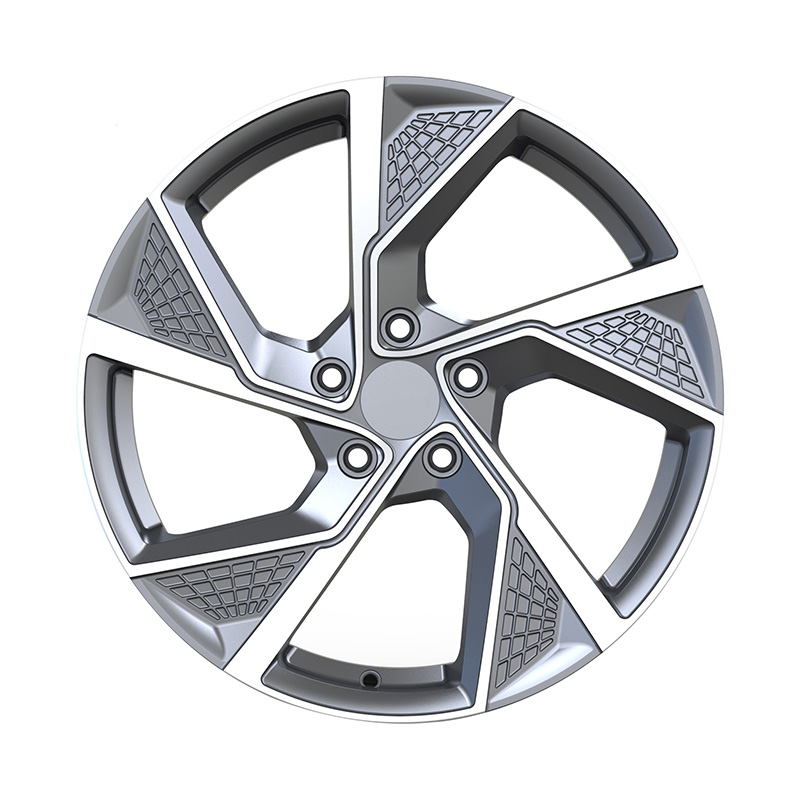
Zhenlun Monoblock Forged Wheels Lightgrey With Machined Face
-
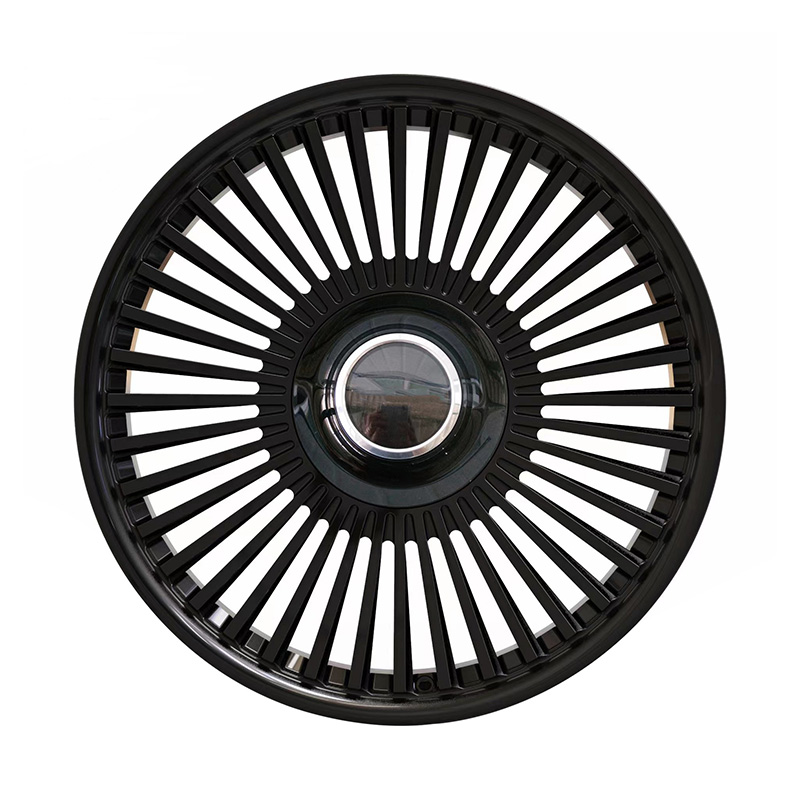
Zhenlun Monoblock Forged Wheels Gloss Black Dense Multi Spoke



Wechat QR code
IAN

JNZL

CONTACT Us
Mobile Site
Copyright© Taizhou Zhenlun Technology Co., Ltd. All Rights Reserved
