
 0
0

 English
 Español
Submit
Submit feedback
What Role Does The Deep Concave Wheel Play In Modern Vehicle Modification?
2025-12-05
The Visual Appeal Of Deeply Recessed Wheel Rims
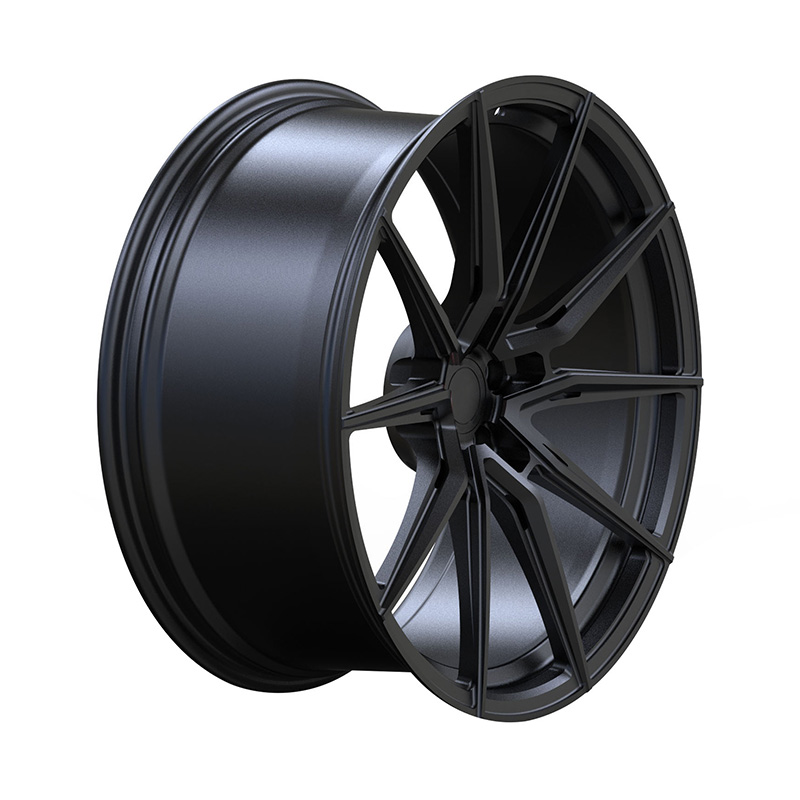
The deep concave wheel is both a visual shorthand and a technical statement in modern vehicle modification. At its simplest, "deep concave"describes a wheel whose spokes sweep inward dramatically from the rim lip toward a recessed center, producing a pronounced three-dimensional profile when viewed head-on. That visual depth has driven the wheel’s adoption across multiple modification cultures — from Japanese JDM builds and Euro stance cars to high-end sports and luxury performance tuning — because it reads as aggressive, purposeful, and modern. This aesthetic function is the most immediate role the deep concave wheel plays: it changes the perceived attitude of the car, lowering its visual center and delivering the "planted"look tuners value.
A Design Balance That Combines Aesthetics And Structure
Beyond pure looks, deep concave wheels operate at the intersection of fitment fashion and engineering constraints. Achieving a severe concave profile usually requires specific design choices: greater backspacing, careful spoke geometry, and often wider wheel widths. That affects tire choice, suspension clearance, and brake packaging — so fitment becomes a technical exercise as much as a style decision. For the stance and show scenes, concave wheels allow builders to push aggressive offsets and flush ride heights while keeping the visual of a wide lip and deep center. Conversely, for performance builds the concave profile can be advantageous or problematic depending on application; it sometimes enables larger brakes and clearance but can complicate load distribution and increase unsprung mass if not manufactured with lightweight technologies.
Manufacturing Technology Drives The Evolution Of Aesthetics
The manufacturing revolution — forging, flow-forming, and multi-piece construction — made extreme concavity practical without a prohibitive weight penalty. Years ago, very deep profiles were typically heavy cast pieces; modern forging and flow-forming produce stronger, thinner sections that keep weight down while allowing the dramatic geometry enthusiasts desire. This technical progress is a second key role: deep concave wheels became possible and safe at scale because production technologies matured, letting tuners and OEMs offer concave designs that meet performance and durability standards. That manufacturing story also explains why concave looks filtered up from niche tuners into mainstream aftermarket catalogs.
The Shift From Historical Trends To Modern Aesthetics
Historically, wheel fashion has oscillated between visible lip (deep-dish) aesthetics and recessed, concave faces. In the 1980s and 1990s deep lips were a hallmark of certain scenes (e.g., classic BBS RS on European cars). Over the last decade the pendulum swung toward concave wheels as designers emphasized three-dimensional center profiles and aggressive spokes that complement lowered cars and wide fits. That shift was amplified by social media and online communities where striking photos and short videos reward cars with dramatic wheel stances, accelerating concave wheels'rise to prominence. In short: the concave wheel’s history is one of evolving taste, enabled by production techniques and amplified by visual.
The Clash Between Contemporary Popularity And New Energy Trends
Popularity, however, is not static. In 2024–2025 many sources still note concave designs dominating the aftermarket and being a safe go-to for tuners of sports cars and luxury sedans; they remain common on show cars, track builds, and many custom projects. Yet an important countertrend emerged as electric vehicles (EVs) and aerodynamic efficiency began to shape OEM and aftermarket priorities. EV buyers and some manufacturers prefer flatter, aerodynamically optimized wheels to reduce drag and preserve range, and a rising design language around minimalism and closed spokes is nudging wheel styling away from extreme concavity in some segments. Commentators in the tuning press and industry trend pieces even argue that concave "peaked"styles are giving way to monoblock minimalism or aero-focused designs in certain markets. Thus, the role of deep concave wheels today is dual: still a dominant aesthetic choice in many enthusiast pockets, but increasingly balanced by practical aerodynamic and EV-driven considerations in new car design.
Practical Application Considerations With Both Advantages And Disadvantages
Practical tradeoffs shape how and where concave wheels are used. Advantages include an aggressive stance, the potential for greater brake clearance, and a strong visual identity; disadvantages include fitment complexity, potential for higher cost (especially when forged), and in some cases aerodynamic penalties for vehicles where drag and efficiency matter. For builders who prioritize appearance and handling feel, concave wheels remain a favored upgrade; for those prioritizing efficiency, noise, or OEM compatibility (especially EV owners), flatter or aero wheels may be preferable. This balancing act is the third major role: deep concave wheels act as a design lever — a deliberate compromise between looks, performance, and engineering constraints that builders choose based on goals.
recommend products
-
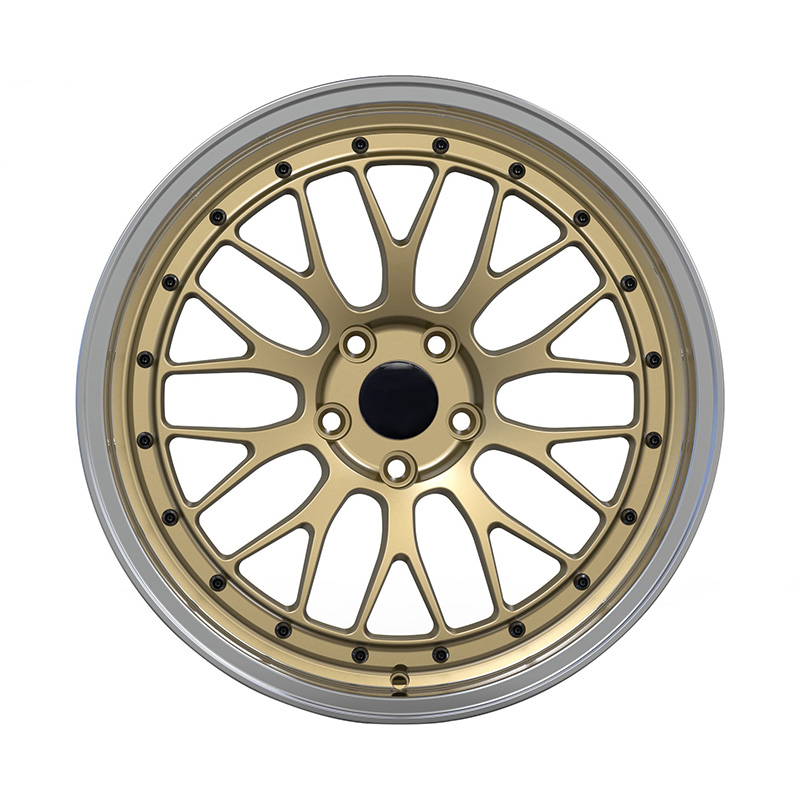


Zhenlun Multi Spokes Split Monoblock Forged Wheels Bronze With Silver Lip Edge
-
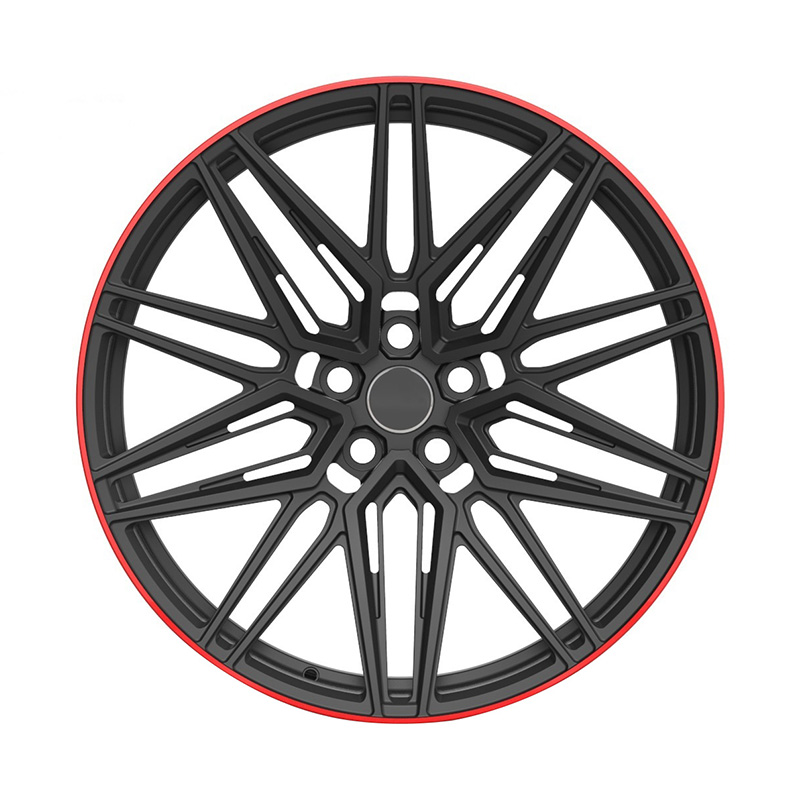
Zhenlun Matt Black With Red Lip Monoblock Forged Wheels
-
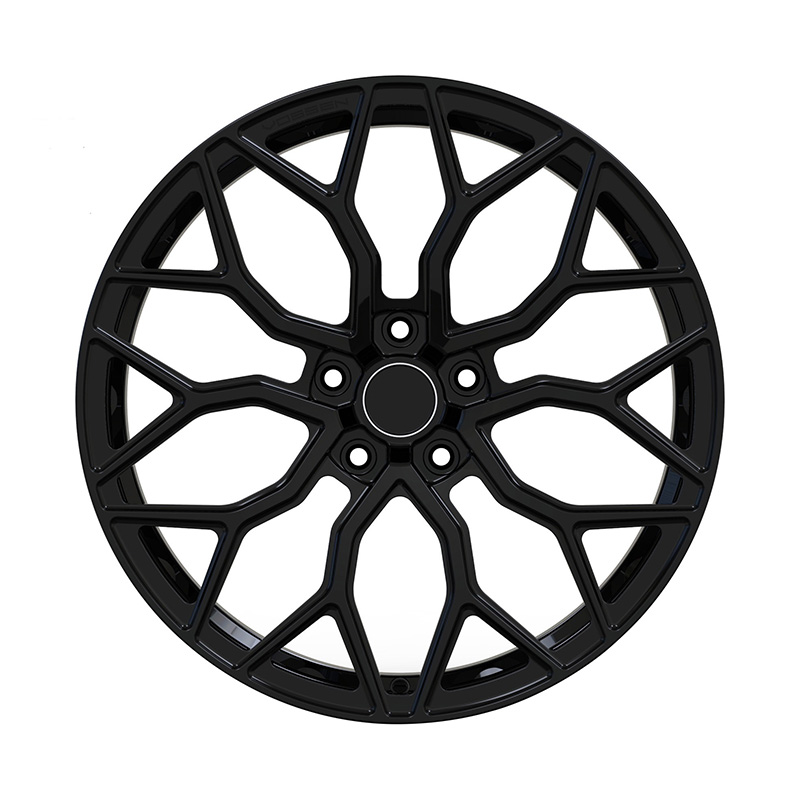
Zhenlun Gloss Black Monoblock Forged Wheels Gloss Black For Sports Car
-
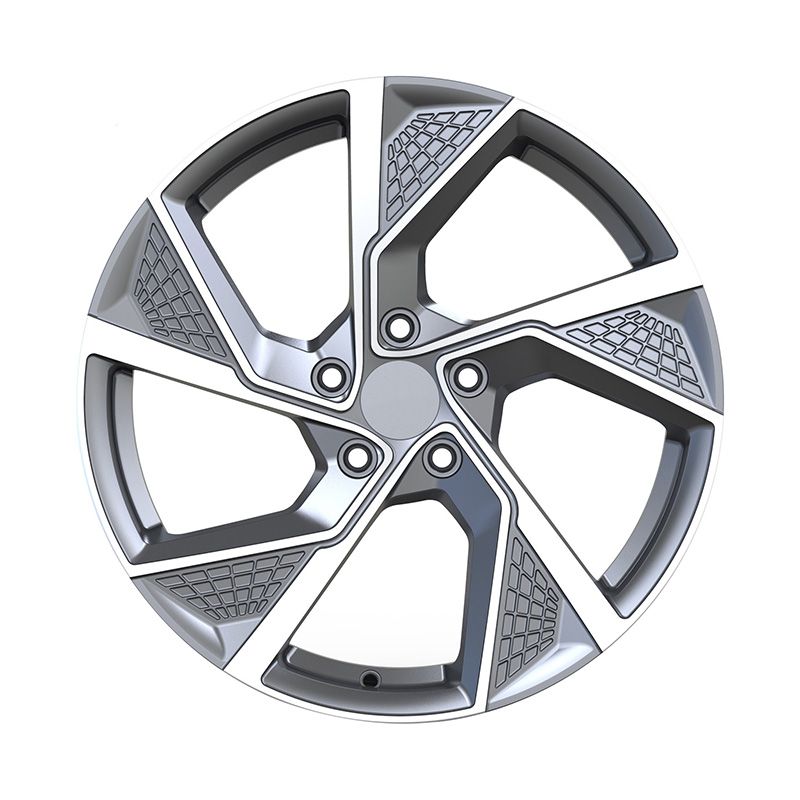
Zhenlun Monoblock Forged Wheels Lightgrey With Machined Face
-
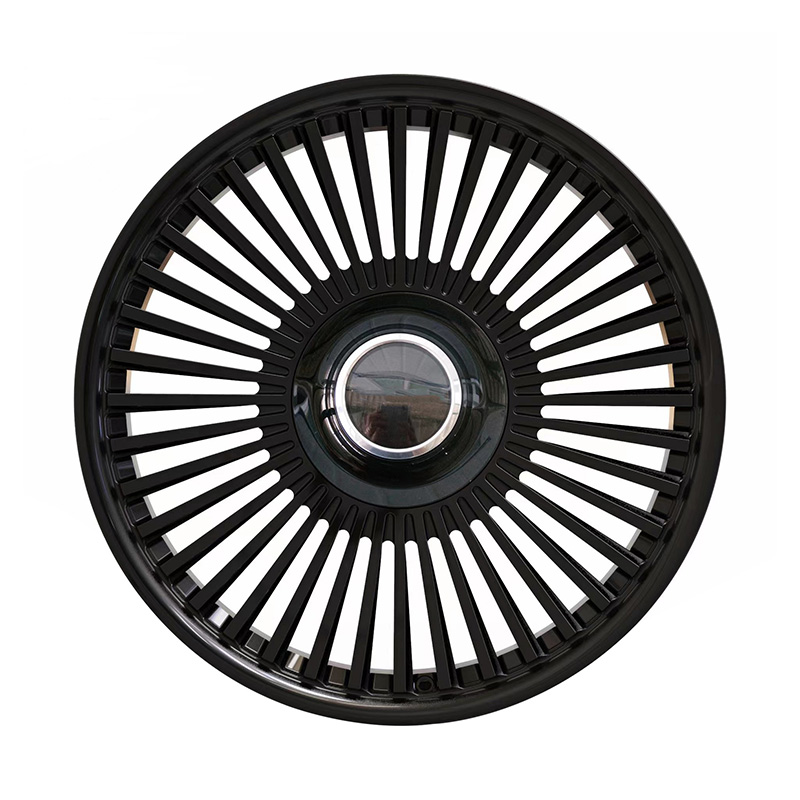
Zhenlun Monoblock Forged Wheels Gloss Black Dense Multi Spoke



Wechat QR code
IAN

JNZL

CONTACT Us
Mobile Site
Copyright© Taizhou Zhenlun Technology Co., Ltd. All Rights Reserved
