
 0
0

 English
 Español
Submit
Submit feedback
Current Trends in Automotive Aluminum Alloy Wheel Modifications
2025-12-12
How Is Lightweighting Influencing Aluminum Alloy Wheel Designs?
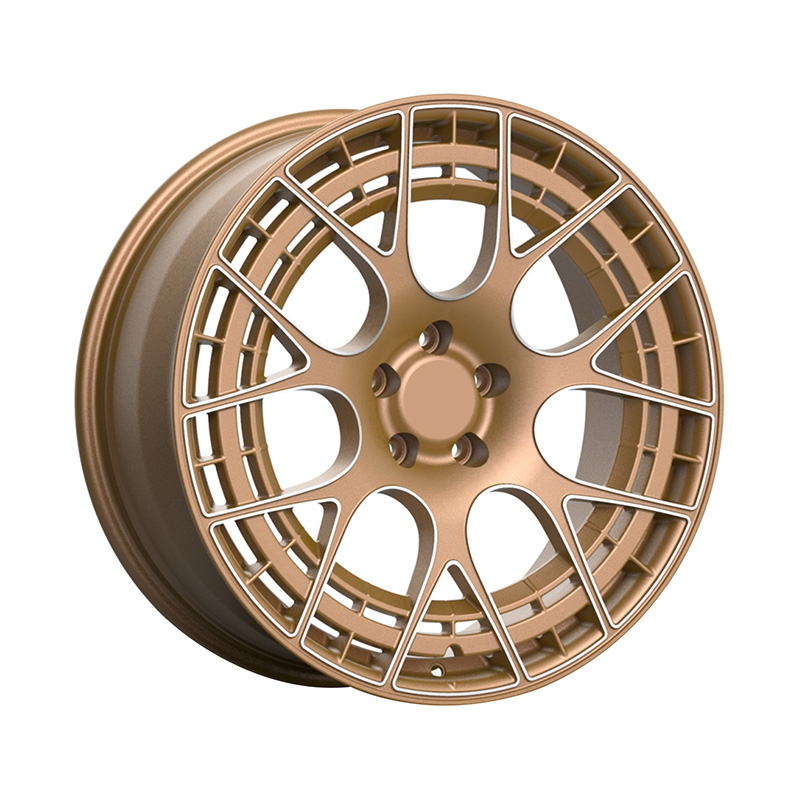
Lightweighting is a key factor in modern automotive modifications, and it has a notable impact on aluminum alloy wheel design. Reducing the weight of wheels can improve fuel efficiency, handling, and braking performance without compromising structural integrity. In practice, this involves:
Material Optimization:
Using high-strength aluminum alloys to maintain durability while reducing weight.
Incorporating advanced casting or forging techniques to create thinner, stronger spokes.
Design Innovation:
Multi-spoke and hollow designs that reduce overall mass.
Balancing aesthetic appeal with functional strength to meet driver preferences.
Performance Enhancement:
Lighter wheels reduce unsprung mass, improving ride quality and handling.
Decreased rotational inertia contributes to smoother acceleration and braking response.
Automotive enthusiasts and professional tuners are increasingly favoring aluminum alloy wheels that provide both functional benefits and a visually appealing design.
Which Finishes and Aesthetic Options Are Gaining Popularity?
Aesthetic customization remains a central trend in the aluminum alloy wheel market. Vehicle owners often look for finishes that align with their personal style or the overall design of the vehicle. Current trends include:
Color Coatings:
Matte, satin, and metallic finishes for a contemporary look.
Powder coating provides durability and resistance to corrosion.
Two-Tone and Custom Patterns:
Contrasting colors between spokes and rim lips create visual depth.
Laser-etched or machined patterns add a unique element to standard wheels.
Chrome and Polished Surfaces:
Highly reflective surfaces remain popular among certain automotive subcultures.
Polishing techniques combined with protective coatings prevent oxidation and maintain shine.
Integration with Vehicle Design:
Wheels are increasingly designed to complement body lines, lighting, and brake calipers.
Customization options allow owners to match wheels with other aftermarket modifications.
These aesthetic considerations are often paired with lightweight designs to produce wheels that appeal to both performance and visual standards.
How Are Technological Developments Shaping Wheel Production?
Advances in manufacturing and material technology are influencing aluminum alloy wheel trends. New processes allow for more precise, stronger, and lighter wheels:
Forging Technology:
Produces denser and more uniform alloy structures compared with traditional casting.
Supports thinner spoke designs without compromising load-bearing capacity.
Computer-Aided Design (CAD):
Engineers can simulate stress distribution and optimize spoke geometry.
Digital design reduces trial-and-error processes, more efficient production.
Surface Treatment Innovations:
Nanocoatings and advanced anodizing enhance corrosion resistance.
Techniques that improve scratch resistance extend the wheel’s lifespan.
3D Printing and Prototype Testing:
Rapid prototyping allows for testing complex designs before full-scale production.
Facilitates limited edition or highly customized wheels for niche markets.
These technologies support trends in both performance optimization and aesthetic refinement.
Which Market Segments Are Driving Aluminum Alloy Wheel Modifications?
The automotive modification market is influenced by several key segments that create demand for aluminum alloy wheels:
Aftermarket Enthusiasts:
- Vehicle owners seeking both performance and visual upgrades.
- Tend to prefer wheels that are unique, lightweight, and visually striking.
Tuning and Motorsport:
- Race teams and professional tuners require wheels with optimized weight and strength.
- Wheels are selected to meet strict performance and safety standards.
OEM Partnerships:
- Car manufacturers offer aluminum alloy wheels as part of trim packages.
- OEM wheels often set trends that influence aftermarket modifications.
Urban and Lifestyle Markets:
- Consumers interested in personalization for daily drivers.
- Focus on finishes, color combinations, and wheel size adaptations.
The interplay of these market segments shapes both the functional and aesthetic aspects of aluminum alloy wheels, creating a diverse array of options for consumers and businesses.
recommend products
-
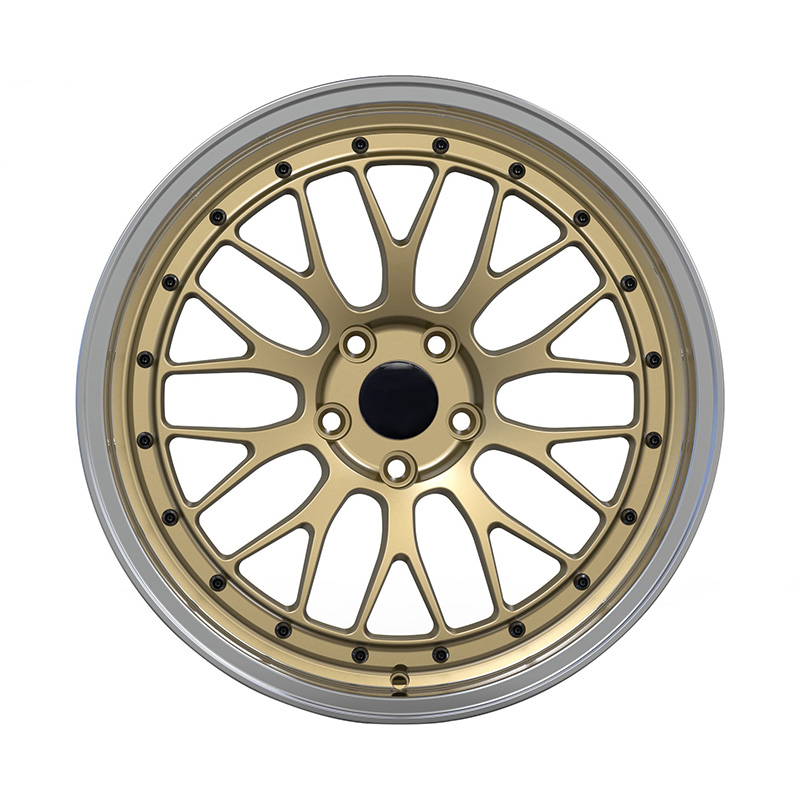


Zhenlun Multi Spokes Split Monoblock Forged Wheels Bronze With Silver Lip Edge
-
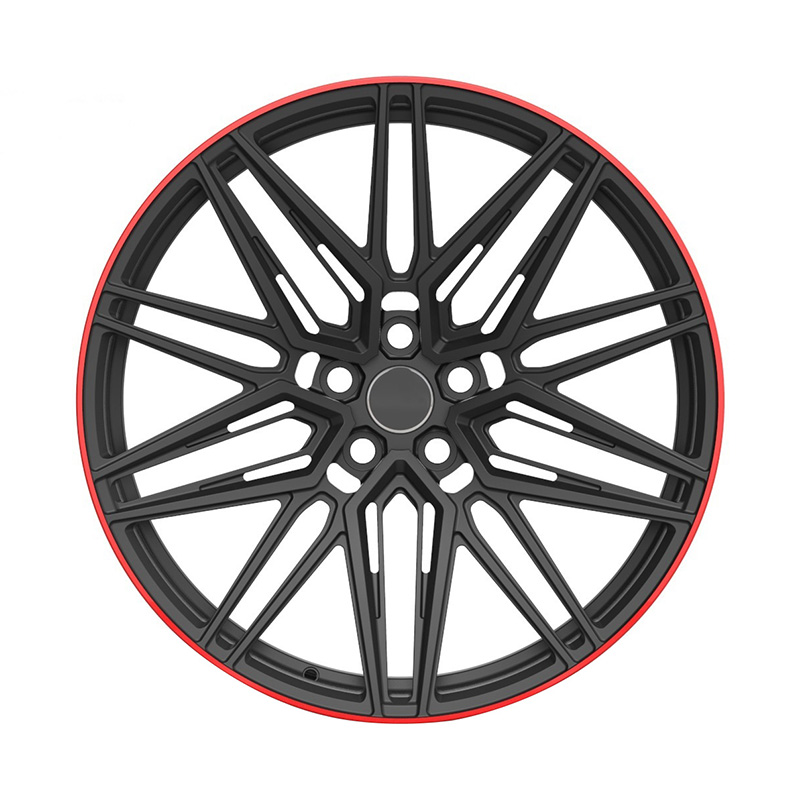
Zhenlun Matt Black With Red Lip Monoblock Forged Wheels
-
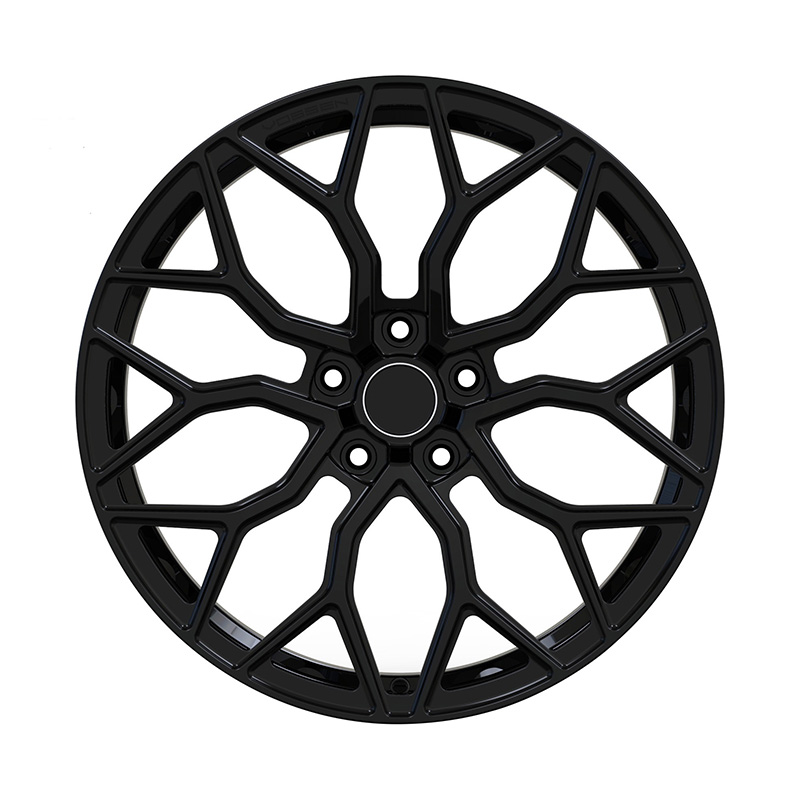
Zhenlun Gloss Black Monoblock Forged Wheels Gloss Black For Sports Car
-
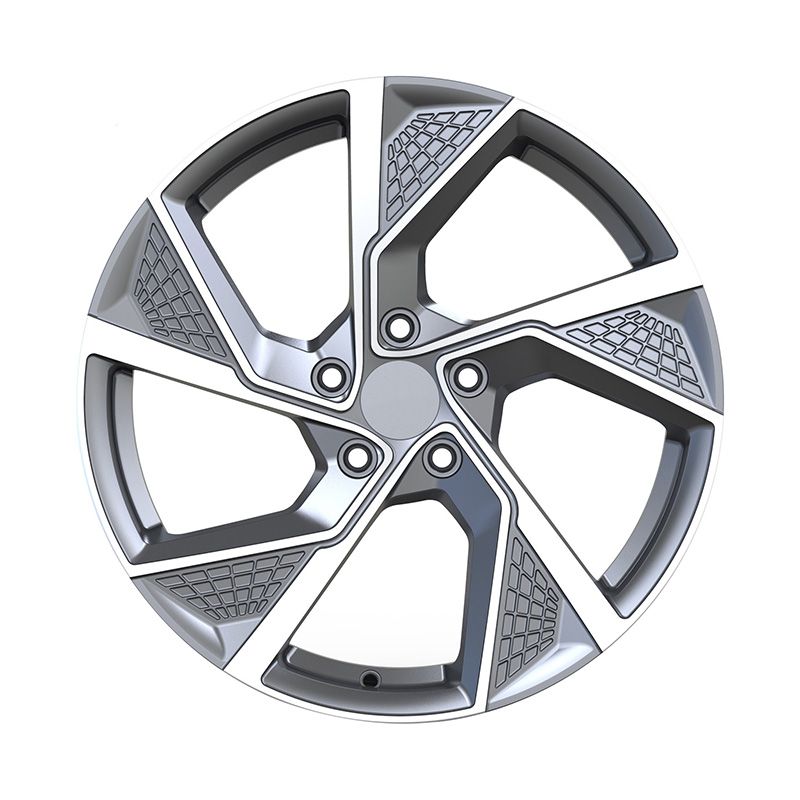
Zhenlun Monoblock Forged Wheels Lightgrey With Machined Face
-
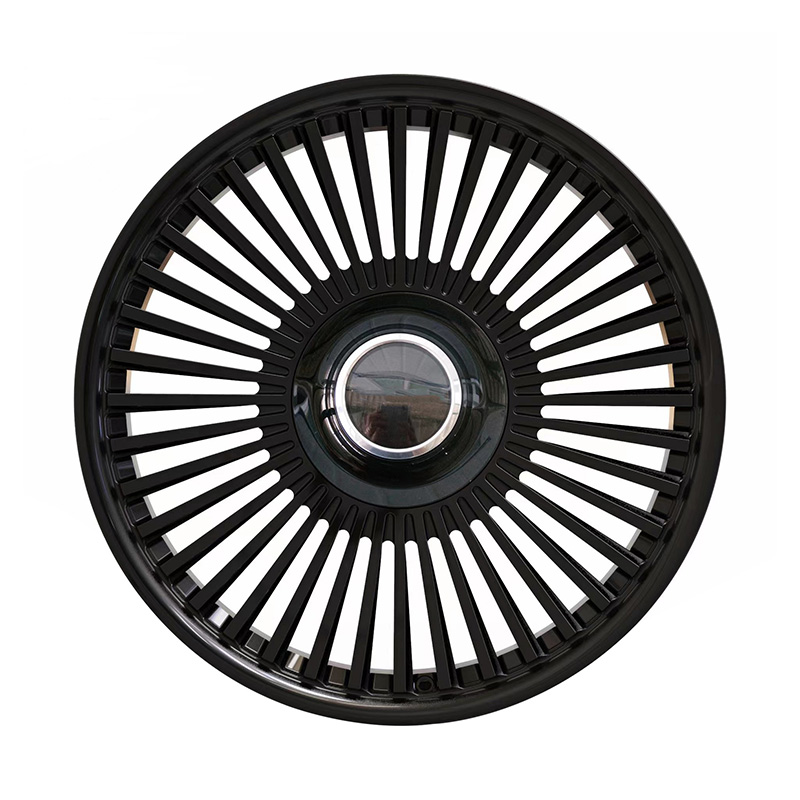
Zhenlun Monoblock Forged Wheels Gloss Black Dense Multi Spoke



Wechat QR code
IAN

JNZL

CONTACT Us
Mobile Site
Copyright© Taizhou Zhenlun Technology Co., Ltd. All Rights Reserved
