
 0
0

 English
 Español
Submit
Submit feedback
Options Offered by Custom Forged Wheels in Automotive Modification
2025-12-19
How Do Size and Fit Influence Custom Forged Wheel Choices?
Custom forged wheels provide consumers with flexibility in size and fit, allowing them to adapt the wheels to specific vehicle requirements.
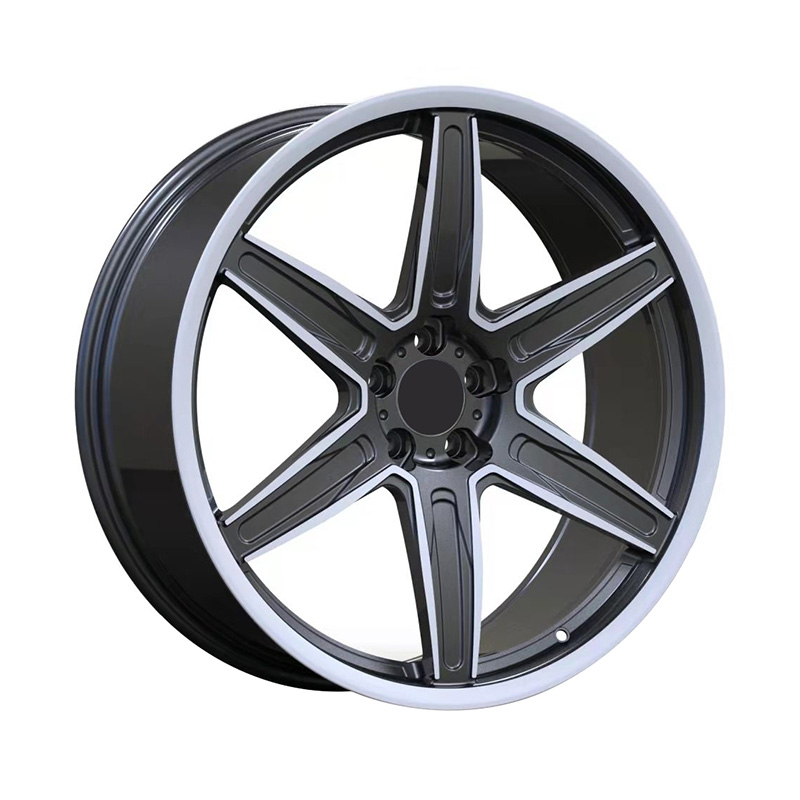
Options related to size include diameter, width, and offset, all of which impact the vehicle’s appearance, handling, and performance:
Diameter:
Ranges from smaller sizes for compact vehicles to larger sizes for SUVs or sports cars.
Larger diameters can improve visual impact but may slightly affect ride comfort.
Width:
Wider wheels can accommodate larger tires, offering improved traction.
Narrower wheels may reduce weight and improve fuel efficiency for certain applications.
Offset and Backspacing:
Determines how far the wheel sits in relation to the hub.
Proper offset ensures clearance for suspension components, brakes, and fenders.
These sizing options allow automotive enthusiasts to customize both the functional and visual aspects of their vehicles.
Which Material and Finish Options Are Available?
Custom forged wheels are crafted from high-quality aluminum alloys, and manufacturers offer various finishes that can complement the vehicle’s overall style:
Materials:
Aluminum alloys are common due to their combination of strength, weight reduction, and corrosion resistance.
Some designs incorporate additional treatments to enhance durability under high stress.
Finishes:
Painted finishes in matte, gloss, or metallic tones provide aesthetic variety.
Polished or machined surfaces enhance visual appeal and highlight wheel contours.
Powder coating adds a protective layer against minor scratches and environmental factors.
Customization Features:
Two-tone finishes allow contrast between spokes and rim edges.
Etched logos or designs can personalize the wheel to a vehicle owner’s preferences.
These material and finish options enable consumers to balance visual style with functional requirements.
What Design and Spoke Configuration Choices Are Offered?
Custom forged wheels also offer a wide range of design options, which influence both strength and visual presentation:
Spoke Patterns:
Multi-spoke, Y-spoke, mesh, and split-spoke designs allow for varied visual styles.
Spoke design also affects wheel weight distribution and rigidity.
Wheel Lip and Rim Design:
Deep lip wheels provide a more aggressive appearance.
Concave and convex profiles change the perception of wheel depth and vehicle stance.
Center Cap and Hub Options:
Center caps can be customized with logos or unique designs.
Hub-centric configurations improve alignment and reduce vibration.
Through design options, consumers can modify the visual impact of their vehicle while maintaining functional balance and weight distribution.
How Do Performance and Application Considerations Shape Wheel Selection?
In addition to visual and design choices, custom forged wheels are selected based on performance requirements and specific vehicle applications:
Weight Reduction:
Forged wheels are generally lighter than cast wheels of equivalent size.
Reduced unsprung weight improves handling, acceleration, and braking efficiency.
Strength and Durability:
Forging processes produce dense, uniform metal, which improves resistance to bending or cracking.
Wheels can withstand higher stress, making them suitable for track or off-road use.
Tire Compatibility and Vehicle Type:
Wheels can be designed to accommodate specific tire widths and types.
Options are available for sedans, sports cars, SUVs, and off-road vehicles.
Track and Road Performance:
Forged wheels can improve cornering response and stability in high-performance vehicles.
They are suitable for both daily driving and more demanding driving conditions.
By considering performance, application, and vehicle type, consumers can select forged wheels that meet functional needs while complementing vehicle aesthetics.
These options allow vehicle owners to tailor wheels to their personal preferences, specific vehicle requirements, and intended driving conditions. Size and fit adjustments affect handling and appearance, while material and finish choices combine functionality with visual appeal. Design variations, including spoke patterns and rim profiles, influence both the aesthetic and structural characteristics of the wheel. Finally, performance considerations such as weight reduction, strength, and tire compatibility allow consumers to optimize their vehicles for handling, acceleration, and stability. The combination of these options ensures that custom forged wheels remain a versatile and practical choice for automotive modification enthusiasts seeking to balance appearance, performance, and durability.
recommend products
-
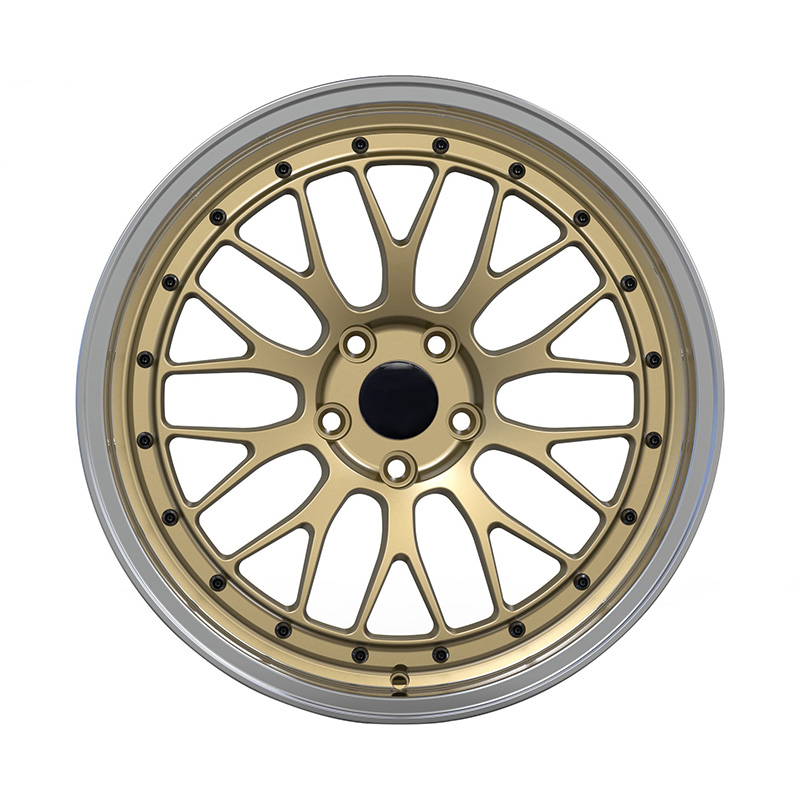


Zhenlun Multi Spokes Split Monoblock Forged Wheels Bronze With Silver Lip Edge
-
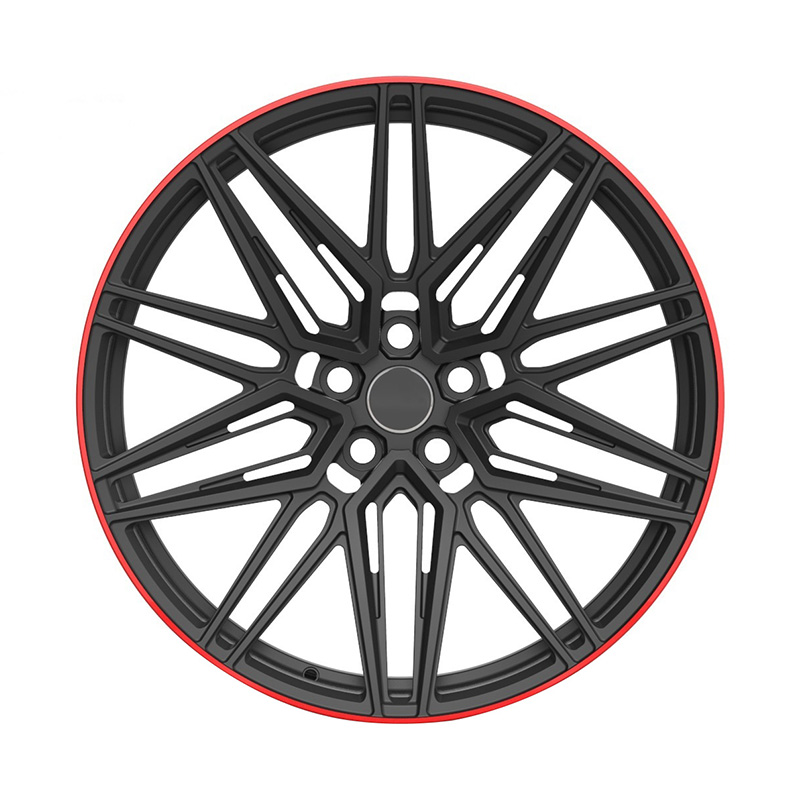
Zhenlun Matt Black With Red Lip Monoblock Forged Wheels
-
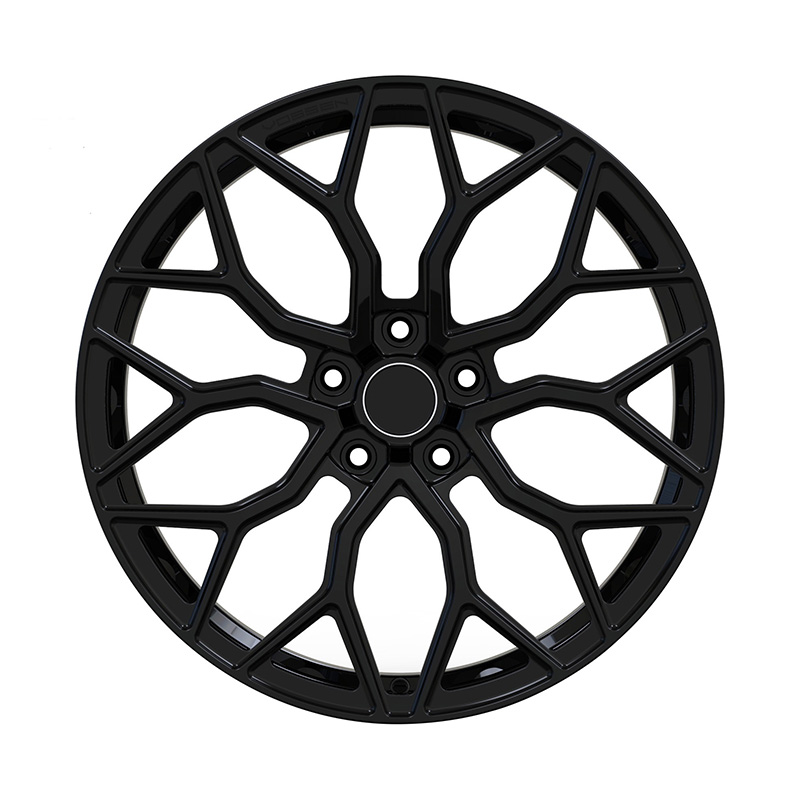
Zhenlun Gloss Black Monoblock Forged Wheels Gloss Black For Sports Car
-
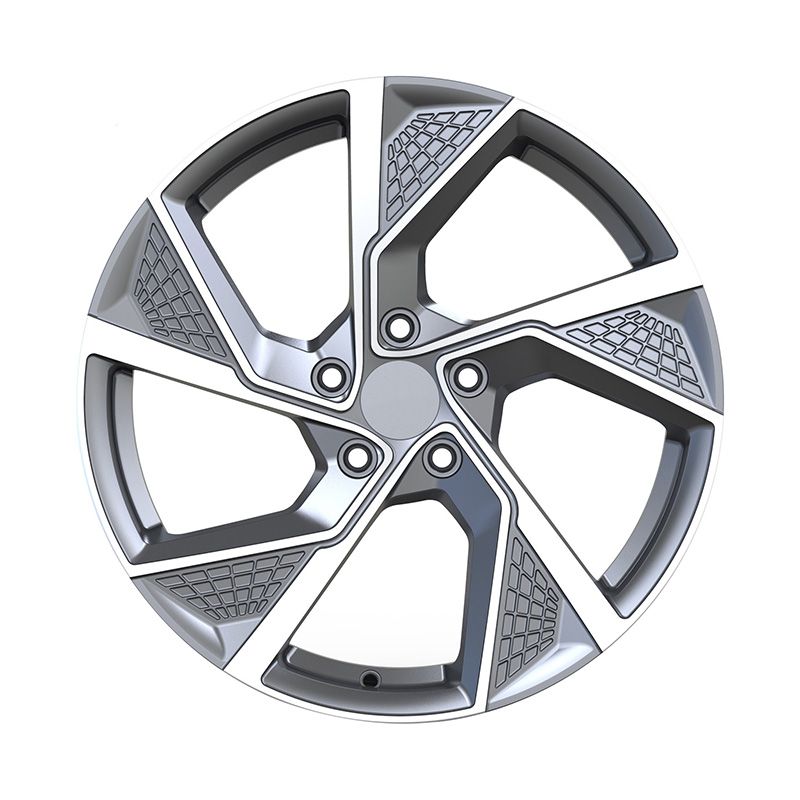
Zhenlun Monoblock Forged Wheels Lightgrey With Machined Face
-
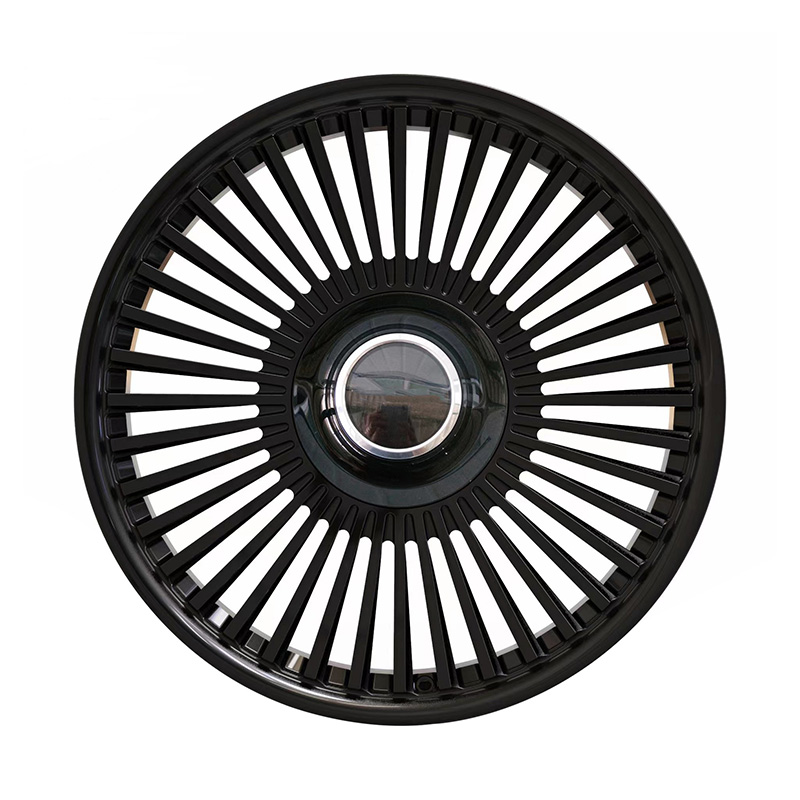
Zhenlun Monoblock Forged Wheels Gloss Black Dense Multi Spoke



Wechat QR code
IAN

JNZL

CONTACT Us
Mobile Site
Copyright© Taizhou Zhenlun Technology Co., Ltd. All Rights Reserved
