
 0
0

 English
 Español
Submit
Submit feedback
Different Modifications of Monoblock Forged Wheels Worldwide
2025-12-26
Monoblock forged wheels are manufactured from a single block of metal, typically aluminum or an aluminum alloy, using high-pressure forging. The process increases the metal’s density, improving structural integrity and fatigue resistance. Different regions and car models, however, have specific requirements that influence the modifications and designs of monoblock forged wheels. These modifications address factors such as road conditions, climate, vehicle performance, and aesthetic preferences.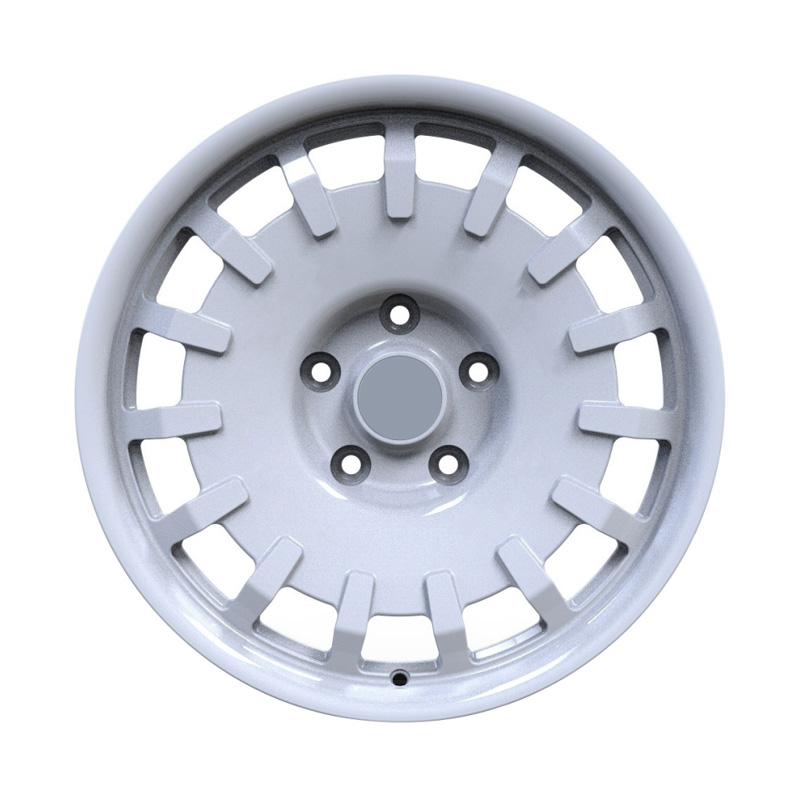
How do regional road conditions influence monoblock forged wheel modifications?
Monoblock forged wheels are adapted to suit local driving conditions, which differ widely across countries and continents. Key modifications include:
Impact resistance adjustments – In regions with rough or uneven roads, wheels may be designed with slightly thicker spoke sections or reinforced rim edges to withstand frequent potholes or uneven surfaces.
Corrosion protection – Areas with high humidity, frequent rain, or the use of road salts require wheels with specialized coatings, such as anodized layers or powder coatings, to prevent oxidation and corrosion.
Weight optimization – In regions with smooth highways, wheels may emphasize weight reduction to improve fuel efficiency and vehicle handling rather than durability.
Heat dissipation – In hot climates or regions with high-performance driving cultures, wheels may include specific spoke designs to enhance airflow and dissipate heat generated by braking systems.
These regional adaptations ensure that the wheels perform reliably under local environmental and operational conditions.
What vehicle types influence monoblock forged wheel modifications?
Car model specifications are a major factor in wheel design and modification. Each vehicle type places different demands on the wheel, affecting structure and aesthetics.
Passenger cars – Lightweight vehicles may utilize thinner spoke designs or more intricate patterns to reduce unsprung mass and improve handling. Rim width and offset are also adjusted to maintain proper alignment with suspension geometry.
Sports and performance cars – These models often require wheels capable of handling higher speeds and cornering forces. Modifications include reinforced spoke areas, larger diameter options, and specific hub designs for optimized brake clearance.
SUVs and off-road vehicles – Wheels for these vehicles are typically modified with stronger, thicker structures to endure heavier loads and off-road impacts. Reinforced bead seats and additional structural ribs are common adaptations.
Luxury vehicles – In addition to performance requirements, aesthetics are emphasized. Wheels may feature polished or machined surfaces, multiple finishes, and custom patterns to complement the vehicle’s styling.
By aligning wheel design with vehicle requirements, manufacturers can balance safety, performance, and visual appeal.
How do regional aesthetic preferences impact monoblock forged wheel designs?
Consumer taste varies significantly across regions, influencing wheel patterns, finishes, and colors.
Europe – In many European countries, minimalist spoke designs with neutral finishes, such as silver, gunmetal, or matte black, are favored for both sports and passenger vehicles.
North America – Larger wheels with bold spoke patterns and polished or chrome finishes are popular, particularly for SUVs and pickup trucks.
Asia – Japanese and South Korean markets often prefer intricate, multi-spoke designs for sedans and compact cars, while luxury vehicle owners may select colored accents or dual-tone finishes.
Middle East – Wheels are commonly modified with premium finishes, polished edges, and larger diameters to align with local luxury car preferences and road conditions.
These aesthetic considerations ensure that wheels appeal to buyers while meeting regional design trends.
How do regulations and performance standards affect monoblock forged wheel modifications?
Different regions maintain specific safety, performance, and manufacturing standards that shape wheel modifications.
Load rating and safety standards – Wheels must comply with local load-bearing regulations, including weight limits, impact tests, and fatigue testing.
Tire compatibility – Rim width, diameter, and offset are modified to match commonly available tire sizes in a given market.
Environmental standards – Coatings and materials may be adapted to meet regulations on VOC emissions or environmental safety.
Performance certification – For high-performance or racing vehicles, wheels may need testing for rotational balance, braking heat endurance, and structural fatigue.
Compliance ensures that the wheels are safe and reliable across different driving conditions while aligning with regional regulatory requirements.
recommend products
-
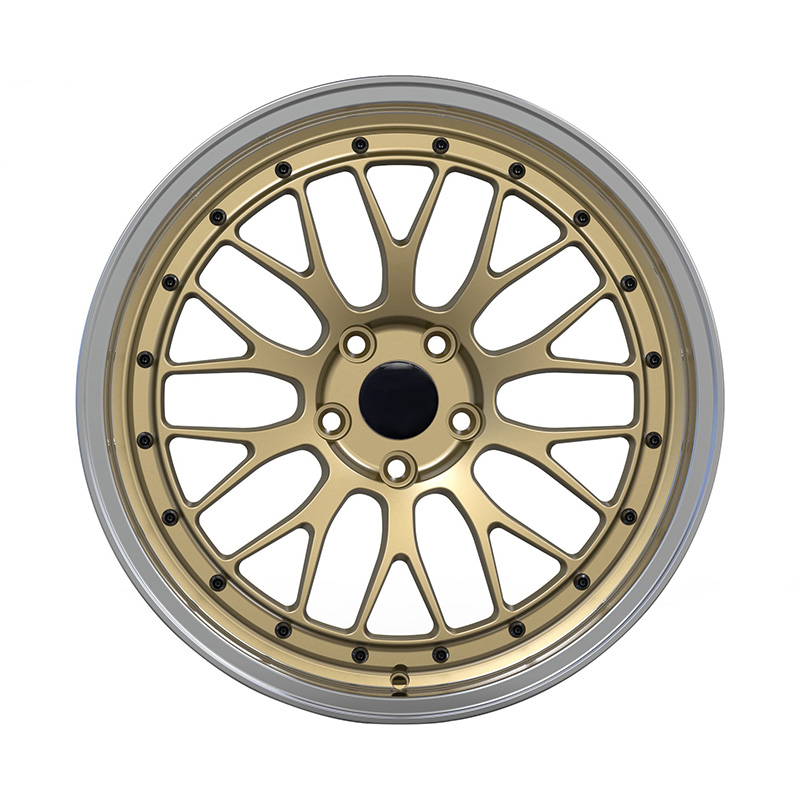


Zhenlun Multi Spokes Split Monoblock Forged Wheels Bronze With Silver Lip Edge
-
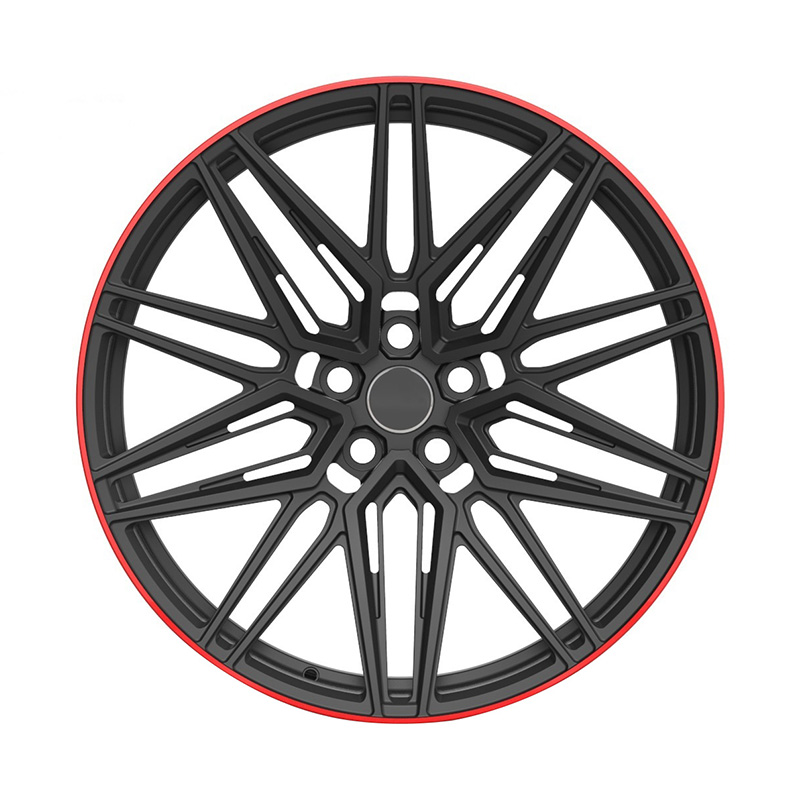
Zhenlun Matt Black With Red Lip Monoblock Forged Wheels
-
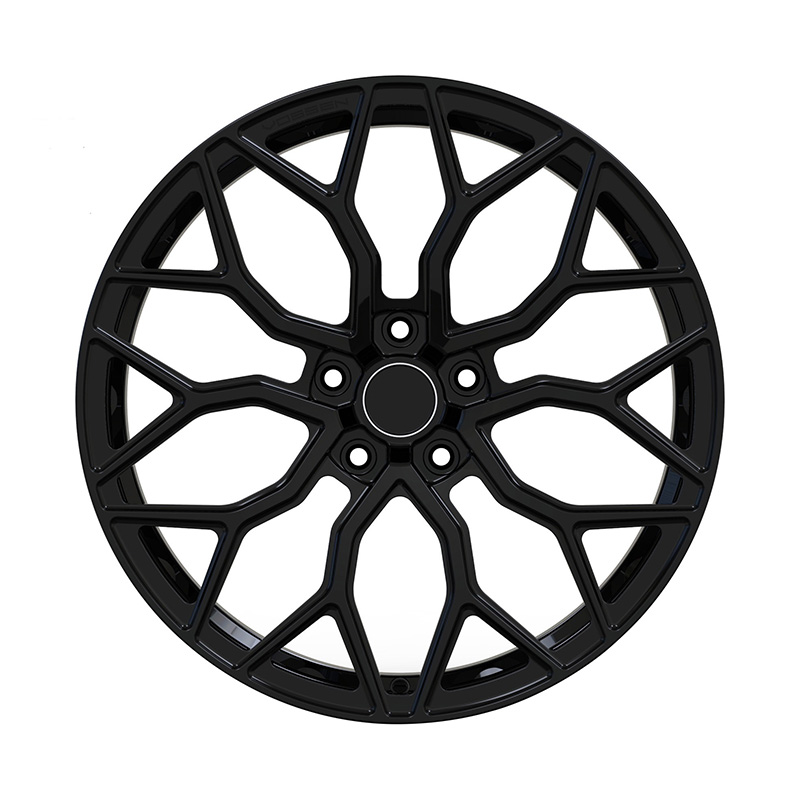
Zhenlun Gloss Black Monoblock Forged Wheels Gloss Black For Sports Car
-
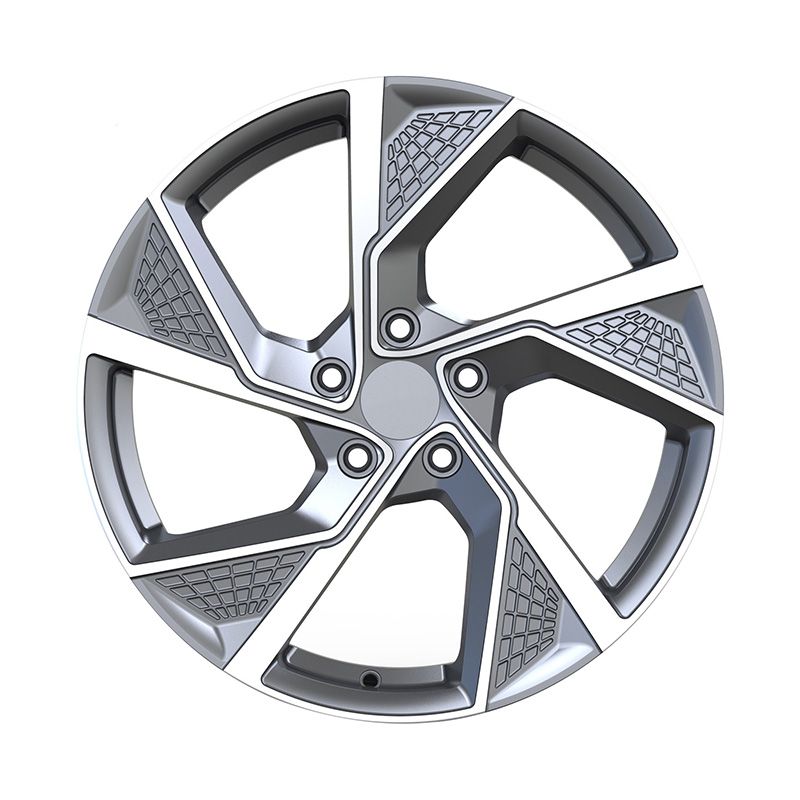
Zhenlun Monoblock Forged Wheels Lightgrey With Machined Face
-
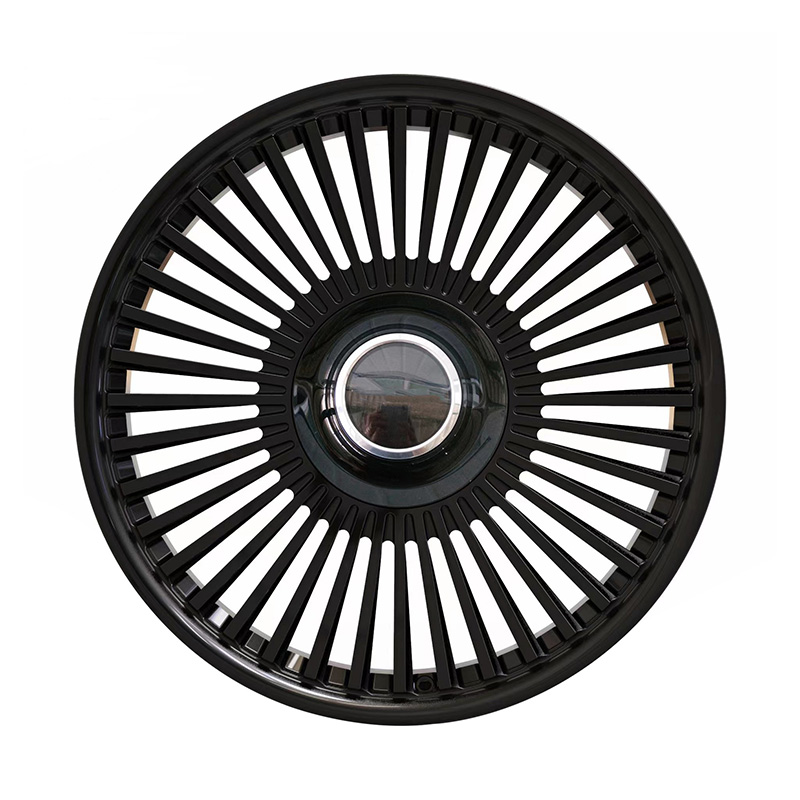
Zhenlun Monoblock Forged Wheels Gloss Black Dense Multi Spoke



Wechat QR code
IAN

JNZL

CONTACT Us
Mobile Site
Copyright© Taizhou Zhenlun Technology Co., Ltd. All Rights Reserved
