
 0
0

 English
 Español
Submit
Submit feedback
Why Forged Aluminum Alloy Wheels Still Crack on Potholes
2026-07-03
Forged wheels carry a strong reputation in the automotive world. Many drivers connect forging with extreme strength, lighter weight, and racing-level durability. Reality is more nuanced. A forged wheel can still develop cracks after a sharp pothole impact, especially under specific structural and usage conditions. The issue is rarely about “weak material.” It is more about how energy travels through a rigid structure and concentrates at stress points.
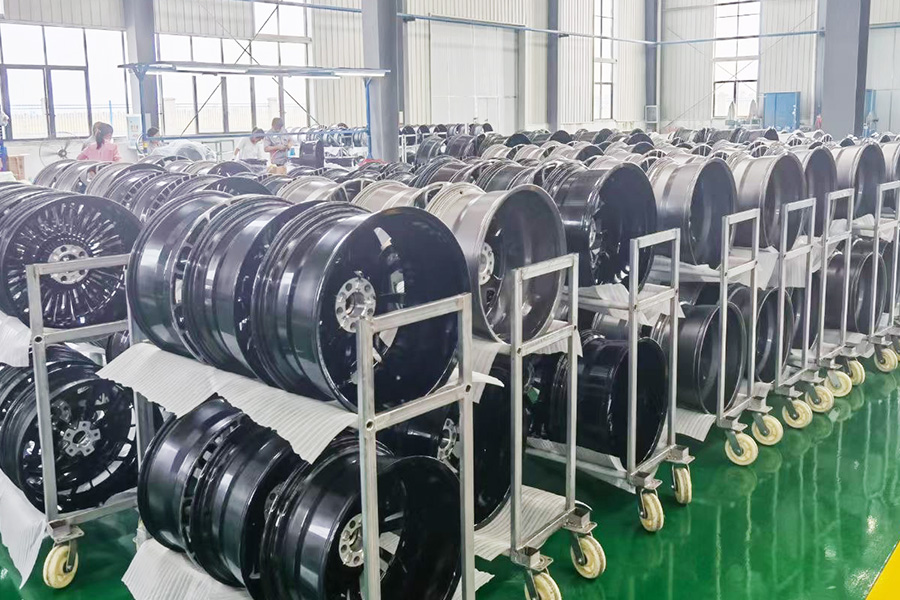
Impact Energy Does Not Disappear, It Moves Into the Wheel Structure
A pothole strike delivers a sudden vertical force into a very small contact area. That force does not spread evenly. Instead, it travels through:
- Tire sidewall compression zone — absorbs initial shock but reaches saturation quickly
- Wheel bead seat region — transfers load directly into rim structure
- Spoke root junctions — stress concentration points where geometry changes abruptly
A forged structure is stiff by design. That stiffness improves steering precision but reduces the ability to deform slightly under extreme impact. Once the elastic limit is exceeded, the material shifts from deformation behavior into fracture behavior.
Why Forging Does Not Eliminate Crack Risk
Forged aluminum alloy wheels are made by compressing billet aluminum under extremely high pressure, refining grain structure and increasing density. This improves strength, but it does not remove fatigue physics. Key limitation points:
- No material fatigue immunity — aluminum alloys accumulate micro-damage over cycles
- Absence of ductile “warning deformation” under severe impact conditions
- Localized stress concentration still exists at spoke roots and hub transitions
Engineering studies on 6061 forged aluminum wheel hubs show that crack initiation often begins at microscopic stress zones where repeated loading and impact intersect, rather than from a single visible defect.
Common Crack Locations on Forged Wheel Structures
Different wheel designs show different failure patterns, but recurring zones remain consistent:
- Inner barrel lip, where pothole impact directly compresses the rim edge
- Spoke base junction, where geometry changes create stress concentration
- Hub center bore region, exposed to cyclic load transfer from vehicle weight
- Valve hole area, a drilled interruption in continuous metal flow
Once a crack initiates in these areas, propagation accelerates under repeated load cycles. Aluminum alloys do not possess a true fatigue endurance limit, meaning damage can grow gradually even under moderate driving conditions.
Monoblock Forged Structure and Load Concentration Behavior
Monoblock forged wheels are carved from a single aluminum billet. This structure removes welds and joints, but geometry still dictates stress distribution. During pothole impact:
- Energy flows through continuous metal without interruption points
- Stiff spokes transmit load faster into hub center
- Outer rim edge experiences abrupt deceleration force
Because the structure is continuous, there is no “buffer interface.” That means stress redistribution happens instantly rather than gradually.
Concave Designs and Their Hidden Stress Trade-offs
Concave forged wheels are popular for styling, especially in performance and luxury segments. However, deeper concavity modifies spoke angle and load path. Structural behavior changes include:
- Longer spoke geometry increases bending moment under impact
- Reduced cross-sectional support at spoke midpoints
- Higher torque transfer concentration at hub interface
A deeper concave profile does not automatically reduce strength, but it redistributes where stress accumulates. Crack formation often shifts from rim edge toward spoke root zones in these designs.
Passenger Car Modification Use and Real-World Loading Conditions
Passenger car modification alloy wheels often operate outside original OEM load assumptions. Even high-grade forged products experience stress multiplication under real road conditions:
- Uneven urban pavement impact frequency
- High-speed expansion joint strikes
- Repeated curb contact micro-damage
Each event alone may not create visible damage. Combined over time, micro-structural weakening accumulates until a pothole impact triggers visible cracking.
Material Microstructure and Crack Initiation Physics
Forged aluminum alloys such as 6061 or 7075 rely on refined grain flow. This improves tensile strength, yet crack behavior is governed by micro-level imperfections. Key mechanisms include:
- Microvoid coalescence under high strain impact
- Slip band accumulation under cyclic loading
- Inclusion interaction at grain boundaries
Once microvoids link together, visible cracking appears almost instantly. This is why pothole damage often seems sudden even though internal weakening has been progressing over time.
Why “Aluminum Alloy Forged Wheel Rim Hub” Designs Still Fail Under Extreme Shock
Wheel hub integration systems distribute load between rim, spokes, and center bore. Even advanced designs cannot bypass basic physics:
- Load path convergence at hub center increases localized stress
- Radial impact forces exceed elastic recovery threshold during severe pothole hits
- Stress waves reflect internally at geometry transitions
Once structural limits are exceeded, crack propagation becomes faster in rigid forged structures compared to more ductile systems.
Driving Reality Versus Material Capability
Forged wheels are engineered for high performance conditions, not immunity from road abuse. Pothole environments introduce unpredictable force angles, depth variations, and sharp edges. Key takeaway points:
- Forging improves strength-to-weight ratio, not impact immunity
- Structural rigidity can increase crack visibility after overload
- Damage often originates from accumulated fatigue rather than a single event alone
Forged aluminum wheels remain one of the strongest solutions for performance and lightweight vehicle applications. Still, pothole impacts operate outside normal design assumptions. High-energy, localized shocks concentrate stress into specific geometric zones, especially around spokes, bead seats, and hub interfaces. The presence of an Aluminum Alloy Forged Wheel Rim Hub structure improves durability in controlled conditions, but does not remove the fundamental fatigue behavior of aluminum alloys. Crack formation is less about product weakness and more about stress concentration, material physics, and real-world road impact extremes.
recommend products
-
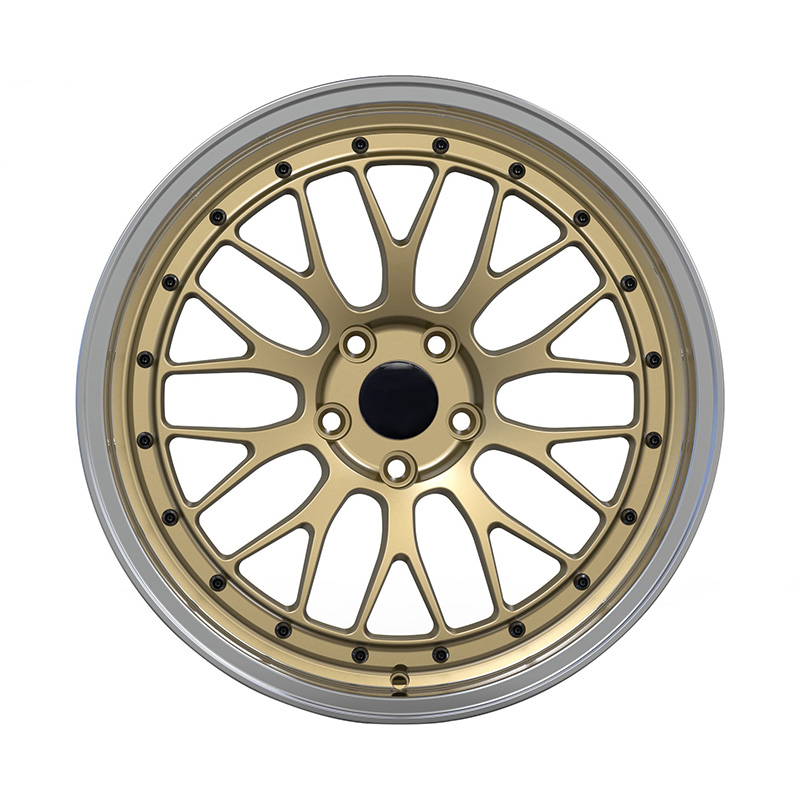


Zhenlun Multi Spokes Split Monoblock Forged Wheels Bronze With Silver Lip Edge
-
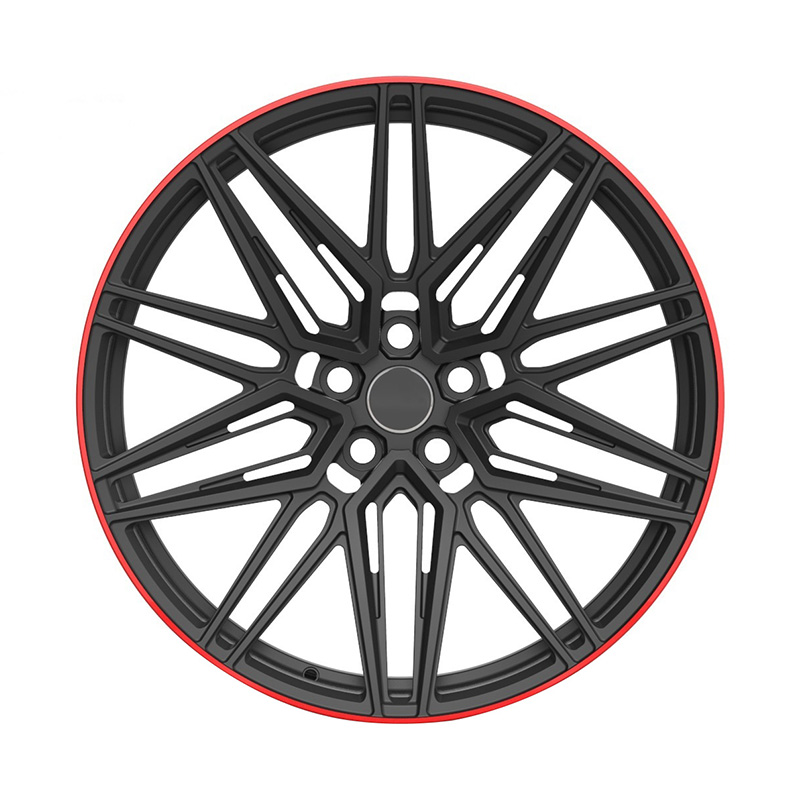
Zhenlun Matt Black With Red Lip Monoblock Forged Wheels
-
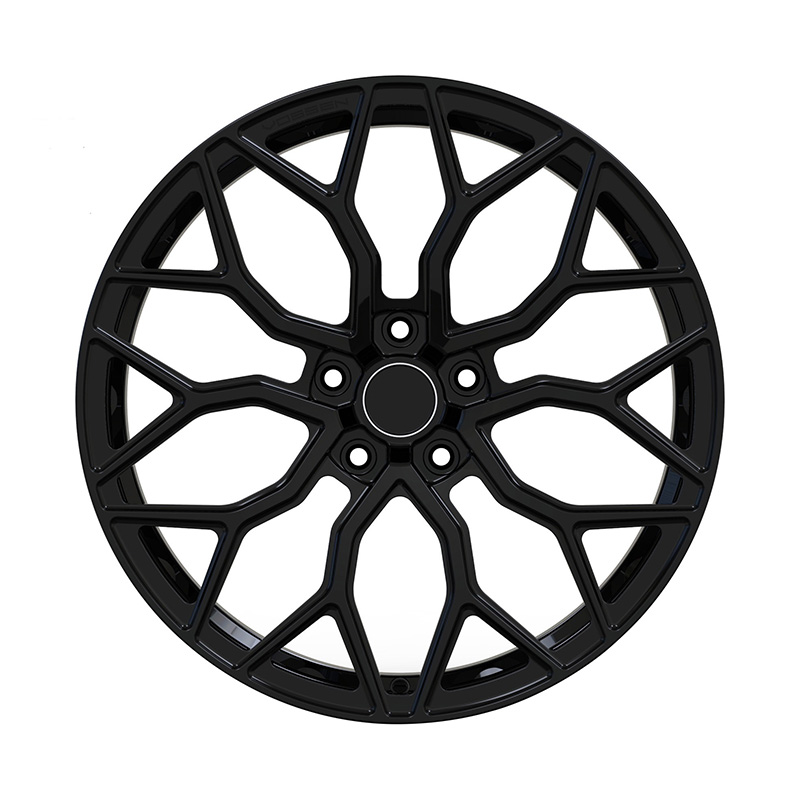
Zhenlun Gloss Black Monoblock Forged Wheels Gloss Black For Sports Car
-
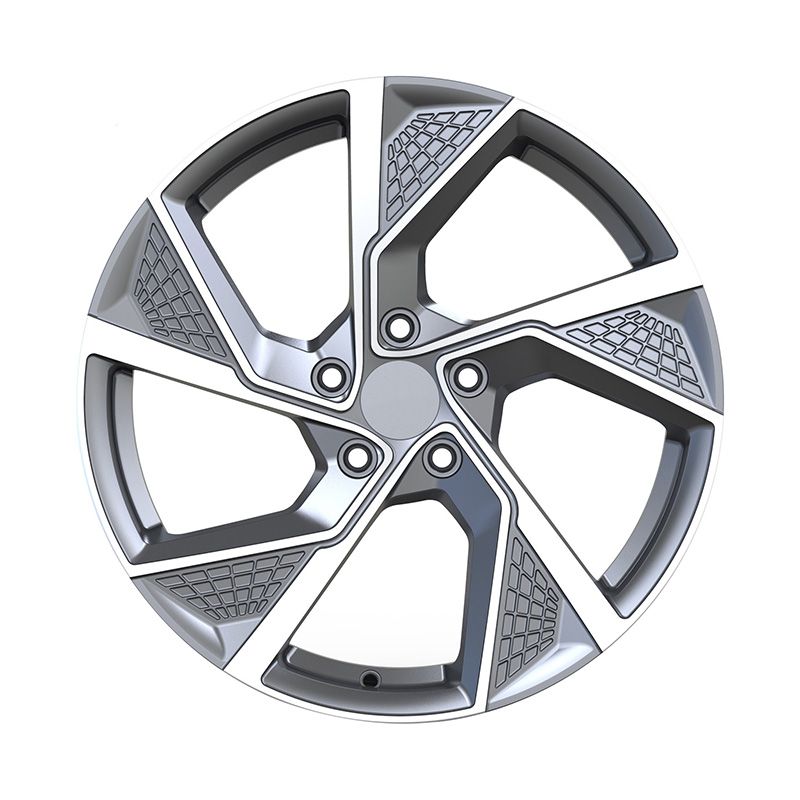
Zhenlun Monoblock Forged Wheels Lightgrey With Machined Face
-
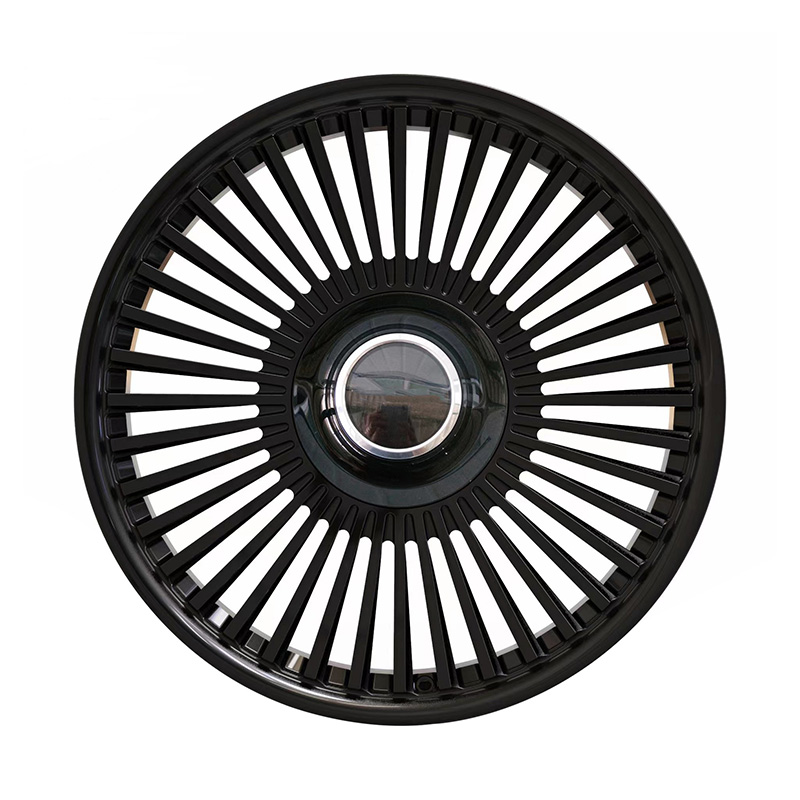
Zhenlun Monoblock Forged Wheels Gloss Black Dense Multi Spoke



Wechat QR code
IAN

JNZL

CONTACT Us
Mobile Site
Copyright© Taizhou Zhenlun Technology Co., Ltd. All Rights Reserved
