
 0
0

 English
 Español
Submit
Submit feedback
Deep Concave Wheels: Modification Use and Trends
2026-05-27
Structural Characteristics and Functional Implications of Deep Concave Wheels
Definition and measurement of concave depth.
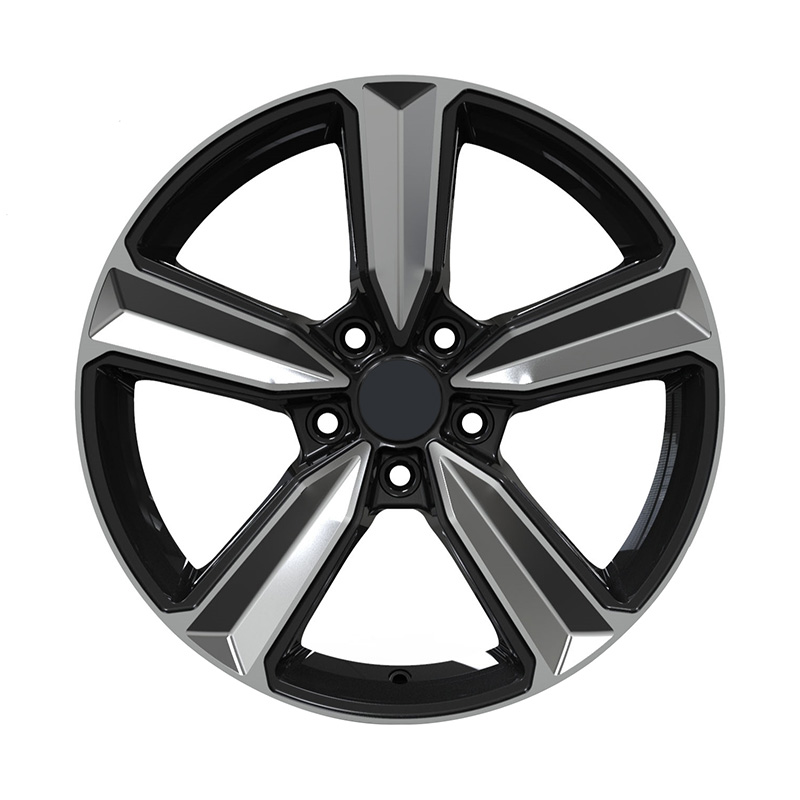
A deep concave wheel describes a wheel where the mounting pad (hub attachment surface) is positioned significantly inward from the rim flange. Concave depth is measured as the distance between the wheel’s outermost lip edge and the center of the mounting pad. For a standard aftermarket wheel, this depth ranges from 15 mm to 60 mm. Deep concave classification typically begins at 35 mm for 18-inch wheels and 45 mm for 19- to 20-inch wheels. The concave profile is achieved by placing the spoke attachment points at the outer barrel circumference while recessing the center hub area inward. This geometry reduces backspacing—the distance from the mounting pad to the wheel’s inner edge—creating a more negative offset. A standard wheel for a front-wheel-drive car may have an offset (ET) of +40 to +45 mm; a deep concave version of the same width may have ET +20 to +30 mm. The change in offset moves the wheel outward relative to the fender.
Structural modifications required for deep concave fitment.
Installing deep concave wheels often requires modifications to the vehicle’s body and suspension. The reduced offset places the wheel 15–25 mm farther outward than the original equipment. The tire sidewall may protrude beyond the fender lip. On vehicles without factory flared fenders, this causes interference when the suspension compresses. Modification options include rolling the inner fender lip (folding the metal seam upward, gaining 5–10 mm clearance), pulling the fender (stretching the outer panel outward, gaining 10–15 mm), or installing aftermarket fender flares (gaining 20–50 mm). For a typical sedan with 18 × 8.5-inch deep concave wheels (ET +25) versus factory 18 × 7.5-inch (ET +45), the outer tire edge shifts outward by approximately 28 mm. Without fender modification, the tire makes contact during full suspension compression or sharp cornering at speeds above 50 km/h. Contact manifests as a rubber wear mark on the fender lip; continued contact damages the tire sidewall, potentially causing failure after 5,000–10,000 km.
Suspension geometry changes and their effects.
Deep concave wheels alter scrub radius—the distance between the tire contact patch center and the steering axis projection. A wheel with ET +25 compared to ET +45 changes the scrub radius by 20 mm outward. On a McPherson strut suspension, this increases steering effort by 15–20% at low speeds (measured as 2–3 additional Newton-meters at the steering wheel). The vehicle also becomes more sensitive to road camber; a road sloping 3 degrees right pulls the steering wheel 5–10 degrees more than with the factory offset. Some owners accept these changes as part of the modified driving experience. Others compensate by adjusting alignment: increasing negative camber (from -0.5 to -1.5 degrees) reduces fender contact and restores straight-line stability at the cost of inner tire wear. A tire with -1.5 degrees camber wears the inner edge 20–30% faster than the outer edge, typically reducing tire life from 60,000 km to 45,000–50,000 km.
recommend products
-
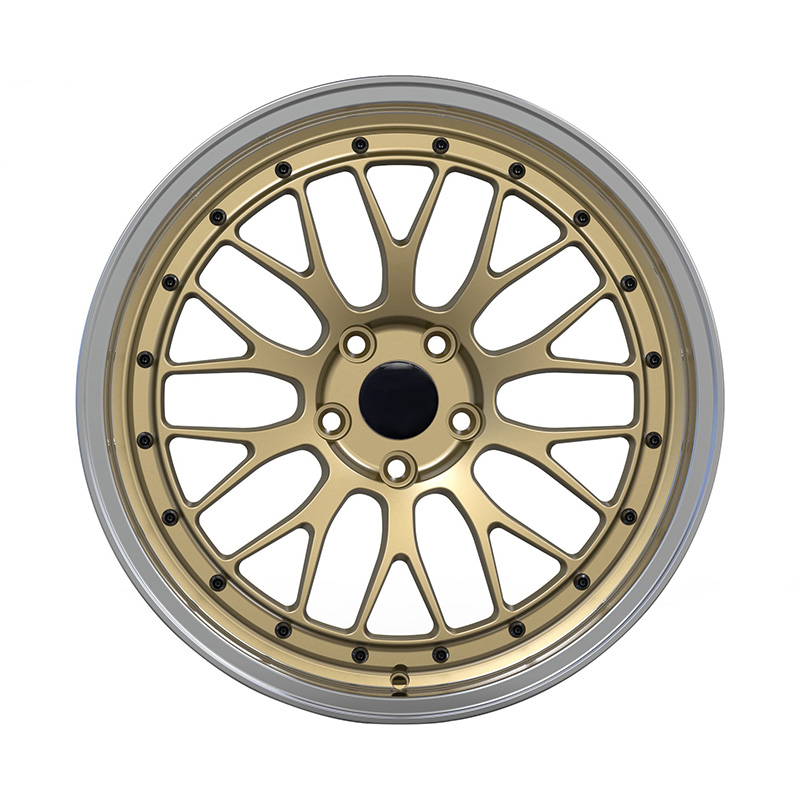


Zhenlun Multi Spokes Split Monoblock Forged Wheels Bronze With Silver Lip Edge
-
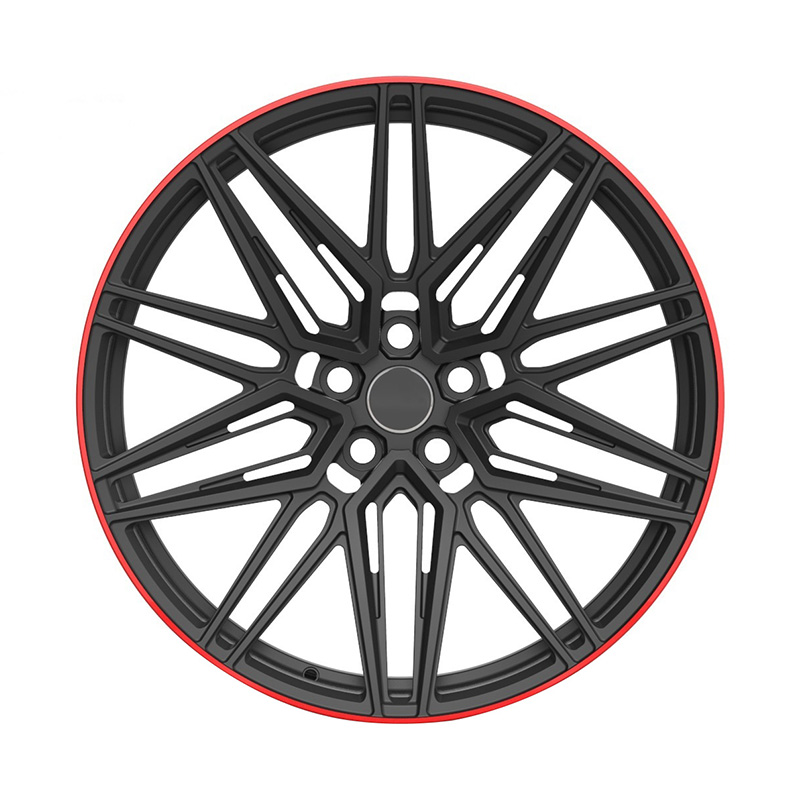
Zhenlun Matt Black With Red Lip Monoblock Forged Wheels
-
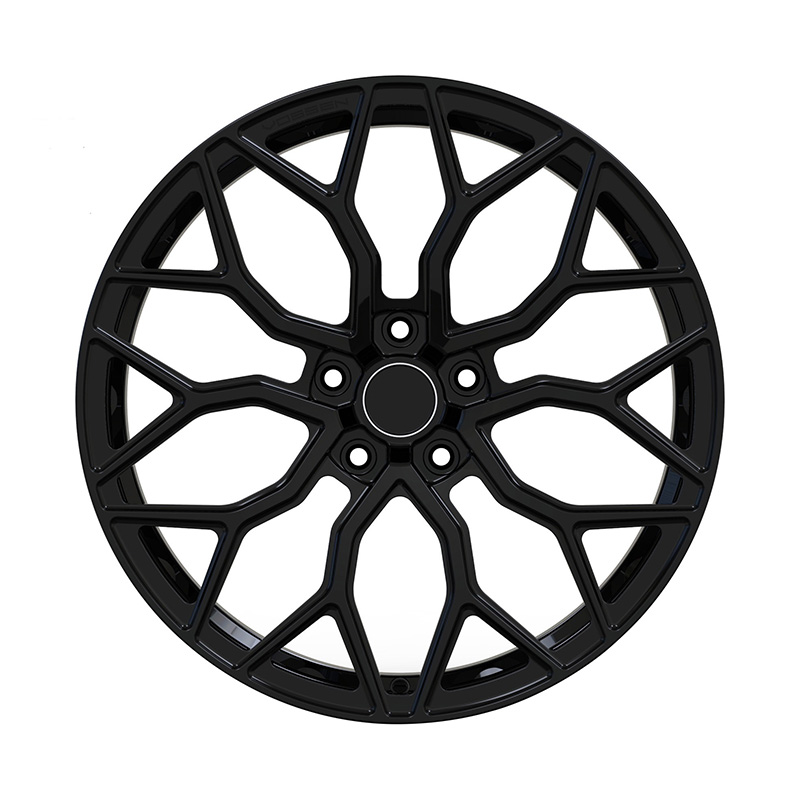
Zhenlun Gloss Black Monoblock Forged Wheels Gloss Black For Sports Car
-
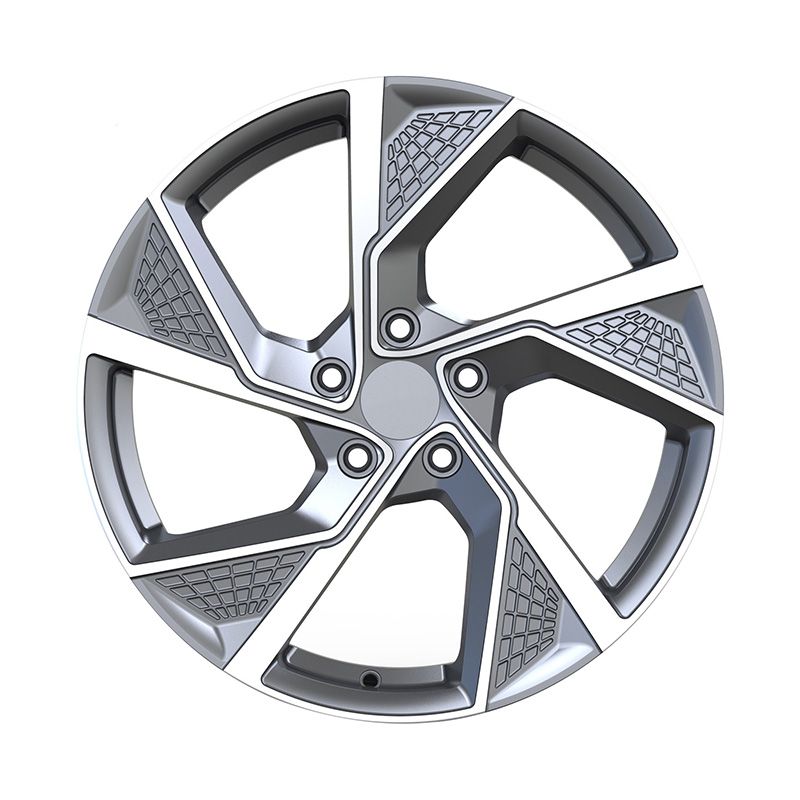
Zhenlun Monoblock Forged Wheels Lightgrey With Machined Face
-
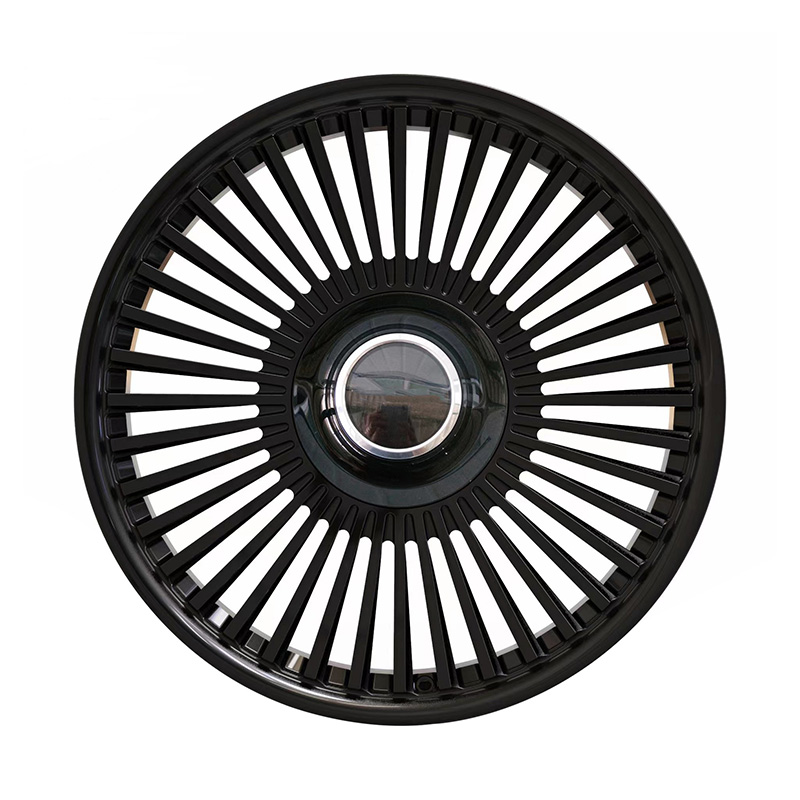
Zhenlun Monoblock Forged Wheels Gloss Black Dense Multi Spoke



Wechat QR code
IAN

JNZL

CONTACT Us
Mobile Site
Copyright© Taizhou Zhenlun Technology Co., Ltd. All Rights Reserved
