
 0
0

 English
 Español
Submit
Submit feedback
Is Forged Wheel Manufacturing Evolving Again
2026-06-05
Zhenlun views the global custom wheel segment as a field where engineering identity is shifting from mass-production efficiency to application-specific performance architecture. A Custom Forged Wheel Manufacturer today is no longer defined only by machining capability, but by how deeply it can integrate material science, structural tuning, and vehicle-specific dynamics into a single wheel system.
Zhenlun has positioned its development philosophy around this transition, focusing on forging not as a finishing process, but as a foundation for controlled performance behavior across different driving environments.
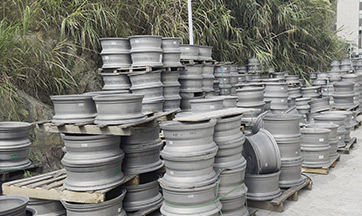
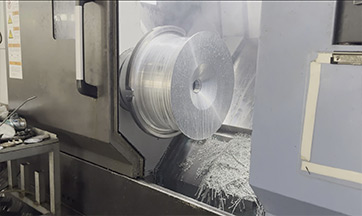
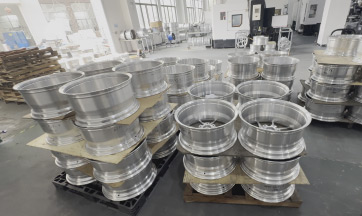
Material Architecture Beyond Conventional Alloy Use
Modern forged wheel systems typically rely on 6061-T6 aluminum, compressed under extreme pressure to reshape grain alignment and reduce internal voids, resulting in higher structural integrity and improved fatigue resistance compared with cast methods.
Zhenlun applies this principle with additional attention to controlling the density distribution across the spoke geometry. Instead of uniform mass allocation, stress mapping is used to reinforce high-load zones while reducing unnecessary material in low-impact areas.
Typical parameters applied in Zhenlun forged wheel development:
- Aluminum grade: 6061-T6 aerospace alloy
- Tensile strength range: approximately 290–320 MPa
- Forging pressure: 8,000–10,000 tons class equipment range
- Weight reduction potential: 20–30% versus standard cast wheels
- Radial run-out tolerance: controlled within ±0.15 mm
This structural refinement is not only about strength, but also about predictable deformation behavior under extreme load cycles.
Manufacturing Logic Driven by Vehicle Application
A defining shift in the forged wheel industry is the move toward vehicle-specific engineering rather than standardized sizing.
Zhenlun categorizes production into three structural logic groups:
- Performance road systems for high-speed stability
- Off-road reinforced structures for impact absorption
- EV-oriented lightweight profiles for reduced unsprung mass
Each category follows different spoke geometry rules and barrel reinforcement ratios. This approach aligns with broader industry trends where forged wheels are increasingly designed for aerodynamic and torque-specific requirements, especially in electric vehicle applications where weight sensitivity directly affects acceleration and energy efficiency .
Multi-Piece Forged Architecture and Precision Assembly
While monoblock forged wheels remain widely used, multi-piece forged structures are gaining relevance in customization-heavy markets.
Zhenlun integrates modular wheel construction techniques, similar to aerospace assembly logic, in which structural integrity depends on both machining precision and fastener consistency.
Key technical features include:
- CNC-machined mating surfaces with sub-0.02 mm flatness control
- Aircraft-grade fastening systems with torque calibration per unit
- Leak testing to ensure airtight chamber stability
- Dynamic balance correction after final assembly
Each unit undergoes run-out verification to reduce vibration transfer at high rotational speeds, improving stability under sustained load conditions.
Design Language Driven by Stress Visualization
A notable direction in Zhenlun’s design system is the use of stress-flow visualization during spoke development.
Rather than purely aesthetic shaping, spoke structures are derived from:
- Load path simulation under cornering force
- Thermal expansion distribution modeling
- Brake heat dispersion routing
- Rim edge impact resistance mapping
This method allows design geometry to evolve from mechanical necessity rather than decorative styling.
As a result, wheel faces often show asymmetrical reinforcement patterns that correspond directly to directional stress points.
Surface Engineering and Functional Finishing
Surface treatment is treated as a structural extension rather than a cosmetic step.
Zhenlun applies multi-layer finishing systems depending on application:
- Anodized layers for corrosion resistance and color stability
- Shot peening to improve surface fatigue life
- CNC micro-texturing for reduced brake dust adhesion
- Thermal coating for high-temperature brake environments
Each finish is selected based on usage scenario rather than aesthetic preference alone.
Quality Verification as Part of Design Loop
Instead of treating inspection as the final stage, Zhenlun integrates testing feedback into iterative design updates.
Standard verification processes include:
- X-ray inspection for internal void detection
- Radial and axial fatigue simulation cycles
- Impact resistance testing at calibrated energy thresholds
- Air retention and pressure decay monitoring
This closed-loop validation system allows structural revisions to be applied at design level, not only production correction level.
Market Shift Toward Bespoke Structural Identity
Industry demand is increasingly driven by customization that reflects both visual identity and performance requirements. Forged wheel manufacturing has evolved into a hybrid discipline combining CNC engineering, metallurgical control, and vehicle dynamics optimization.
Zhenlun’s approach reflects this shift by treating each wheel set as a controlled engineering unit rather than a catalog product. The result is a manufacturing model that prioritizes:
- Fitment precision over universal compatibility
- Load behavior over static appearance
- Lifecycle consistency over initial finish appeal
Zhenlun’s interpretation of a Custom Forged Wheel Manufacturer focuses on structural intelligence rather than production scale. Through controlled forging pressure, application-specific geometry, and iterative testing integration, forged wheels become engineered systems rather than simple automotive components.
This direction signals a broader industry movement where wheel manufacturing is increasingly aligned with aerospace-level precision thinking, redefining what performance customization means in modern automotive design.
recommend products
-
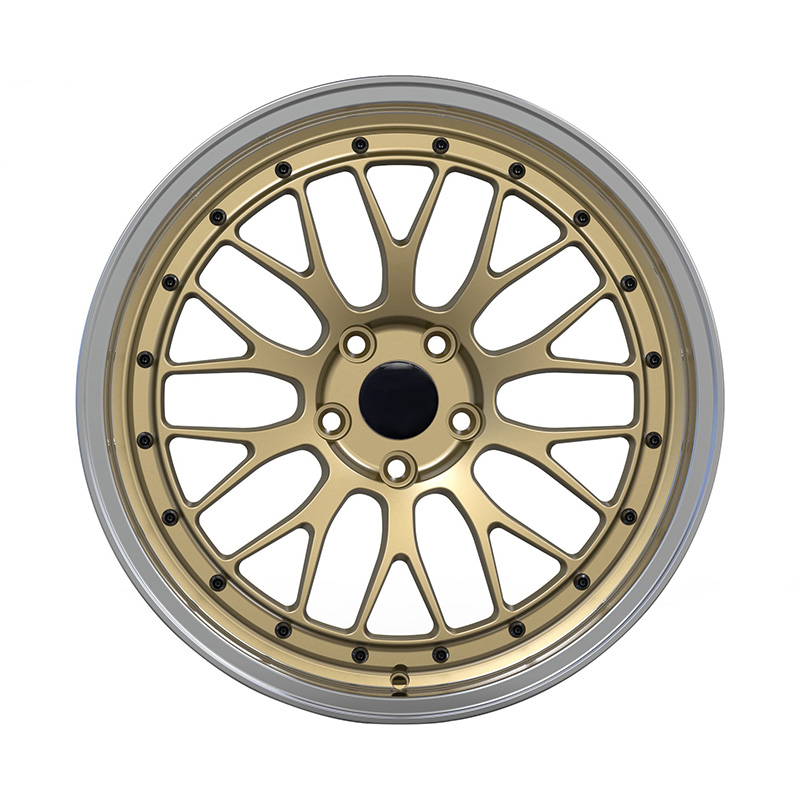


Zhenlun Multi Spokes Split Monoblock Forged Wheels Bronze With Silver Lip Edge
-
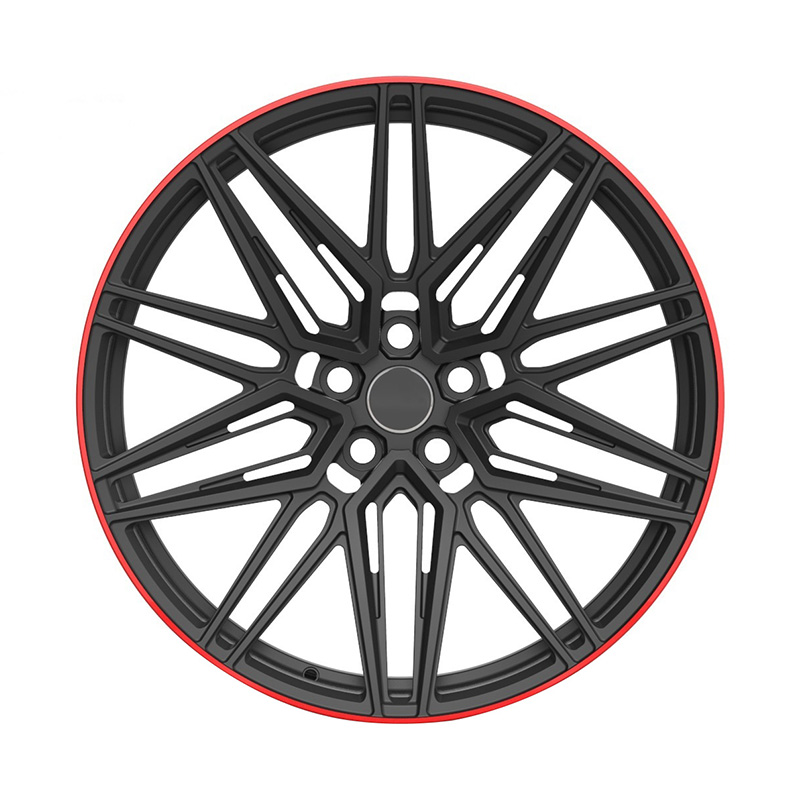
Zhenlun Matt Black With Red Lip Monoblock Forged Wheels
-
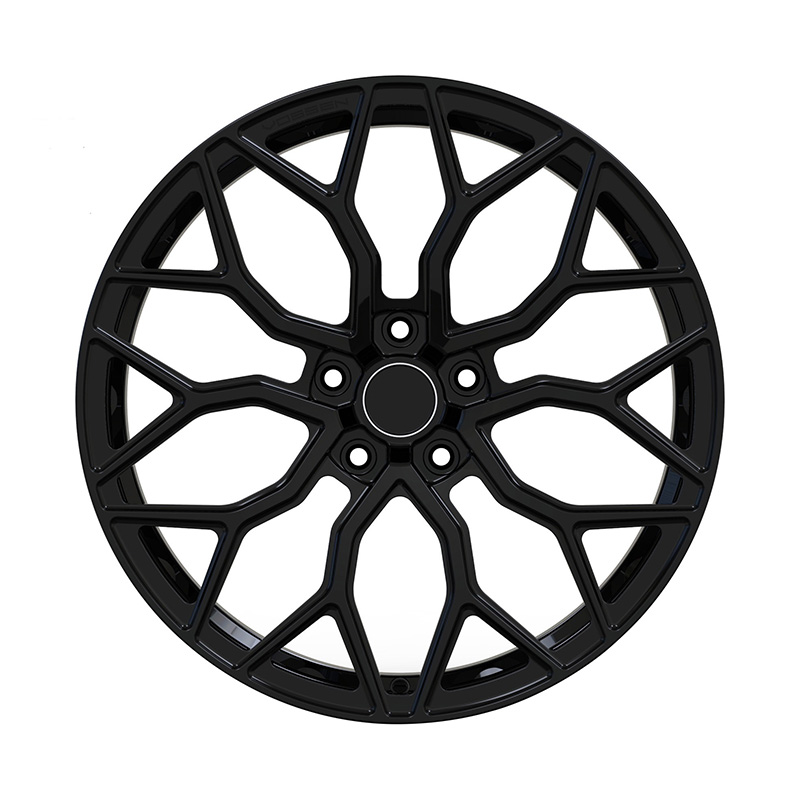
Zhenlun Gloss Black Monoblock Forged Wheels Gloss Black For Sports Car
-
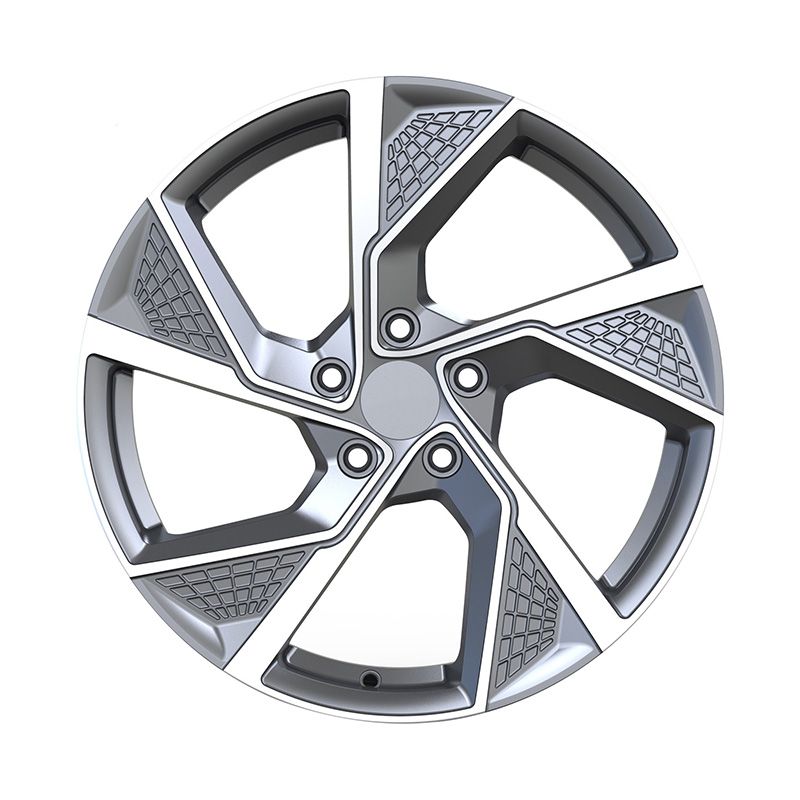
Zhenlun Monoblock Forged Wheels Lightgrey With Machined Face
-
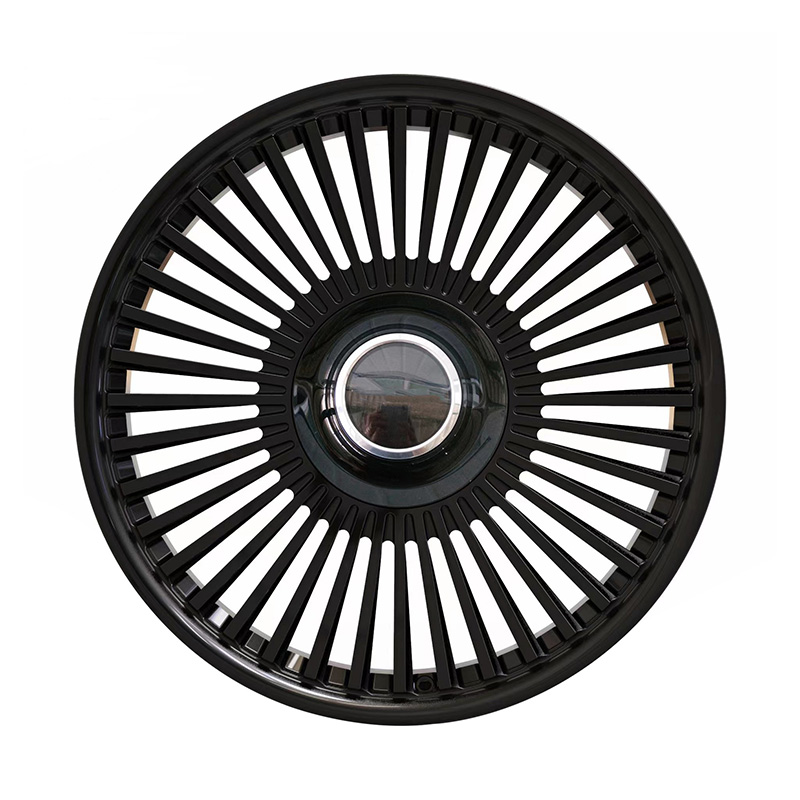
Zhenlun Monoblock Forged Wheels Gloss Black Dense Multi Spoke



Wechat QR code
IAN

JNZL

CONTACT Us
Mobile Site
Copyright© Taizhou Zhenlun Technology Co., Ltd. All Rights Reserved
