
 0
0

 English
 Español
Submit
Submit feedback
How Modern Wheel Factories Redefine Manufacturing
2026-06-12
A modern aluminum wheel production site is no longer a simple casting workshop filled with molten metal and molds. It has become a tightly controlled engineering environment where metallurgy, forming physics, and digital inspection systems operate together to shape structural performance at the microscopic level.
The term Aluminum Alloy Wheel Factory today reflects a shift toward precision manufacturing, where every stage—from alloy preparation to final machining—directly influences fatigue resistance, weight distribution, and safety performance.
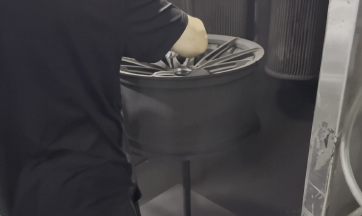
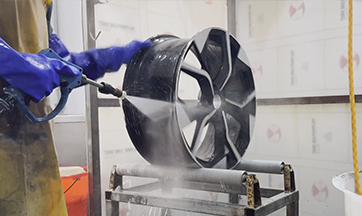
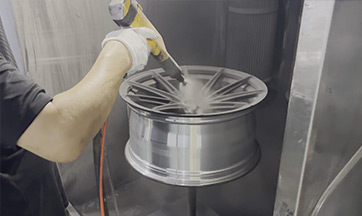
Material discipline defines structural quality
Zhenlun approaches wheel production starting from alloy behavior instead of final geometry. Most production uses A356 or 6061-based aluminum systems because of their balance between strength and corrosion resistance.
Key structural characteristics include:
- Controlled silicon distribution for wear resistance
- Magnesium addition improving heat treatment response
- Post-T6 treatment tensile strength reaching roughly 260–320 MPa
Unlike conventional casting routes, low-pressure systems improve density uniformity by pushing molten aluminum into molds under around 0.1 MPa pressure, reducing internal void formation .
This material discipline determines how the wheel behaves long before machining begins.
Multi-stage forming architecture inside production
Zhenlun views an Aluminum Alloy Wheel Factory as a layered transformation system rather than a linear production line. Each stage changes metal behavior in a different way.
Primary forming stage
- Low-pressure filling or billet preparation
- Mold temperature stabilization between 200–250°C
- Controlled solidification to reduce shrinkage defects
This stage determines whether the wheel blank achieves uniform internal density.
Structural strengthening stage
- Flow forming or forging under high-tonnage presses
- Directional grain flow alignment along rim geometry
- Rim thickness optimized between 3.5–5.5 mm depending on load class
Forging processes can significantly improve mechanical strength by compressing grain structure into a continuous flow pattern rather than random crystallization .
Precision machining stage
- CNC finishing with ±0.02–0.05 mm tolerance
- Hub concentricity controlled under 0.1 mm
- Bolt-hole indexing accuracy maintained for high-speed rotation balance
This stage ensures compatibility with modern high-torque vehicles and electric drivetrains.
Digital inspection as a production backbone
Modern Aluminum Alloy Wheel Factory systems rely heavily on non-destructive verification instead of manual inspection alone. Zhenlun integrates multiple testing layers:
- X-ray scanning for internal porosity detection
- Radial fatigue testing exceeding 500,000 load cycles
- Impact simulation for curb-strike resistance evaluation
- Air retention checks for tubeless sealing reliability
These procedures ensure that structural integrity is validated under both static and dynamic conditions rather than visual inspection alone.
Process diversity and engineering trade-offs
One key transformation in wheel manufacturing is the coexistence of multiple production philosophies inside a single factory environment.
- Casting routes prioritize efficiency and complex design capability
- Forging routes prioritize density and fatigue resistance
- Flow-forming bridges both by reshaping cast blanks under pressure
This hybrid system allows factories to match wheel structure with vehicle demand instead of producing one universal specification.
Industry analysis shows that each method directly affects weight, stiffness, and long-term durability, making process selection a critical engineering decision rather than a cost-based choice .
Zhenlun’s perspective on production evolution
From Zhenlun’s standpoint, the most important change in an Aluminum Alloy Wheel Factory is not visible in the final product but embedded in the internal structure of the metal itself.
- Grain flow is engineered rather than left random
- Defects are prevented through controlled solidification instead of corrected later
- Structural performance is defined during forming, not machining
This shift reflects a broader industry movement toward precision metallurgy, where mechanical performance is designed at the microscopic level.
Closing observation
Modern aluminum wheel manufacturing is evolving into a science-driven system where each stage contributes to final performance in a measurable way. Zhenlun considers this evolution essential for supporting higher vehicle loads, faster speeds, and more demanding energy efficiency requirements.
An Aluminum Alloy Wheel Factory today is not simply producing wheels—it is engineering controlled metal behavior that determines how vehicles interact with real-world stress, heat, and motion.
recommend products
-
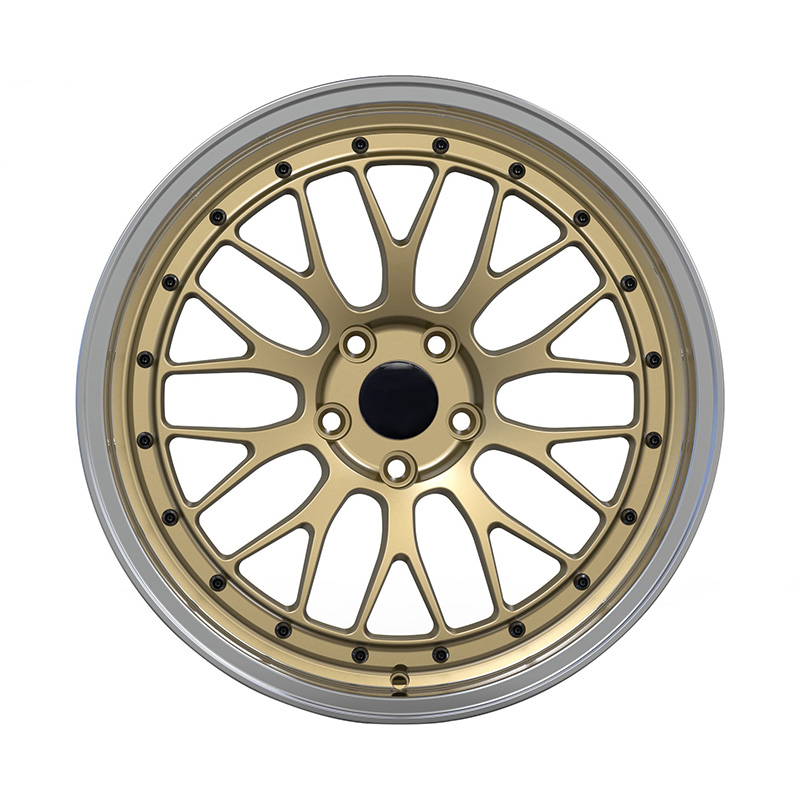


Zhenlun Multi Spokes Split Monoblock Forged Wheels Bronze With Silver Lip Edge
-
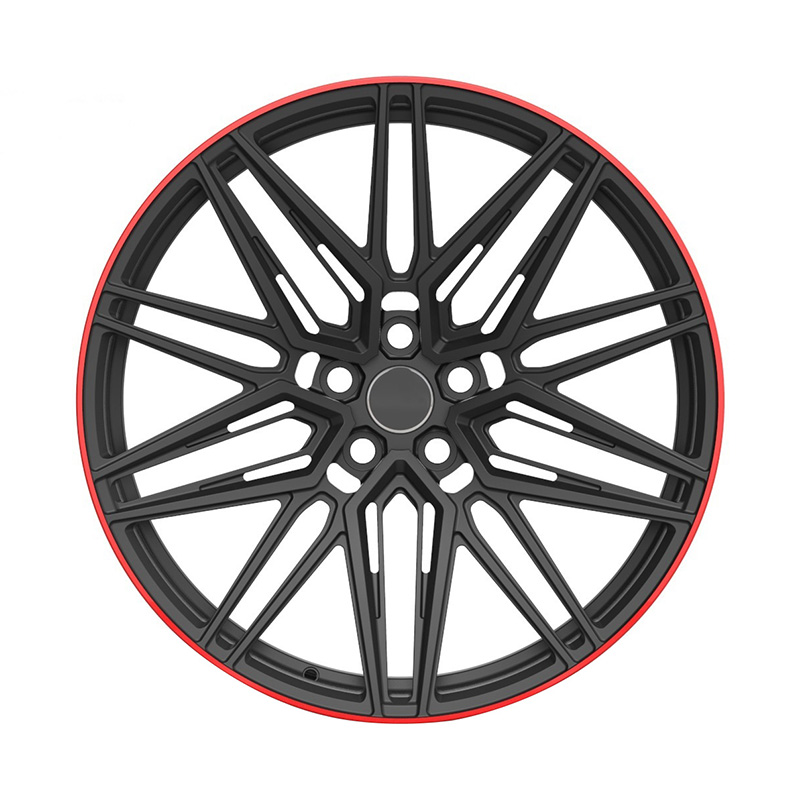
Zhenlun Matt Black With Red Lip Monoblock Forged Wheels
-
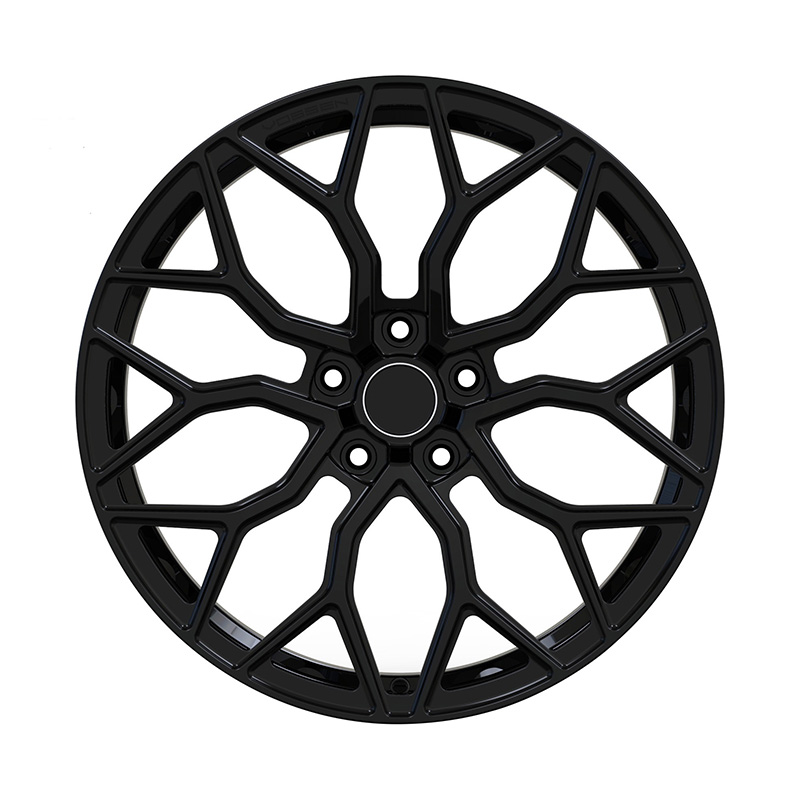
Zhenlun Gloss Black Monoblock Forged Wheels Gloss Black For Sports Car
-
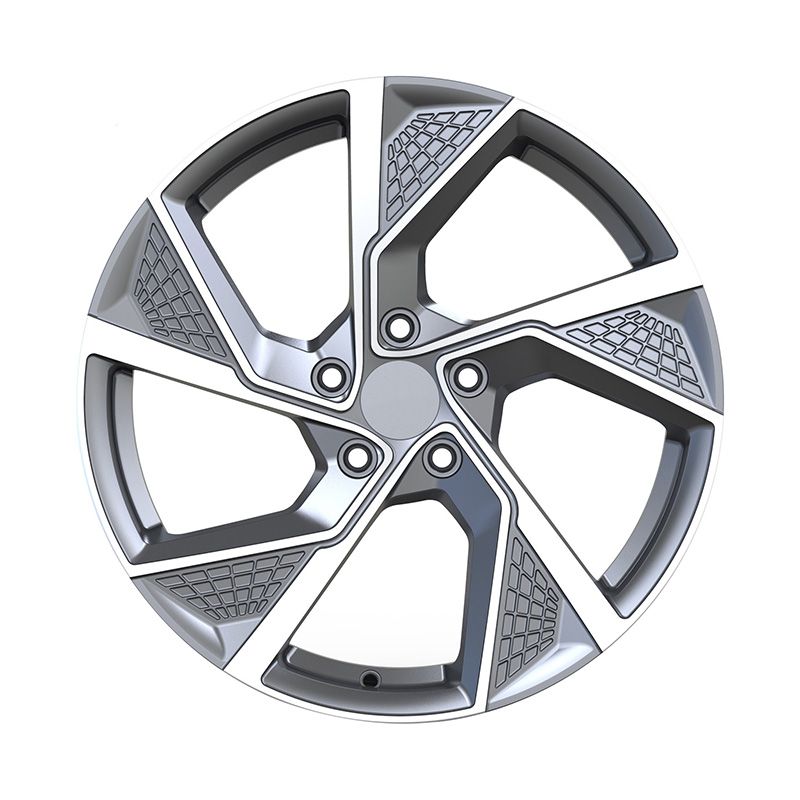
Zhenlun Monoblock Forged Wheels Lightgrey With Machined Face
-
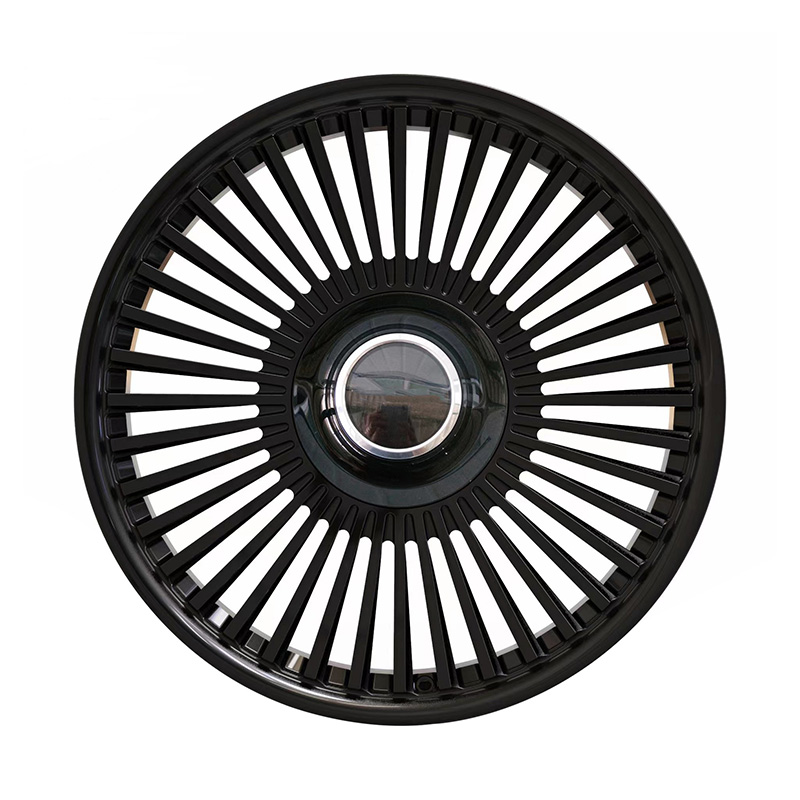
Zhenlun Monoblock Forged Wheels Gloss Black Dense Multi Spoke



Wechat QR code
IAN

JNZL

CONTACT Us
Mobile Site
Copyright© Taizhou Zhenlun Technology Co., Ltd. All Rights Reserved
