
 0
0

 English
 Español
Submit
Submit feedback
Multi Spokes Wheel Beyond Traditional Styling
2026-06-19
In modern automotive design, Multi Spokes Wheel technology is no longer treated as a purely aesthetic upgrade. Zhenlun views it as a structural language that reflects how vehicles balance airflow control, load distribution, and visual identity under increasingly complex driving demands.
Unlike traditional single-pattern wheels, multi-spoke structures spread stress across many arms extending from the hub to the rim. Engineering discussions show that this distribution improves structural stability while also changing how heat, drag, and vibration behave under real road conditions. This dual nature—mechanical and visual—has pushed multi-spoke designs into both performance engineering and premium styling segments.

1. Structural Logic Beyond Aesthetics
Multi-spoke geometry is not just about appearance density. Each spoke acts as a controlled load path, transferring forces from rim to hub in a distributed pattern.
Key engineering observations include:
- Stress dispersion improves resistance against pothole impact deformation
- Higher spoke counts can increase lateral rigidity when properly engineered
- Material thickness can be optimized due to shared load paths
- Forged aluminum structures enhance consistency under cyclic stress
Industry discussions highlight that more spokes do not automatically mean more strength; geometry and material processing define real durability outcomes .
From Zhenlun’s production perspective, the design target is not “more spokes,” but “better force routing per spoke.”
2. Heat Flow Behavior in Dense Wheel Architecture
Brake temperature control has become a critical factor in wheel engineering. Multi-spoke layouts influence airflow channels around brake discs.
Observed effects include:
- Dense spoke patterns reduce direct airflow penetration
- Open spacing improves cooling efficiency during repeated braking cycles
- Curved spoke profiles redirect turbulent air differently than straight spokes
- Thermal accumulation risk increases in tightly packed designs under heavy braking
Comparative studies indicate that airflow differences between wheel patterns can influence brake temperatures significantly during sustained braking events.
Zhenlun integrates airflow simulation into Multi Spokes Wheel development to evaluate how spoke curvature impacts heat evacuation rather than relying only on visual prototypes.
3. Rotational Mass and Dynamic Response Shift
Wheel behavior is strongly affected by mass distribution rather than total weight alone. Multi-spoke engineering enables selective material removal from low-stress zones.
Key mechanical implications:
- Reduced rotational inertia improves acceleration response
- Unsprung mass reduction enhances suspension sensitivity
- Weight redistribution influences steering feedback consistency
- Rim-edge mass reduction produces more noticeable performance gains than hub-side reduction
Zhenlun applies controlled thinning strategies in spoke midsections while reinforcing spoke roots, producing a balance between responsiveness and structural endurance.
4. Design Language and Market Identity Shift
Multi-spoke wheels are increasingly acting as visual identifiers for vehicle categories rather than just aftermarket upgrades.
Current trends show:
- Luxury sedans adopting dense spoke patterns for premium perception
- SUVs using reinforced multi-spoke layouts to signal strength
- Compact vehicles applying simplified multi-spoke designs for sporty character
- Electric platforms using aerodynamic spoke clustering to reduce drag resistance
Search trend analysis indicates growing consumer preference for multi-spoke patterns on larger wheel diameters, especially where visual fullness enhances vehicle stance .
Zhenlun interprets this as a shift from “wheel design” to “wheel identity systems.”
5. Material Engineering Behind Modern Multi Spokes Wheel
Material selection defines whether a multi-spoke structure is decorative or functional.
Common engineering directions include:
- Forged aluminum for high strength-to-weight ratio
- Flow-formed alloys for cost-performance balance
- Heat-treated finishes for fatigue resistance improvement
- Reinforced rim lips to counter impact stress concentration
Forging processes compress metal grain structure, producing lighter yet stronger wheel bodies compared with casting methods.
Zhenlun’s approach focuses on aligning spoke geometry with material grain direction, reducing internal stress concentration points during repeated load cycles.
6. Manufacturing Precision and Design Constraints
Multi-spoke structures introduce manufacturing challenges that directly influence final performance.
Key constraints include:
- Machining accuracy at spoke junctions
- Balance calibration due to uneven mass distribution
- Coating uniformity across dense surface geometry
- Mold stability in high-spoke-count casting patterns
Even minor deviations in spoke thickness can amplify vibration at high rotational speeds, making precision control a core requirement rather than optional refinement.
Zhenlun applies digital balancing simulation before physical production to reduce post-processing correction cycles.
7. Future Direction of Multi Spokes Wheel Development
The next stage of evolution is not increasing spoke count, but integrating functional intelligence into structure.
Emerging directions include:
- Aero-optimized spoke curvature tuned by computational fluid dynamics
- Adaptive wheel structures influenced by mechanical load feedback research
- Hybrid designs combining open and closed spoke zones
- Lightweight lattice-inspired internal reinforcement systems
Academic research on mechanically adaptive wheel structures suggests that geometry can be programmed to respond to torque and terrain conditions without active electronic control .
Zhenlun is exploring how Multi Spokes Wheel frameworks can incorporate passive structural adaptability rather than static form.
recommend products
-
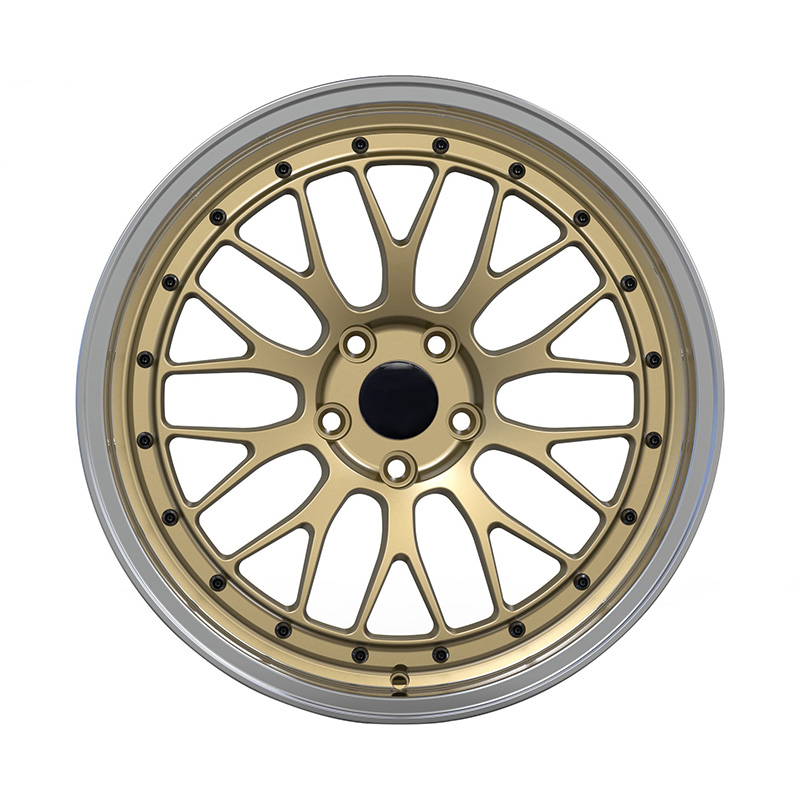


Zhenlun Multi Spokes Split Monoblock Forged Wheels Bronze With Silver Lip Edge
-
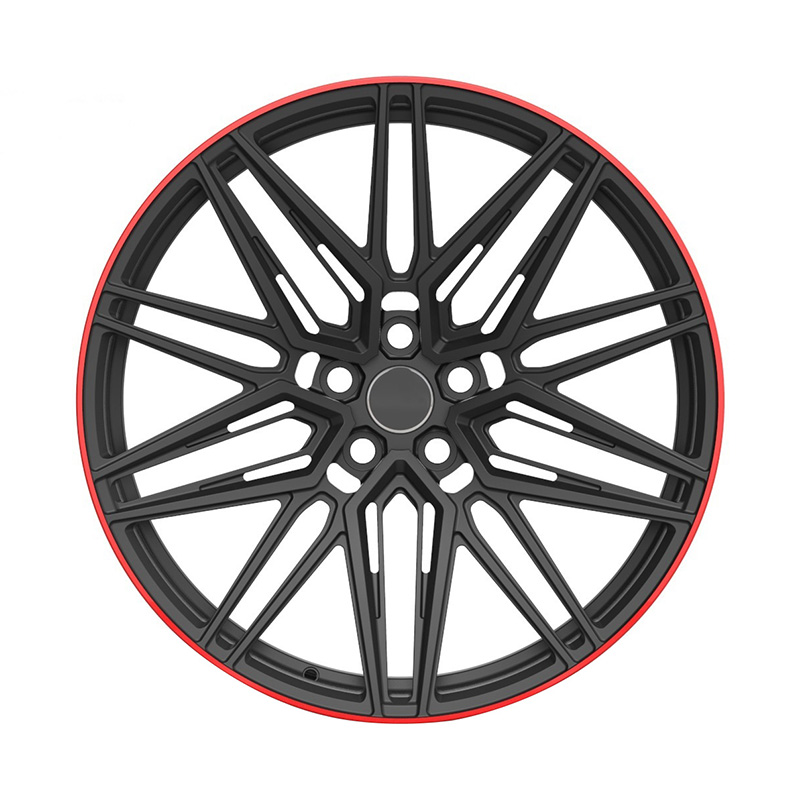
Zhenlun Matt Black With Red Lip Monoblock Forged Wheels
-
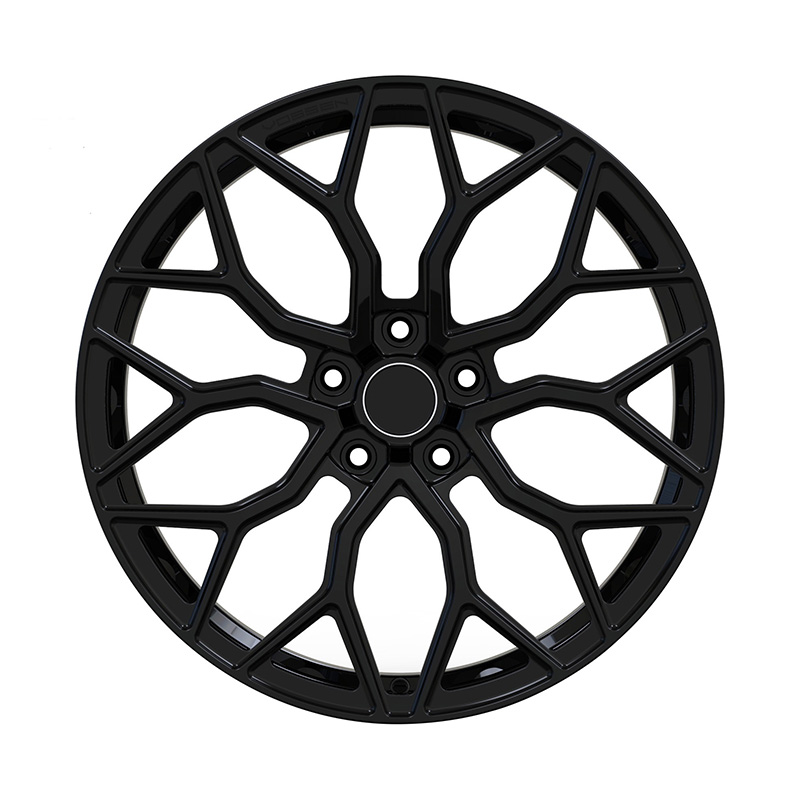
Zhenlun Gloss Black Monoblock Forged Wheels Gloss Black For Sports Car
-
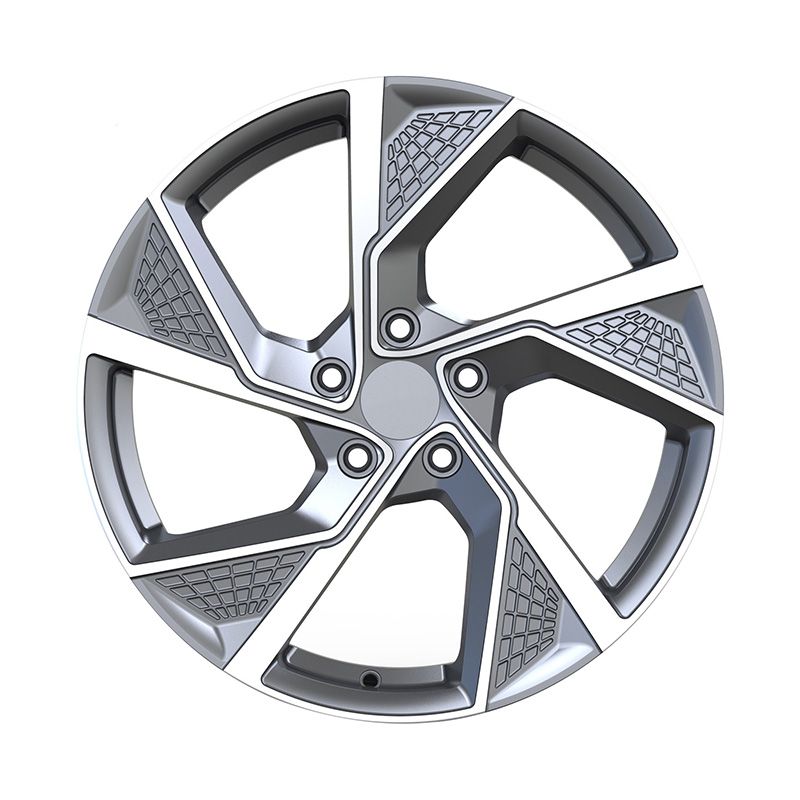
Zhenlun Monoblock Forged Wheels Lightgrey With Machined Face
-
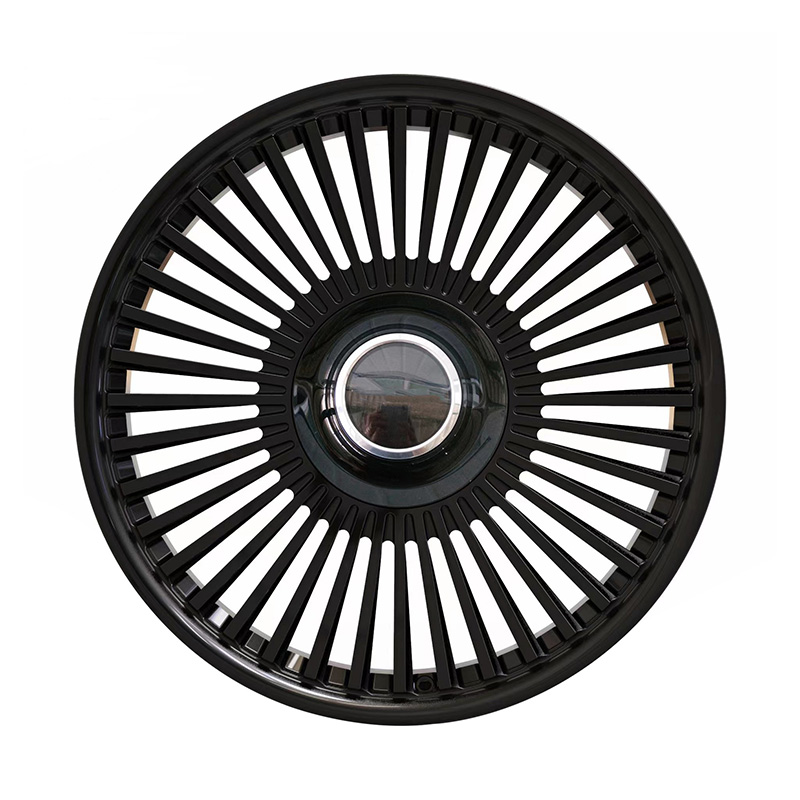
Zhenlun Monoblock Forged Wheels Gloss Black Dense Multi Spoke



Wechat QR code
IAN

JNZL

CONTACT Us
Mobile Site
Copyright© Taizhou Zhenlun Technology Co., Ltd. All Rights Reserved
