Industry Knowledge Extension
Single-Piece Forged Wheels vs. Multi-Piece Wheels: What are the differences in their use?
The choice between single-piece forged wheels and multi-piece wheels extends beyond aesthetics, influencing vehicle performance, maintenance, and suitability for specific applications. Their fundamental differences in construction—one from a solid aluminum alloy billet, the other from multiple components—lead to distinct operational profiles.
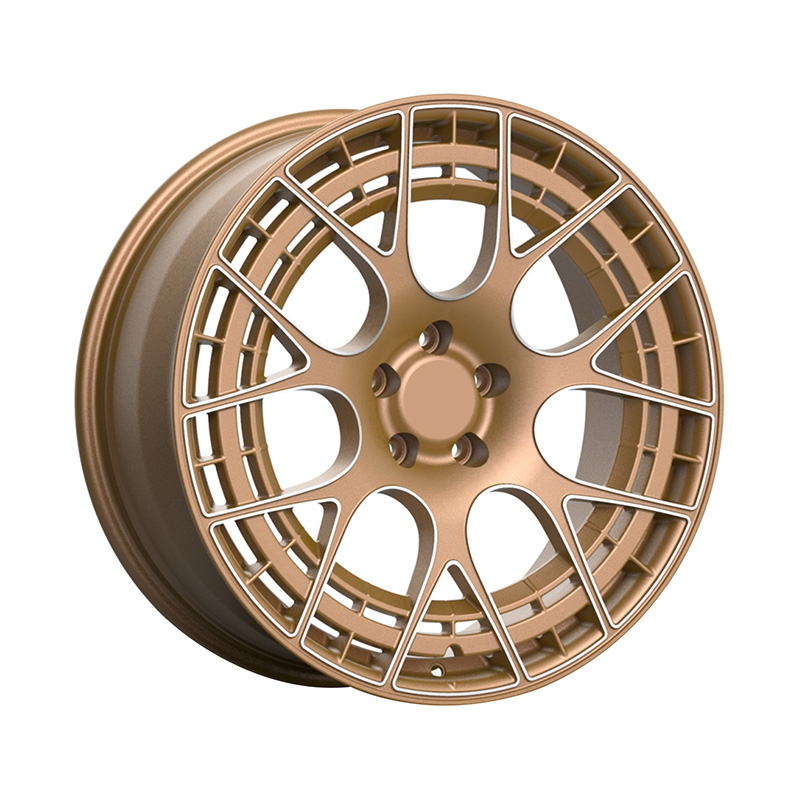
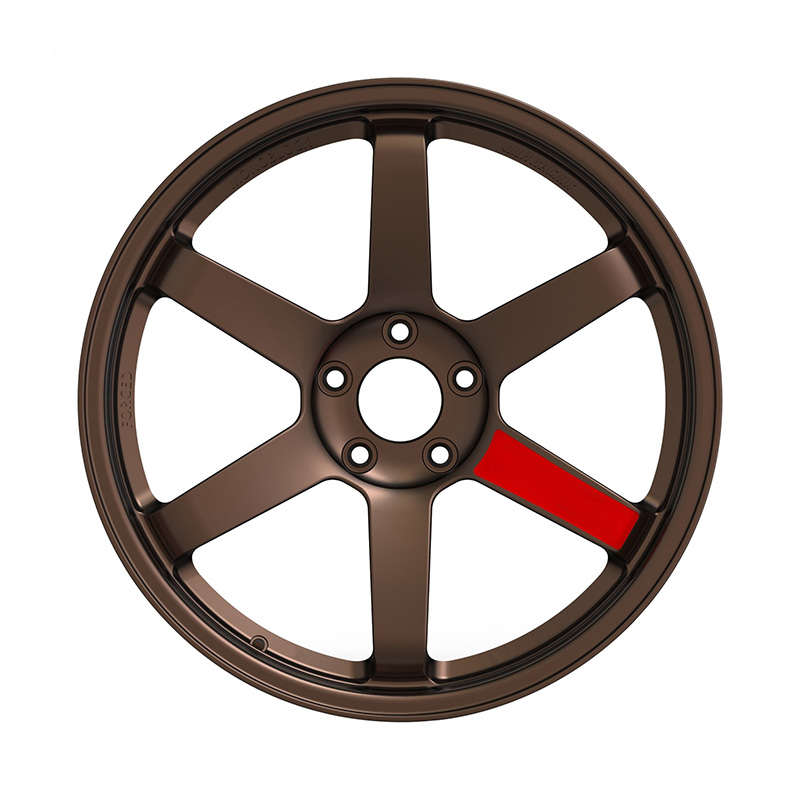
Single-piece forged wheels are manufactured under immense pressure and heat from a single block of aerospace-grade aluminum. This process aligns the metal's grain structure, creating a wheel with high material integrity. The primary advantages in use are strength and weight. They offer a favorable strength-to-weight ratio, reducing unsprung mass. This reduction improves suspension response, acceleration, and braking. Their monolithic nature eliminates potential leakage points, making them inherently reliable. In application, they are often selected for high-performance road cars, track-focused vehicles, and situations where minimizing weight and maximizing durability under stress are priorities. Their limitation lies in design flexibility; intricate, deep-lipped, or highly concave spoke designs can be difficult or impossible to forge from a single piece due to physical constraints of the forging process.
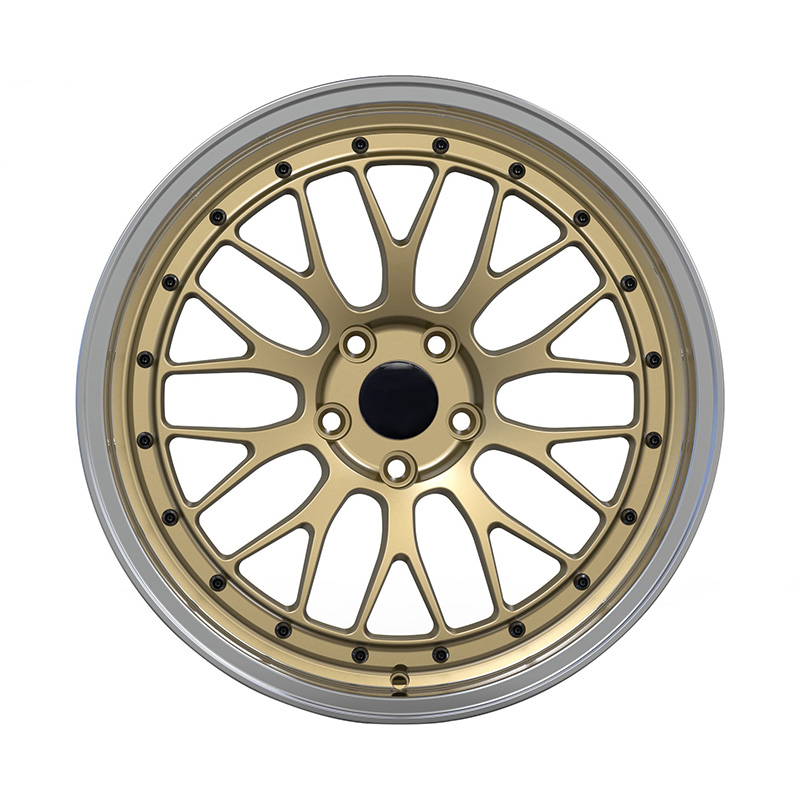
Multi-piece wheels, typically two or three pieces, consist of a center section and separate rim halves (barrel and lip) joined by bolts or welding. Their key characteristic is a high degree of customization. Users can mix and match widths, offsets, and finishes, and achieve very aggressive concave profiles or oversized lips that single-piece construction cannot replicate. This modularity also allows for easier repair; a damaged barrel can often be replaced without scrapping the entire wheel. In use, they are prominent in the custom automotive scene, on luxury vehicles, and in forms of motorsport like drifting where specific fitment is critical. However, the assembly introduces more potential points of failure, such as bolt integrity or sealant degradation, which can lead to air leakage. They also generally weigh more than an equivalently sized forged one-piece wheel due to the extra material required for flanges and fasteners.
What are the design considerations for Mesh Spoke Split Wheels?
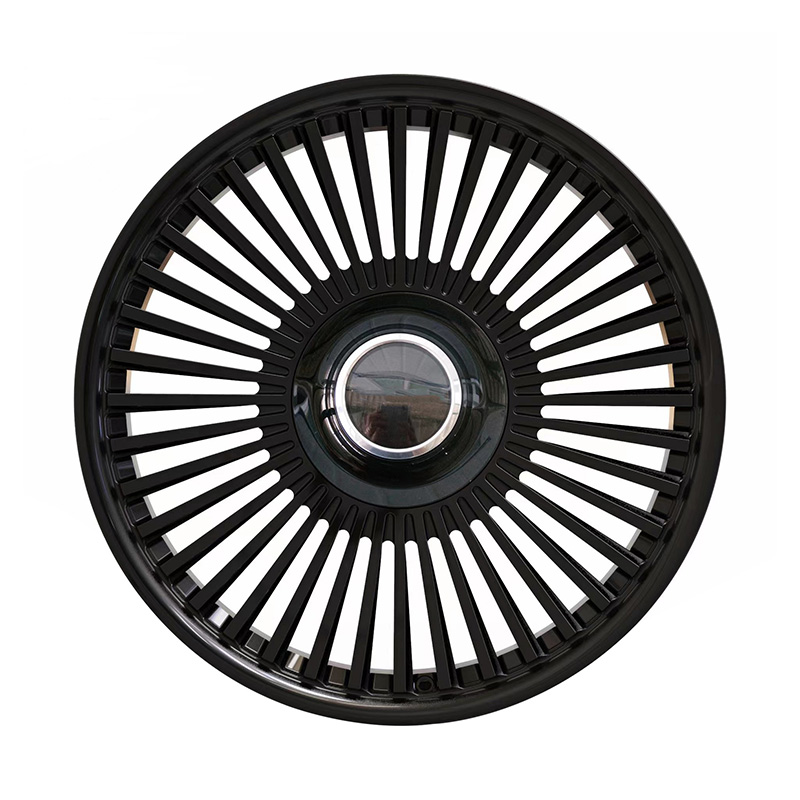
Mesh spoke split wheels, a subtype of multi-piece wheels featuring numerous thin, interconnected spokes, require careful engineering to balance classic aesthetics with modern performance and safety demands.
- Spoke Geometry and Load Distribution: The intricate network of spokes must be calculated to transfer vehicular loads—cornering forces, brake torque, and impact shocks—efficiently from the hub to the rim. The spoke thickness, curvature, and intersection points are analyzed to prevent stress concentrations that could lead to cracking.
- Material Selection and Manufacturing Method: The fine details of a mesh pattern are often challenging for traditional forging. Many mesh wheels are either low-pressure cast for cost reasons or utilize flow-forming/hybrid forging for the barrel to improve strength. The center is often cast to capture the complex design, though high-end versions may be fully forged from multiple pieces.
- Brake Clearance and Cooling: The dense spoke pattern can obstruct airflow to the brake components. Design must ensure not only physical clearance for large calipers but also consider the spoke design's impact on brake cooling. Some designs incorporate spoke shapes that channel air toward the rotor.
- Weight Optimization: A fine mesh pattern can use significant material, increasing weight. Engineers must thin spokes to the minimum feasible dimensions without compromising strength, a process aided by finite element analysis (FEA) simulation.
- Multi-Piece Assembly Integration: As a split wheel, the design must accommodate the interface between the mesh center and the rim halves. The bolt circle for assembly must be structurally sound and visually integrated, often hidden within the mesh pattern or designed as a stylistic element.
- Aesthetic Cohesion and Finish: The mesh pattern, often a nostalgic design cue, must be proportionally correct for the wheel's diameter and width. The finish—whether polished, painted, or chromed—must account for the complexity of masking and coating the numerous small surfaces and tight corners.
- Cleaning and Maintenance: The design inherently creates many small, difficult-to-clean surfaces that can trap brake dust and road grime. This is a practical user consideration, though not always a primary engineering driver.
Are Custom Forged Wheels worth the money? How should we view these types of wheels?
Evaluating the value of custom forged wheels requires a perspective that transcends simple commodity assessment. They are not a rational purchase for the average driver, but for a specific enthusiast, their worth can be justified when viewed as a engineered performance modification and a form of functional art.
The financial outlay is considerable, often costing several times more than a set of high-quality cast or flow-formed wheels. This cost originates from the use of premium aerospace aluminum, the energy-intensive forging process, extensive computer-aided engineering and testing, and low-volume, hands-on craftsmanship. The tangible returns are measurable: a significant reduction in unsprung weight, which improves handling sharpness, ride compliance, and acceleration; enhanced strength and durability, offering greater resistance to impact damage; and the ability to specify exact fitments—width, offset, and barrel contour—that optimize the vehicle's stance and tire performance. From a purely performance standpoint, for a dedicated track car or a high-performance road car, the investment can correlate directly with improved lap times and driving dynamics.
However, a purely utilitarian view is incomplete. Custom forged wheels should also be viewed as a long-term, integrated component of the vehicle's identity. They represent a collaborative process between owner and manufacturer to create something unique, reflecting personal taste and a specific vision for the car. Their durability and timeless design often mean they outlast the vehicle itself, frequently transferred to future projects, which can amortize their initial cost over decades.

 0
0

 English
 Español