Industry Knowledge Extension
What does a Classic Design Wheel include?
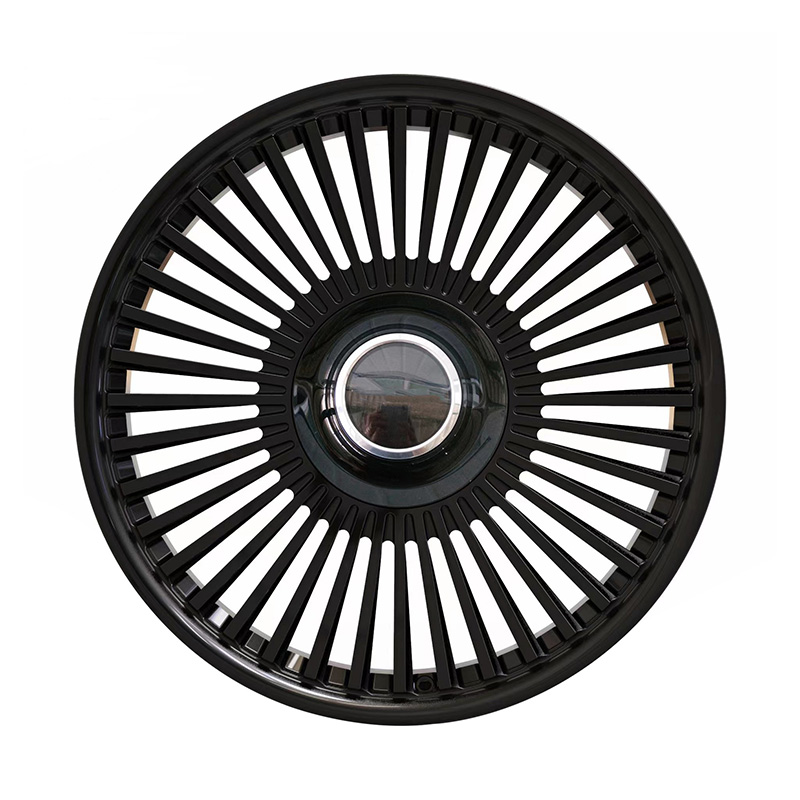
When it comes to automotive wheels, the "classic design" often refers to timeless, simple, and elegant styling choices. But what exactly does a classic design wheel consist of? Let's break it down and explore the essential features that characterize these wheels.
|
Feature
|
Description
|
|
Spoke Design
|
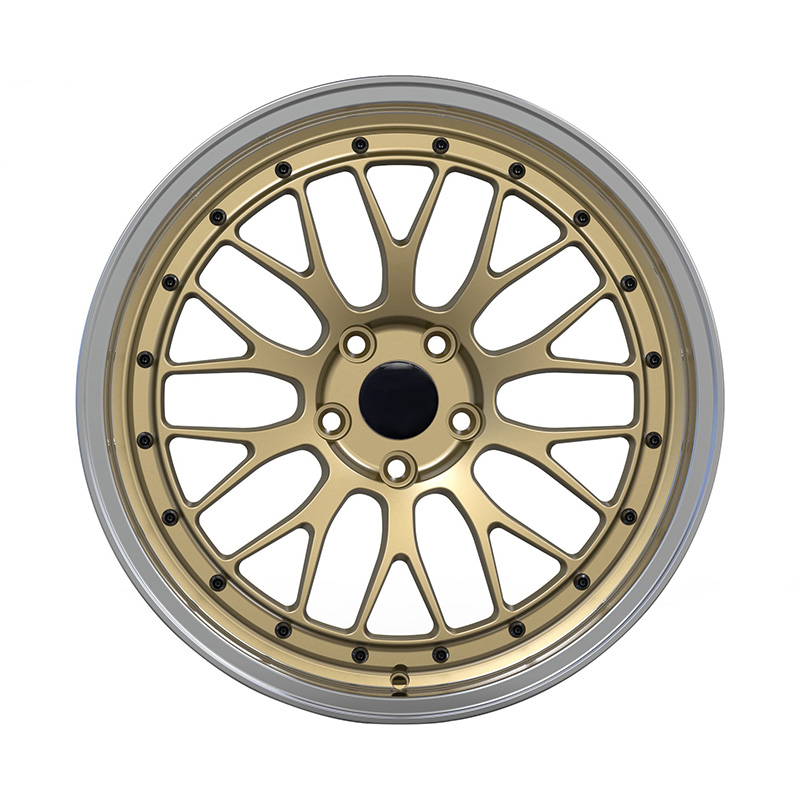
Classic wheels usually feature a clean, symmetrical spoke pattern. Popular designs include multi-spoke and split-spoke patterns, which provide a balance of aesthetics and structural support.
|
|
Material
|
Most classic wheels are made from steel or cast aluminum, offering durability and strength. Steel wheels are known for their toughness, while aluminum wheels are lighter and provide better performance.
|
|
Finish
|
Classic wheels often have a polished, chrome, or matte finish. These finishes enhance the wheel's visual appeal, with chrome providing a shiny, reflective look, while matte finishes give a more understated appearance.
|
|
Rim Profile
|
Classic wheels usually feature a simple, round rim profile. These rims are less aggressive than modern, high-performance designs, focusing more on elegance than extreme performance.
|
|
Center Cap Design
|
The center cap is often minimalistic, typically featuring the brand logo or a clean, subtle design. Classic wheels focus on simple, unembellished elements that maintain the wheel's timeless look.
|
|
Size and Fitment
|
Classic wheels typically come in smaller diameters compared to modern performance wheels, often ranging from 14 inches to 17 inches, offering a vintage feel that suits older vehicles.
|
Classic design wheels emphasize simplicity and tradition, making them a popular choice for car enthusiasts who want to maintain a vintage aesthetic without compromising functionality.
Flow Form vs. Forged Wheels Explained: Strength, Weight
When it comes to choosing wheels for performance, strength and weight are key considerations. Two popular options are flow-formed wheels and forged wheels, each offering distinct advantages in these areas. So, how do they compare in terms of strength and weight?
What is flow-forming?
Flow-forming is a manufacturing process that involves shaping the wheel by applying heat and pressure while spinning it on a mold. This process aligns the metal's grain structure, improving the strength of the wheel without adding excessive weight. Flow-formed wheels are often used in high-performance vehicles for their balance of weight and durability.
What is forging?
Forged wheels are made by heating a solid block of metal and then shaping it through high-pressure forging. This process results in a wheel that is much stronger and lighter than cast wheels. Forged wheels have a superior strength-to-weight ratio, making them a popular choice for racing cars and high-performance street vehicles.
How do flow-formed wheels compare in strength?
While flow-formed wheels are stronger than cast wheels, they are not as strong as forged wheels. The heat and pressure applied in the flow-forming process improve the wheel's structure, but the material is still not as dense as that of a forged wheel. Flow-formed wheels are durable and perform well under moderate stress.
How do forged wheels compare in weight?
Forged wheels are typically lighter than flow-formed wheels because the forging process eliminates any excess material. This lightweight construction reduces unsprung weight, which can improve handling and acceleration. While flow-formed wheels are relatively light, forged wheels provide a greater advantage in performance-driven applications.
Which is better for performance?
Forged wheels are generally the better choice when maximum strength and weight reduction are crucial. They offer superior durability and performance for racing and high-performance driving. Flow-formed wheels, however, provide a more affordable option while still offering excellent performance for enthusiasts who want a good balance of strength and weight.
Can Sports Car Forged Wheels provide a noticeable driving experience?
When it comes to sports cars, every component is crucial to the overall driving experience, and wheels are no exception. Forged wheels, often used in high-performance sports cars, have a significant impact on how a car handles and performs. But do they actually make a noticeable difference in the driving experience?
What makes forged wheels different?
Forged wheels are created by heating a solid block of metal and then shaping it under high pressure. This process results in a wheel that is stronger and lighter than other types, such as cast wheels. The reduced weight and enhanced strength of forged wheels offer clear performance benefits, particularly in sports cars.
How does weight reduction affect driving?
One of the significant advantages of forged wheels is their reduced weight. Lighter wheels reduce unsprung weight, which directly influences how the car handles. With less weight to carry, the vehicle's suspension can respond more quickly, improving cornering, braking, and overall ride quality. Sports car drivers will notice better acceleration and more precise handling when using forged wheels.
Can forged wheels improve braking performance?
Lighter wheels can improve braking performance. When the wheels weigh less, there is less rotational mass for the brakes to overcome. This means that forged wheels allow for quicker and more responsive braking, which is crucial in high-speed sports car driving where braking efficiency can make a difference between safe driving and a performance failure.
Are forged wheels more durable on the road?
Forged wheels are not just lighter but also stronger than their cast counterparts. This enhanced strength means they are more resistant to cracks and damage, even when exposed to harsh conditions. Sports car drivers who regularly push their vehicles to the limits will benefit from the durability of forged wheels, ensuring that their performance remains consistent over time.
What about handling?
Forged wheels contribute to improved handling, especially in tight corners or at high speeds. The lower weight and added strength of these wheels allow for better responsiveness and control, making the driving experience more dynamic and engaging. Drivers will notice that the car feels more stable and responsive when taking corners at high speeds, as the lighter wheels allow for quicker adjustments.

 0
0

 English
 Español